Mazda is finally introducing touchscreens to its cars after refusing to do so for years
Published on Oct 23, 2025 at 9:33 PM (UTC-4)
by Daisy Edwards
Last updated on Oct 23, 2025 at 9:33 PM (UTC-4)
Edited by
Emma Matthews
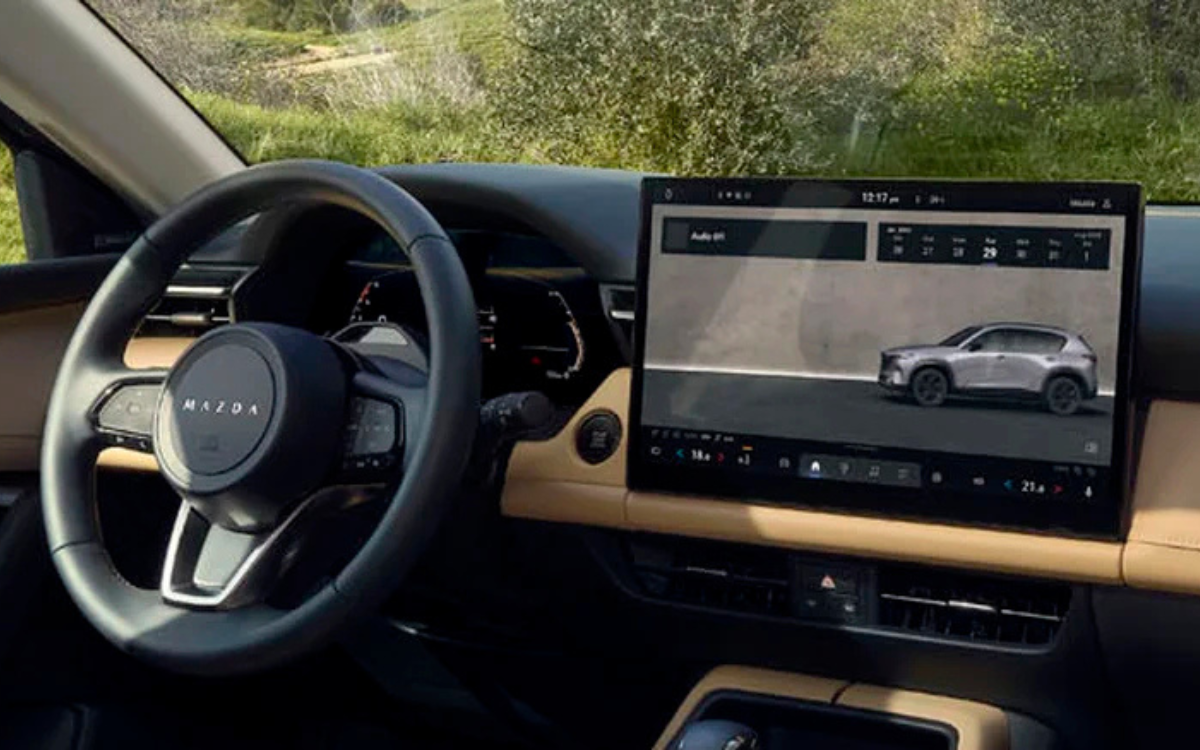

Fans of the beloved automaker will be pleased to hear that Mazda is finally introducing touchscreens to its cars after refusing to do so for years.
The company has always prided itself on being different, keeping things simple and driver-focused while everyone else zeroed in on the biggest infotainment screens possible.
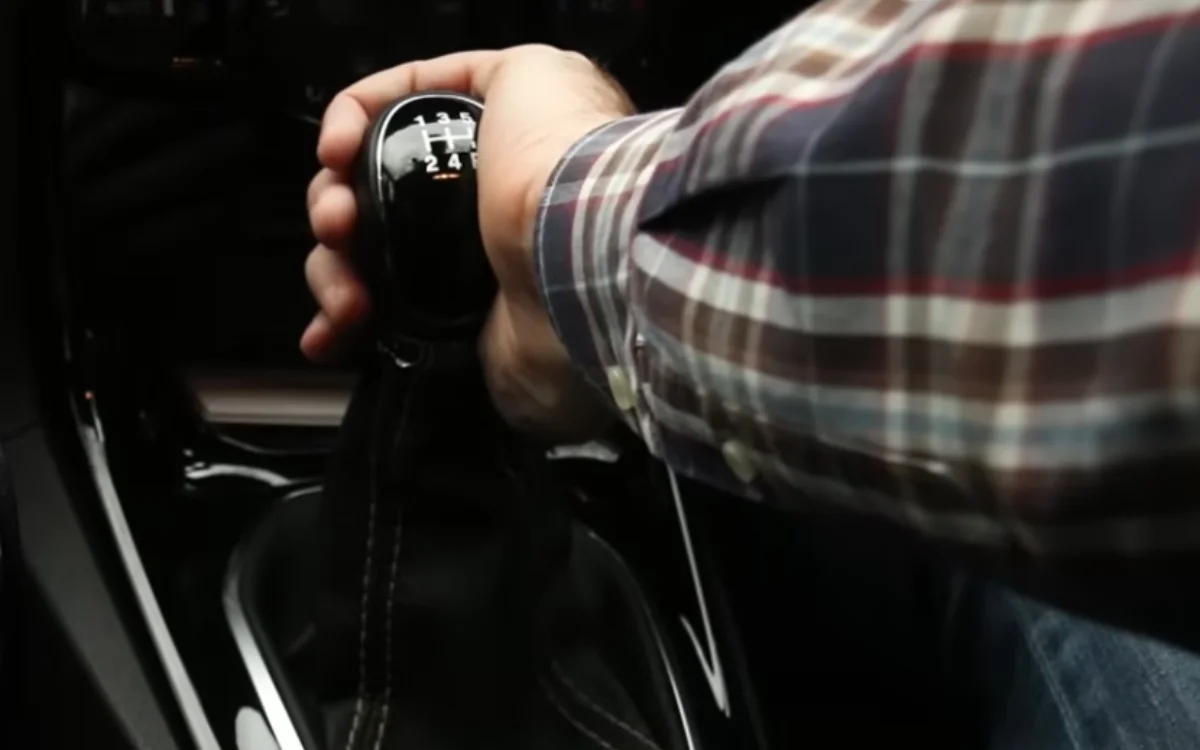
For years, it insisted that tapping on a display while driving was unsafe, forcing drivers to use a rotary dial instead.
Now, after more than a decade of standing firm, the automaker is finally giving in to modern tech. Starting with the 2026 CX-5, touchscreens are officially joining the lineup in a company-changing move.
EXPLORE SBX CARS – Supercar auctions starting soon powered by Supercar Blondie
Finally! Mazda is bringing touchscreens to its cars
Beloved car manufacturer Mazda’s anti-touchscreen stance began in 2014 with its Mazda Connect infotainment system.
The company argued that physical controls reduced distraction, keeping eyes on the road and hands closer to the wheel.
That idea made sense at the time, but as other brands upgraded their in-car tech, Mazda’s setup started to feel outdated.
Drivers grew frustrated navigating menus using a dial and buttons, especially when every other car allowed quick taps and swipes.
Features like Apple CarPlay and Android Auto were harder to use, and reviewers called the system clunky. The automaker held on, though, insisting it was safer, but customer feedback told another story.
Why did the company change its mind?
Mazda changed its mind because drivers were fed up with the rotary-dial system, competing brands were offering bigger, easier-to-use touchscreens, making Mazda’s setup look and feel like a relic from another age.
Modern features like wireless Apple CarPlay and Google integration also need touch input to work properly, and are features that drivers just expect these days.
The brand still values safety, but now believes touchscreens can coexist with physical buttons, so, in short, the beloved company finally adapted to what drivers and the market demanded.
Daisy is a technology and automotive journalist covering artificial intelligence, consumer tech, Apple news, cryptocurrency, emerging technologies, and transportation innovation. Since joining the team in 2025, she has reported on everything from AI-powered startups and major iOS updates to viral car stories and the latest developments shaping transportation and the digital economy. Drawing on her background in automotive journalism and a degree in History and Journalism from Goldsmiths, University of London, Daisy specializes in breaking down complex topics into clear, engaging reporting for a global audience. Her work spans cutting-edge technology, innovative vehicles, and the people driving change across both industries. Daisy has gained first-hand access to some of the world's most talked-about technologies and innovators, including meeting Tesla's Optimus humanoid robot during its first European appearance in London. She has also discussed the future of space exploration with an astronaut, bringing unique insights and real-world perspectives to her coverage of emerging technology.