I compared the costs of a normal gas engine with a Mazda rotary engine to find out why this engine is so infamous
Published on Aug 02, 2026 at 1:27 PM (UTC-4)
by Alessandro Renesis
Last updated on Aug 02, 2026 at 1:27 PM (UTC-4)
Edited by
Mason Jones
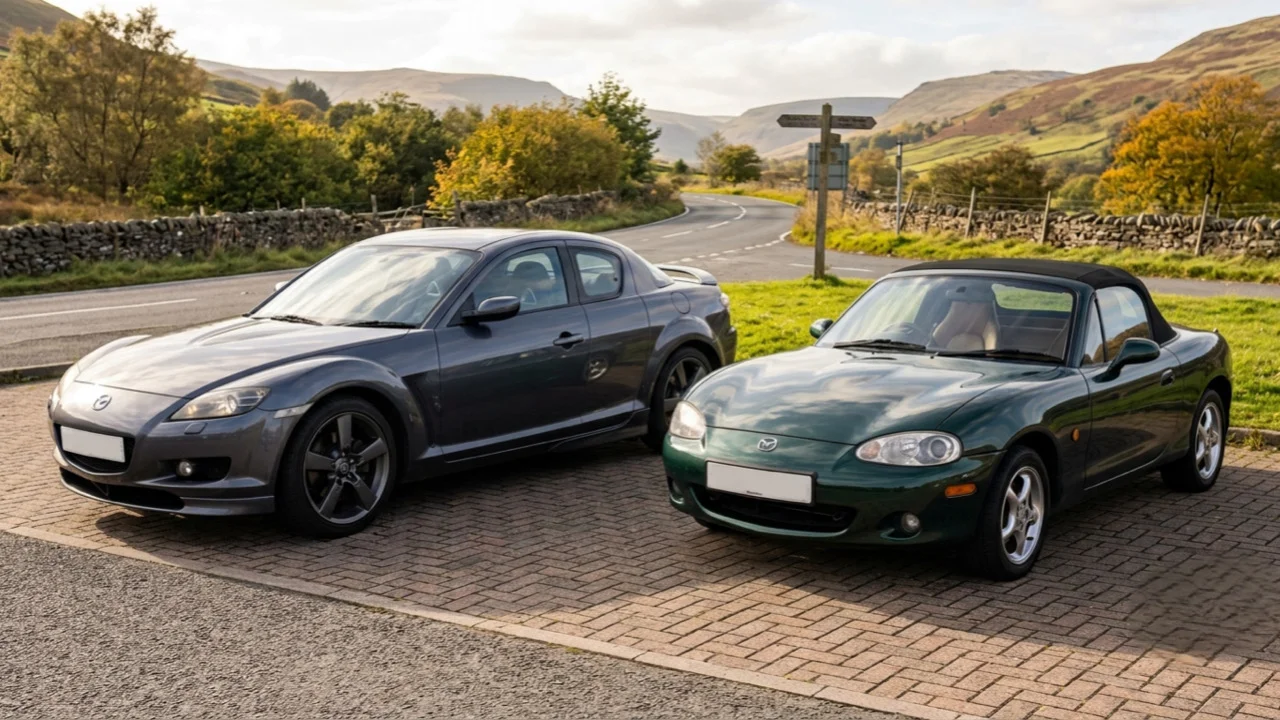

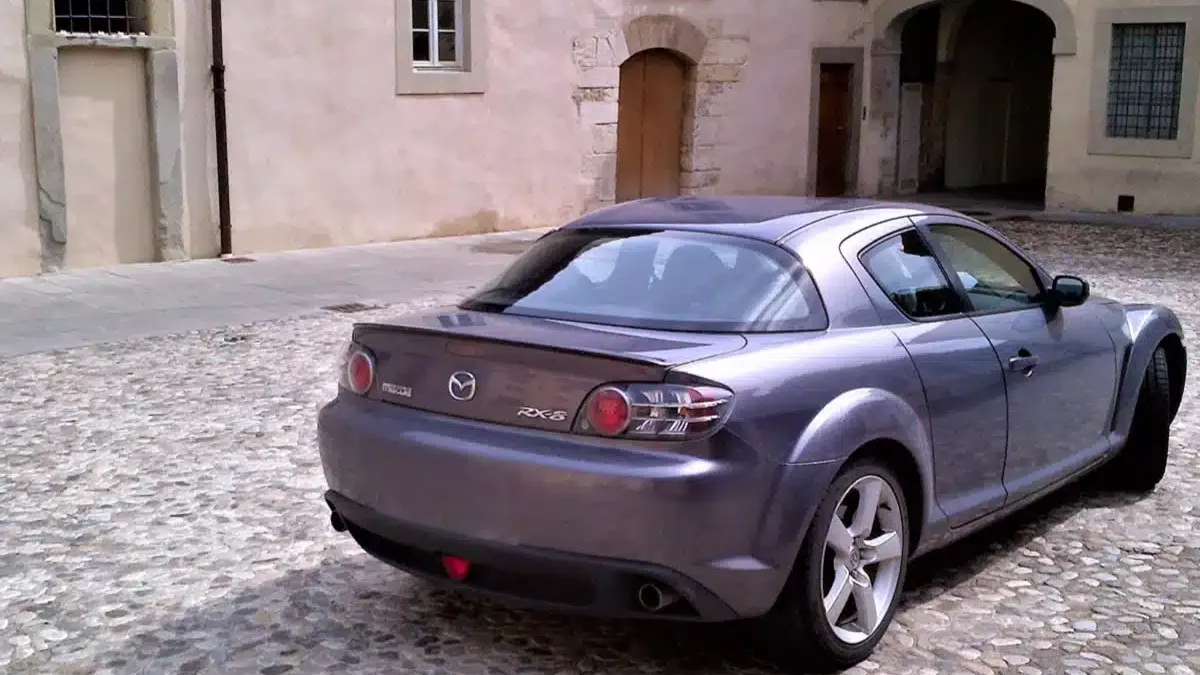
Mazda has used the rotary engine on several occasions, but the Mazda RX-8 (along with the RX-7, of course) is probably the one most people remember.
Which is a bit like saying that the Richard Mille RM 052 is one of the most famous watches with a skull on a dial.
It’s a pretty narrow slice, though.
And after comparing the costs of a rotary Mazda versus a ‘normal’ Mazda, we realized why it’s such a narrow slice.
Same brand, same era, totally different results
We’ve compared the running costs of a 2006 Mazda RX-8 against a 2002 Mazda MX-5, and it’s not even close.
Both hail from the same manufacturer and overlapped in showrooms.
The MX-5 NB, which is what this is, was still in production when the RX-8 was unveiled in 2003, and it remained in production for two more years before being replaced by the MX-5 NC.
Like Leo Messi and Kylian Mbappe.
Messi is on his way out and Mbappe is about to reach his career peak, but they still shared the pitch on so many occasions.
However, like Messi and Mbappe, the differences between the RX-8 and the MX-5 outweigh the similarities.
And by a huge margin.
They’re both great cars, but the Mazda RX-8…
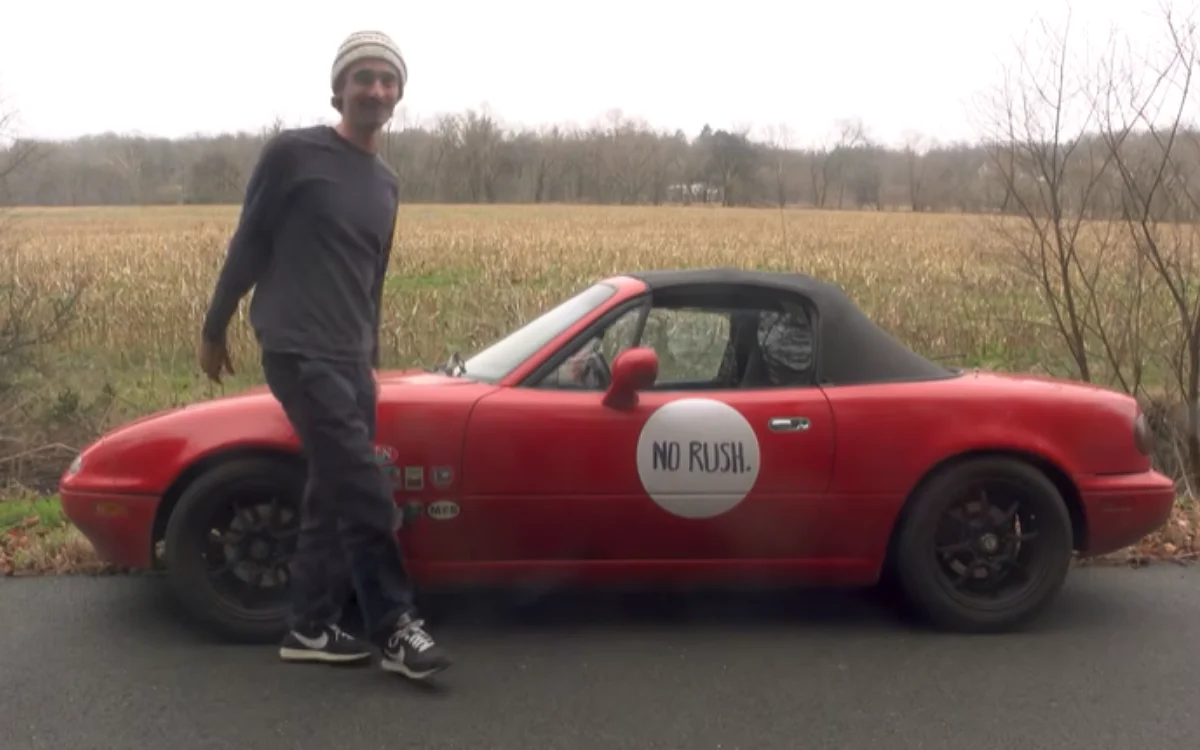
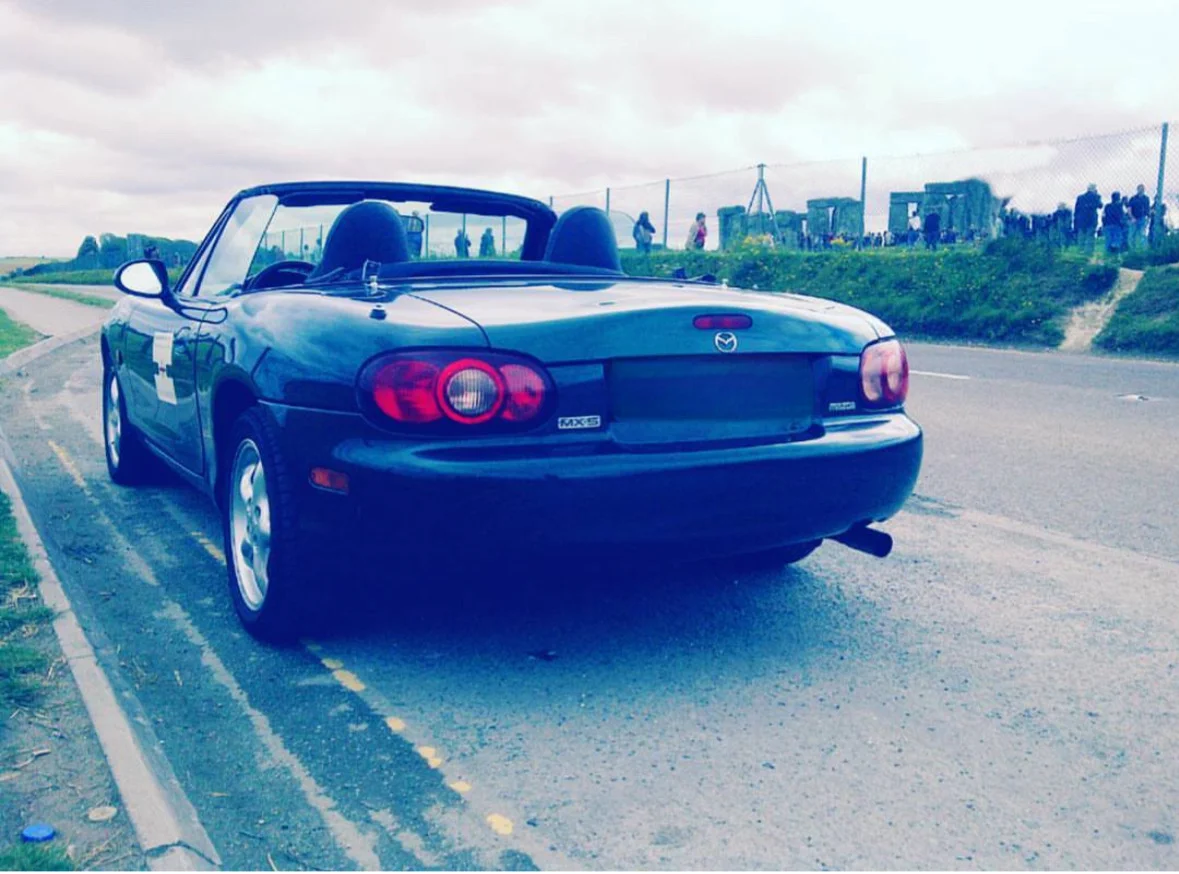
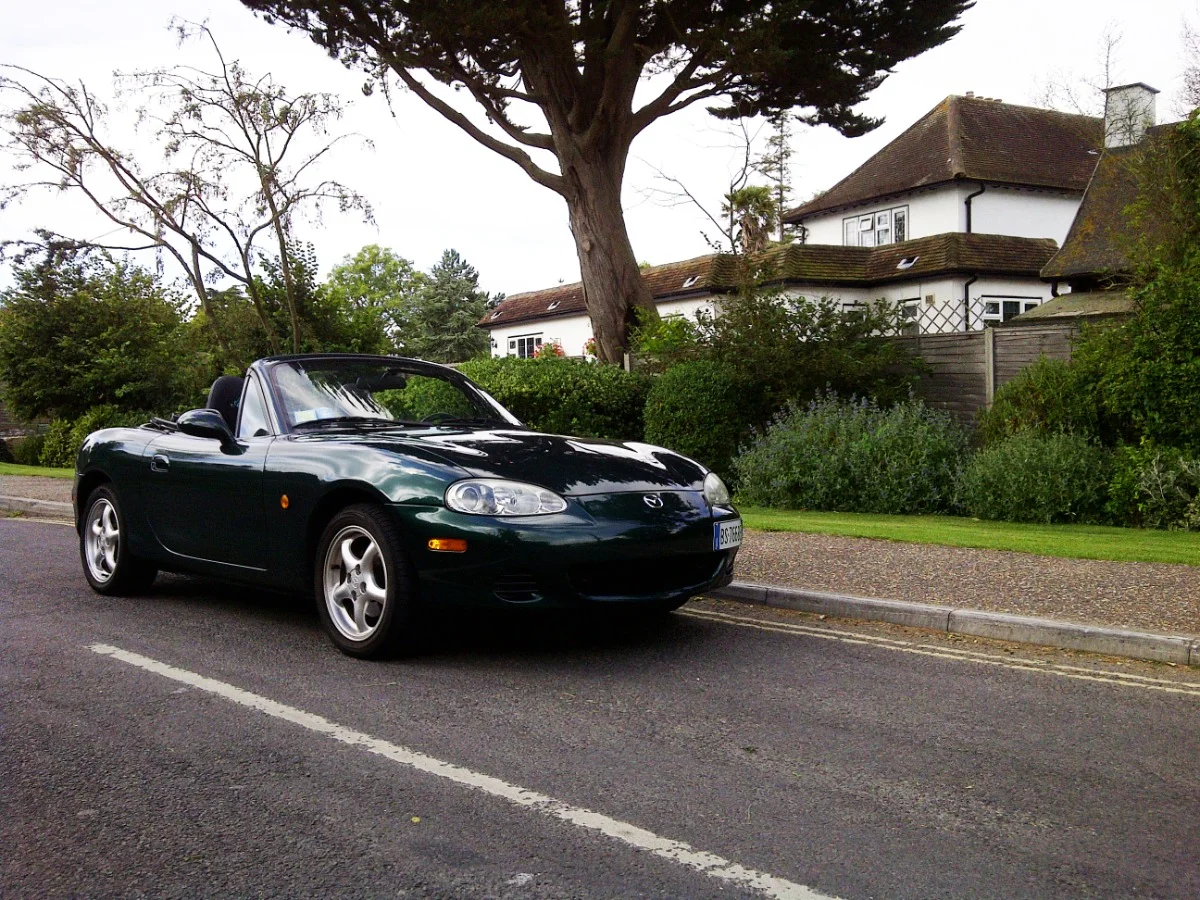
The Mazda MX-5 is a simple, no-nonsense, lightweight sports car.
It’s fun, agile, and easy to drive.
It’s also easy and cheap to maintain.
For about 18 months, I ran both an MX-5 and an RX-8 and put around 12,000 miles on the MX-5 and 20,000 on the RX-8.
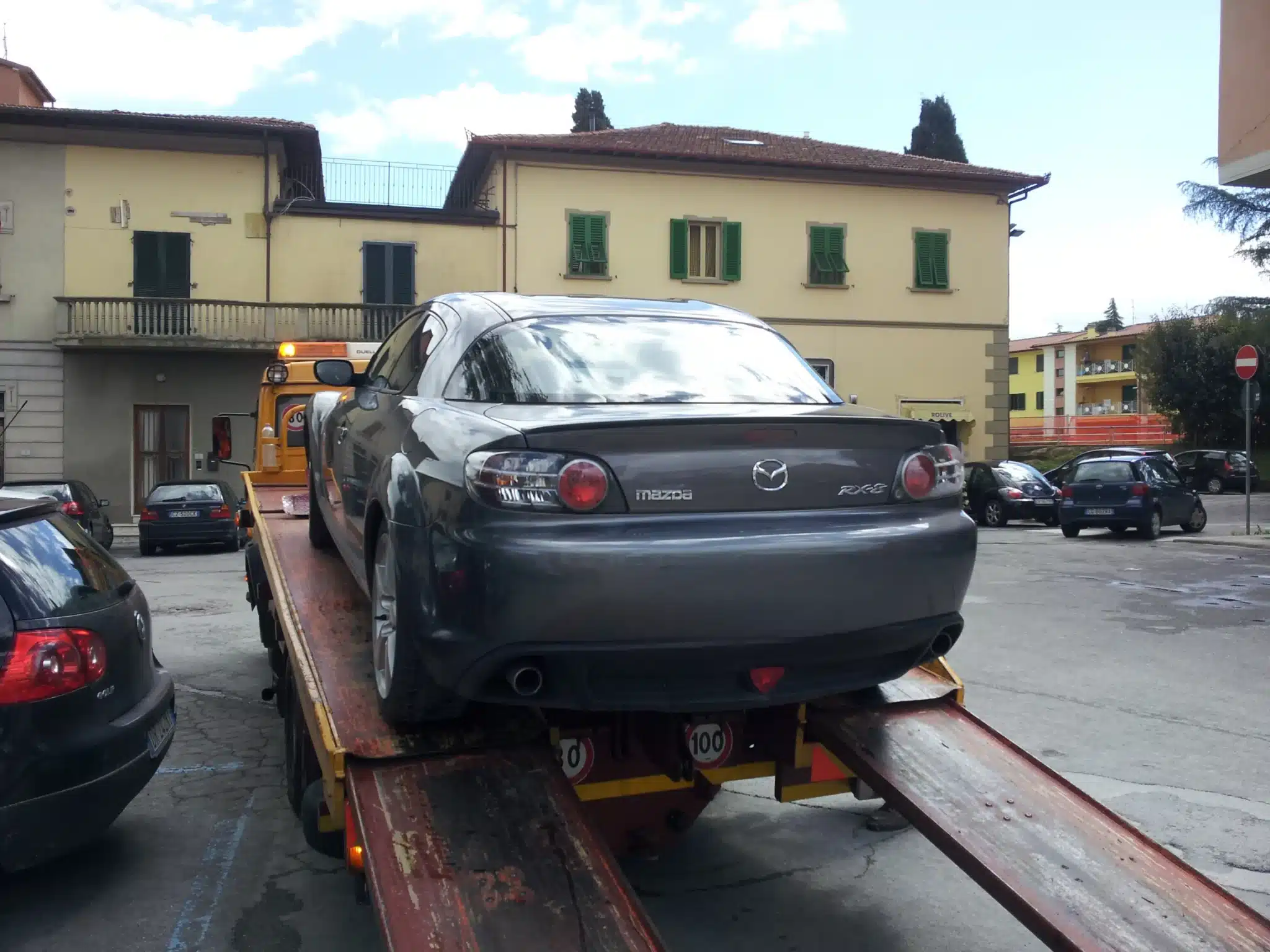
I drove the RX-8 more because it was more comfortable, more practical, faster, and probably a bit more stylish.
But it was also a lot less reliable, not to mention the rotary engine was far hungrier for fuel and oil.
The MX-5 was equipped with a 1.6-liter, 110-horsepower four-cylinder engine.
By contrast, the RX-8 used the infamous rotary engine, sometimes known as the Wankel engine.
It’s a 1.3-liter powertrain with two rotors instead of cylinders, producing 228 horsepower.
The MX-5 is more economical than some modern cars
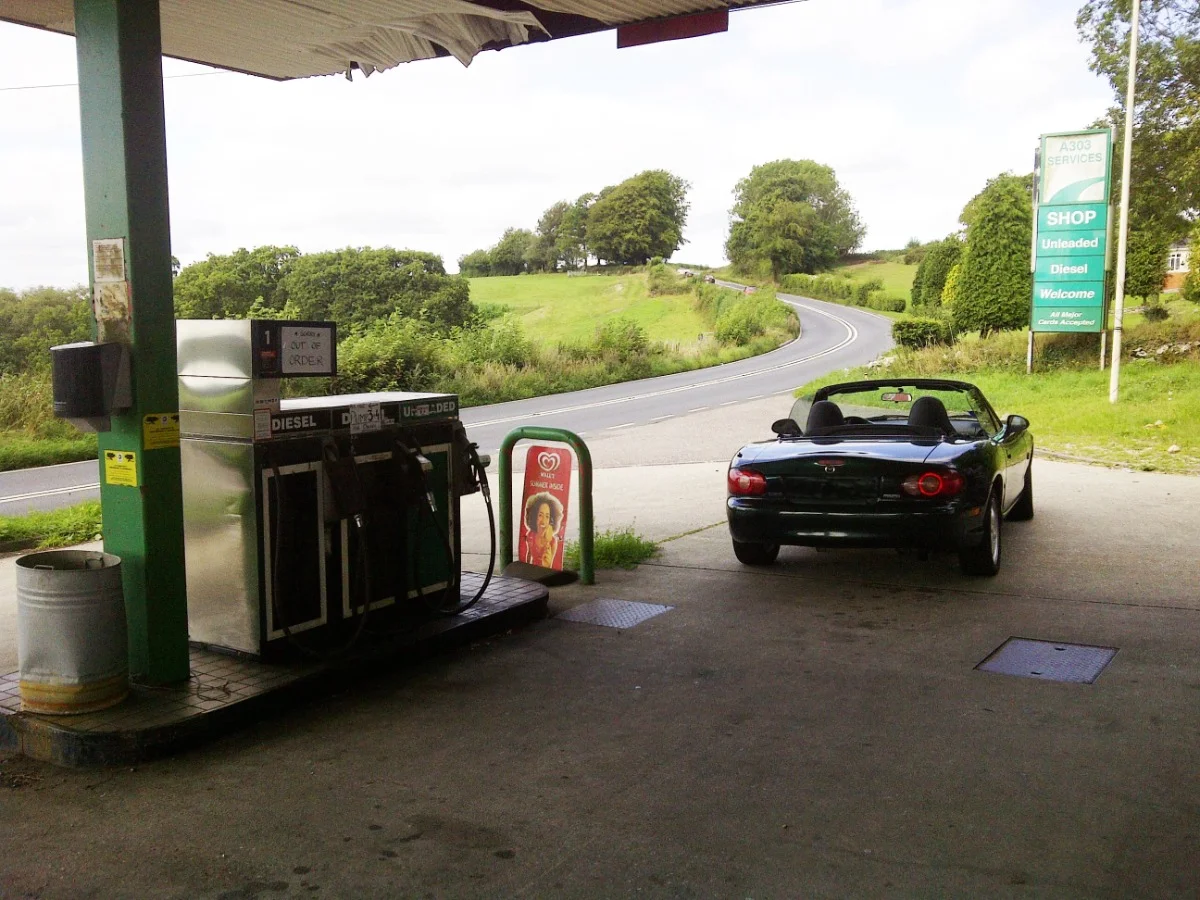
Because of its lightweight construction and its simple, non-turbocharged engine, the MX-5 could easily do 35 or 36 mpg.
The tank was pretty small, but visits to the gas station were still something you wouldn’t have to worry about for miles.
By contrast, the RX-8, on paper, was rated at around 18-20 mpg, but that’s rich.
In reality, mine never did better than 15 or 16.
And if I felt particularly enthusiastic, that dropped down to 14 mpg.
Now, this was a while back, so doing ‘period-correct’ math would require some pretty fruitless mental gymnastics.
But this is 2026, and in 2026, let’s imagine I covered 12,000 miles (MX-5) and 20,000 miles (RX-8) over the last 18 months.
That works out to a grand total of $1,380 in fuel (national average) for the MX-5 and $5,210 for the Mazda RX-8.
And that’s before we consider oil consumption.
In most cars, the oil level is something you have to worry about on a yearly basis.
In an RX-8, it’s almost on a weekly basis.
Alessandro is an automotive journalist with 10 years of experience covering supercars, automotive history, emerging vehicle technology, and luxury transportation. He wrote the first article published on SupercarBlondie.com when the website launched in 2022 and has since built a reputation for insightful reporting across the automotive and transportation industries. His expertise is grounded in hands-on experience. Alessandro has driven every Tesla model ever produced, from the original Roadster to the Cybertruck, and regularly covers the latest developments in electric vehicles and automotive innovation. His passion for transportation extends beyond cars, he has even flown a Boeing 787 Dreamliner simulator in Addis Ababa, Ethiopia. His reporting spans everything from classic American muscle cars and rare automotive discoveries to luxury yachts, private aircraft, high-end watches, and cutting-edge vehicle technology. Known for his deep knowledge of automotive history and ability to uncover the stories behind iconic vehicles, Alessandro brings readers a blend of historical context, technical expertise, and first-hand experience.