McLaren unveils its first manual supercar for 34 years and it reworks its founder's 1960s road car idea that never made it to production
Published on Aug 14, 2026 at 12:28 PM (UTC-4)
by Daisy Edwards
Last updated on Aug 20, 2026 at 4:51 AM (UTC-4)
Edited by
Mason Jones


McLaren has unveiled its first manual supercar in 34 years, and it has reached deep into its history to bring the idea to life.
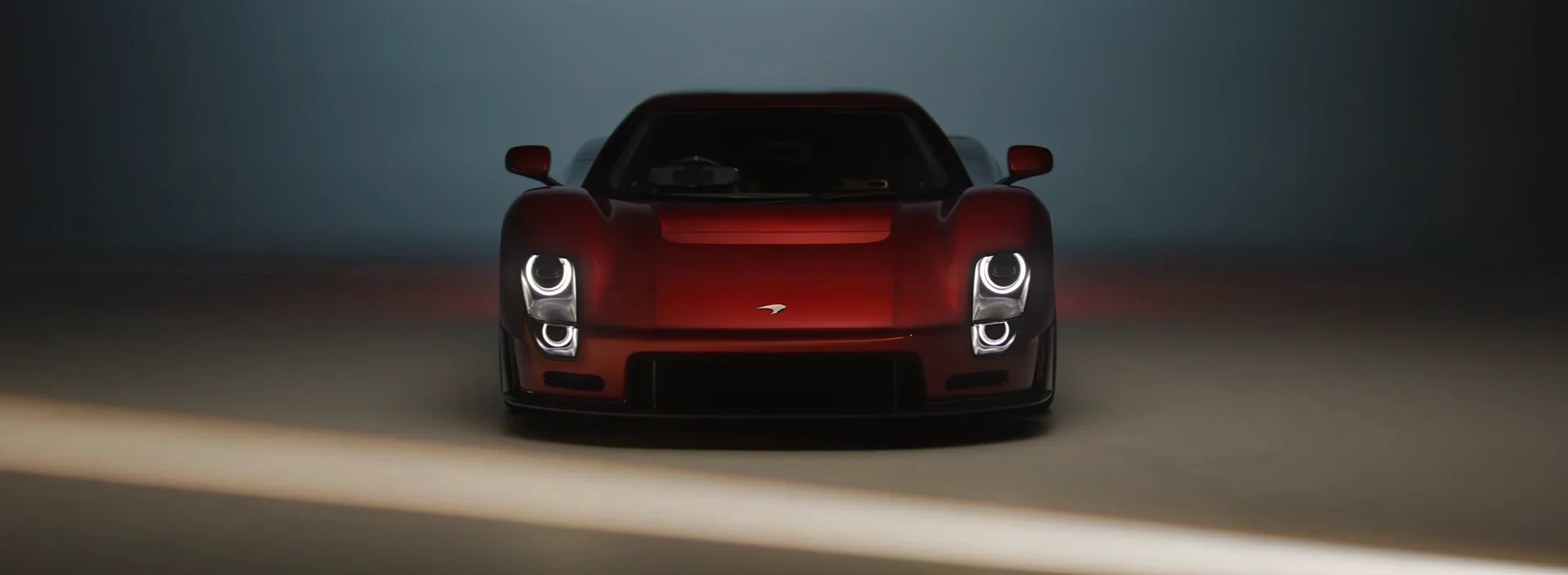
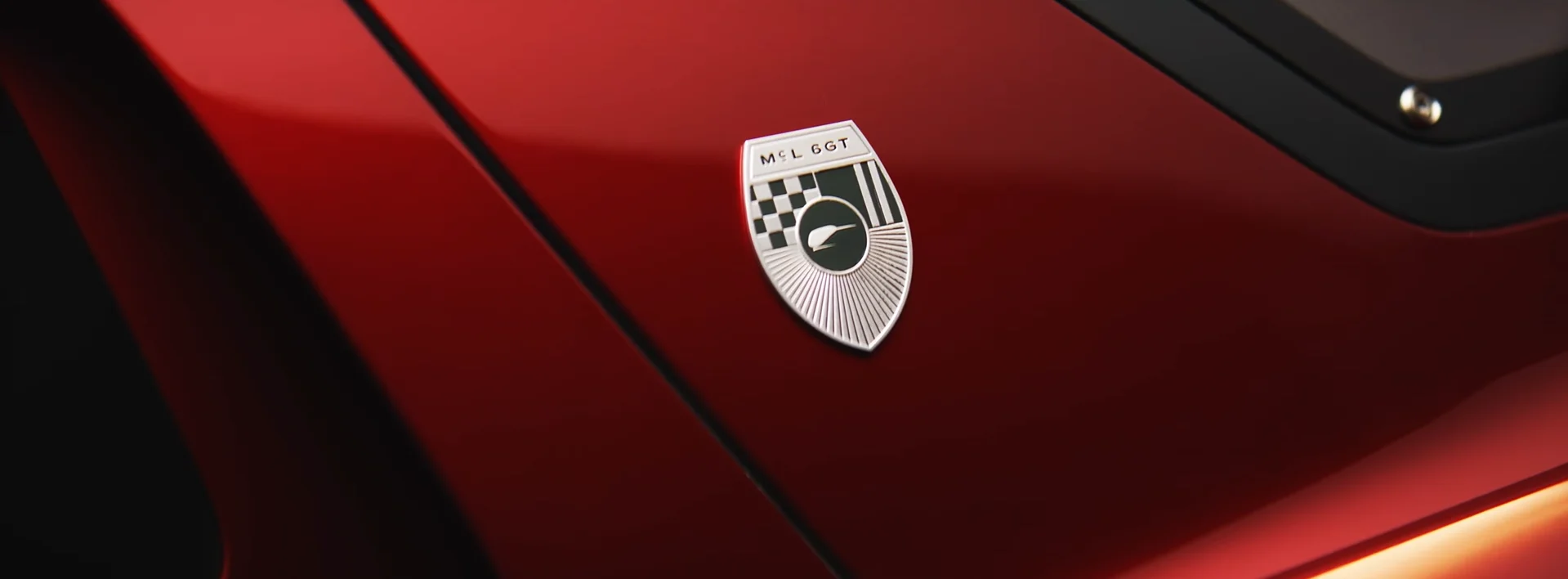
The new McL 6GT is a seriously striking machine that takes inspiration from a road car dream created by founder Bruce McLaren in the late 1960s.
It combines that old-school inspiration with a carbon-fiber construction, V8 power and a six-speed manual gearbox.
And while this is currently being shown as a concept, a production version is expected to arrive in 2028.
The first manual McLaren supercar in 34 years
If you were hoping McLaren had finally decided to bring back the good old-fashioned manual gearbox, there is some very good news.
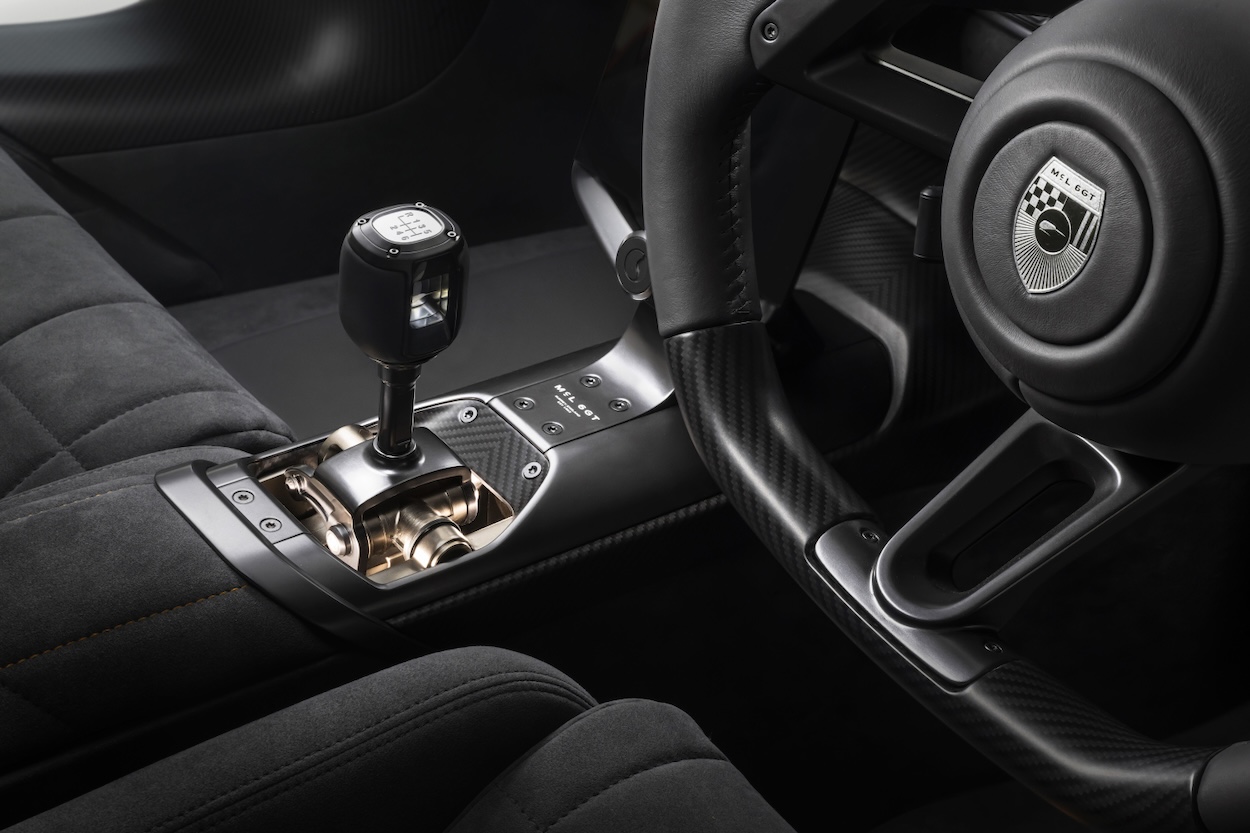
The McL 6GT is the first McLaren road car with a proper manual transmission since the legendary F1 arrived in 1992.
That means the brand has gone 34 years without putting a clutch pedal and traditional gear lever into one of its supercars, and the brand has clearly leaned into the idea.
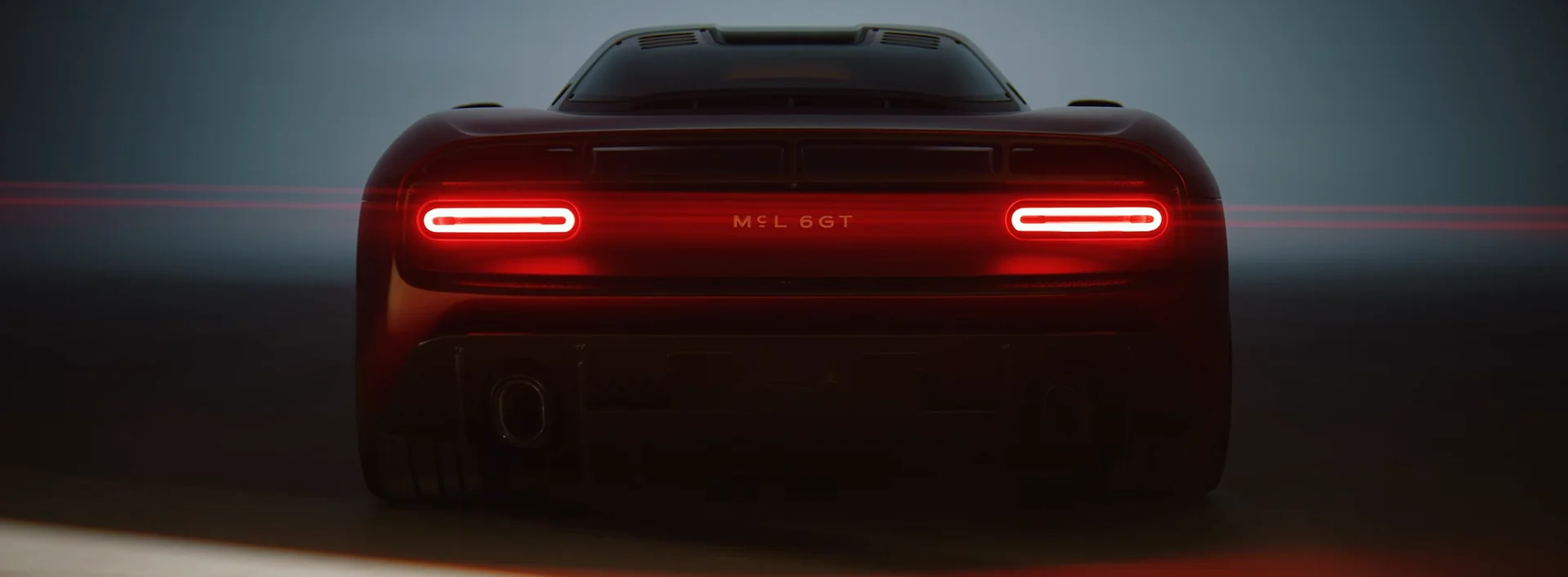
It also gets hydraulic steering, tactile controls, and plenty of visible mechanical details, all designed to make the driving experience feel as physical as possible.
Even the gear shifter has been given the full McLaren treatment, with the company saying it has been engineered to deliver maximum feel and throw.
There is also a 3D Speedy Kiwi logo incorporated into the shifter, a nod to Bruce McLaren’s New Zealand heritage.
Related

How the McL 6GT reworks a 1960s road car idea
The really interesting part of the McL 6GT is where its inspiration came from.
Back in the late 1960s, Bruce McLaren wanted to turn his M6A Can-Am race car into a road-going sports car.
The resulting M6GT was an ambitious attempt to create a McLaren road car at a time when the company was primarily known for racing.
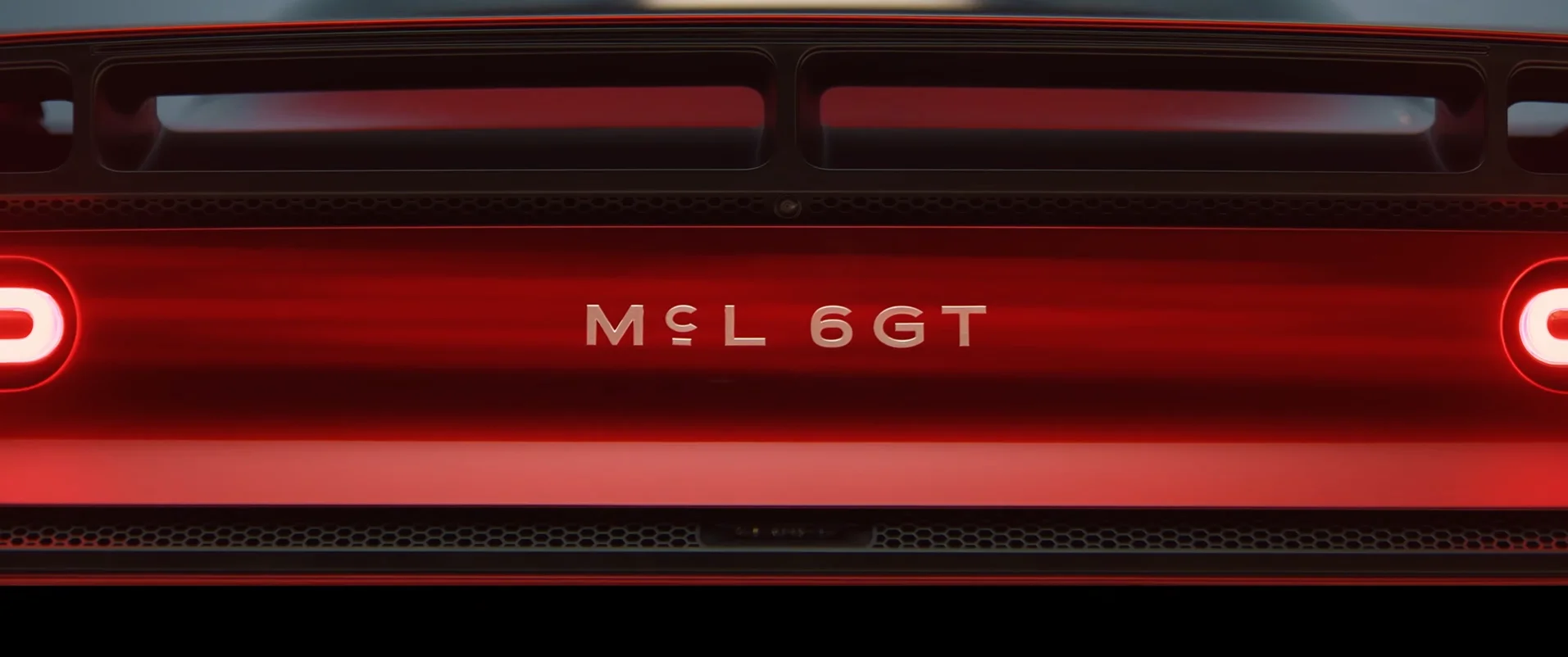
Bruce actually built a road-going version, but the project never became the production car he had envisioned – his death in 1970 ultimately brought the road-car project to an end.
Now, more than half a century later, McLaren is effectively finishing the idea.
The McL 6GT has a noticeably different look from the company’s current supercars, with a low and wide body, a smooth roofline and a Kamm-style rear end.
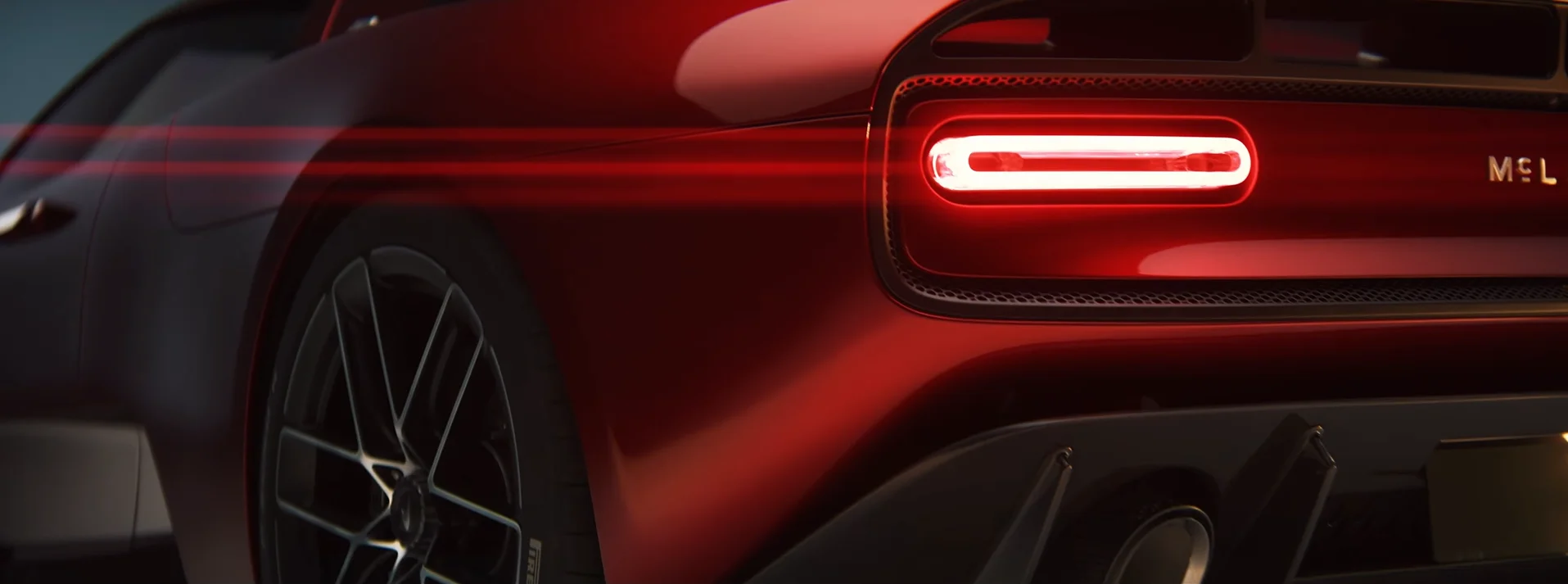
There are also clear visual links to the original M6GT, although the new car is packed with modern aerodynamic and engineering technology.
Inside, the retro-meets-modern approach continues with digital instruments, quilted upholstery, exposed carbon fiber, and that wonderfully old-school manual gearbox.

McLaren says the production version will arrive in 2028 and will sit outside its regular range as a highly exclusive new type of supercar.
So after 34 years, McLaren is bringing back the manual gearbox – and it is doing so by finally giving its founder’s unfinished road-car dream a modern sequel.
Daisy is a technology and automotive journalist covering artificial intelligence, consumer tech, Apple news, cryptocurrency, emerging technologies, and transportation innovation. Since joining the team in 2025, she has reported on everything from AI-powered startups and major iOS updates to viral car stories and the latest developments shaping transportation and the digital economy. Drawing on her background in automotive journalism and a degree in History and Journalism from Goldsmiths, University of London, Daisy specializes in breaking down complex topics into clear, engaging reporting for a global audience. Her work spans cutting-edge technology, innovative vehicles, and the people driving change across both industries. Daisy has gained first-hand access to some of the world's most talked-about technologies and innovators, including meeting Tesla's Optimus humanoid robot during its first European appearance in London. She has also discussed the future of space exploration with an astronaut, bringing unique insights and real-world perspectives to her coverage of emerging technology.