Ferrari just invented a new gearbox for the 12Cilindri that's both manual and automatic
Published on Jul 06, 2026 at 4:41 AM (UTC-4)
by Alessandro Renesis
Last updated on Jul 20, 2026 at 11:47 AM (UTC-4)
Edited by
Alessandro Renesis
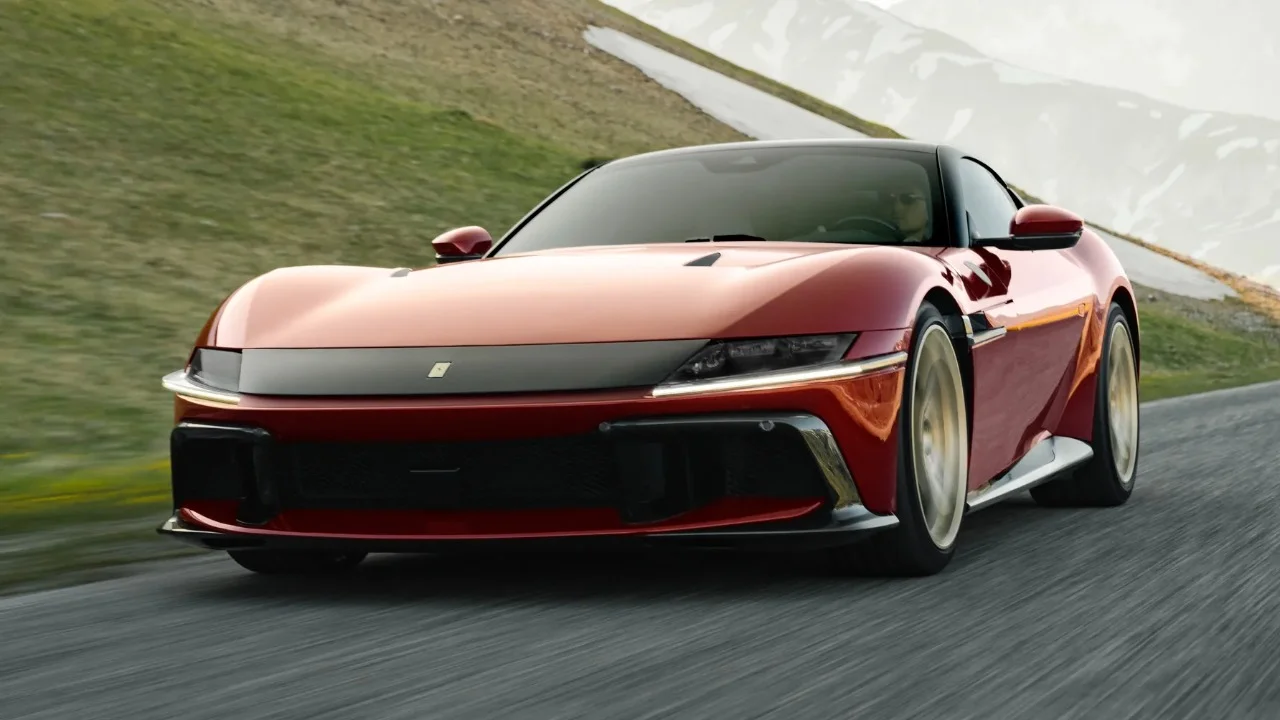

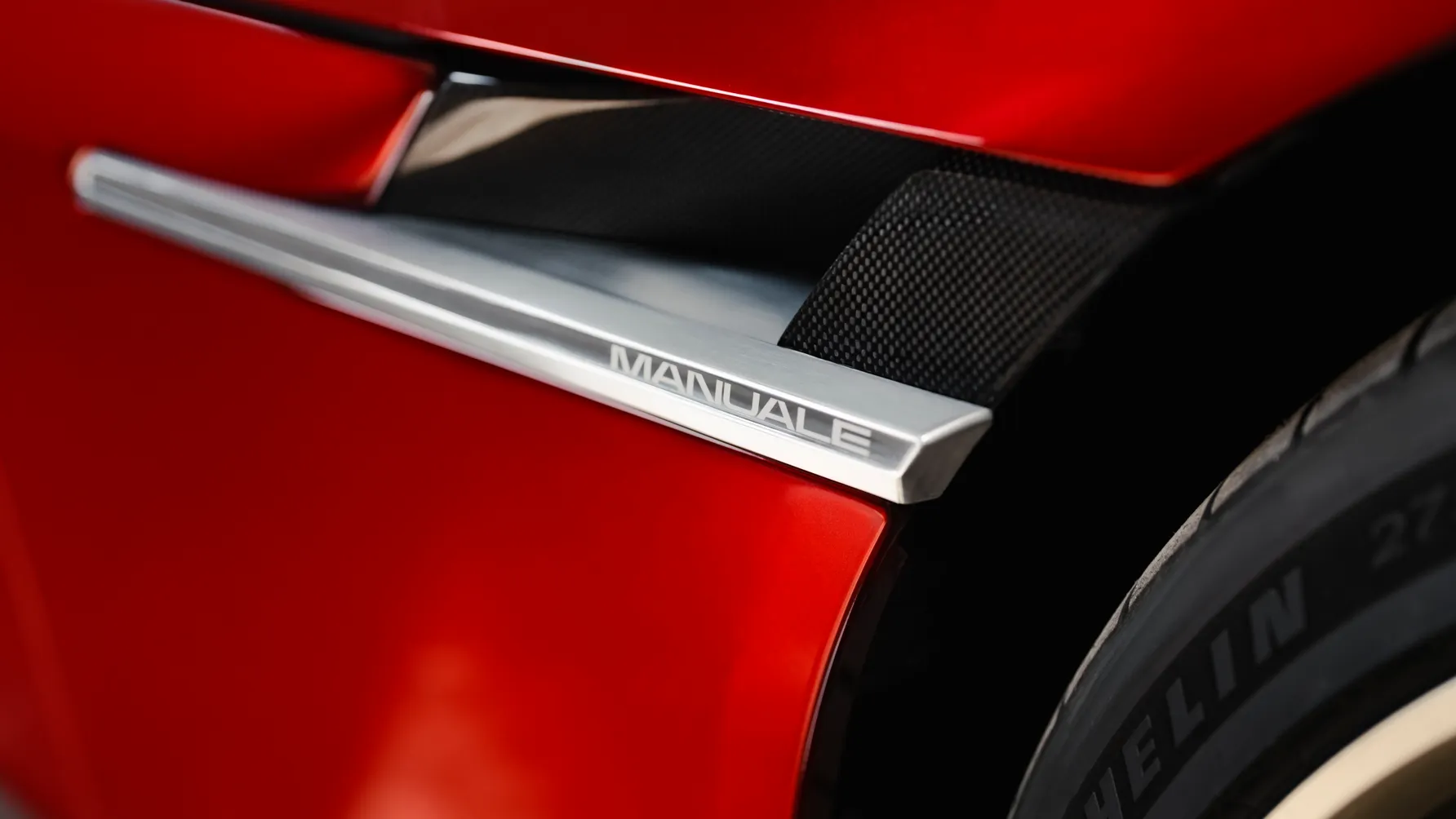
Ferrari has created and patented an incredible new transmission system for its V12 supercar, the Ferrari 12Cilindri Manuale.
This is Ferrari’s first three-pedal car in 14 years, and to mark the occasion, it did something big.
From an engineering standpoint, this gearbox is a game changer.
But there’s an elephant in the room that must be addressed.
The new Ferrari 12Cilindri Manuale has both a V12 and a manual gearbox
We’re not sure whether this is just a coincidence or something they’ve done by design, but Ferrari brought back its first new V12 supercar with a manual just a couple of months after the launch of the Luce.
Purists, by definition, always want whatever we had yesterday because they think it’s better than what we’ll have tomorrow.
But when you look at recent history, these transitions have always been gradual.
It doesn’t feel gradual now.
In the space of 10 to 15 years, we’ve gone from engine-driven vehicles with V8s, V12s, and complicated gearboxes, to transmission-less, engine-less, software-driven cars.
A modern car has more in common with a smartphone than with a vehicle from 20 years ago.
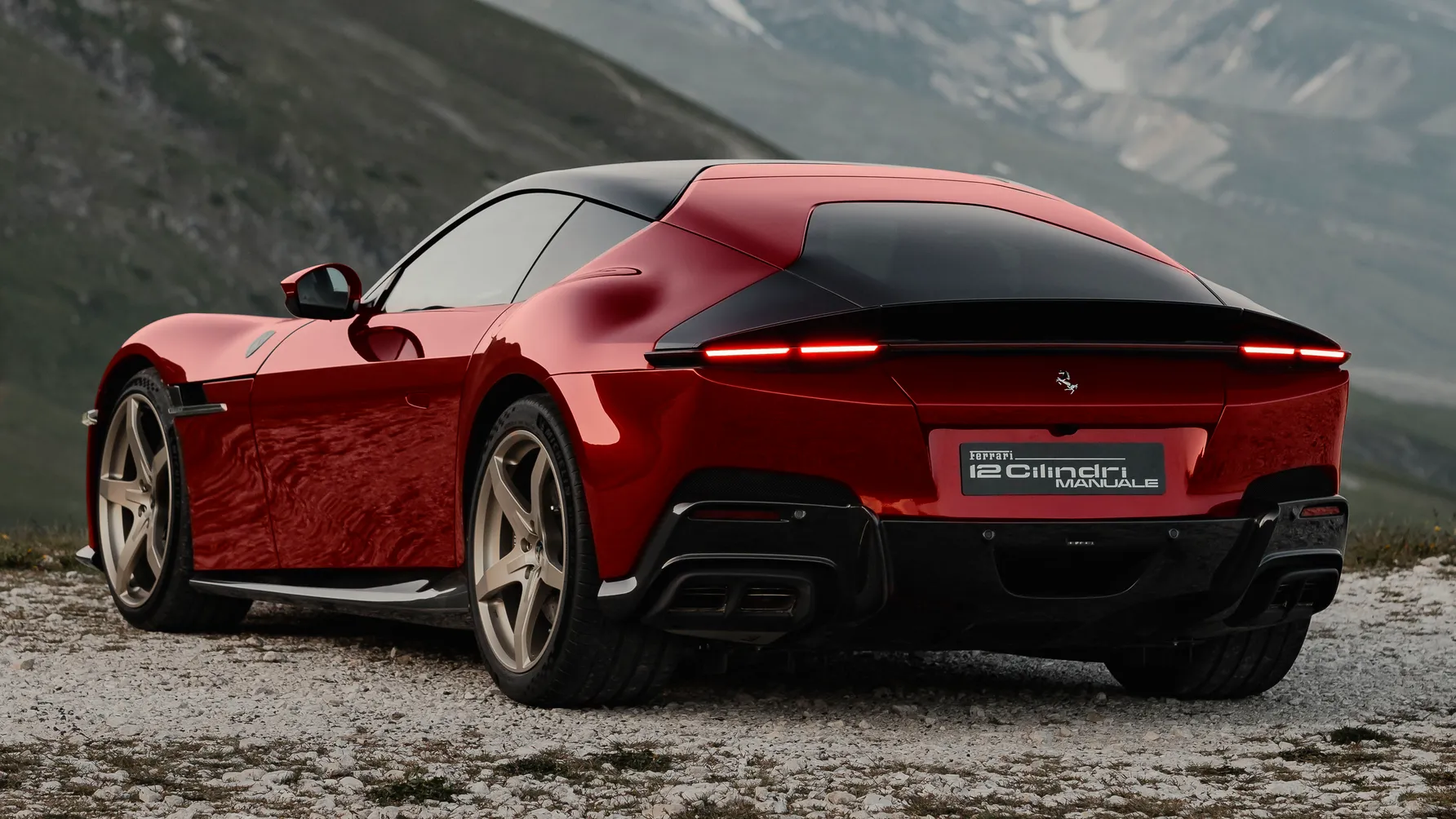
That’s why the 12Cilindri Manuale feels like a breath of fresh air.
It has a ‘real’ engine, an 830-horsepower V12, and a ‘real’ gearbox.
Except this manual gearbox isn’t actually ‘real’.
Related

Here’s why Ferrari’s new gearbox is a marvel of engineering
In theory, the Ferrari 12Cilindri Manuale features both an automatic and a manual transmission.
In practice, it’s still fitted with the same 8-speed dual-clutch automatic transmission as the ‘standard’ car.
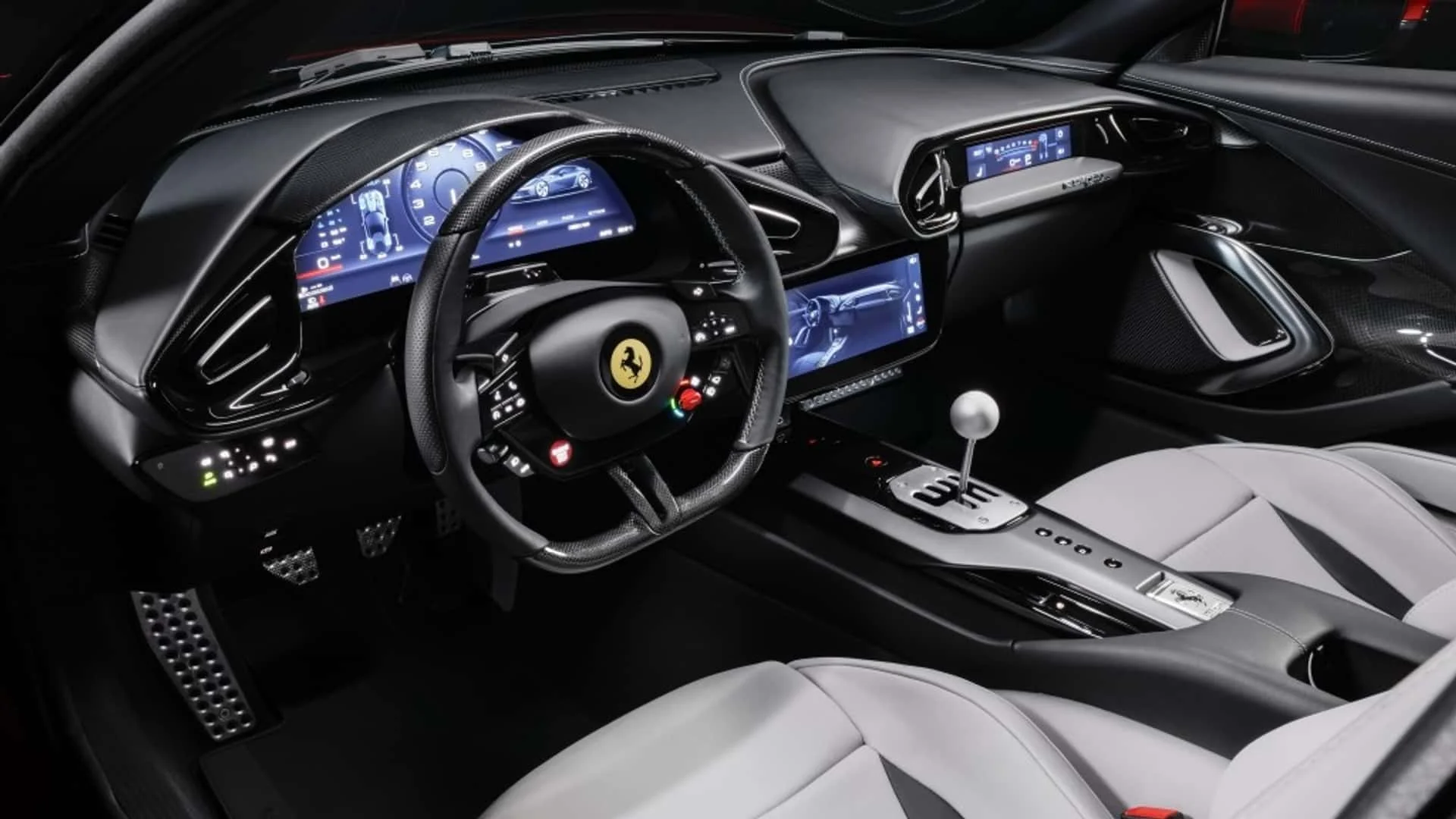
When you open the 12Cilindri Manuale’s door, you’ll find a gated shifter and three pedals, but there are no mechanical cables or linkages connecting the shifter to the gearbox.
Instead, Ferrari invented a by-wire system that simulates a manual transmission perfectly.
When you shift into gear, sensors read your hand and foot movements by-wire, translating them to the automatic clutch packs.
The shifter physically clicks against the gates, the clutch pedal requires a heavy 30 lbs of force, and you can actually stall it or drop the clutch if your timing is bad.
However, it is all electronic because none of that is actually happening mechanically.
Interestingly but not surprisingly, the car is actually slower in manual mode.
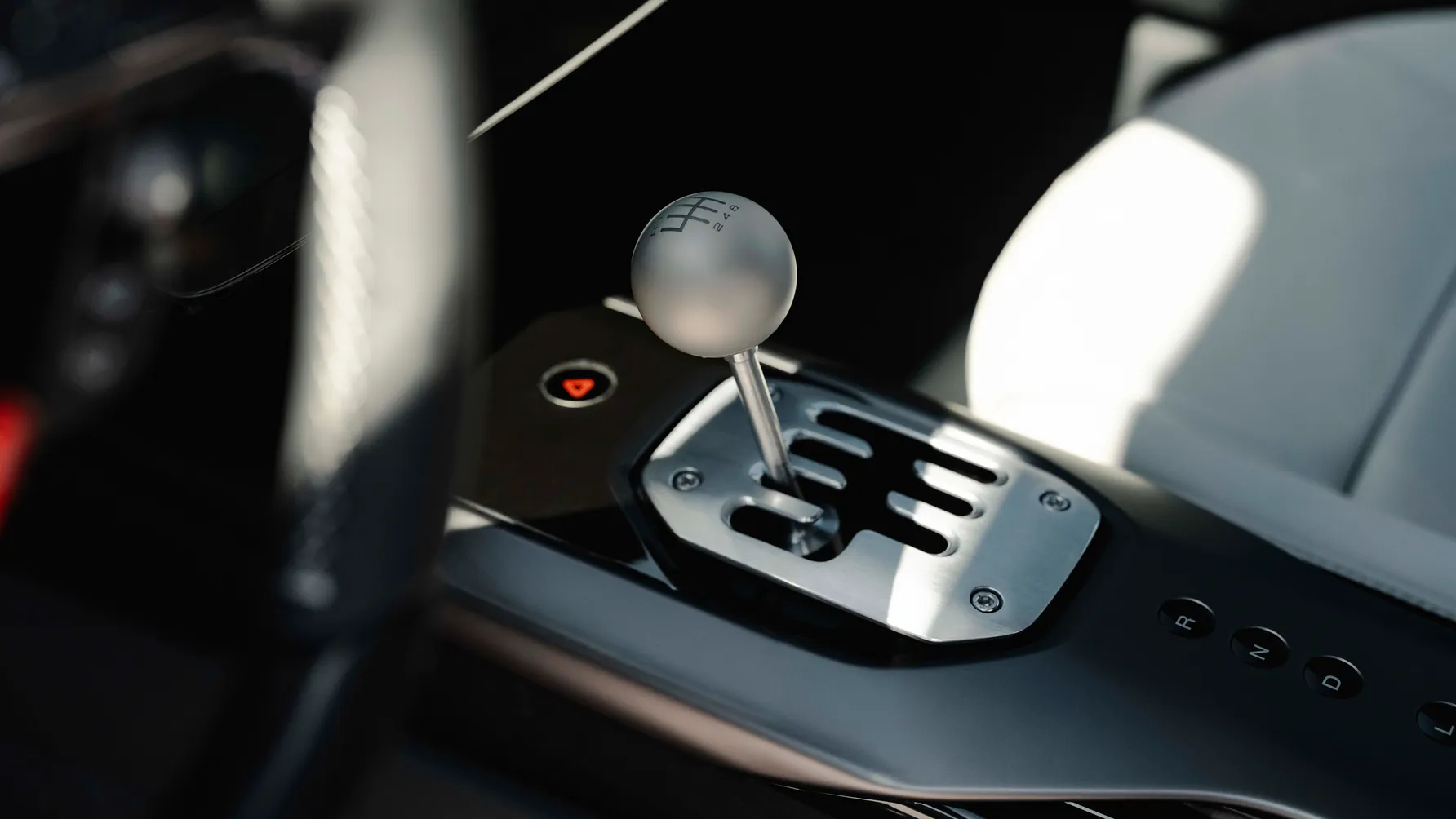
This is partly because a dual-clutch transmission is always faster than a manual transmission, but also because manual mode only uses gears 1 through 6.
In automatic mode, the car will hit 62 mph in 2.9 seconds, and the top speed is 211 mph.
Production is limited to 1,499 units, with an MSRP of around $700,000.
Deliveries begin in early 2027, but the car is already effectively sold out.
Is powering mechanical systems with smart electronics good or bad?
The ABS, traction control, steer-by-wire, dual-clutch transmissions, and now this new Ferrari ‘by-wire’ manual.
These are all examples of mechanical systems being powered or controlled by electronics.
Is that a good thing or a bad thing?
We asked our resident mechanical engineering expert Simone Bianconi and he shared his view.
“It’s a win-win. Look at ABS: the car’s computer instantly syncs wheel speed with vehicle speed to prevent skidding. The result is flawless, smooth braking every time,” he told Supercar Blondie.
“Purists hate to hear it, and I get it, but ultimately safety is the most important thing. With the extreme speed and torque of modern cars, you need these systems. Otherwise most high-performance cars would be undrivable.”
With exceptions, modern cars have systems that are either difficult or, in some cases, impossible to fully turn off.
This has to do with liability and physics.
Modern high-horsepower or top-heavy vehicles are digitally engineered to stay on the road.
Without those electronic guardrails constantly pulsing the brakes and adjusting torque hundreds of times per second, the average driver wouldn’t stand a chance if the car snapped sideways.
Alessandro is an automotive journalist with 10 years of experience covering supercars, automotive history, emerging vehicle technology, and luxury transportation. He wrote the first article published on SupercarBlondie.com when the website launched in 2022 and has since built a reputation for insightful reporting across the automotive and transportation industries. His expertise is grounded in hands-on experience. Alessandro has driven every Tesla model ever produced, from the original Roadster to the Cybertruck, and regularly covers the latest developments in electric vehicles and automotive innovation. His passion for transportation extends beyond cars, he has even flown a Boeing 787 Dreamliner simulator in Addis Ababa, Ethiopia. His reporting spans everything from classic American muscle cars and rare automotive discoveries to luxury yachts, private aircraft, high-end watches, and cutting-edge vehicle technology. Known for his deep knowledge of automotive history and ability to uncover the stories behind iconic vehicles, Alessandro brings readers a blend of historical context, technical expertise, and first-hand experience.