McMurtry Spéirling Pure fan car uses banned F1 technology to hit 60mph in 1.4 seconds and it's nearly available
Published on Jul 02, 2026 at 7:46 AM (UTC-4)
by Ben Thompson
Last updated on Jul 14, 2026 at 4:43 AM (UTC-4)
Edited by
Kate Bain
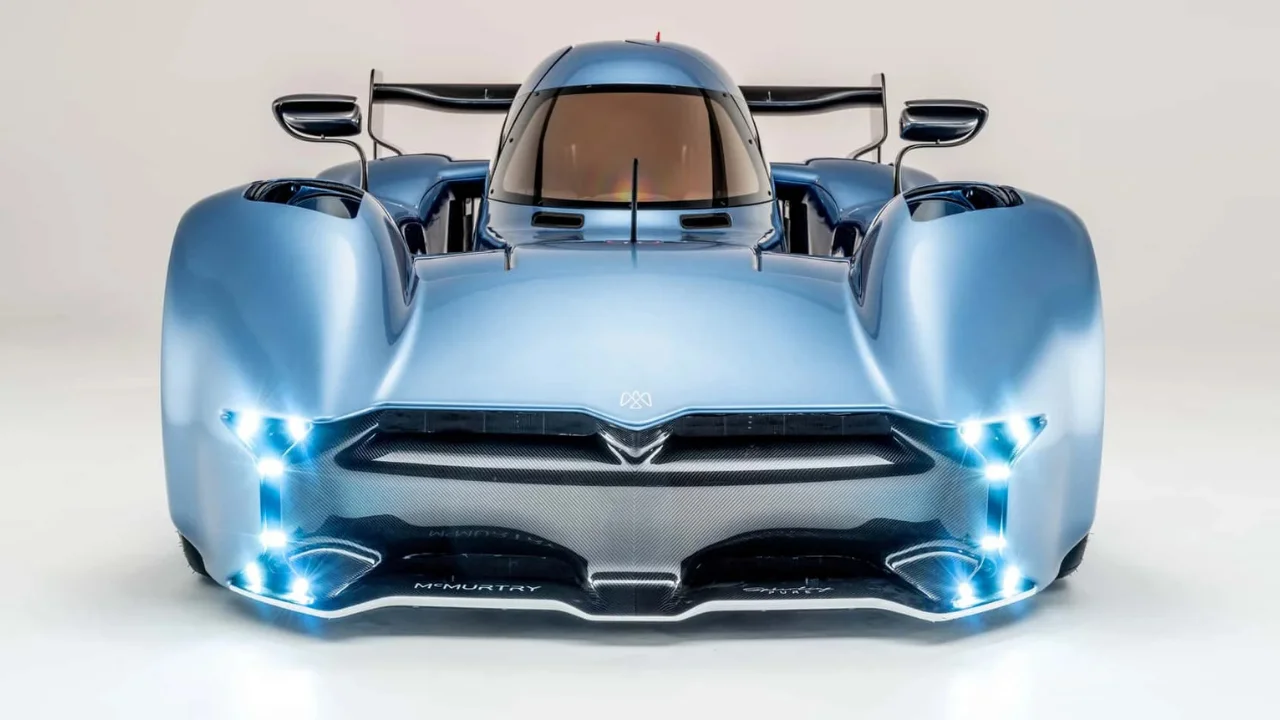

McMurty Automotive is nearly ready to produce the Spéirling Pure, which uses banned F1 technology to hit 60mph in 1.4 seconds.
Those figures really do have to be seen to be believed, but fortunately we don’t have to wait for much longer.
The production version of the automaker’s electric hypercar, just 100 examples, are set to be delivered towards the end of 2026.
And whoever gets their hands on one is going to be one lucky driver.
The Spéirling Pure packs a whole lot of power
With reports indicating the Spéirling Pure could hit 60mph in 1.4 seconds, that would put it ahead of other hypercars on the market.
The second-place spot would go to the Rimac Nevera, beaten out by a mere half second.
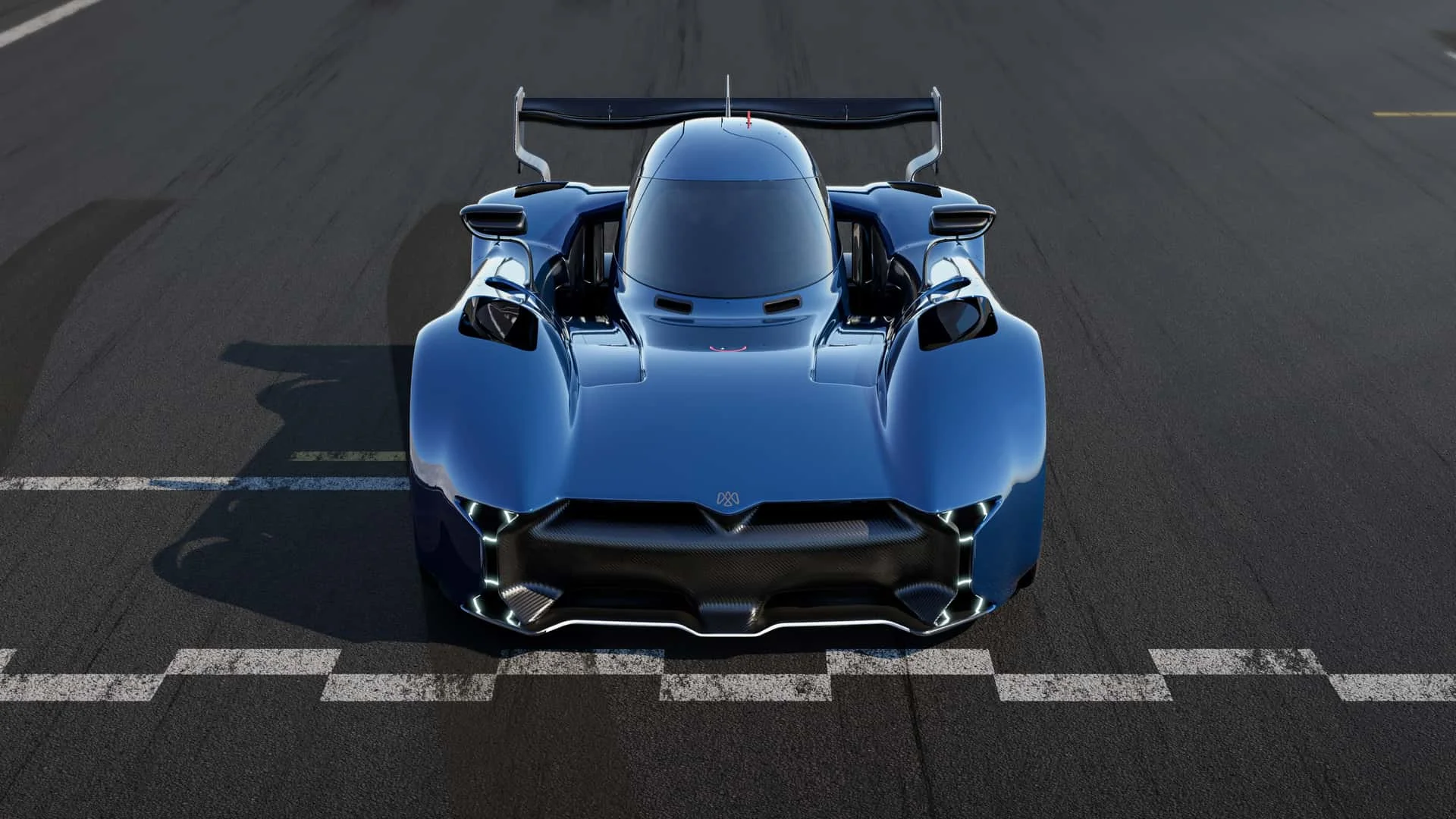
Weighing in at 1,000kg and producing roughly 1,000 horsepower from electric motors, this is a hypercar that packs a serious punch.
Around 95 percent of the components of this car are brand new, compared to the prototype.
To what does it partly owe its success on the road?
This is where things get extra interesting.
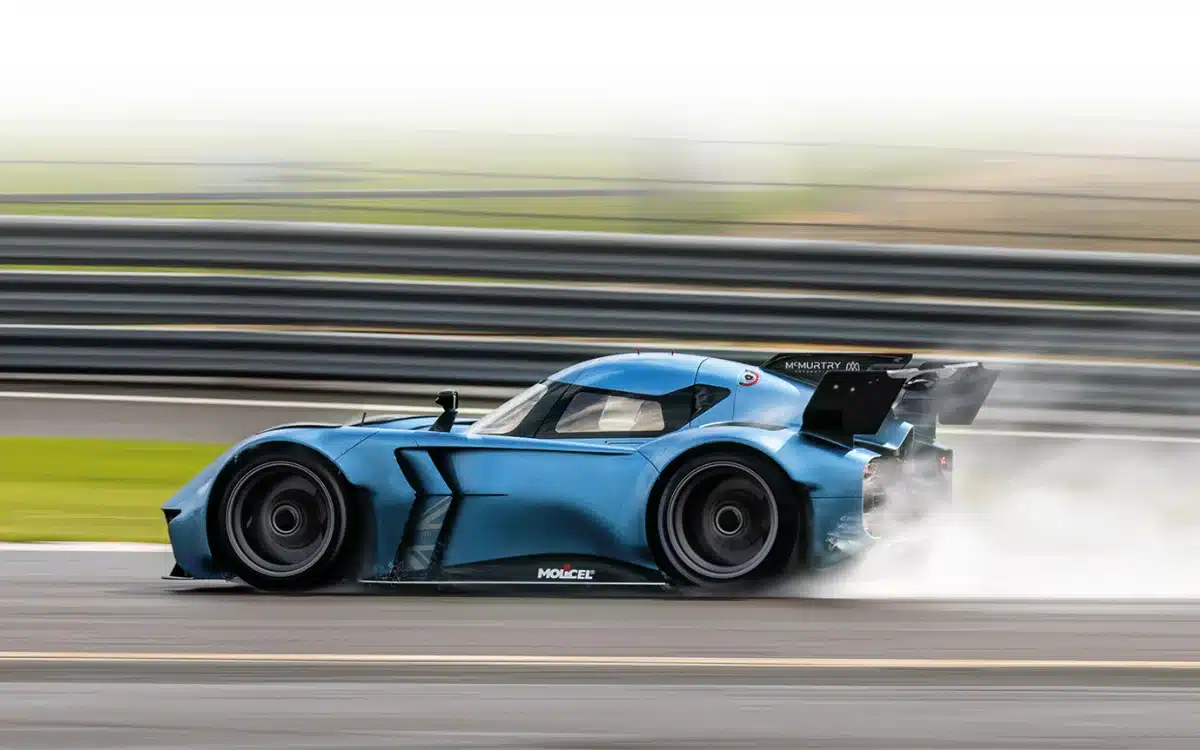
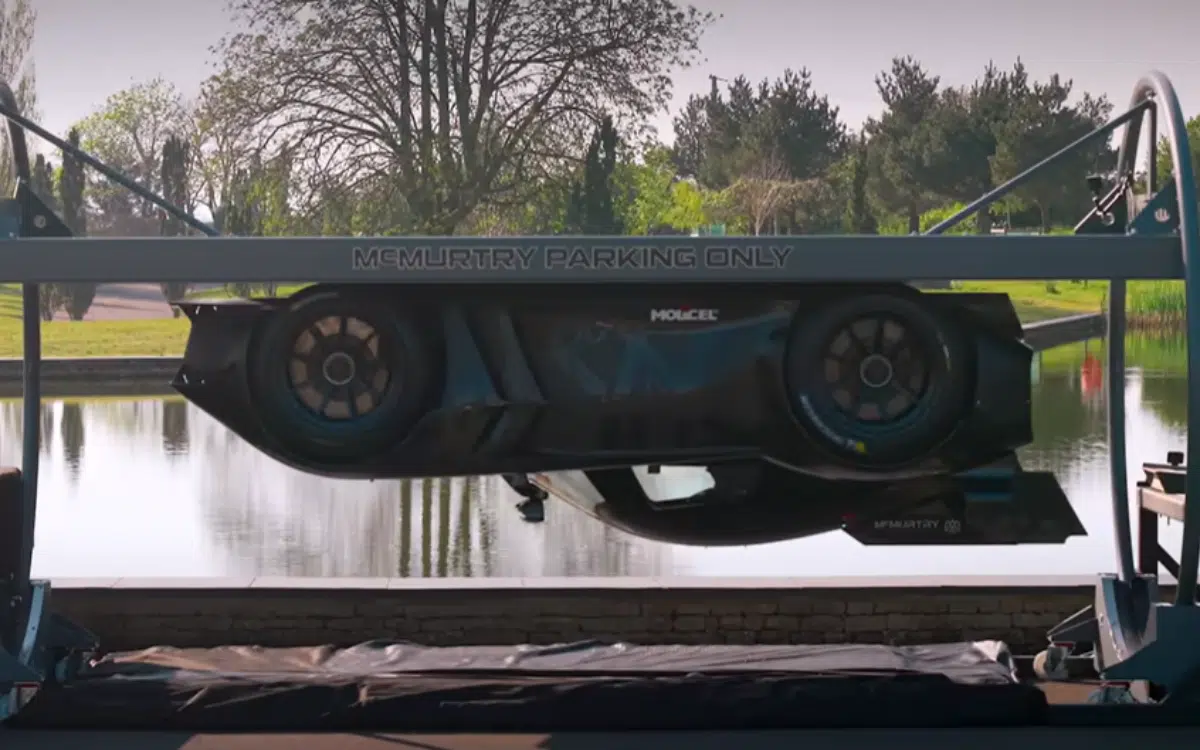
The technology at the heart of this hypercar was banned in F1
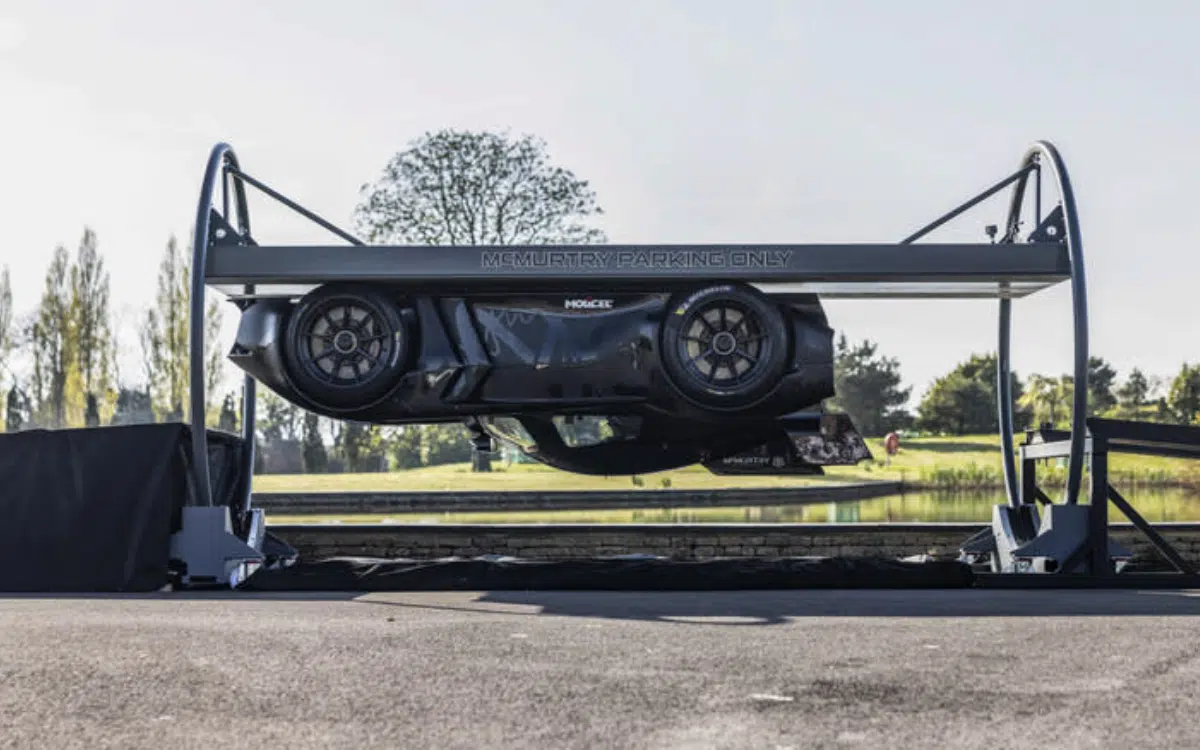
A pair of fans are mounted underneath the car, generating up to 2,000kg of downforce before the car has even moved an inch.
As a result, the Spéirling Pure is effectively sucked to the ground, reducing its aerodynamic drag, and creating a whole lot of downforce.
This technology was first used back in the 1970s by the Brabham BT46, a F1 racing car designed by Gordon Murray.
The car with a fan only raced once at the Formula One World Championship, securing Niki Lauda a victory at Anderstorp.
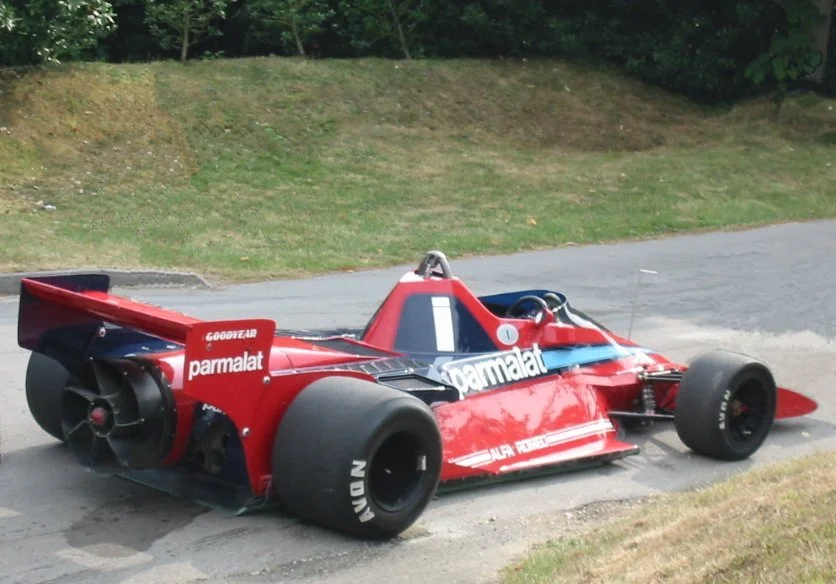
The ‘fan car’ would be withdrawn by Brabham, even though the FIA had ruled it could be used for the remainder of that season.
To make a long story short, it was withdrawn due to a lot of internal politics and concerns from other teams over the fan technology could cause issues at the Formula One Constructors’ Association.
At any rate, the Commission Sportive Internationale would declare that fan cars would not be allowed to compete going forwards.
But nearly 50 years later, the technology is getting a new lease on life, thanks to McMurtry Automotive.
“The technology lay dormant until our co-founders Sir David McMurtry and Thomas Yates began to harness and modernize it 10 years ago,” a representative for McMurtry Automotive said.
“They wanted to give their small prototype car F1-beating performance to launch the McMurtry brand onto a global stage. But a small car doesn’t offer enough surface area for traditional wings to make meaningful downforce, so they had to think outside the box.
“Years of development on the skirt material and geometry, combined with filtration and fan technology, resulted in the Goodwood record-breaking run and beating that F1 benchmark in a hill-climb.
“Since then its been developed into a patented customer-ready format, with a skirt that can last thousands of kilometres rubbing against the ground!”
If you want a Spéirling Pure for yourself, how much can you expect to pay?
Thomas Yates, McMurtry’s co-founder and managing director, described the Spéirling Pure as ‘significantly more usable’ than the prototype.
But that doesn’t mean it’s any less ‘outrageous’.
“[Customer feedback] helped us turn a record-breaking prototype into an extraordinary and highly usable track car,” he said.
With just 100 slated for delivery at the tail-end of this year, you can expect these cars to be pricey.
Before handling and delivery, you’d be paying $1.32 million.

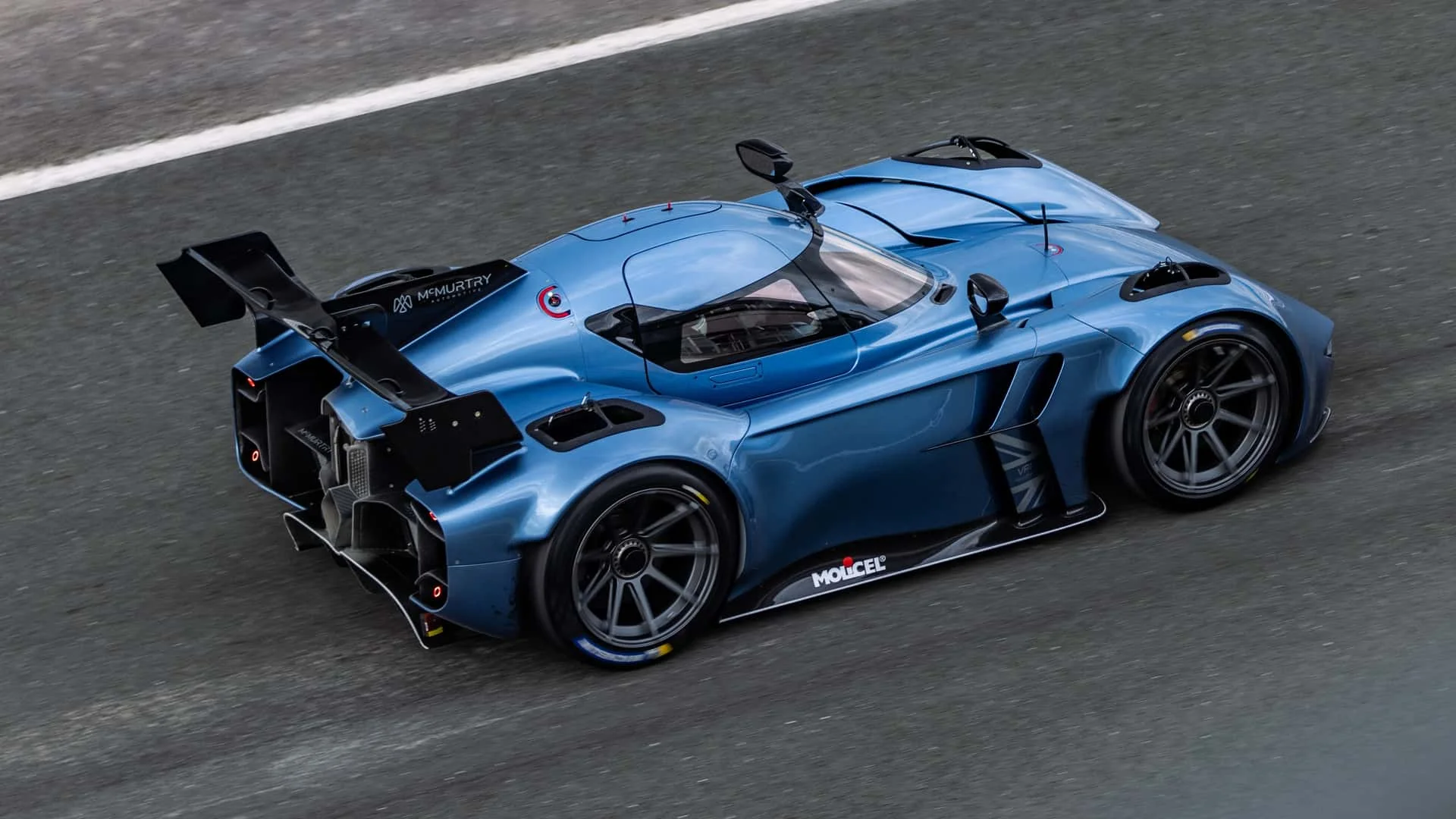
But for a car capable of such awesome power, is this a case of money well spent?
That’s for the consumers to decide, but we very much doubt they’ll be left disappointed.
Until then, you can get a good look at the car when it goes on display at Goodwood Festival between July 9 and 12.
The full production car will debut at The Quail on August 14.
Ben joined Supercar Blondie in February 2025 after being published by international organizations including LADbible, The Sun, the New York Post, and the Daily Mail. He covers supercars, rare and collectible vehicles, aviation, luxury assets, and the fascinating people behind them. His reporting has explored everything from seven-figure supercars and historic Ferrari collections to unusual aircraft adventures and extraordinary automotive discoveries from around the world. Ben has also gained first-hand insight into vehicle craftsmanship and customization, including visiting specialist workshops to see bespoke vehicles up close.