Skilled mechanic solves two-year Jeep Wrangler mystery with one simple fix and puts an end to repair nightmare
Published on Apr 09, 2026 at 3:13 PM (UTC+4)
by Jason Fan
Last updated on Apr 09, 2026 at 3:13 PM (UTC+4)
Edited by
Emma Matthews
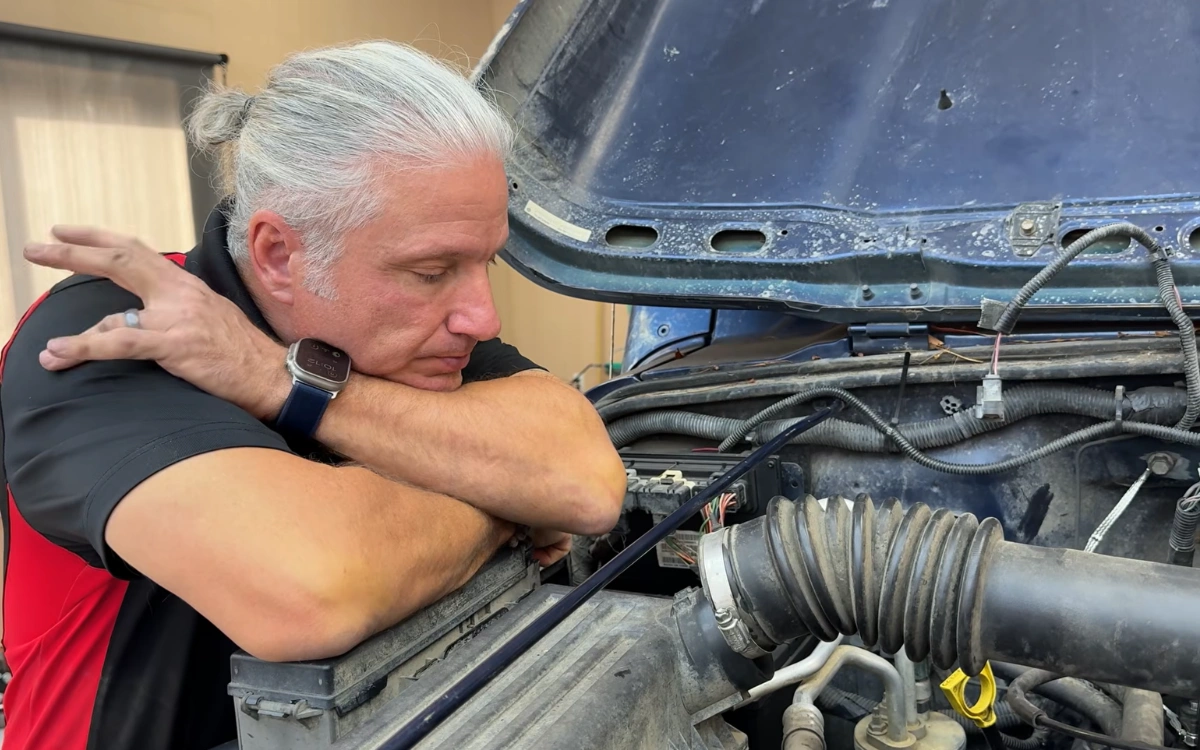

This 2002 Jeep Wrangler arrived with a long list of repairs, none of which solved its core issue.
The owner had already spent thousands chasing a hard-start problem, only for the car to come back worse than before.
But when a skilled mechanic took a closer look, the evidence pointed in a completely different direction.
And it didn’t take long to realize something had gone seriously off track.
The Jeep Wrangler is known for its poor reliability
The trouble began shortly after the man picked up the car in 2024.
Despite having just 138,000 miles, the SUV was overheating and struggling to start consistently.
Wanting to preserve the iconic off-roader, he brought it to a repair shop, expecting a straightforward diagnosis.
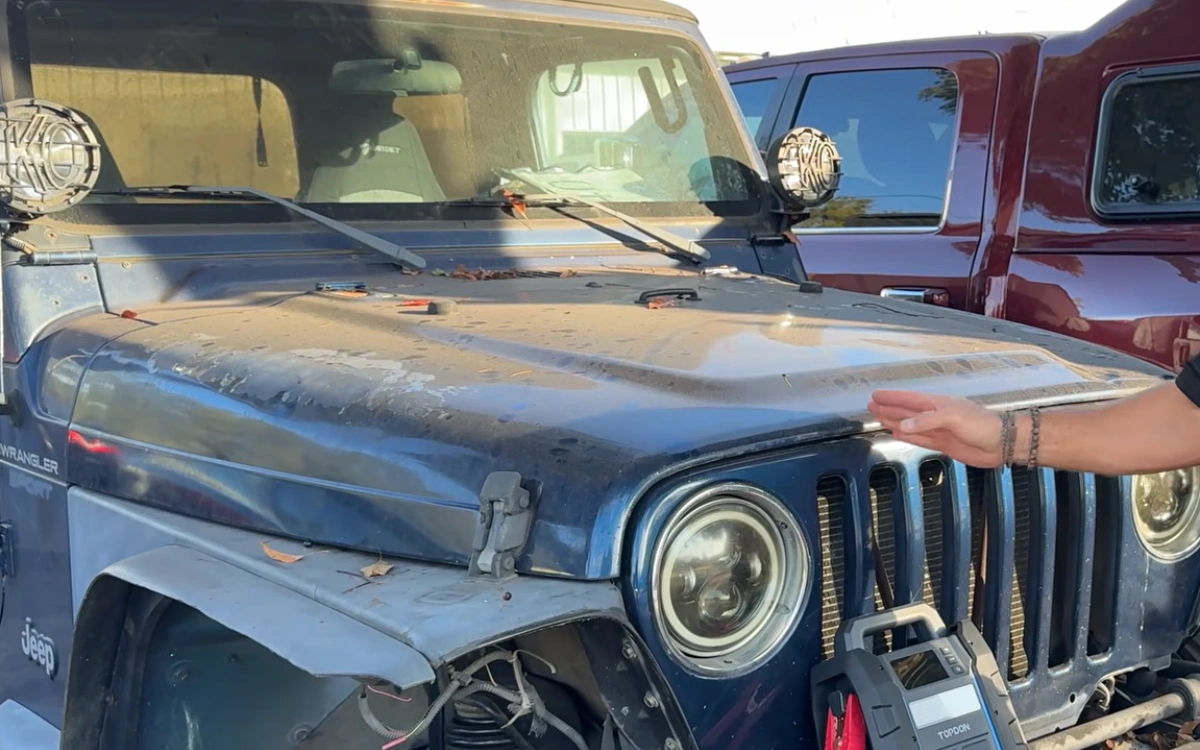
Instead, he got a worst-case scenario.
The technicians claimed the camshaft had failed, triggering a cascade of issues across the engine.
Their solution was drastic: replace the entire top-end of the engine.
Faced with little alternative, the owner approved the work, but once that was done, the shop wasn’t finished.
They then argued the entire fuel system needed replacing as well, further driving up the cost.
Still determined to get his Jeep back in working order, the owner agreed.
Among the early repairs was a new powertrain control module (PCM), installed to address a known heat soak issue common in older Wranglers.
But delays plagued the process, and by the time the work was completed, the PCM’s warranty had already expired.
A simple repair somehow turned into a two-year saga of mounting bills and no real solution.
You can’t just replace parts to fix a problem
Eventually, the owner decided to start fresh.
After seeking recommendations, he brought the Jeep Wrangler to Royalty Auto Service, a father-and-son shop known for its methodical approach.
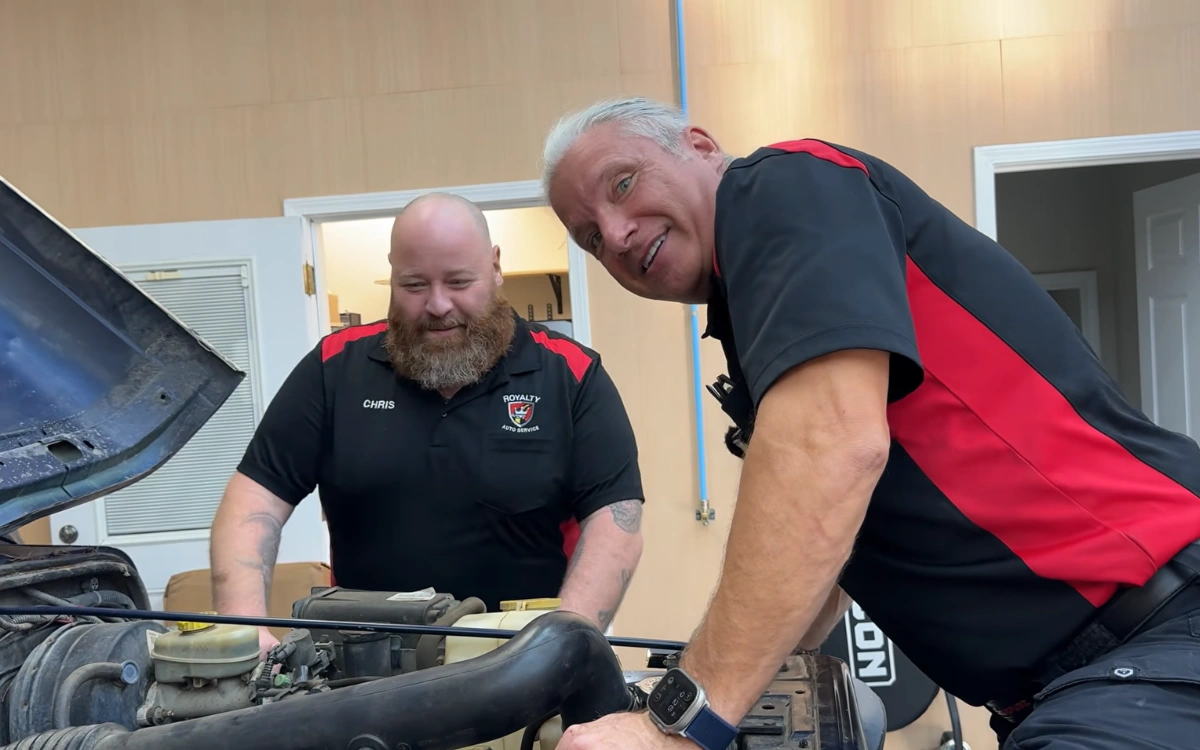
Within just a few hours, the difference was clear.
Using a detailed diagnostic process, the duo analyzed ignition timing by pairing cylinders across the firing order.
This approach revealed inconsistencies that pointed toward a camshaft and crankshaft correlation issue.
At first, attention turned to the camshaft position sensor.
Using a manufacturer-recommended alignment method, often referred to as the ‘toothpick trick,’ the skilled mechanic carefully reset it.
It was a logical step, but not the final answer.
The real culprit turned out to be far simpler – the crankshaft position sensor, a small but critical component on the Wrangler’s 4.0-liter inline-six engine, was failing under heat.
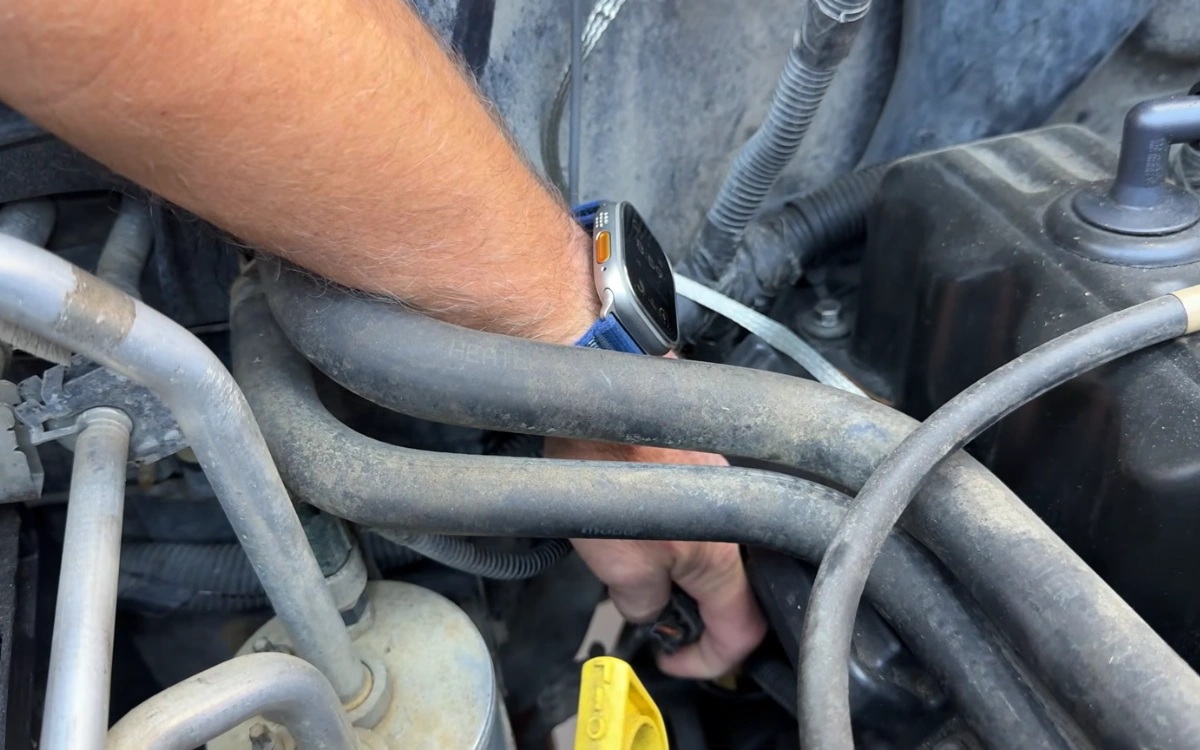
Positioned too close to the exhaust and lacking sufficient insulation, it would overheat and send incorrect signals.
This was the culprit behind the car’s erratic behavior.
To make matters trickier, these engines are notoriously sensitive to parts quality, often requiring original Mopar components to function properly.
In other words, two years of complex, expensive repairs had overlooked a relatively basic issue.
At the end of the day, this story highlighted how replacing parts isn’t always the solution.
Often, it’s much more important – and cheaper – to diagnose the problem properly.
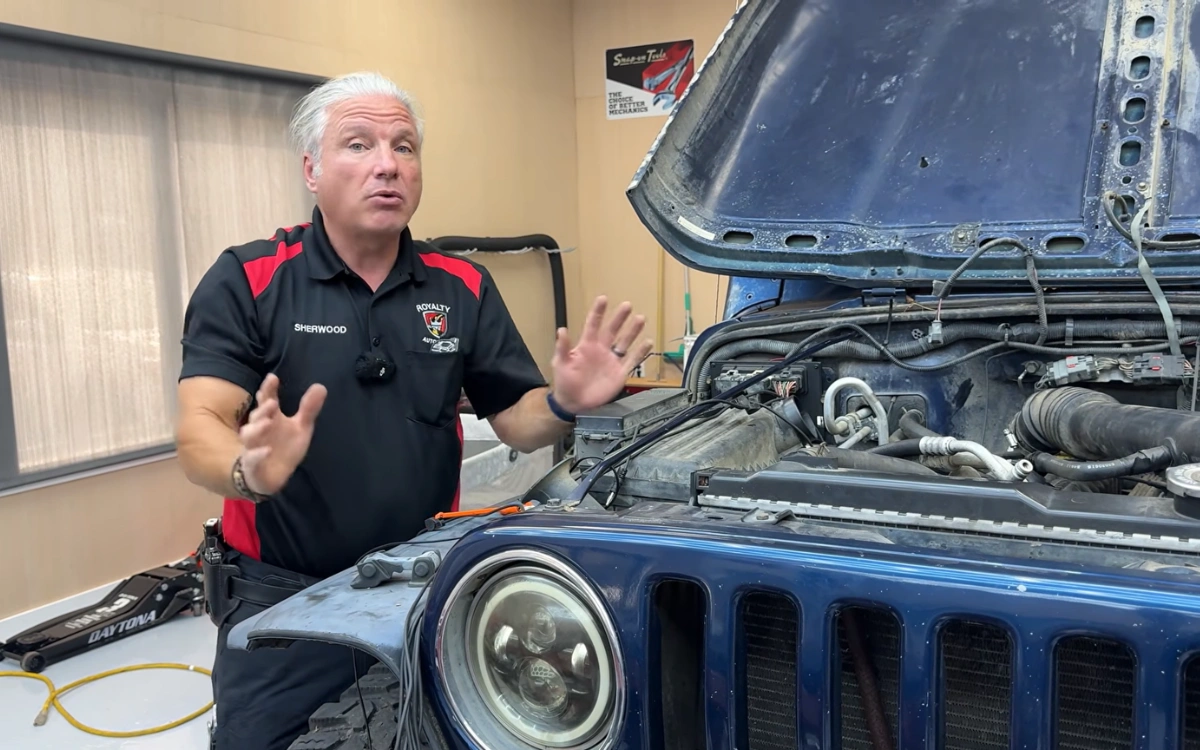
For the Wrangler’s owner, the experience was undoubtedly a frustrating lesson.
However, at least he finally got his Jeep working again, thanks to a bunch of skilled mechanics over at Royalty Auto Service.
If you want to watch the full diagnostic process, check out their video below:

DISCOVER SBX CARS: The global premium car auction platform powered by Supercar Blondie