A mechanical engineer who builds cars just told us what the next big leap in EVs will be
Published on May 17, 2026 at 6:01 AM (UTC-4)
by Alessandro Renesis
Last updated on May 17, 2026 at 6:01 AM (UTC-4)
Edited by
Emma Matthews
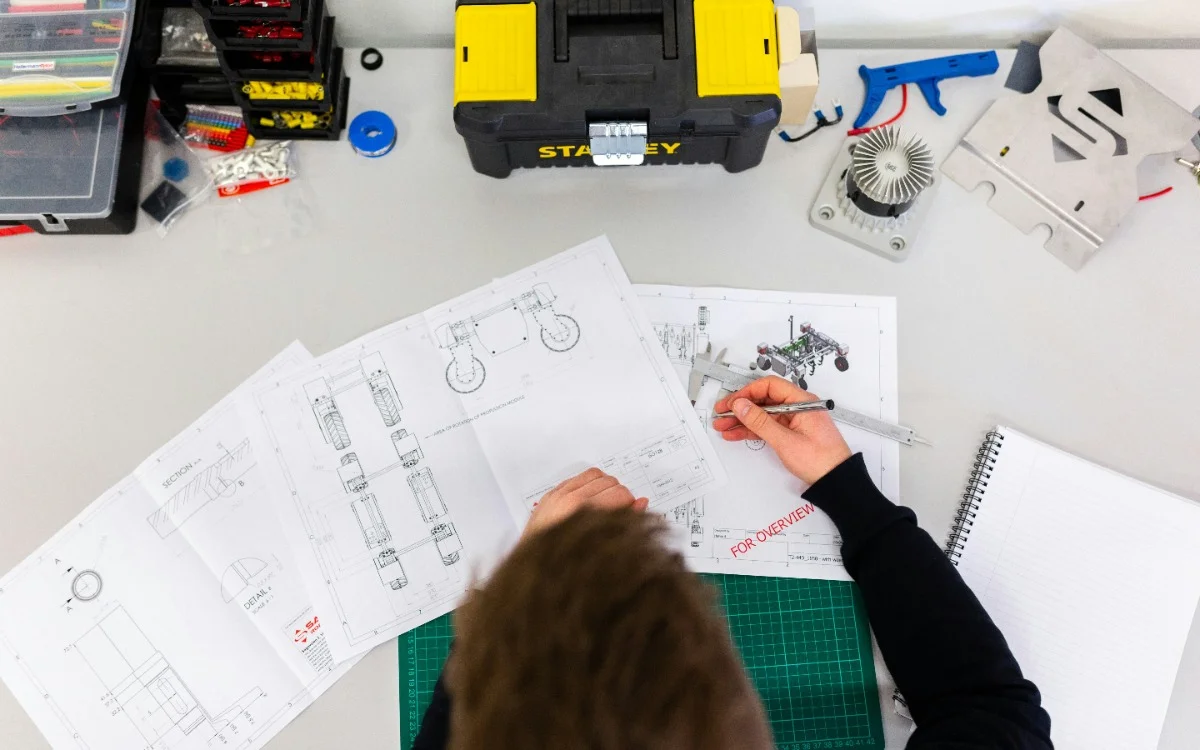

We had a chat with a mechanical engineer to ask him a few burning questions about the automotive industry, including something people want to know about EVs.
Some of the answers weren’t surprising, but some definitely were.
Including the answer to a question that’s incredibly relevant in today’s market.
And also a question about what’s next for EVs.
Can a mechanical engineer easily learn how to build EVs?
Obviously, the first question we asked Simone Bianconi, a mechanical engineer from Italy, was about EVs.
“The short answer is yes, the fundamentals are the same,” Bianconi said.
“EVs have suspension, A/C, and so on. And they still need to respect the same standards as any other car.”
Bianconi also addressed the inevitable follow-up question.
“But I’m presuming the real question everyone is asking is about the motor. The answer is still yes. For example, most mechanical engineering classes today already involve – by default – the study of electronics.”
Related

What does a mechanical engineer actually do?
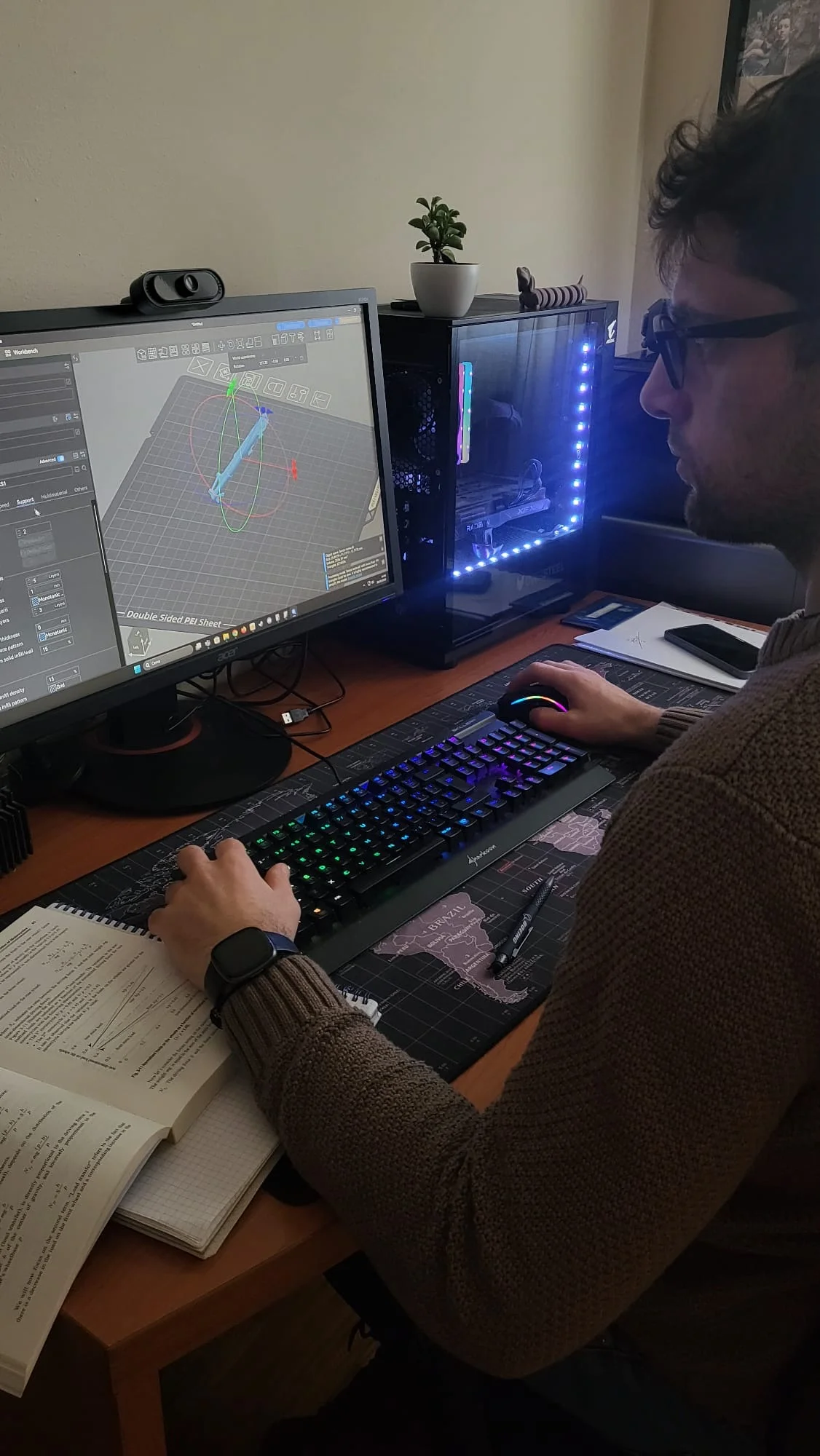
“I’m going to give you every engineer’s favorite answer: ‘It depends’,” he joked.
“It really depends on what you want to specialize in. Generally speaking, as a mechanical engineer, you’re [something of] a designer, but also a structural analyst, which means you’re doing the math to make sure nothing breaks or fails under stress.”
“You’re also a QC (quality control) specialist. Or ‘validator’ if you like. Part of your job is to make sure no time is wasted on things that won’t work structurally and will have to be redone.”
You also work alongside a designer – is that a partnership made in heaven?
“My life as an engineer would be so much easier without a designer,” he laughed.
“Jokes aside, engineers and designers need to share ideas at a very early stage because otherwise, they’re going to waste time fixing mistakes that could’ve been avoided.”
“But at the end of the day, the answer to this question is probably in line with what people think we do: a designer’s job is to make things pretty or cool, an engineer’s job is to make sure they work properly,” he said.
Do you think engineers are now ‘cool’ because we constantly hear the word ‘engineer’ associated with AI jobs, tech jobs, and so on?
“That’s a very good question. Some new roles are called engineers when they’re not. In tech, this is now often used as a blanket term for every technical role. Programmers are often called software engineers, for example,” he said.
“Although, to be fair, this varies a lot. In many regions, ‘Engineer’ is a protected legal title that requires a specific license. So you can’t use it at will.”
“But aside from that, I think the perception hasn’t changed much. I think this job title is respected now in the same way it always was,” he said.
What’s the coolest part of a car’s engineering that most people don’t know about?
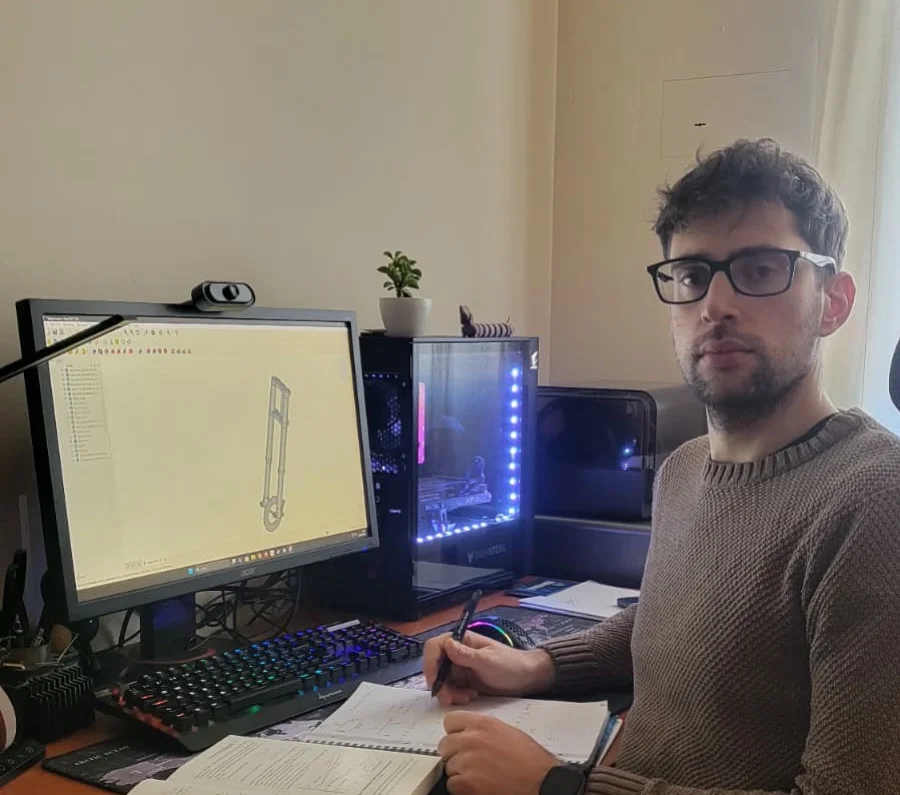
“It definitely feels great when the results of the test are exactly as predicted by calculations. Or when you’ve created a model that works perfectly well in reality,” Bianconi said.
Of course, by ‘model’ he meant models used to predict the behavior of a car before making expensive prototypes.
“We rarely build anything without a ‘digital twin’ or a mathematical model first,” he added.
What’s the most interesting bit of engineering in car history?
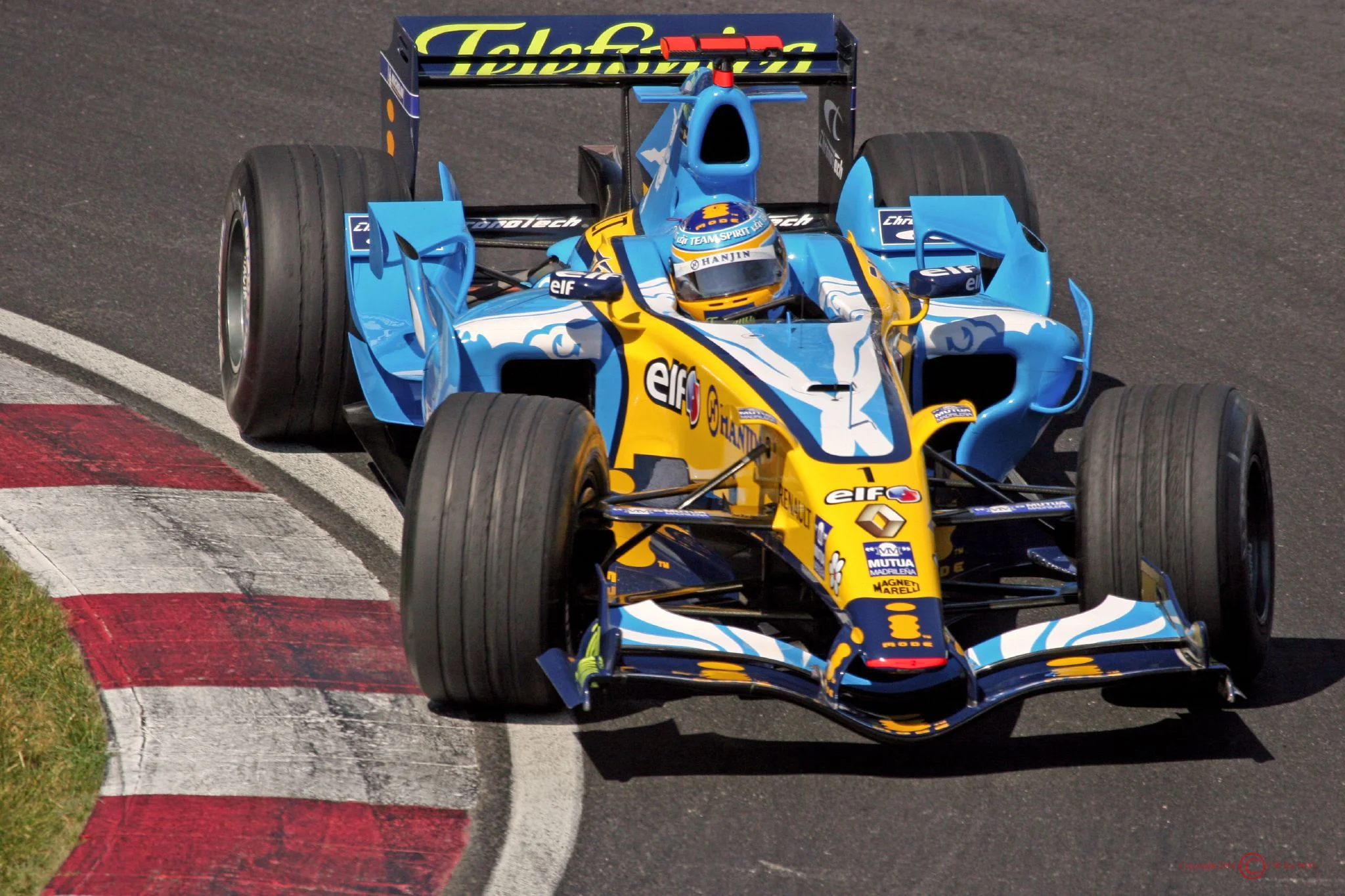
“I have two answers: mass damper introduced by Renault for the 2005 F1 season to reduce vibrations during races, allowing their drivers to go faster than their rivals,” he said.
“The second thing is active aerodynamics.
“It blows my mind every time I see a sports car with a spoiler that adapts automatically to increase downforce. We take it for granted, but it’s a huge game changer,” Bianconi pointed out.
What’s the big change that’ll be the next big leap in EVs?
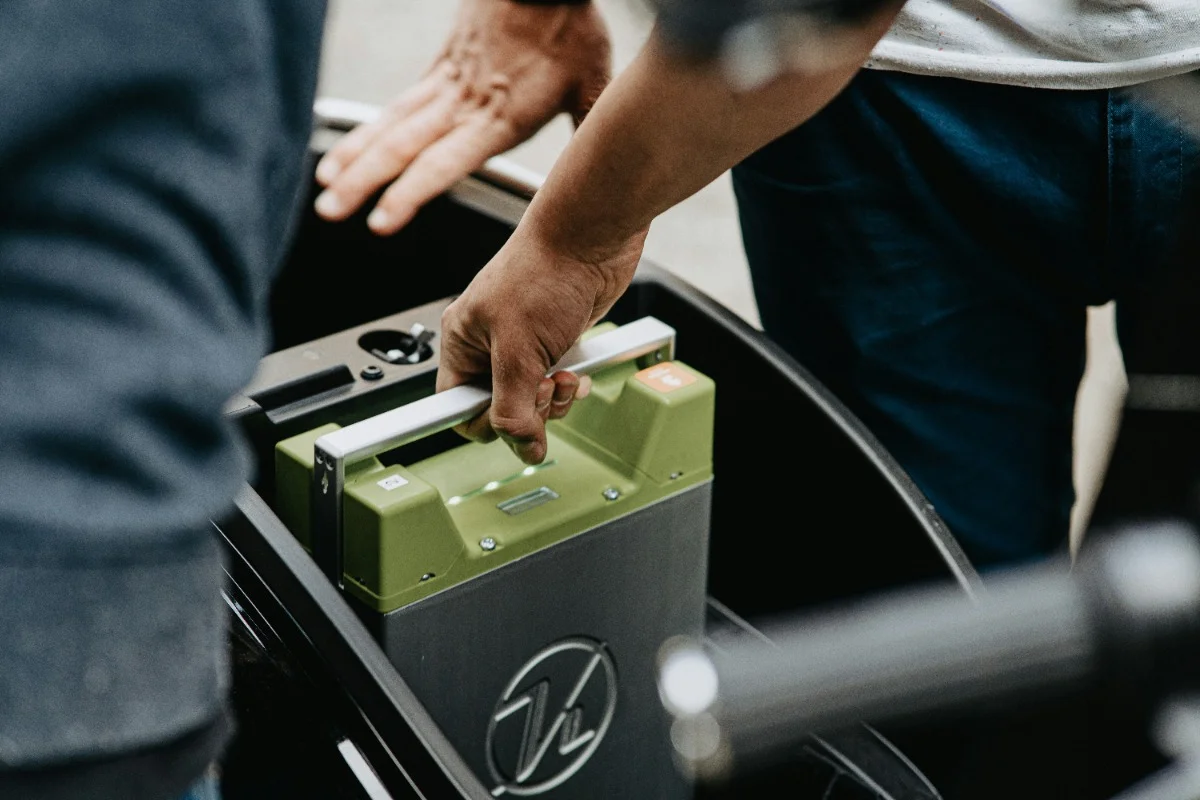
This is where Bianconi dropped a bombshell and confirmed what some people were hoping to hear.
“Energy density of batteries and charging speed,” he said, without hesitation.
“It’s very important to reach parity between charging times and refueling times. The only alternative is to increase range.”
“It’d be difficult to do that with bigger batteries, because batteries are already too big and too heavy.
So the best way to do that is more energy density. Same battery weight and size, more range. This is definitely the next thing to look forward to,” he concluded.
Alessandro is an automotive journalist with 10 years of experience covering supercars, automotive history, emerging vehicle technology, and luxury transportation. He wrote the first article published on SupercarBlondie.com when the website launched in 2022 and has since built a reputation for insightful reporting across the automotive and transportation industries. His expertise is grounded in hands-on experience. Alessandro has driven every Tesla model ever produced, from the original Roadster to the Cybertruck, and regularly covers the latest developments in electric vehicles and automotive innovation. His passion for transportation extends beyond cars, he has even flown a Boeing 787 Dreamliner simulator in Addis Ababa, Ethiopia. His reporting spans everything from classic American muscle cars and rare automotive discoveries to luxury yachts, private aircraft, high-end watches, and cutting-edge vehicle technology. Known for his deep knowledge of automotive history and ability to uncover the stories behind iconic vehicles, Alessandro brings readers a blend of historical context, technical expertise, and first-hand experience.