Mechanics do a deep dive on the most confusing EV they’ve ever repaired and explain how they got it running again
Published on Feb 09, 2026 at 12:33 AM (UTC+4)
by Henry Kelsall
Last updated on Feb 06, 2026 at 5:05 PM (UTC+4)
Edited by
Kate Bain
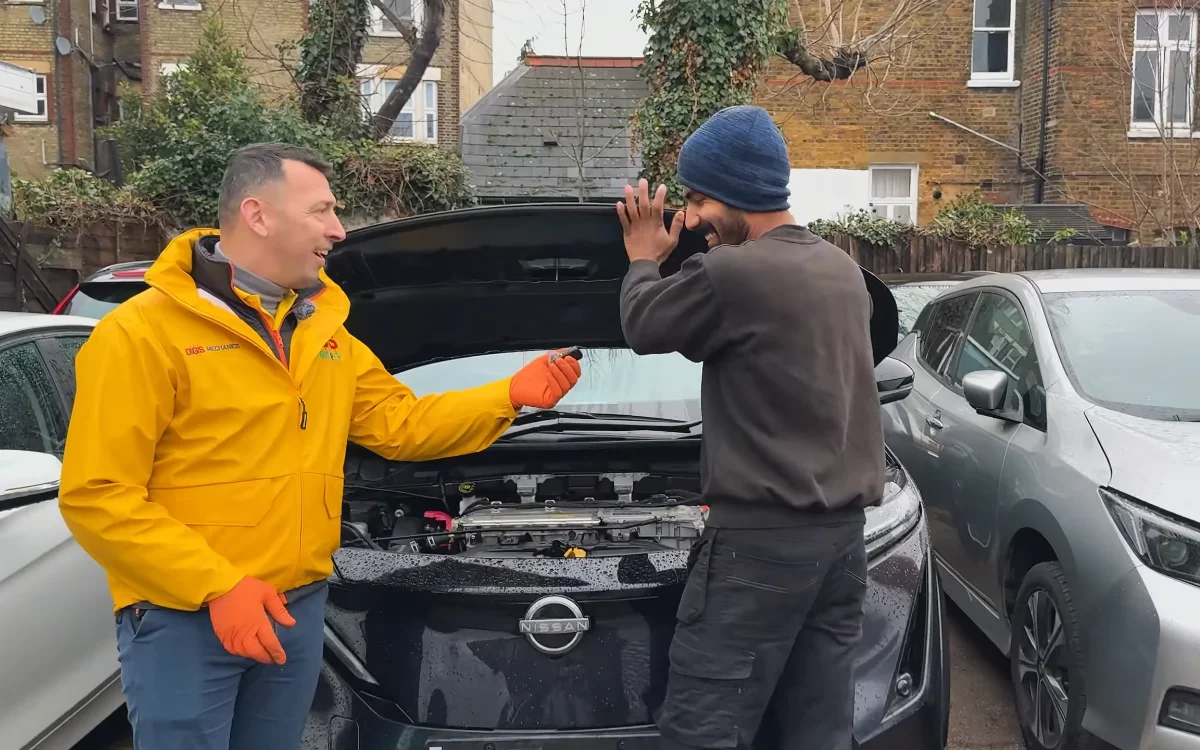

Mechanics have done an extensive deep dive into a Nissan EV that turned out to be the most confusing repair they’ve ever done.
YouTubers OGS & Mechanics had a tough job on their hands after the owner of the EV reported that the car suddenly became a non-runner.
What transpired was one of the most confusing EV investigations the mechanics had ever done, with all sorts of checks needed to find out what was wrong.
A video on the car showed the complex nature of EVs and how repairing them can be tricky.
DISCOVER OUR SUPERCAR AUCTION SITE – View live auctions on SBX Cars
Diagnosing the faults with the EV
When the mechanics got their hands on the car, they were left baffled by its problems.
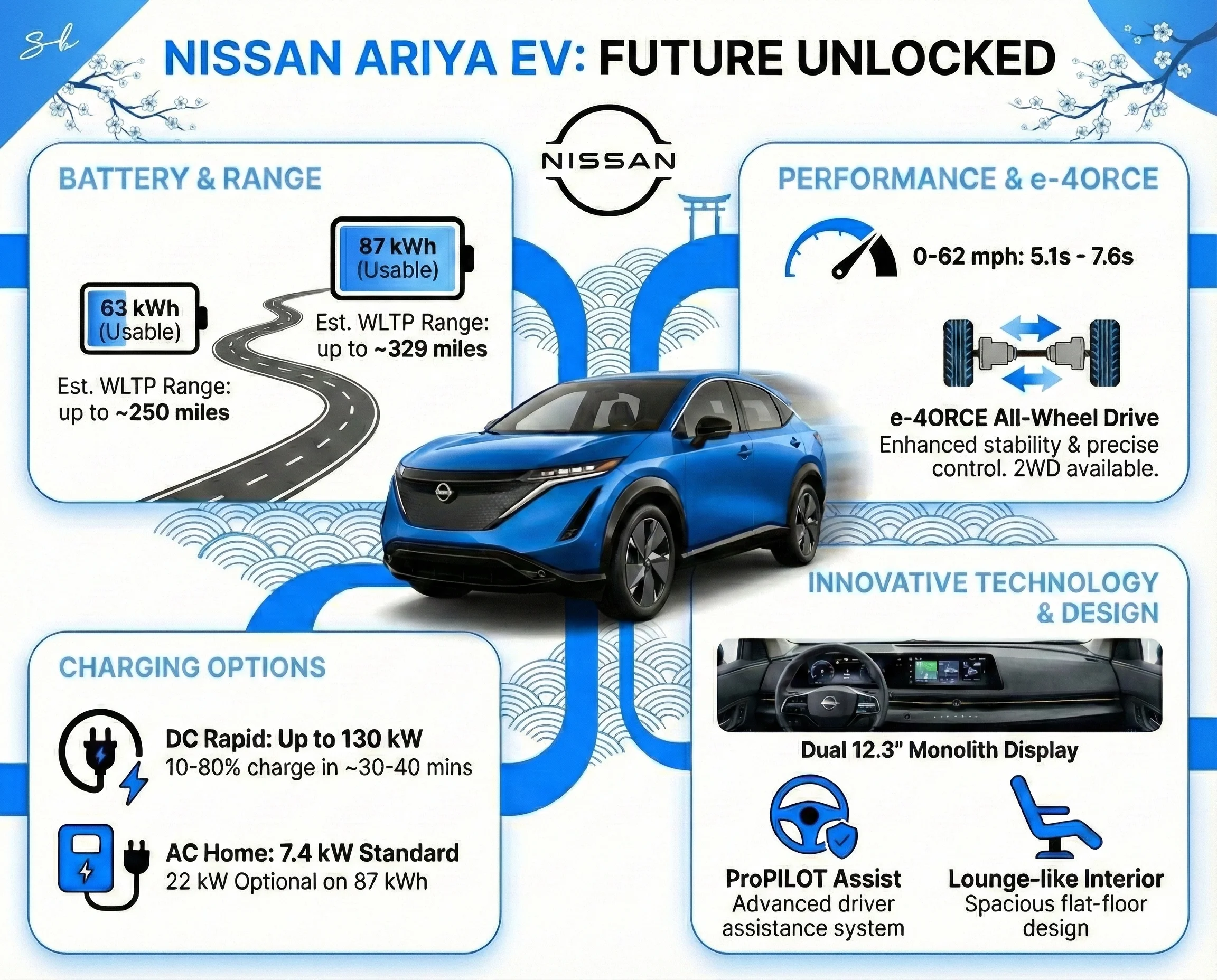
The car in question was a Nissan Ariya EV, with what they called ‘confusing intermittent faults’.
Prior to this, the owner of the car said it had been working fine, then one day it just stopped out of nowhere.
A big worry was that the battery temperature was showing 118.6 Fahrenheit.
That is well above the working temperature of 95 degrees.
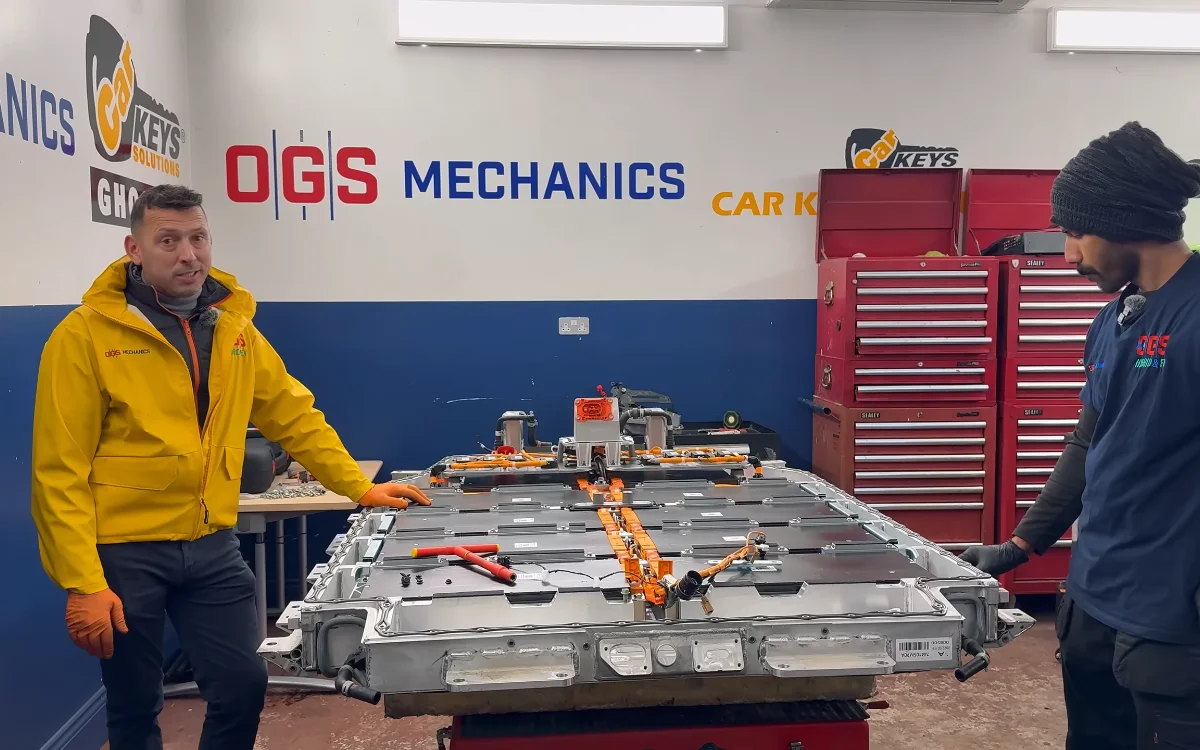
Further digging then showed up all sorts of error codes, causing yet more confusion.
They soon ruled out the battery as the cause of the EV’s troubles.
But it doesn’t bring them closer to finding a solution.
Click the star icon next to supercarblondie.com in Google Search to stay ahead of the curve on the latest and greatest supercars, hypercars, and ground-breaking technology
What had caused the Nissan Ariya to shut down?
While checking over the car, the team found a motor control inverter power supply code.
This had returned after earlier being cleared, and Nissan recommends replacing the inverter.
But, this would cost over £6,000/$8,000 to replace.
So the mechanics decided to save the customer money by repairing it instead.
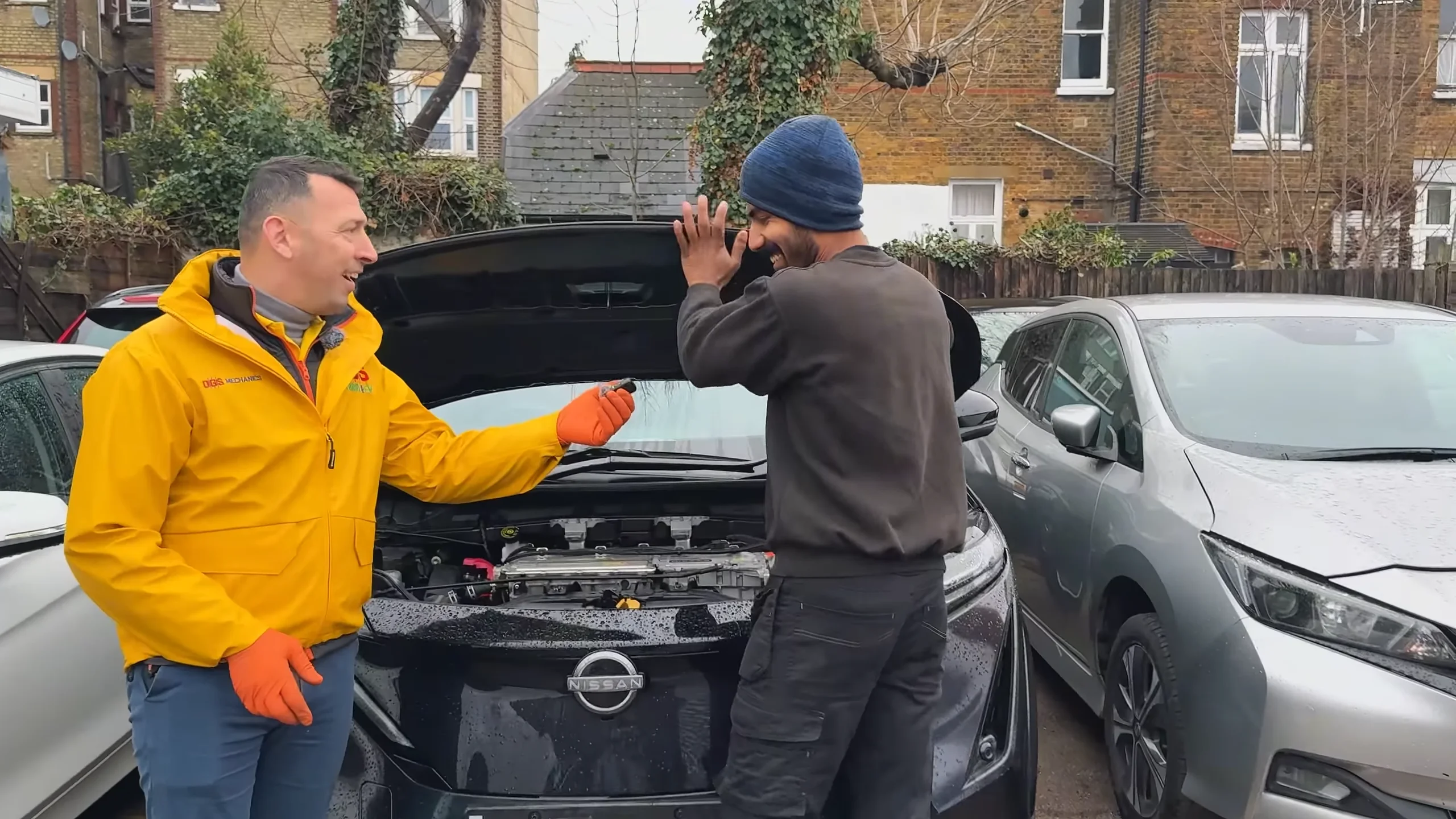
Bench testing showed that an IGBT power transistor had failed and needed replacing.
Installing this into the now-repaired inverter ensured the Ariya could be brought back to life.
Plus, the Nissan would finally recharge as normal.
The SUV was back on the road, but there were sudden temperature spikes during the road test.
These were then traced to a faulty cooling pump and a massive radiator leak.
With these replaced, amazingly, the Nissan was able to drive again with no problems at all.
So, with all the costs calculated, the total came to £3,000 or just over $4,000.
Had they replaced the inverter, the total would have been an eye-watering $10,000.

DISCOVER SBX CARS: The global premium car auction platform powered by Supercar Blondie
Henry joined the Supercar Blondie team in February 2025, and since then has covered a wide array of topics ranging from EVs, American barn finds, and the odd Cold War jet. He’s combined his passion for cars with his keen interest in motorsport and his side hustle as a volunteer steam locomotive fireman at a heritage steam railway.