Mercedes-Benz chairman reveals how many years combustion and diesel engines actually have left in the lineup
Published on Nov 14, 2026 at 3:04 AM (UTC-5)
by Daisy Edwards
Last updated on Nov 14, 2026 at 3:04 AM (UTC-5)
Edited by
Mason Jones

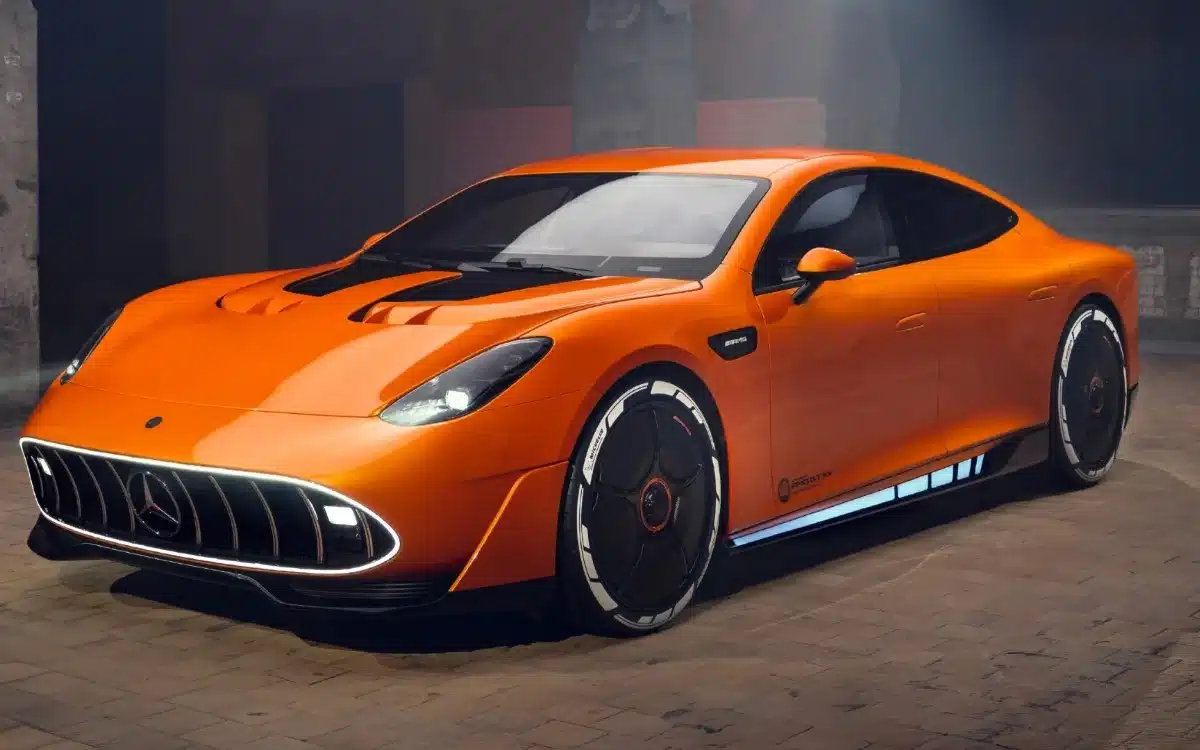
Mercedes-Benz has revealed how many years combustion and diesel engines could remain part of its lineup, despite its ongoing push toward electric vehicles.
The German automaker has been investing in its traditional powertrains while expanding its electric vehicle range, suggesting it is not ready to abandon combustion technology just yet.
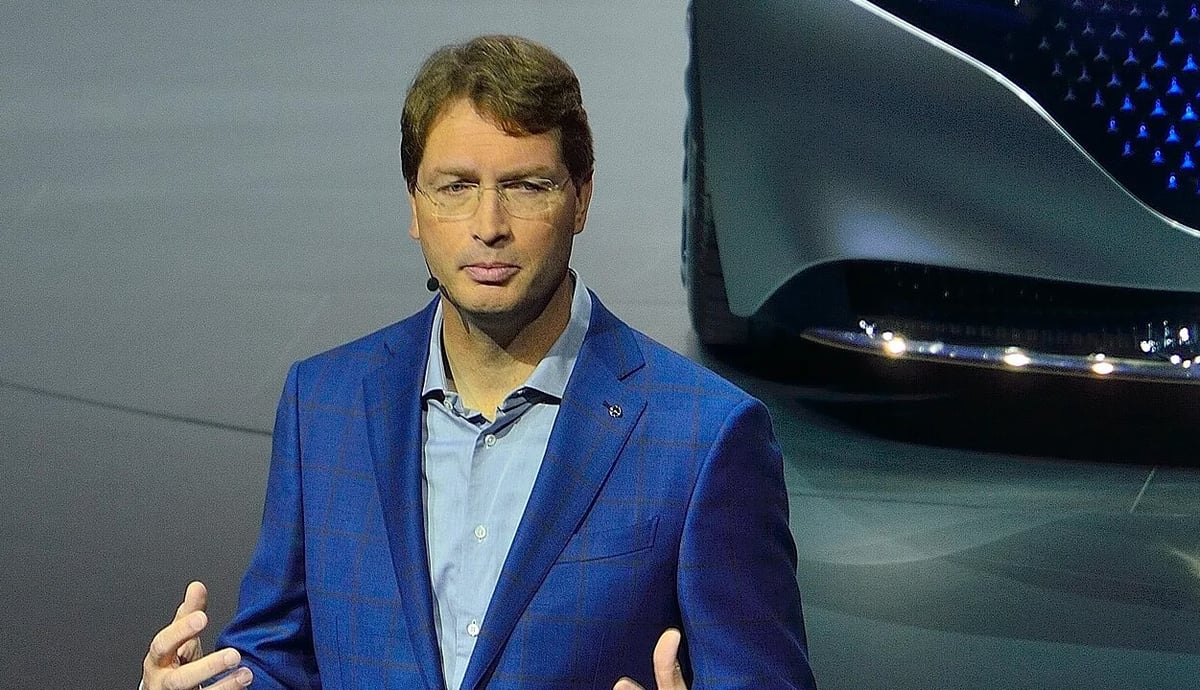
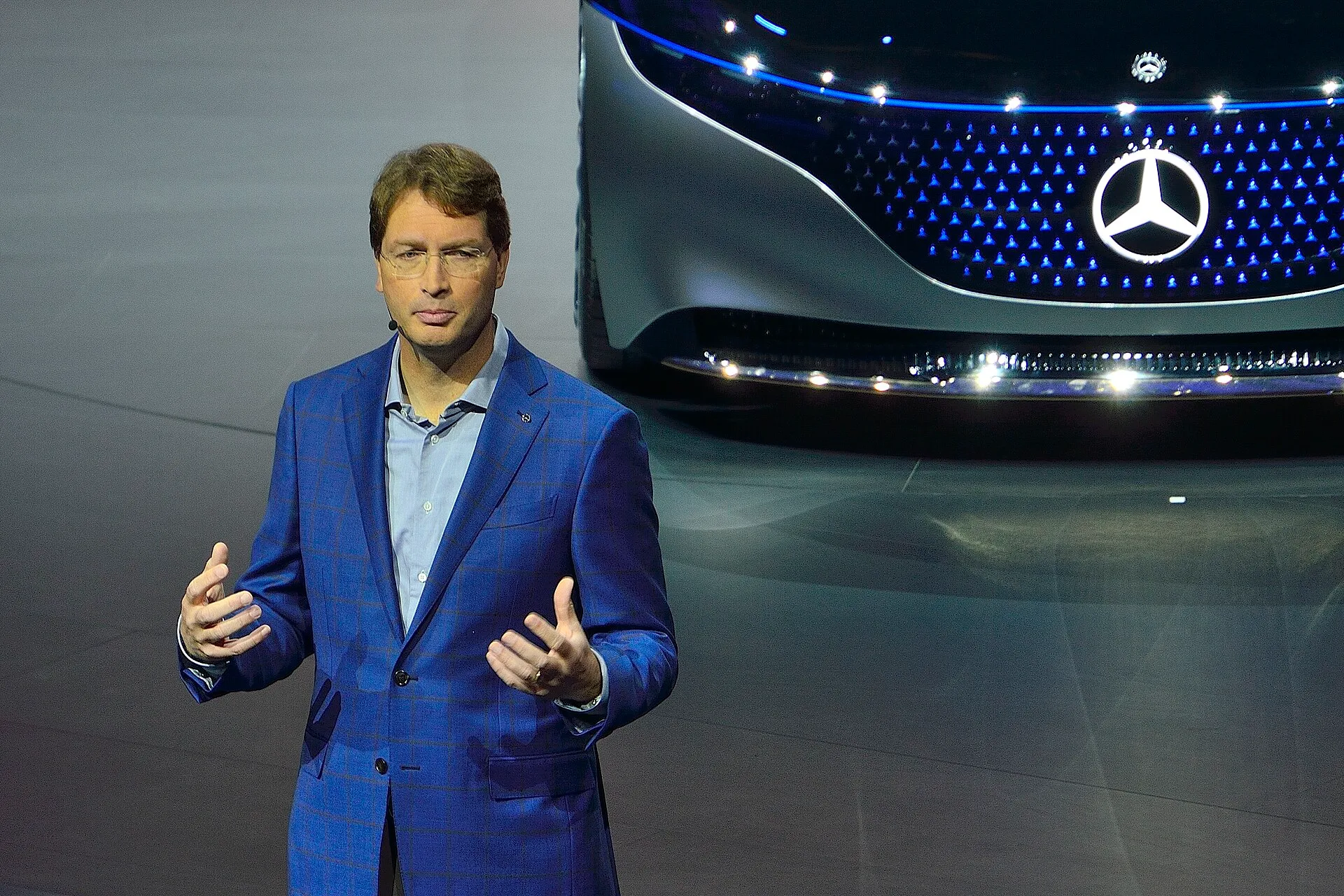
Chairman Ola Källenius shared the prediction during a media roundtable in Pune, India, where he discussed the future of the company’s engines and the industry’s transition to electric mobility.
His comments suggest drivers who aren’t ready to make the switch to an EV could have plenty of time left to buy a new Mercedes-Benz powered by a traditional engine.
Mercedes-Benz chairman reveals how long combustion engines have left
Speaking to car journalists in India, Källenius was relatively clear about how much longer drivers could expect to see combustion engines in the company’s lineup.
“The combustion engine, it will be around for minimum 10, probably 15 years more,” he said.
His comments were reported by Ketan Thakkar and Hormazd Sorabjee of Autocar Professional, who spoke with the chairman during his visit to Pune ahead of the launch of the electric GLC.
Källenius also described the transition to electric mobility as a 20 to 25-year industrial transformation, rather than something that would be completed by 2030 or 2035.
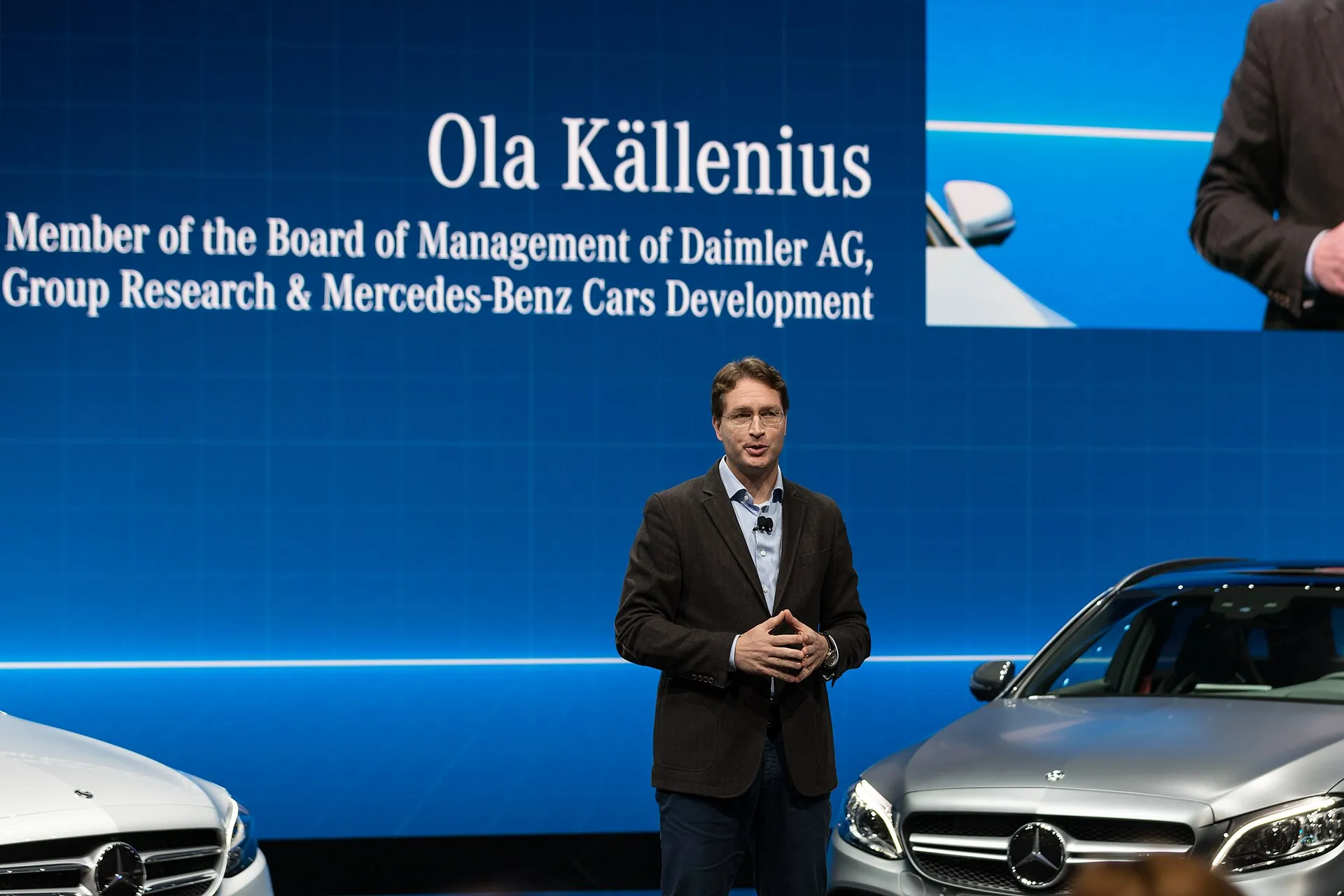
That means Mercedes-Benz is preparing for a future where electric and combustion-powered vehicles will continue to coexist for years.
The company has also been investing in its existing engine technology, including updating its combustion portfolio to prepare for the upcoming Euro 7 emissions standards.
That investment reportedly extends to a new V8 engine, showing that Mercedes-Benz isn’t simply keeping its existing powertrains on life support.
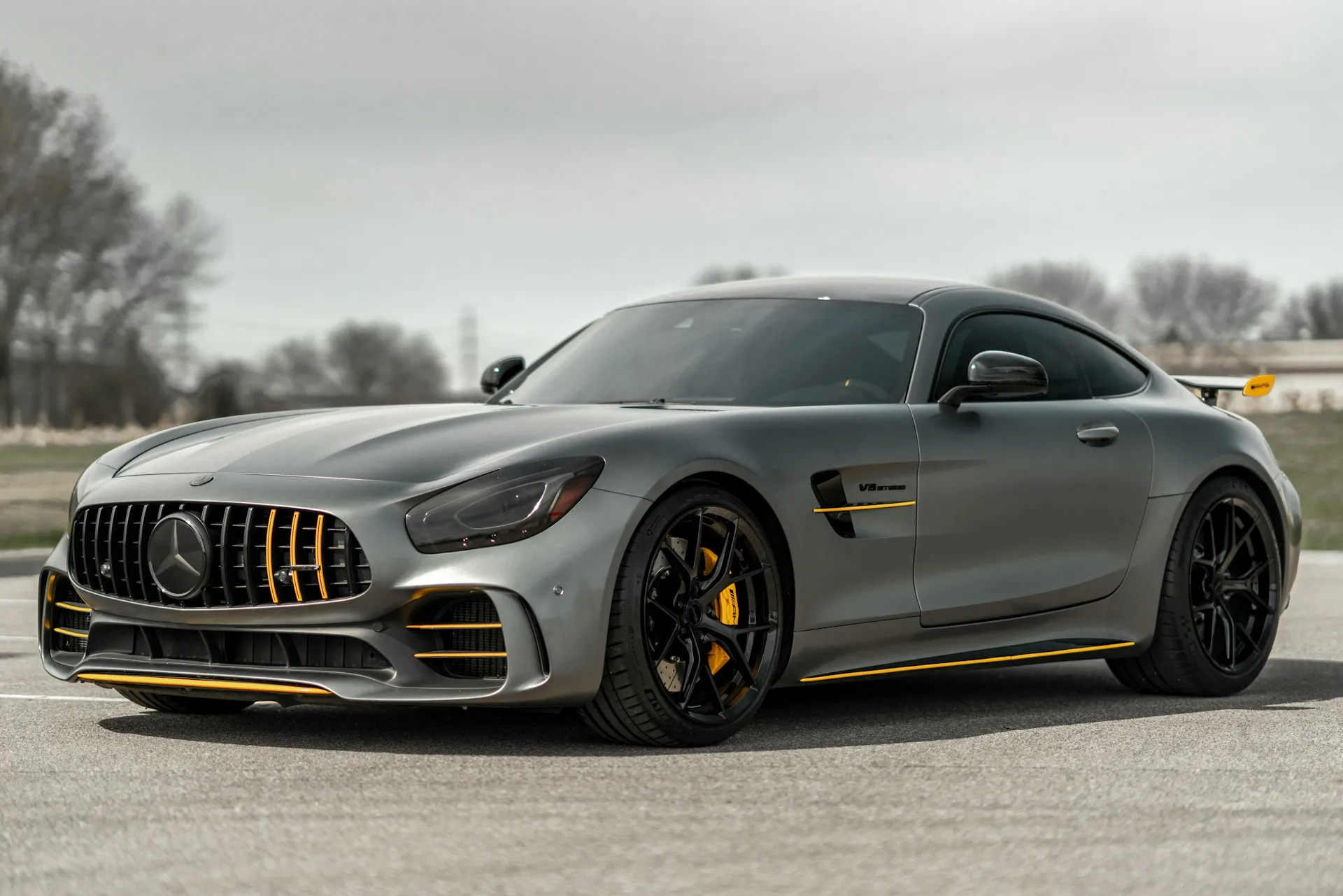
Diesel engines are not going anywhere just yet
Diesel drivers also received some reassurance from the Mercedes-Benz chairman, who said the company had no immediate plans to remove the fuel type from its portfolio.
“Our portfolio of diesel engines is ready for the future,” Källenius said.
He explained that diesel would remain available for customers who cover significant distances every year, particularly those driving larger passenger vehicles and light commercial vehicles.
The chairman specifically highlighted drivers traveling between 60,000 and 70,000km annually, equivalent to approximately 37,000 to 43,000 miles, as an important group for whom diesel engines still make sense.
He also confirmed that the technology would remain available for the foreseeable future.
Mercedes-Benz has been developing a new generation of electrified internal combustion engines designed to meet future emissions requirements, allowing customers to continue enjoying traditional powertrains with updated technology.
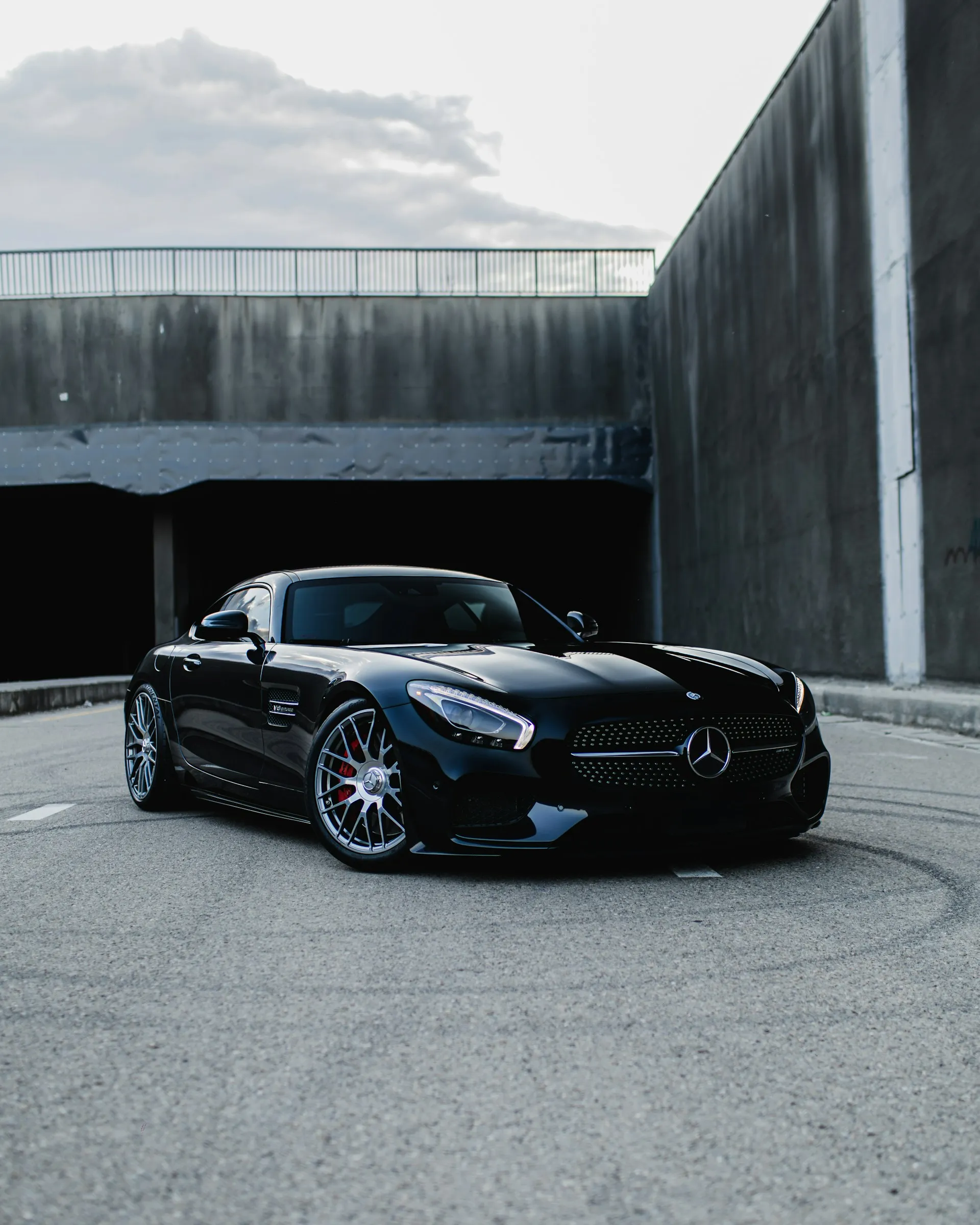
Mercedes-Benz is still committed to an electric future
Despite the chairman’s comments, Mercedes-Benz isn’t abandoning its electric ambitions.
The automaker is undertaking a three-year program involving 40 new models, with a mixture of electric and combustion-powered vehicles expected to arrive.
It also intends to offer an electric alternative across every significant model segment by the end of the decade.
Källenius acknowledged that the transition would happen at different speeds depending on the market, with charging infrastructure and customer demand playing important roles.
He also made it clear that the company doesn’t want to sacrifice its existing business while preparing for the future.
“If you’re an incumbent, you don’t cut off the leg that you stand on right now and you build a new one,” he explained.
For now, that means Mercedes-Benz is prepared to cater to customers who want an electric vehicle while continuing to offer gas, diesel and hybrid alternatives.
Zero-emission mobility remains the company’s long-term destination, but its chairman’s latest comments suggest the journey there will be the scenic route.
The best of Supercar Blondie, every Sunday
The week's best car stories, straight to your inbox. Free.
Daisy is a technology and automotive journalist covering artificial intelligence, consumer tech, Apple news, cryptocurrency, emerging technologies, and transportation innovation. Since joining the team in 2025, she has reported on everything from AI-powered startups and major iOS updates to viral car stories and the latest developments shaping transportation and the digital economy. Drawing on her background in automotive journalism and a degree in History and Journalism from Goldsmiths, University of London, Daisy specializes in breaking down complex topics into clear, engaging reporting for a global audience. Her work spans cutting-edge technology, innovative vehicles, and the people driving change across both industries. Daisy has gained first-hand access to some of the world's most talked-about technologies and innovators, including meeting Tesla's Optimus humanoid robot during its first European appearance in London. She has also discussed the future of space exploration with an astronaut, bringing unique insights and real-world perspectives to her coverage of emerging technology.