New Mercedes GLC and BMW iX3 EVs put through 350-mile road trip to see which is better for real-world range, cost and efficiency
Published on Jul 01, 2026 at 1:02 AM (UTC-4)
by Daisy Edwards
Last updated on Jul 01, 2026 at 1:02 AM (UTC-4)
Edited by
Daisy Edwards
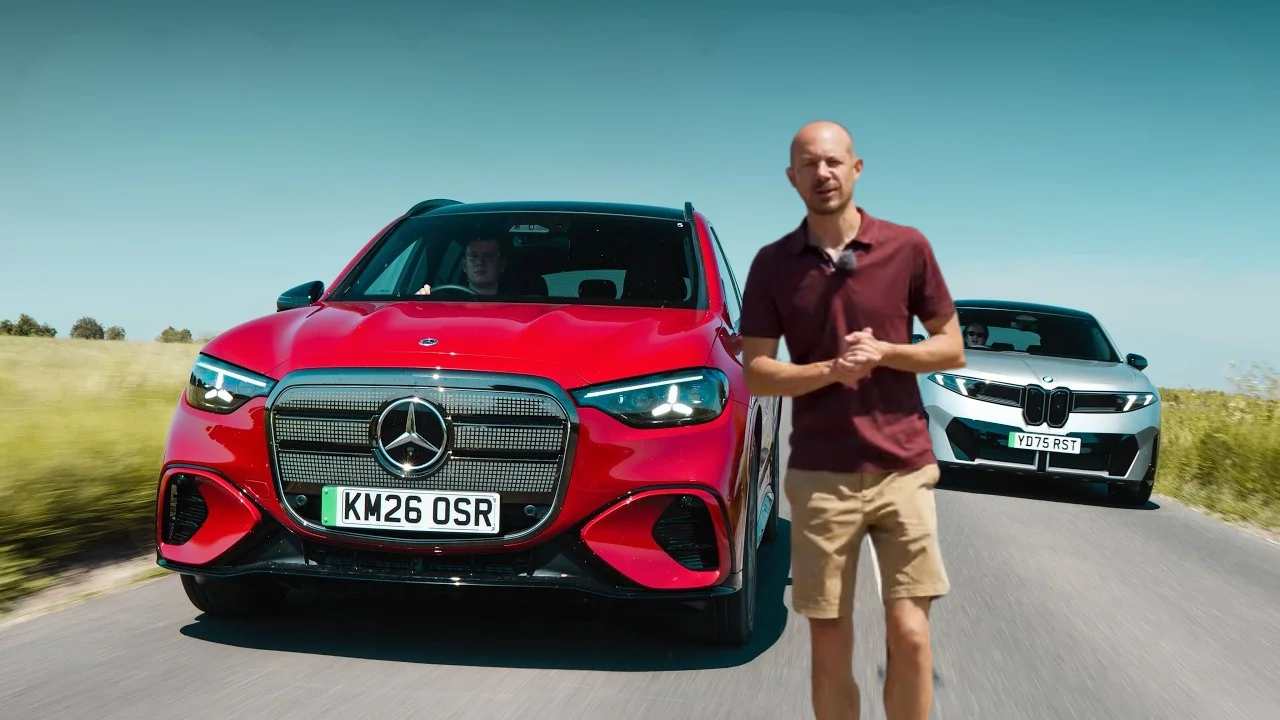

Buying an electric SUV often comes down to one big question: how does it perform when you’re actually out on the road; well these two guys put a new Mercedes GLC and a BMW iX3 to the test to see just that.
Official range figures can look impressive on paper, but long highway journeys are where the real differences begin to show.
That’s exactly what one British team set out to discover by taking two of the latest premium EVs on an epic 350-mile road trip.
The results revealed that while the numbers were closer than expected, one car ultimately came out on top.
Mercedes GLC and BMW iX3 were tested in real world conditions
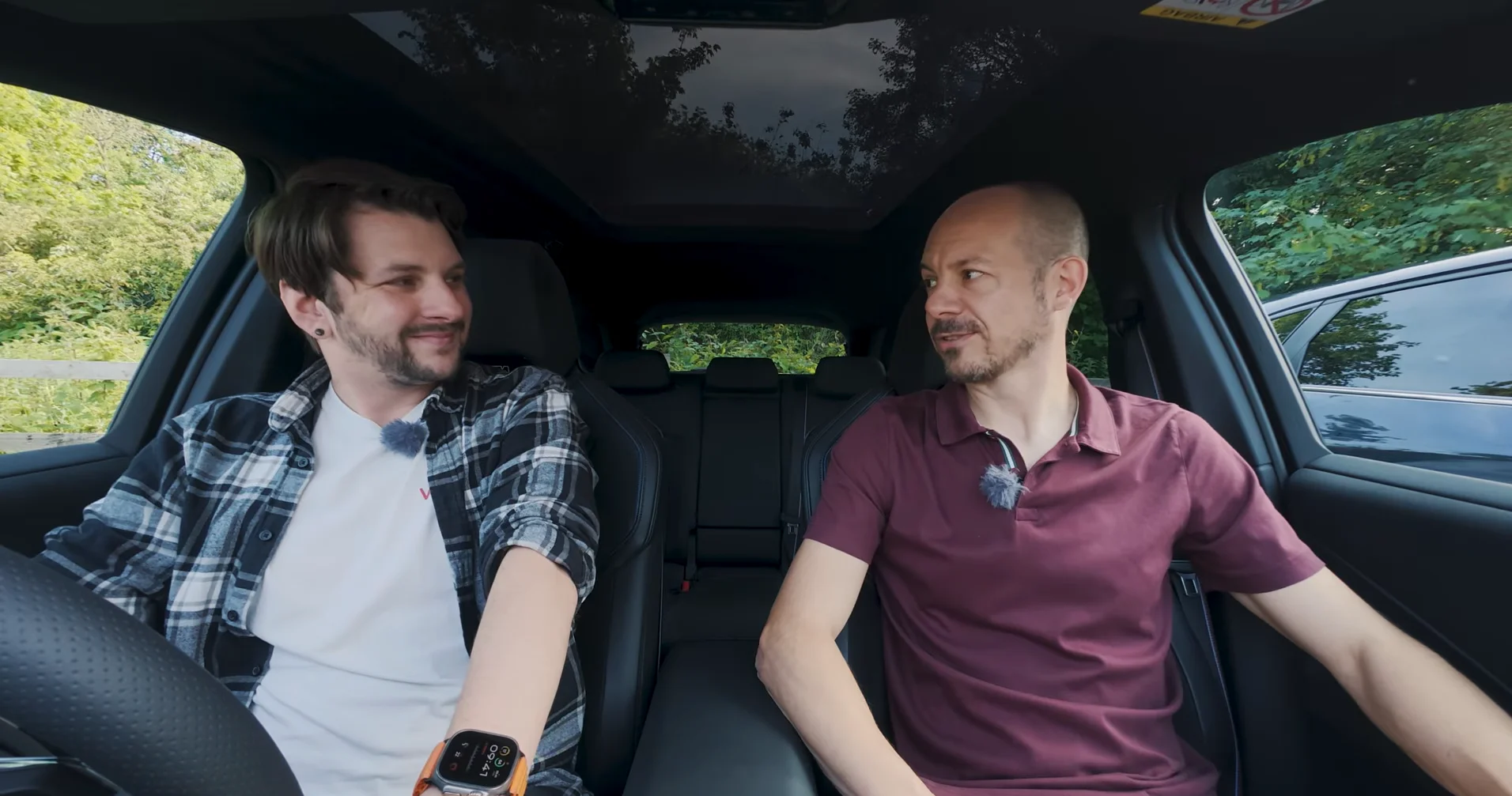
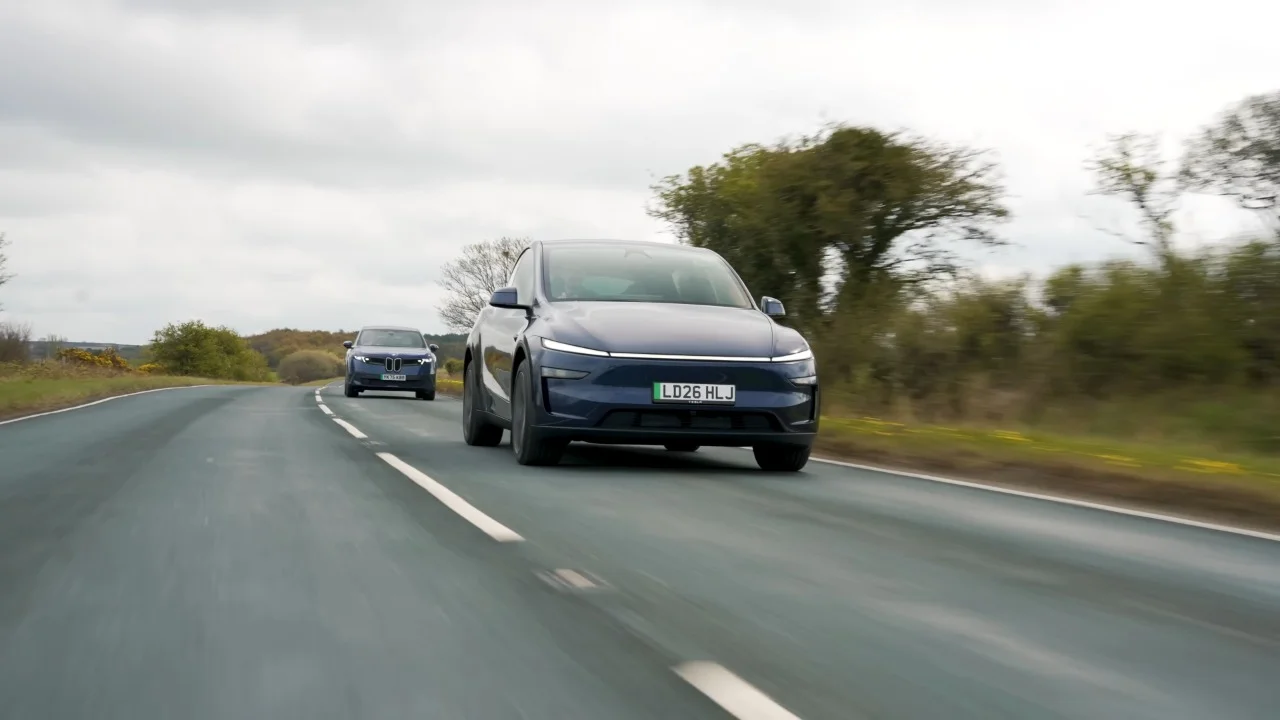
The team from What Car? put the new Mercedes GLC Electric and the BMW iX3 EVs through an identical 350-mile highway journey to compare real-world range, efficiency, charging and running costs.
Both cars started with a full battery before heading from Bedfordshire to Manchester, across to Leeds, and then back south in the UK, with the drivers swapping positions every 50 miles to keep the test as fair as possible.
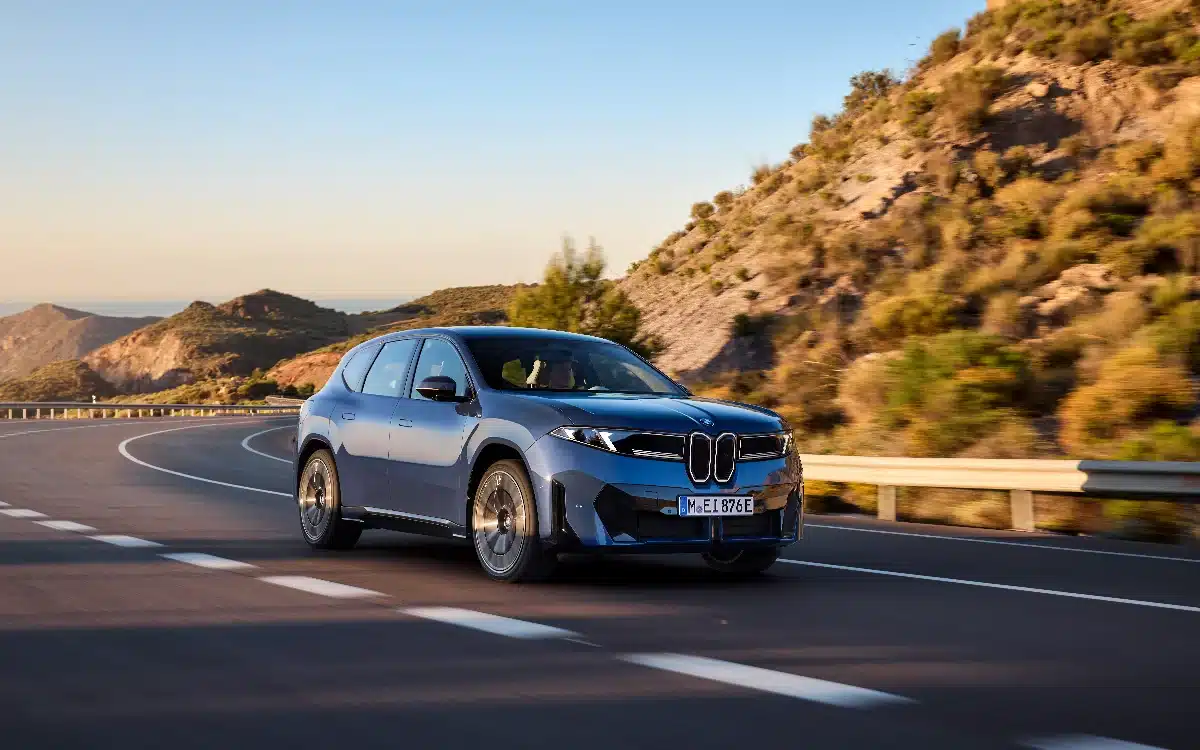
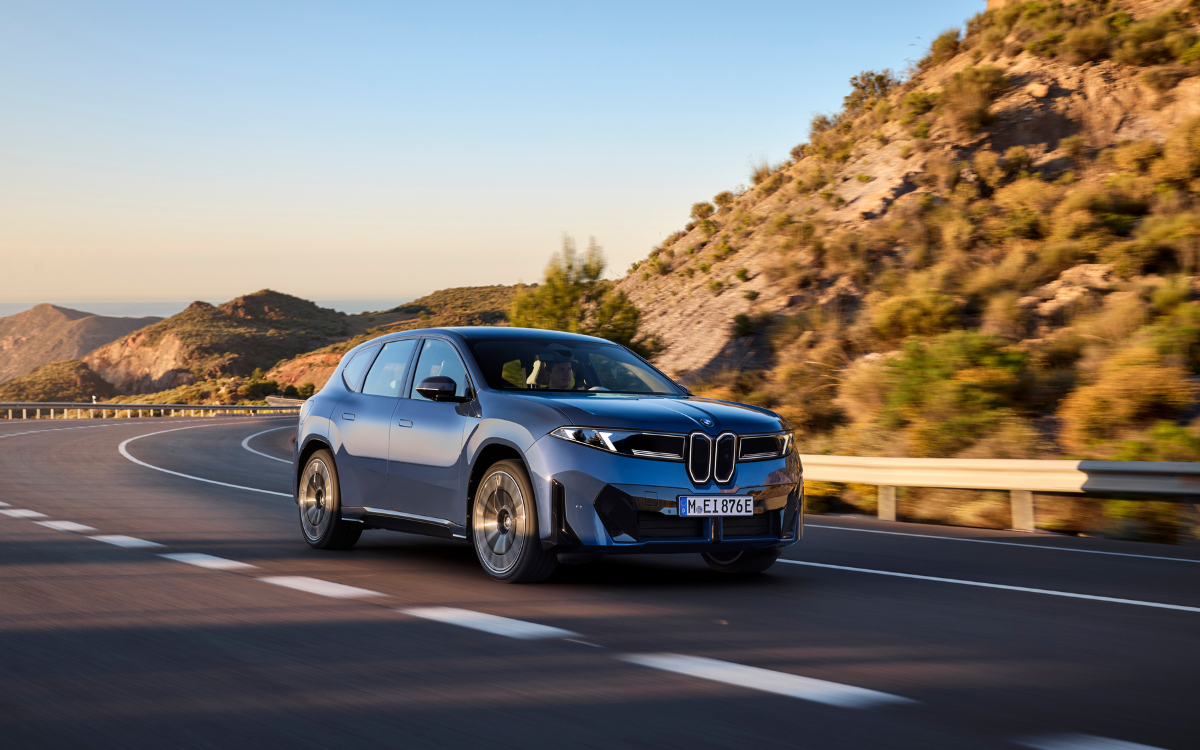
On paper, the BMW appeared to have a huge advantage.
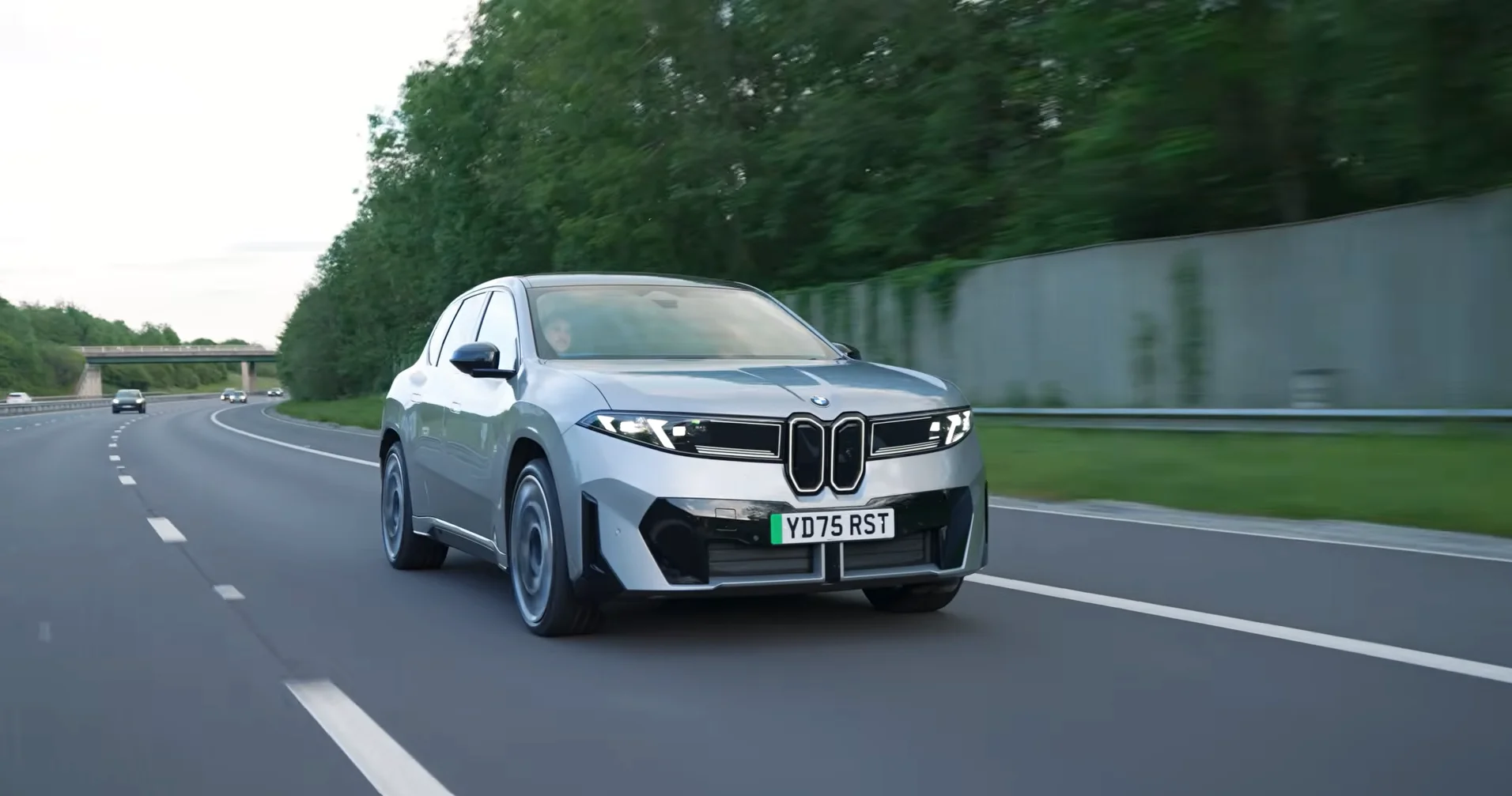
Its 108.7kWh battery offers an official range of up to 500 miles, although the high-spec version used for the test was rated at 448 miles because of its larger wheels and optional extras.
The Mercedes GLC Electric featured a smaller 94kWh battery and an official range of 393 miles in the specification tested.
However, Mercedes has equipped the GLC with something very unusual for an EV: a two-speed gearbox.
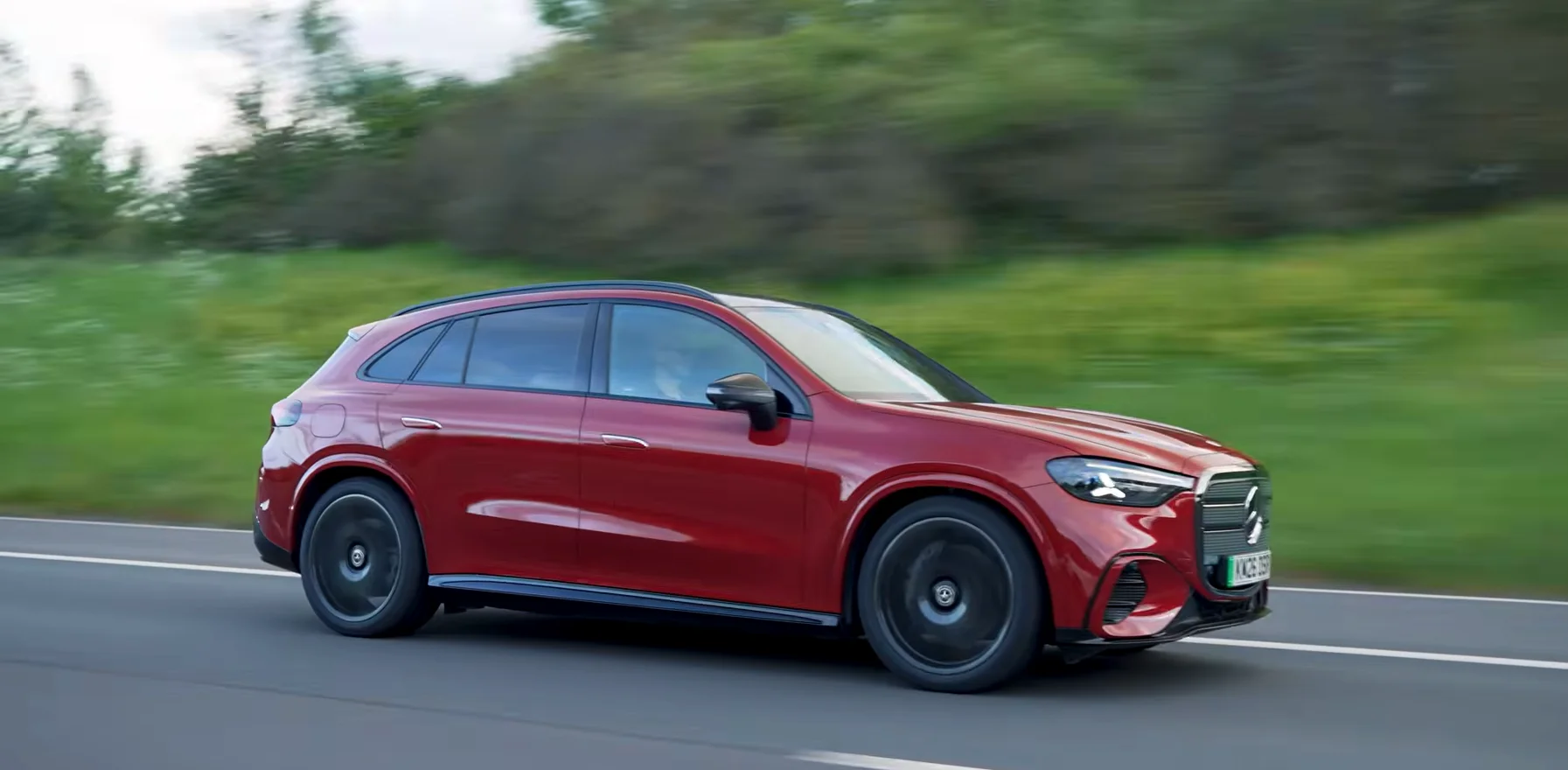
Like the Porsche Taycan EV, it uses a second gear at highway speeds to improve efficiency during long-distance driving.
When the cars finally stopped to recharge after covering 346 miles, the difference was much smaller than expected.
The Mercedes EV still had three percent battery remaining, giving it a projected real world range of 356 miles.
The BMW finished with seven percent remaining, which translated to an estimated maximum range of 372 miles.
That left just 16 miles separating the two cars despite the much larger gap in their official figures.
Wins in efficiency and comfort
Efficiency also favored the Mercedes because its trip computer recorded 3.7 miles per kWh, while the BMW managed 3.5 miles per kWh.
Once charging losses were taken into account, those figures dropped to 3.3 and 3.1 miles per kWh respectively.
The GLC was also quicker to recharge.
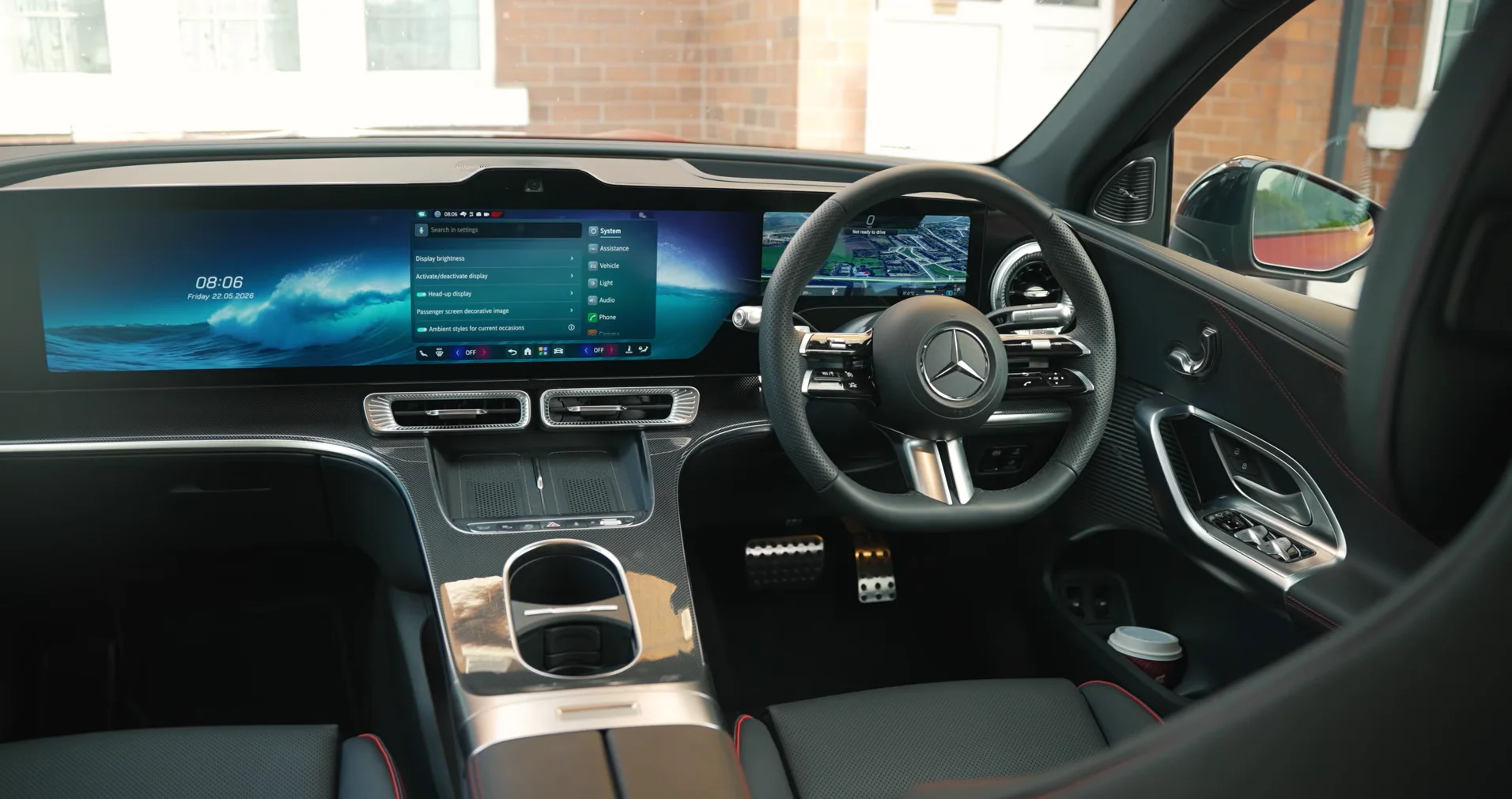
It completed a 10 to 80 percent charge in just 28 minutes, while the BMW needed 42 minutes under the test conditions.
Even the journey cost came out slightly lower for the Mercedes, using £85.97 (about $113.78 USD) worth of public rapid charging compared with £91.74 (roughly $121 USD) for the BMW.
That gap would shrink considerably with home charging, but the Mercedes still maintained the advantage.
The BMW fought back in other areas.
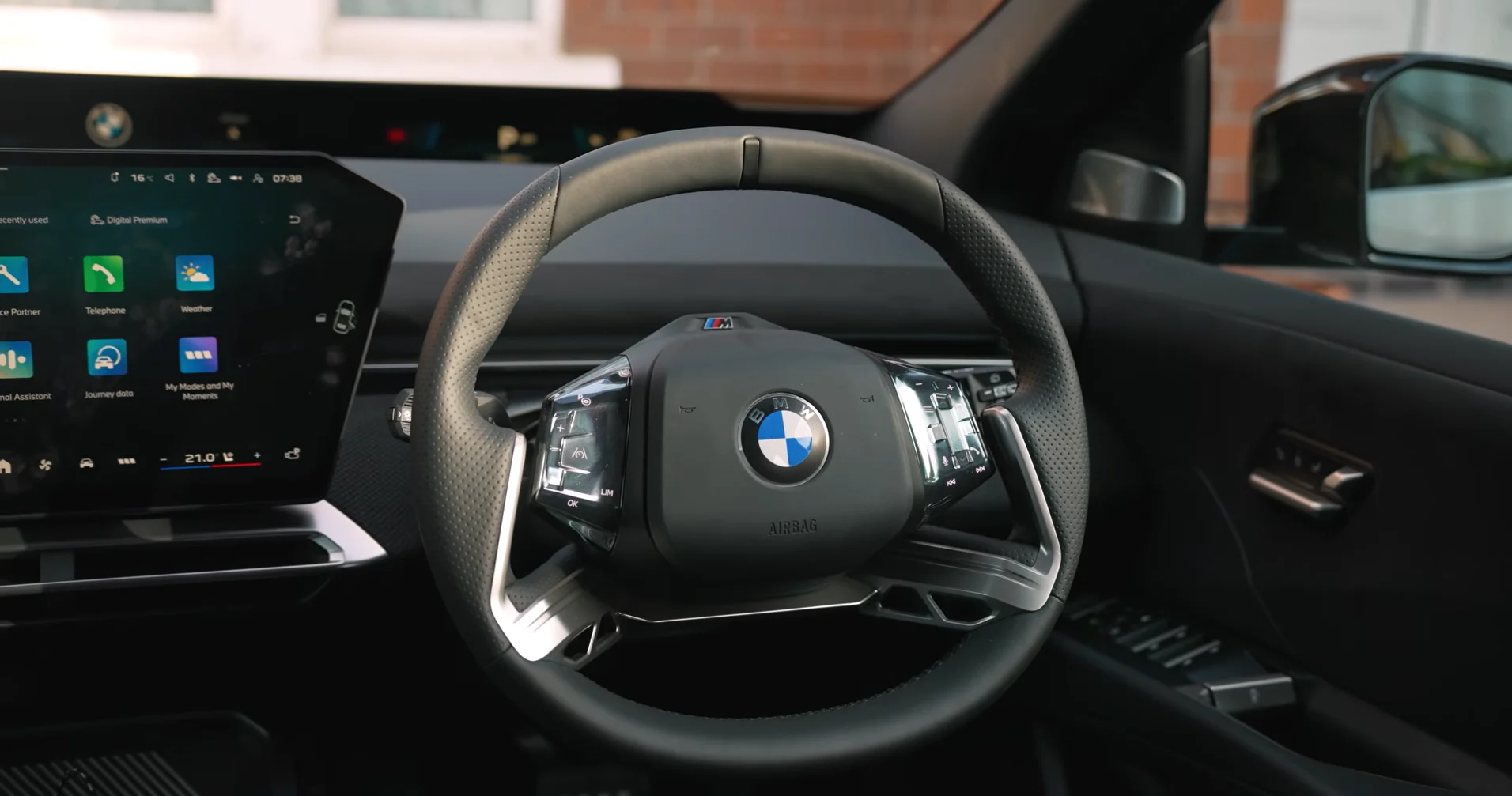
The YouTubers praised its sharper steering, more engaging handling and slightly more premium feeling cabin, making it the better choice for drivers who enjoy being behind the wheel.
The Mercedes, meanwhile, impressed with its quieter interior, more comfortable ride and larger luggage space, making it feel more suited to long distance touring.

After combining the results from the road trip with their wider testing programme, the reviewers declared the Mercedes GLC Electric the overall winner.
It only beat the BMW by a narrow margin, but its combination of real world efficiency, comfort, charging performance and lower monthly finance costs was enough to knock the iX3 off the top spot.
Daisy is a technology and automotive journalist covering artificial intelligence, consumer tech, Apple news, cryptocurrency, emerging technologies, and transportation innovation. Since joining the team in 2025, she has reported on everything from AI-powered startups and major iOS updates to viral car stories and the latest developments shaping transportation and the digital economy. Drawing on her background in automotive journalism and a degree in History and Journalism from Goldsmiths, University of London, Daisy specializes in breaking down complex topics into clear, engaging reporting for a global audience. Her work spans cutting-edge technology, innovative vehicles, and the people driving change across both industries. Daisy has gained first-hand access to some of the world's most talked-about technologies and innovators, including meeting Tesla's Optimus humanoid robot during its first European appearance in London. She has also discussed the future of space exploration with an astronaut, bringing unique insights and real-world perspectives to her coverage of emerging technology.