Michigan man buys an abandoned $3.4M Navy SEAL boat and spends months bringing the military machine back to life
Published on Nov 23, 2026 at 12:17 PM (UTC-5)
by Alessandro Renesis
Last updated on Nov 23, 2026 at 12:19 PM (UTC-5)
Edited by
Mason Jones
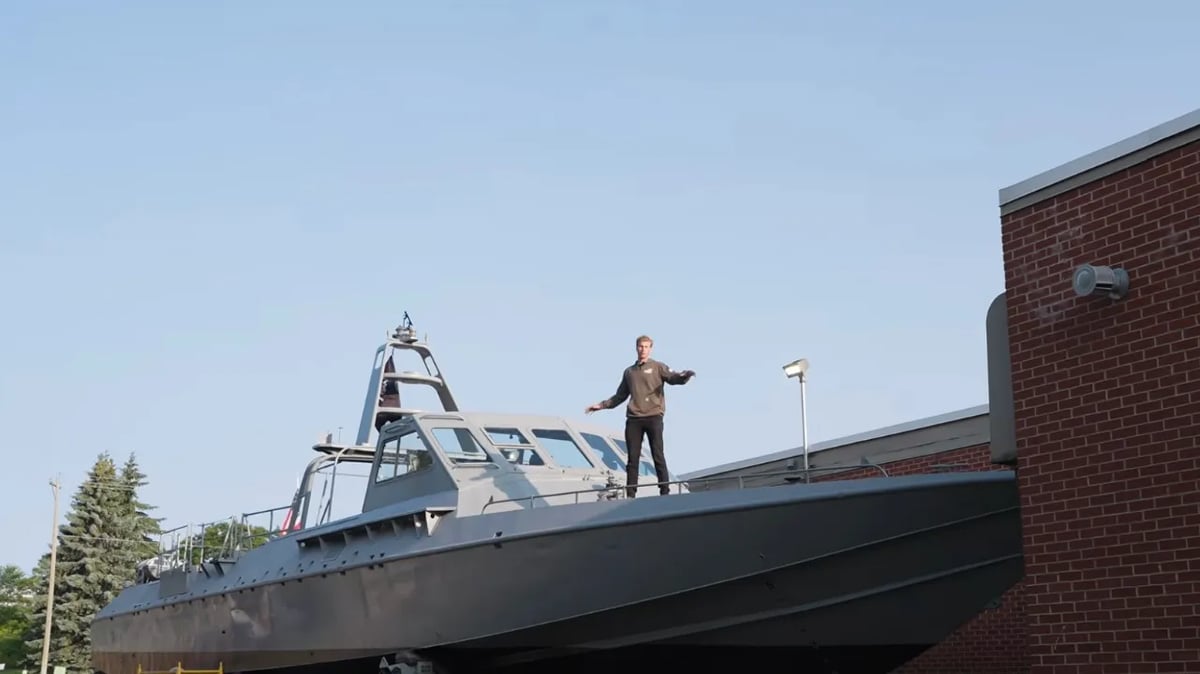

This Michigan YouTuber brought a $3.4 million Navy Seal boat back to life to use it as a private watercraft.
If it sounds expensive and complicated, it’s because it was.
Still, the end result was actually spectacular.
And there’s a question we must answer and address.
The complex engineering required to restore a Navy Seal boat
After sitting untouched for nearly 15 years, a rare, decommissioned Navy SEAL Mark V Special Operations Craft – hull number 972 – was brought back to life in Michigan by YouTuber P45 Equipment.
“When we picked it up, the boat had been sitting for close to 15 years, and we didn’t even know if the engines would ever run again,” the YouTuber explained in the video.
The answer was that it did, but it wasn’t easy.
Originally built at a cost of around $3.4 million to transport special operations forces at high speeds, the vessel was hauled from Virginia to Michigan by the crew behind the YouTube channel P45.
But getting the massive craft across the country was only the beginning.
Over the next five to six months, the team faced a long list of problems.
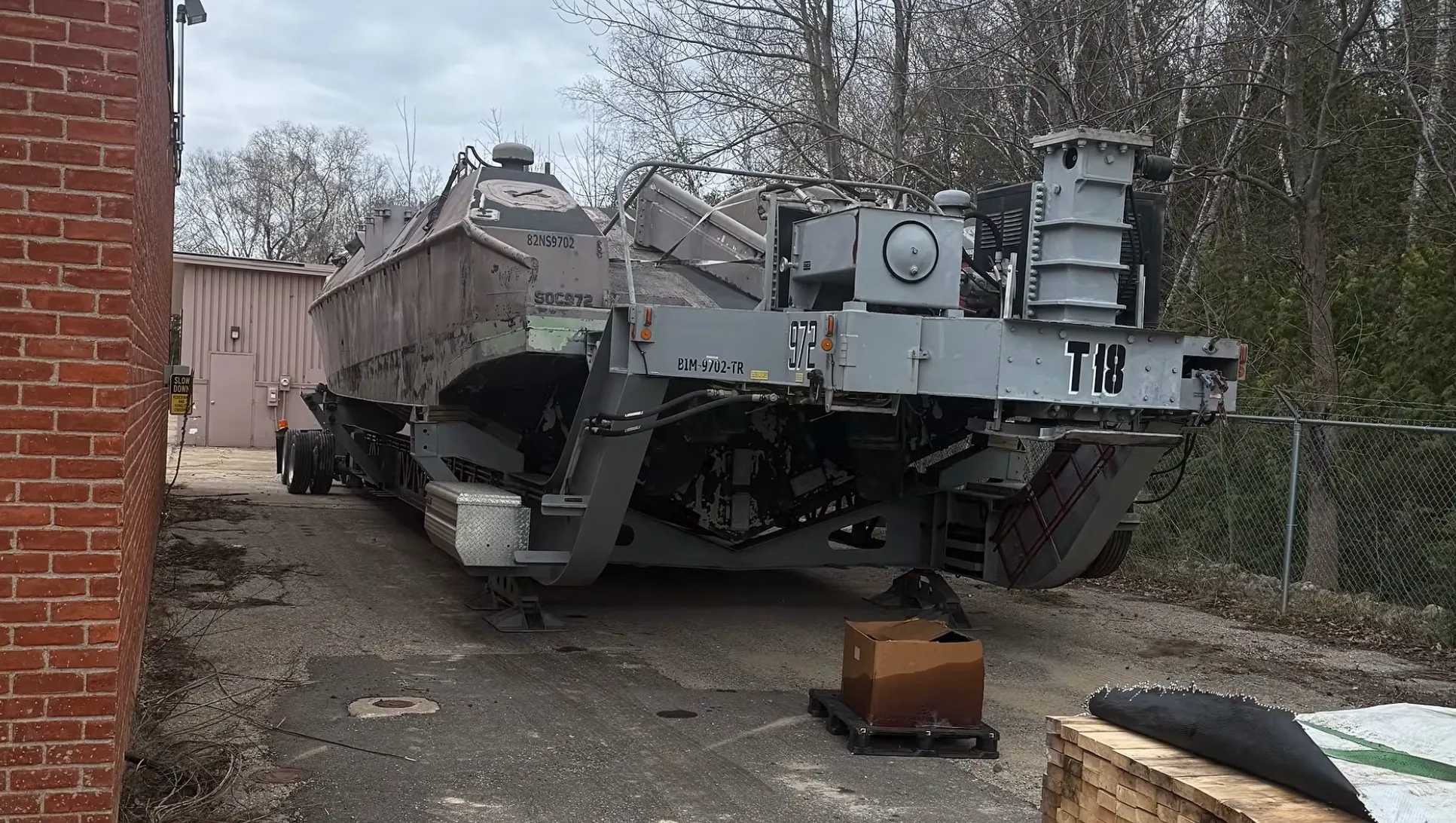
For starters, the Mark V was packed with specialized hardware designed for combat insertions, much of which had been stripped and demilitarized.
The team also had to drain stagnant oil and other fluids.
That wouldn’t be a huge problem in a car, but with a boat like this, it meant pumping roughly 800 (!) gallons of degraded diesel out of the vessel.
And it gets worse.
Why this was just the start
The team also had replace the dead battery banks and meticulously verified polarity across the system to avoid frying expensive, hard-to-replace military control modules.
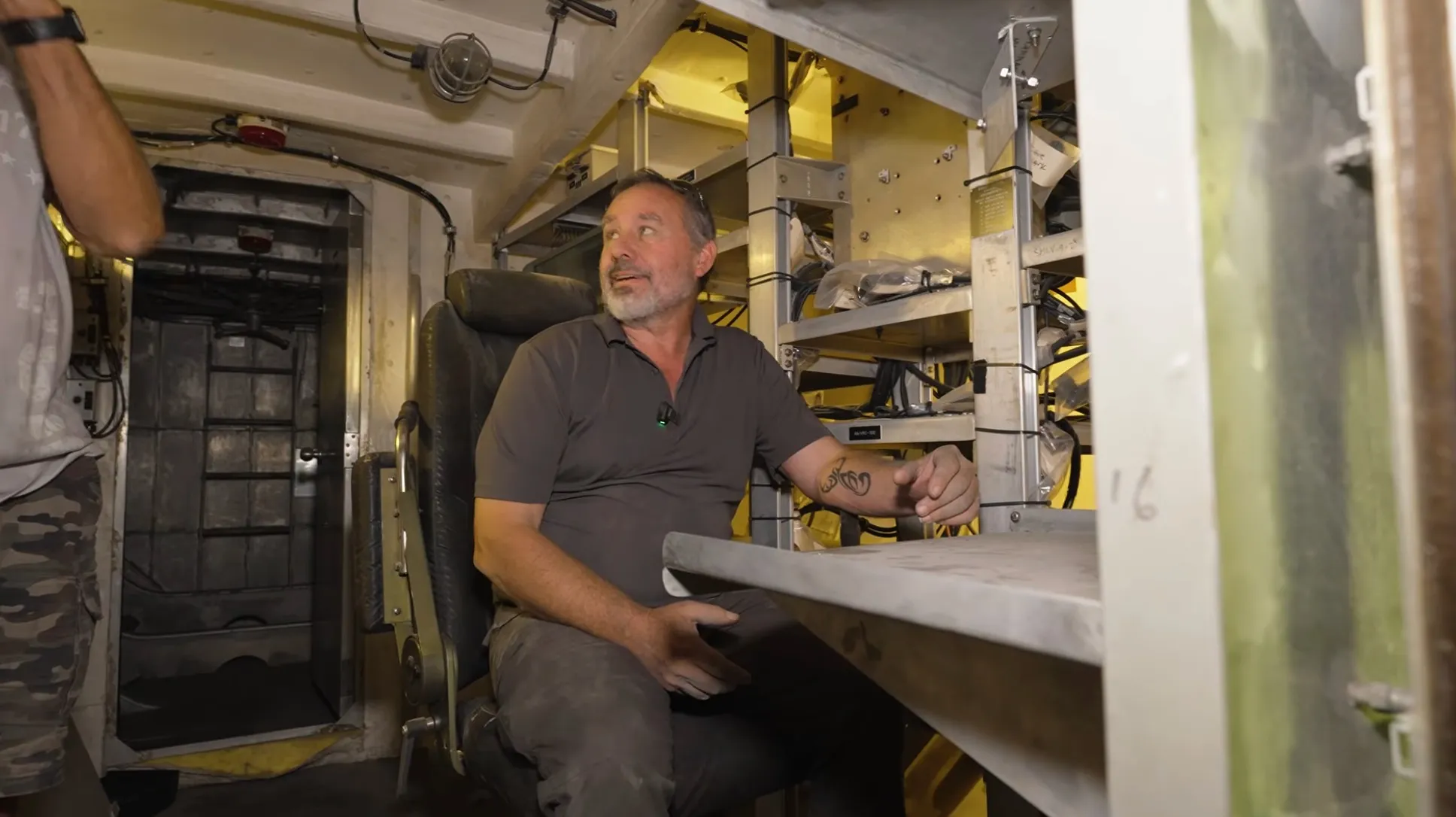
After bringing the boat back to life, they had to spend a fortune refitting the aft deck and interior.
They estimated that replacing the boat’s electronics alone could cost between $250,000 and $400,000.
The dedicated communications space had to be redesigned as well, and so many military-grade components – from the weapons room to the gun mounts – had to be either discarded or repurposed.
Getting back on the water
After months of challenges, the team finally brought the Mark V Special Operations Craft back to life.
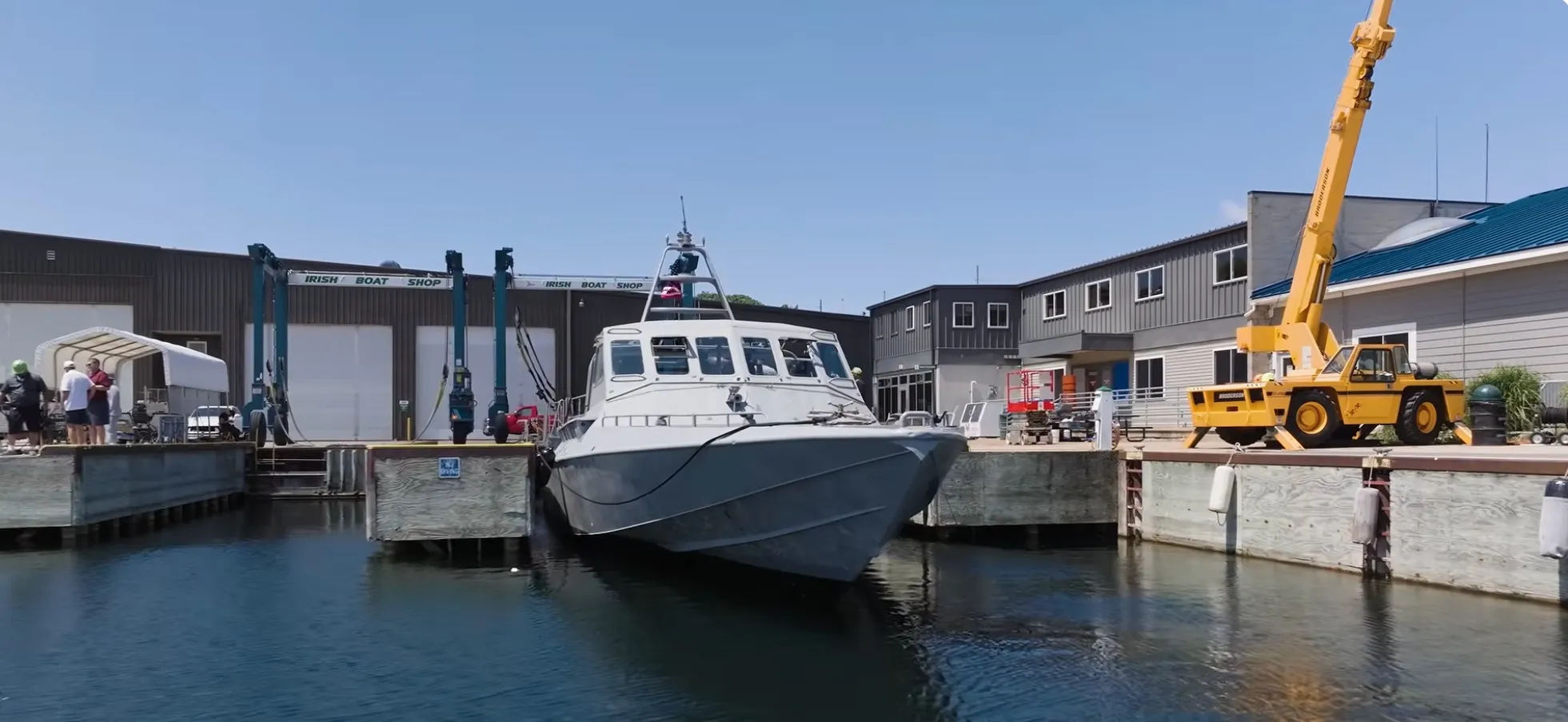
For the first time in 15 years, the former Navy SEAL boat returned to the water.
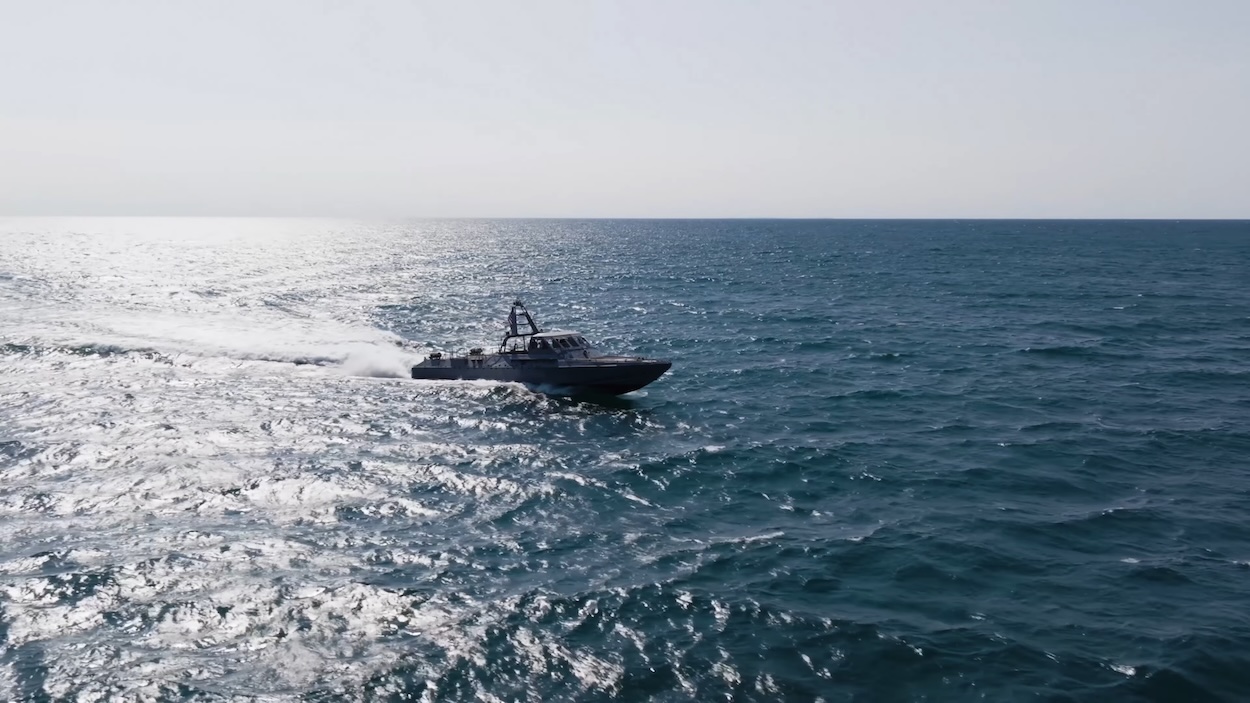
Transported to a marina and lowered into the water using a travel lift, the historic military craft passed its first major test, with the team confirming there were no leaks inside or outside the hull.
Now, with the launch successfully completed, they are putting the finishing touches on the control system and servicing the pumps before moving on to sea trials.
It was an immense job and it begs a question.
Aside from ‘how’, the other question is ‘why’ can you do it?

What it actually takes to own and run surplus military hardware
Bringing a decommissioned military vehicle into private hands involves a long list of legal, logistical, and mechanical necessities that go well beyond a typical restoration.
The first problem is something called Mandatory Demilitarization Compliance – or DEMIL, for short.
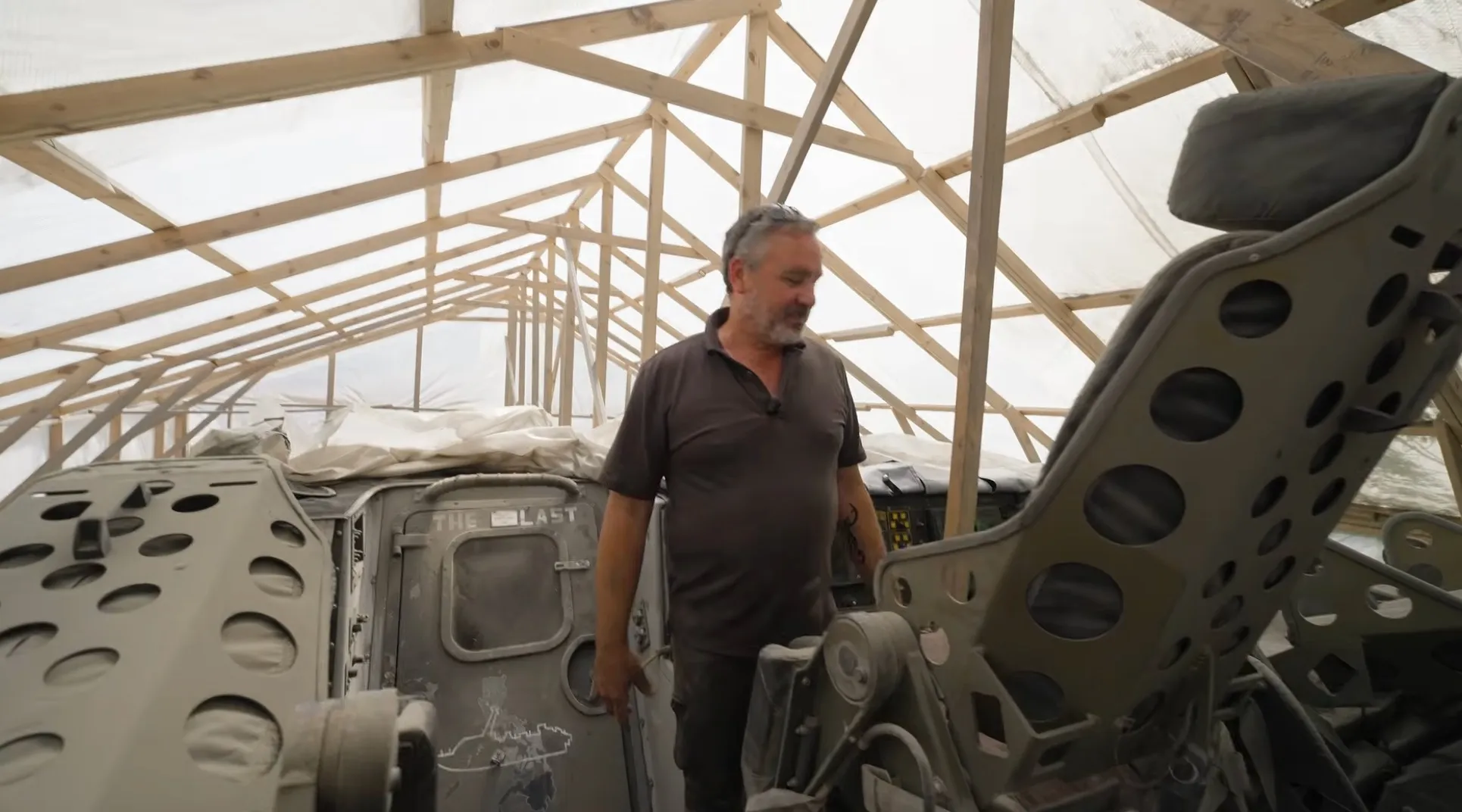
Before military hardware can enter the civilian world, strict federal rules require the permanent removal of a long list of things – not just actual weapons.
Weapon mounts, for example, must also be demilitarized or removed, along with encrypted electronics.
The military loves acronyms so here’s another one: C4ISR.
It stands for Command, Control, Communications, Computers, Intelligence, Surveillance, and Reconnaissance, which means that private owners often have to rebuild dashboards, navigation, and wiring from scratch.
And because military vessels operate under exemptions rather than standard civilian Coast Guard rules, private owners must install compliant commercial navigation lighting, radios, safety gear, and so on.
Then there’s bureaucracy. All kinds of government restrictions apply to registration and export of the vehicle, and even the sale of components.
Logistics and permit also face all kinds of bureaucratic hurdles.
While restoring a military craft of this scale is not easy, this team has shown that it is possible.
The best of Supercar Blondie, every Sunday
The week's best car stories, straight to your inbox. Free.
Alessandro is an automotive journalist with 10 years of experience covering supercars, automotive history, emerging vehicle technology, and luxury transportation. He wrote the first article published on SupercarBlondie.com when the website launched in 2022 and has since built a reputation for insightful reporting across the automotive and transportation industries. His expertise is grounded in hands-on experience. Alessandro has driven every Tesla model ever produced, from the original Roadster to the Cybertruck, and regularly covers the latest developments in electric vehicles and automotive innovation. His passion for transportation extends beyond cars, he has even flown a Boeing 787 Dreamliner simulator in Addis Ababa, Ethiopia. His reporting spans everything from classic American muscle cars and rare automotive discoveries to luxury yachts, private aircraft, high-end watches, and cutting-edge vehicle technology. Known for his deep knowledge of automotive history and ability to uncover the stories behind iconic vehicles, Alessandro brings readers a blend of historical context, technical expertise, and first-hand experience.