This is why refueling a nuclear submarine can take more than three years
Published on Dec 28, 2025 at 6:29 PM (UTC-5)
by Daisy Edwards
Last updated on Dec 28, 2025 at 6:29 PM (UTC-5)
Edited by
Emma Matthews
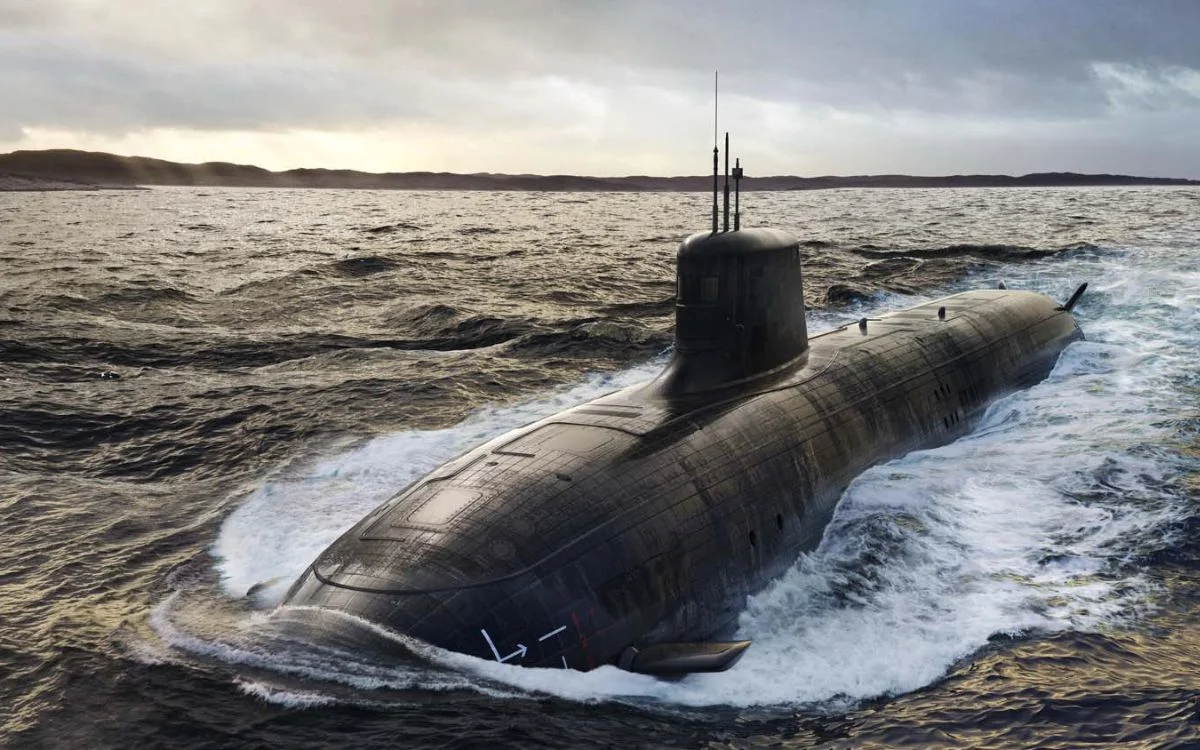

Refueling a nuclear submarine can take more than three years, and the scale of the job is on another level.
Unlike regular ships, these vessels need ultra-controlled, highly specialized overhaul projects to safely replace their nuclear fuel without a complete disaster occurring.
Some projects, like the USS Louisiana, stretched to 40 months from start to finish.
It’s one of the slowest, most expensive, and highest-stakes maintenance operations in the entire military.
EXPLORE SBX CARS – Supercar auctions starting soon powered by Supercar Blondie
Refueling a nuclear submarine is a dangerous game
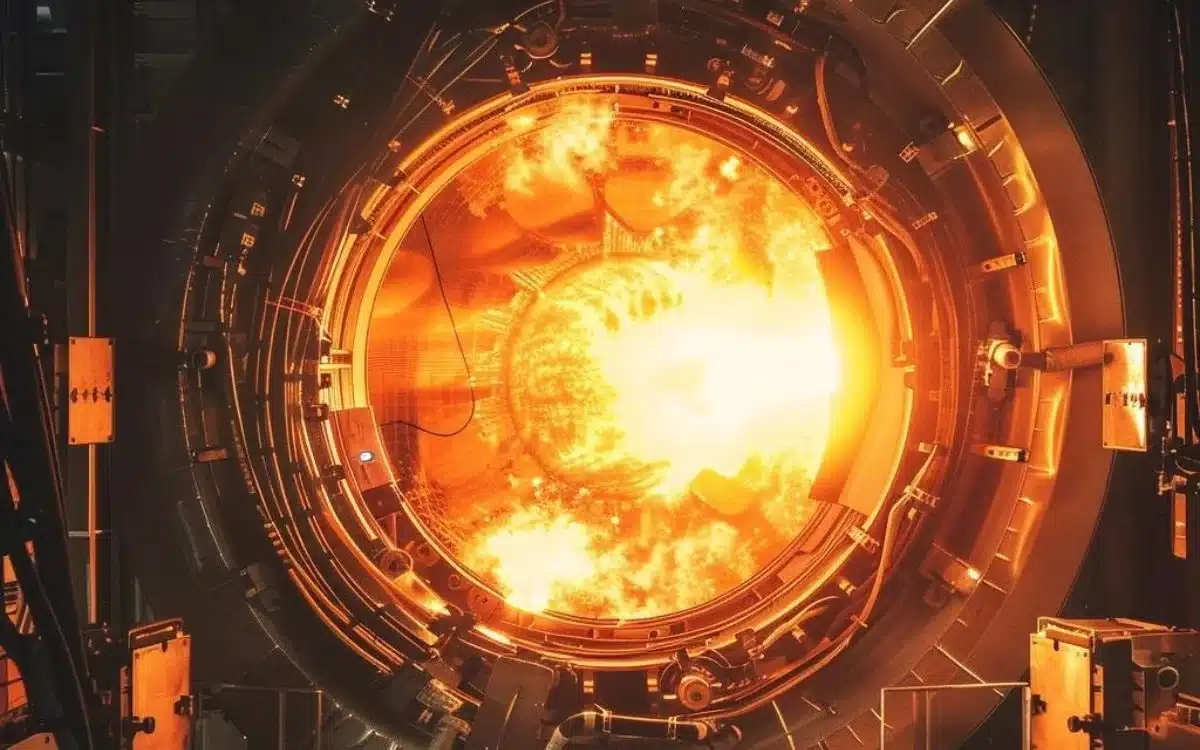
Nuclear submarines are very dangerous pieces of tech, and they run on highly enriched uranium, so swapping that out isn’t as simple as opening a hatch and pouring in more fuel.
The sub has to be hauled into a secure dry dock, completely powered down, and surrounded by radiation-shielding infrastructure before any of the hardest work can begin.
From there, engineers have to carefully dismantle major sections of the submarine to reach the reactor deep inside the hull.
The job requires specialists in nuclear engineering, radiation safety, weapons systems, and even naval architecture.
Every bolt, panel, and cable removed is tracked, inspected, and logged because precision is everything – even a small error in a nuclear submarine can compromise the entire sub.

Why the overhaul takes years
Refueling is only one part of the process, and while the submarine is opened up, the Navy makes the most of the opportunity to rebuild almost every major system on board.
All of that includes electronics, propulsion components, sonar arrays, navigation hardware, and all the facilities where the crew live and work.
At the same time, specialist teams handle radioactive materials under some of the strictest safety rules on the planet.
Obviously, that slows everything down, but it’s necessary when workers are literally inches away from a nuclear reactor.

By the time the job wraps up, the submarine is essentially a new machine built around a fresh nuclear core.
So next time you’re stuck waiting at a fuel pump with your car, just remember: some vehicles need three years to top up.
Daisy is a technology and automotive journalist covering artificial intelligence, consumer tech, Apple news, cryptocurrency, emerging technologies, and transportation innovation. Since joining the team in 2025, she has reported on everything from AI-powered startups and major iOS updates to viral car stories and the latest developments shaping transportation and the digital economy. Drawing on her background in automotive journalism and a degree in History and Journalism from Goldsmiths, University of London, Daisy specializes in breaking down complex topics into clear, engaging reporting for a global audience. Her work spans cutting-edge technology, innovative vehicles, and the people driving change across both industries. Daisy has gained first-hand access to some of the world's most talked-about technologies and innovators, including meeting Tesla's Optimus humanoid robot during its first European appearance in London. She has also discussed the future of space exploration with an astronaut, bringing unique insights and real-world perspectives to her coverage of emerging technology.




