This 1950s Ford concept ran on uranium instead of gas
Published on Oct 06, 2025 at 2:05 AM (UTC-4)
by Jason Fan
Last updated on Oct 06, 2025 at 12:33 PM (UTC-4)
Edited by
Kate Bain
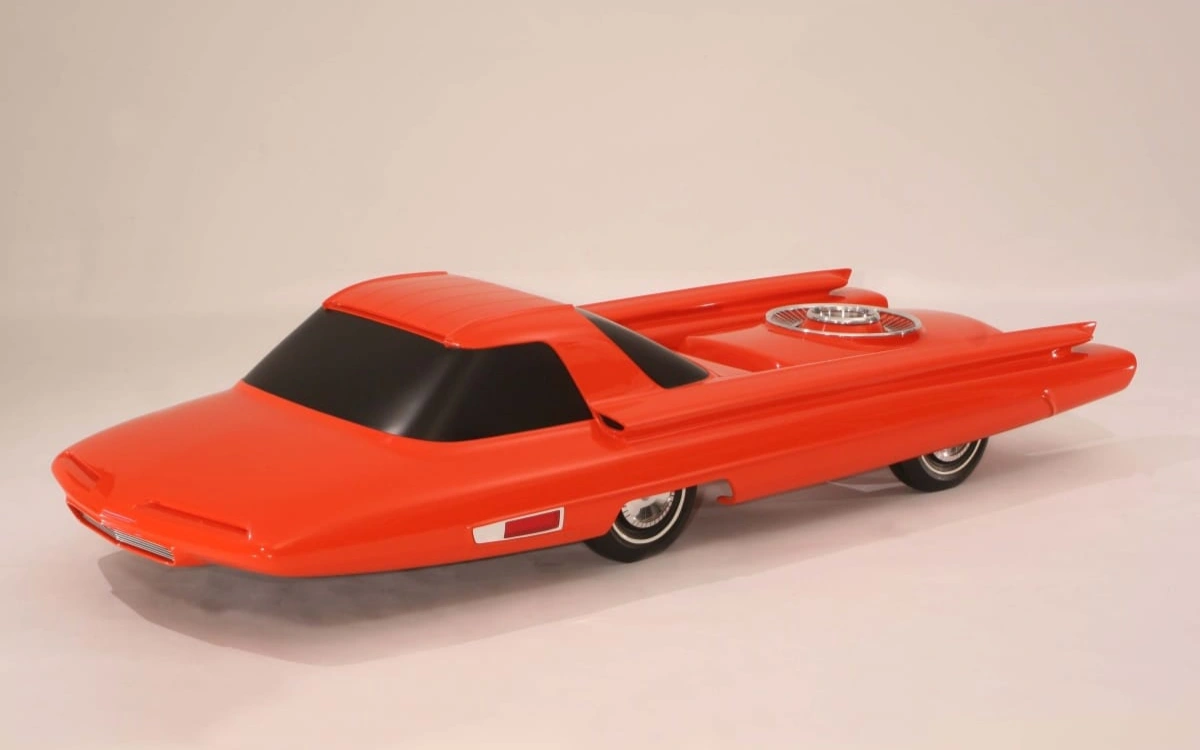

Back in the 1950s, an innovative Ford concept car was born, known as the Ford Nucleon, powered by uranium rather than gasoline.
Unveiled in 1958, it represented the height of America’s postwar atomic optimism.
Back then, many believed that nuclear energy could do just about anything, and nuclear cars were thought of as the next big thing.
But while the Nucleon’s ambition was enormous, reality quickly caught up to the fantasy.
SBX CARS – View live supercar auctions powered by Supercar Blondie
How the Ford Nucleon was designed to work
The Ford Nucleon was conceived during the 1950s, when nuclear technology symbolized limitless potential.
The company’s engineers envisioned a vehicle powered by a small, replaceable nuclear reactor mounted in the rear.
The car, in theory, could travel up to 5,000 miles before needing a new uranium fuel cell.
This is several times more than the most advanced EVs in development today.
Its design was strikingly futuristic, featuring a low-slung body, a panoramic glass canopy, and a reactor capsule that could be swapped out at special service stations.
This was a little like refueling, but for the atomic age.
Related

Why the Ford concept nuclear car failed
So why didn’t it work? The answer lies in physics, practicality, and public safety.
Miniaturizing a nuclear reactor for a consumer vehicle proved impossible with 1950s technology.
The amount of shielding required to protect passengers from radiation would have made the car incredibly heavy, inefficient, and dangerous.
Add to that concerns about potential accidents and radioactive waste, and the project was shelved long before it could move beyond a 3/8-scale model.
Still, the Ford concept’s vision of a cleaner, long-range future wasn’t entirely misplaced.
Decades later, the dream of moving away from fossil fuels has reemerged through electric vehicles (EVs).
Today’s EVs, from the Tesla Model 3 to Ford’s own F-150 Lightning, fulfill that same promise of innovation and sustainability.
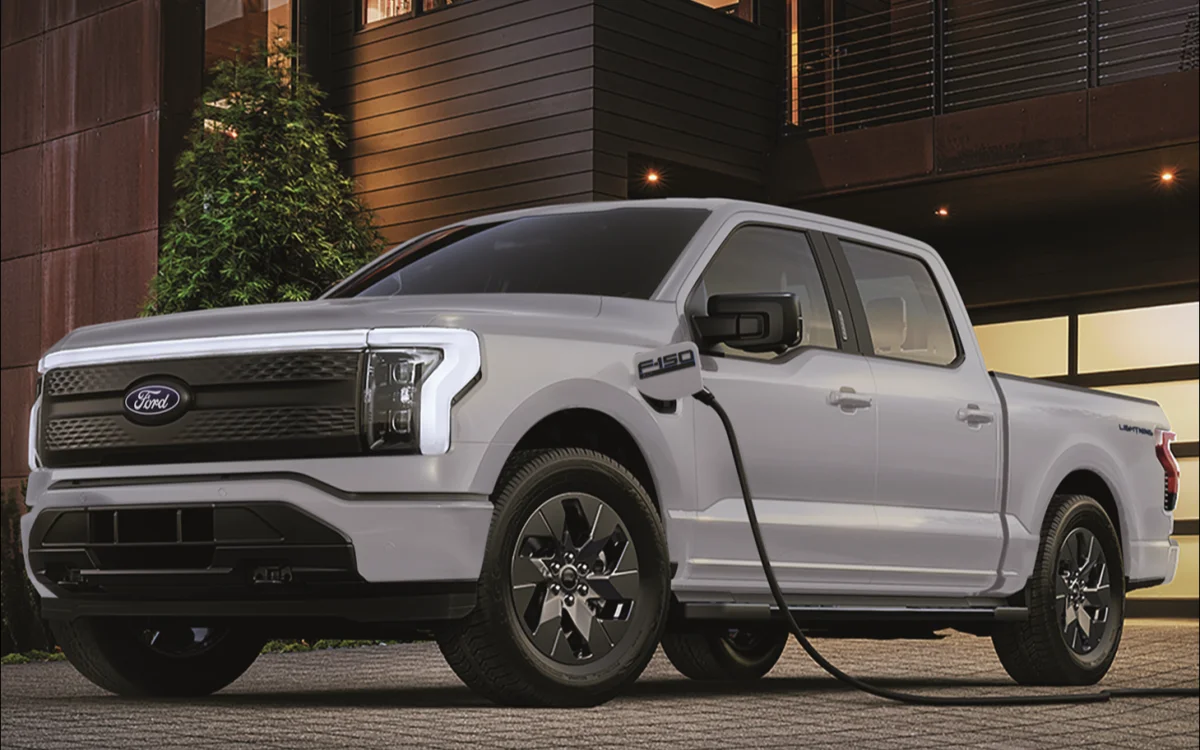
Of course, they do it with lithium batteries, rather than uranium cores.
The Ford Nucleon joins a long list of outlandish automotive experiments, from jet-powered cars to flying vehicles.
While the nuclear car never materialized, some seemingly far-fetched concept vehicles are already leaving the brainstorming stage.
Solar-powered EVs exist, and this one can even take on a 300-mile journey without stopping to charge.
And flying cars are actually in development as well, and may soon be landing at California airports.