2,000+ HP Toyota Supra beats a Bugatti after hitting 259mph and it's all down to some genius engineering
Published on Aug 08, 2026 at 10:22 AM (UTC-4)
by Alessandro Renesis
Last updated on Aug 08, 2026 at 10:22 AM (UTC-4)
Edited by
Mason Jones
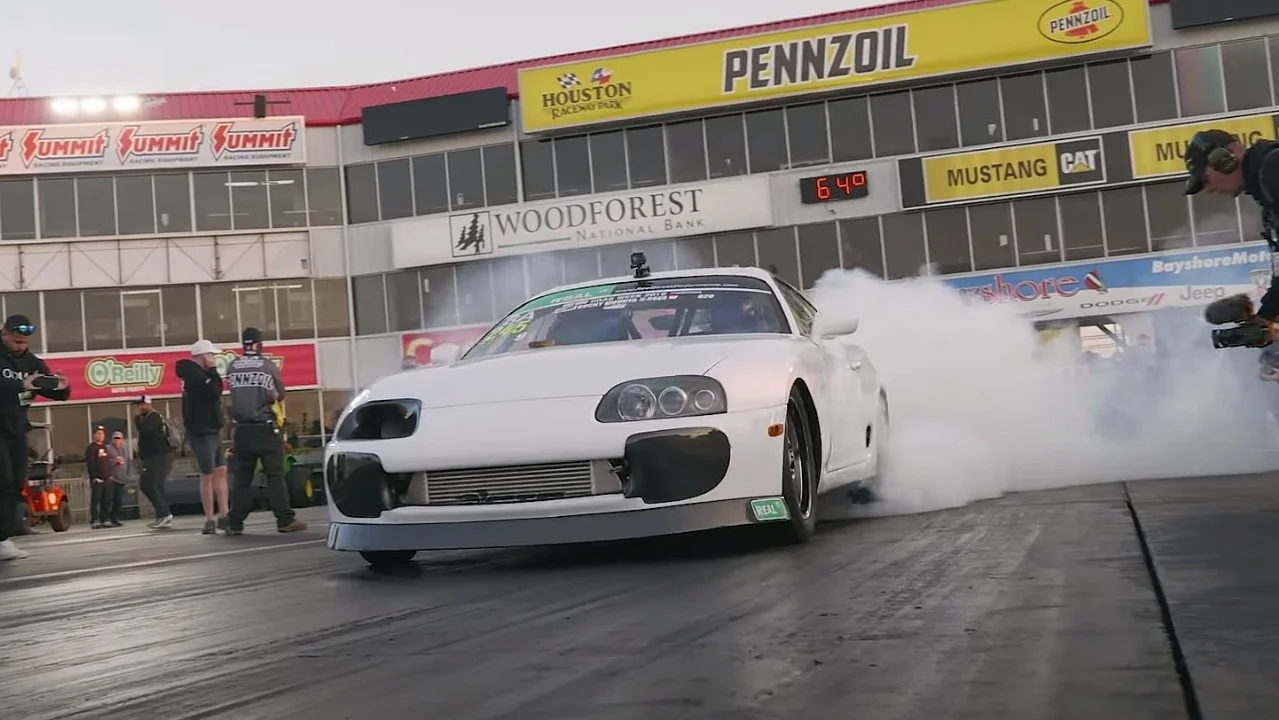

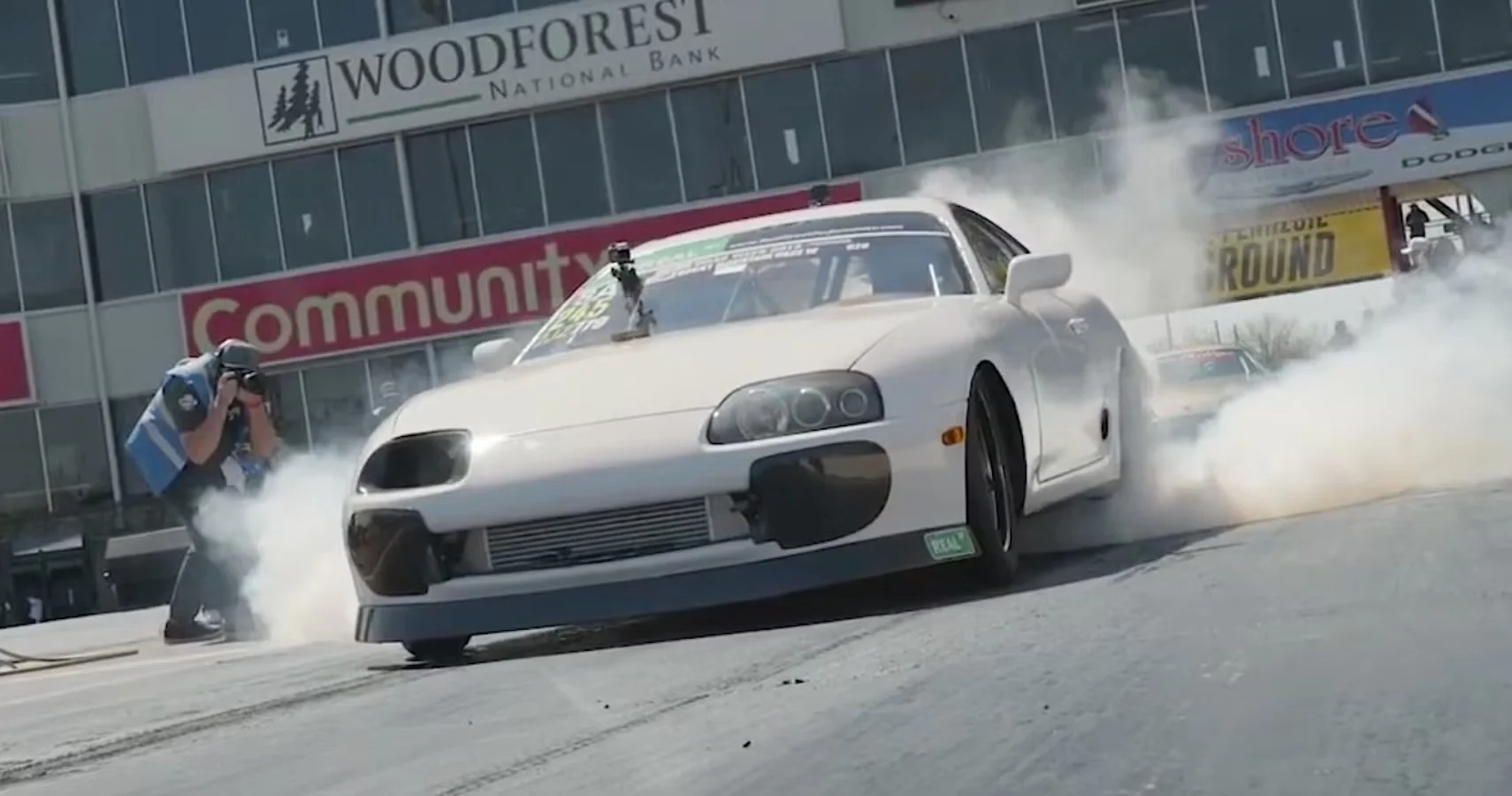
This Toyota Supra is somehow capable of delivering 2,000 horsepower, a point the owner proved by outpacing a Bugatti Chiron.
At 420+ km/h, the Chiron is one of the fastest production cars in the world.
But that still wasn’t enough to keep the Supra at bay.
In fact, it looked like the Supra was just getting started as it tore past the Chiron.
What in the Fast & Furious is going on here?
This Toyota Supra would make Vin Diesel/Dominic Toretto proud.
It features a fruit salad of modifications that remind us of the early days of the Fast franchise.
There’s a custom steel crankshaft, custom steel rods, custom (and forged) aluminum pistons, and a massive turbocharger system.
There’s also a new fuel system, and the ECU has been tweaked as well.
The result is a drag-race superstar that can beat nearly anything, including a Bugatti Chiron.
In a video posted by hibe_xd, the Chiron was seen driving at 417 km/h (259.7 mph) before being overtaken a Toyota Supra
That’s Fast & Furious stuff – made real.
Pictured below: the car is now painted blue, but it used to be white
The reality behind these supersized engines
One of the biggest problems with these tuned cars is that they’re always minutes away from sort of imploding.
There’s a shared understanding – or maybe a mantra – among industry experts and people who work in automotive media.
It goes somewhat like this: if Bugatti decided to give the Chiron 1,600 PS, it means the car is capable of sustaining 1,600 PS – not 1,700 or 1,800 – without an issue.
If they thought a Bugatti Chiron with more power could work, they’d have done it.
So the bottom line is that the Supra is not designed to tolerate 2,000 horsepower.
Not for long anyway.

The factory 2JZ-GTE was designed for (depending on the model) between 280 to 320 horsepower.
Reaching 2,000 horsepower exceeds factory design limits by over 600 percent, requiring virtually every moving part to be replaced with reinforced aftermarket components.
It also requires constant upkeep, constant tweaking, and you’re always a couple of headaches away from a very, very expensive bill.
But hey, that’s the beauty of tuning.
A short history of the Toyota Supra
1978 – Toyota unveils the first-generation Supra, loosely based on the Toyota Celica and only available with an inline-six engine
1981 – Just three years later, Toyota redesigns its coupe with more engine options, also, with the second generation, the Supra becomes officially available outside of Japan for the first time
1986 – The third-generation model debuts with updated looks and upgraded engines but – this is the main key difference – it is no longer based on the Celica because the Celica is now a front-wheel drive car, while the Supra retains its rear-wheel drive platform
1993 – The fourth generation, the ‘Fast & Furious one‘ debuts in Japan and, one year later, in North America
2019 – After a long, long 17-year hiatus, the new Supra debuts sharing several components with a few BMW models, including the engines
2026 – Production of the Supra ends, and there’s no planned successor
Alessandro is an automotive journalist with 10 years of experience covering supercars, automotive history, emerging vehicle technology, and luxury transportation. He wrote the first article published on SupercarBlondie.com when the website launched in 2022 and has since built a reputation for insightful reporting across the automotive and transportation industries. His expertise is grounded in hands-on experience. Alessandro has driven every Tesla model ever produced, from the original Roadster to the Cybertruck, and regularly covers the latest developments in electric vehicles and automotive innovation. His passion for transportation extends beyond cars, he has even flown a Boeing 787 Dreamliner simulator in Addis Ababa, Ethiopia. His reporting spans everything from classic American muscle cars and rare automotive discoveries to luxury yachts, private aircraft, high-end watches, and cutting-edge vehicle technology. Known for his deep knowledge of automotive history and ability to uncover the stories behind iconic vehicles, Alessandro brings readers a blend of historical context, technical expertise, and first-hand experience.