NASA astronaut explains the changes that happen to your body when you're in space
Published on Aug 12, 2025 at 7:17 PM (UTC-4)
by Daisy Edwards
Last updated on Aug 12, 2025 at 7:17 PM (UTC-4)
Edited by
Emma Matthews


In a recent interview, a NASA astronaut called Nicole Stott explained the changes that happen to your body when you’re in space.
From physical changes to changes in sleep patterns and brain adaptations, when you go to space, some freaky things can happen to your body.
In order to train for off-planet living, astronauts head in the opposite direction and travel underwater, because the effects of weightlessness underwater mimic those of space.
One thing’s for sure, apparently you sleep like a baby when you’re up in space.
EXPLORE SBX CARS – Supercar auctions starting soon powered by Supercar Blondie
NASA astronaut explains the body changes that happen in space
In a recent interview, a NASA astronaut by the name of Nicole Stott shared the strange and freaky things that happen to astronauts’ bodies when they are in space for a long period of time.
Stott first described the reason why Earth is the best place for humans to live, because although astronauts would love to explore places like Jupiter’s moons, human biology would have to physically adapt to allow that.
When astronauts go to the International Space Station, the weirdest thing happens on the first day – their spine elongates by 1.5 inches, which causes a bit of back pain at first.
Apparently, after the initial day, the astronauts have the most comfortable sleep of their lives with their elongated spines and without the effect of gravity.


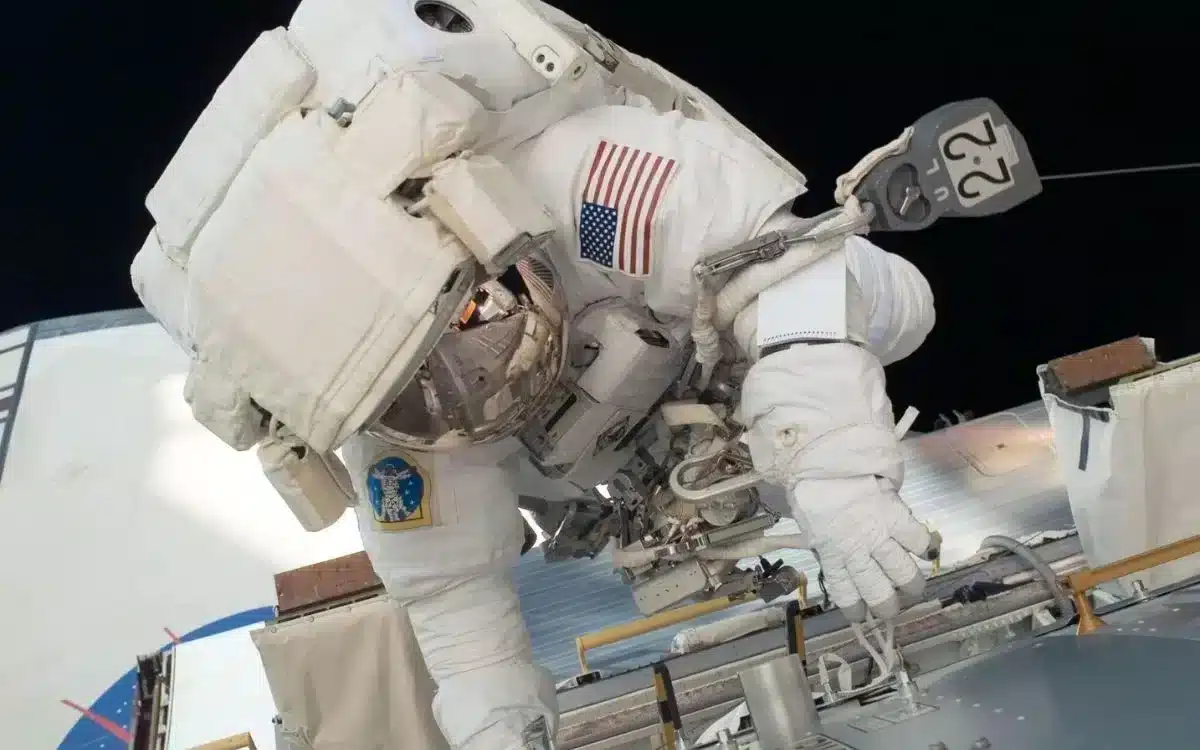
The effect of anti-gravity
In the interview, Stott says that without Earth’s gravity, all bodily fluids head towards the head, causing changes in muscle tone, bone density, and even the way their organs function.
Even more weirdly, the heart actually shrinks, and there can be issues with blood flow, muscles, bones, and cardiovascular systems, so regular exercise and nutrition are key to staying healthy in space.
When astronauts are training for interstellar work, they head in the opposite direction and live underwater for a bit, and Supercar Blondie’s very own Sergi actually trained as an astronaut himself. Check out the video below.
If you’re having a bad night’s sleep, we know what you can blame your insomnia on – gravity.

Daisy is a technology and automotive journalist covering artificial intelligence, consumer tech, Apple news, cryptocurrency, emerging technologies, and transportation innovation. Since joining the team in 2025, she has reported on everything from AI-powered startups and major iOS updates to viral car stories and the latest developments shaping transportation and the digital economy. Drawing on her background in automotive journalism and a degree in History and Journalism from Goldsmiths, University of London, Daisy specializes in breaking down complex topics into clear, engaging reporting for a global audience. Her work spans cutting-edge technology, innovative vehicles, and the people driving change across both industries. Daisy has gained first-hand access to some of the world's most talked-about technologies and innovators, including meeting Tesla's Optimus humanoid robot during its first European appearance in London. She has also discussed the future of space exploration with an astronaut, bringing unique insights and real-world perspectives to her coverage of emerging technology.




