Tesla Cybertruck chosen for life-saving role by NASA to help astronauts escape an emergency
Published on Aug 06, 2026 at 4:51 AM (UTC-4)
by Alessandro Renesis
Last updated on Aug 07, 2026 at 10:17 AM (UTC-4)
Edited by
Kate Bain
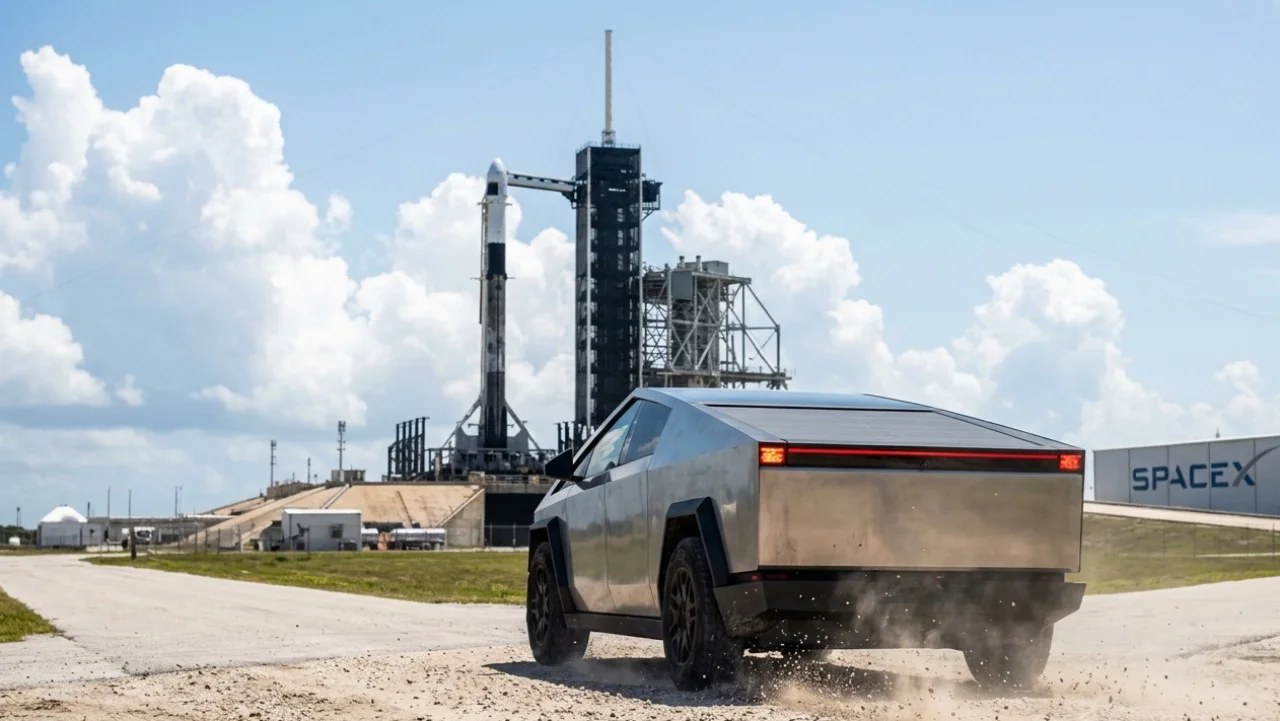

NASA and SpaceX have just announced they’re going to be using Tesla Cybertrucks for a key safety operation.
This is one of those operations no one talks about because it’s not as glamorous as sending people to space and not as exciting as a rocket taking off, but it’s a crucial component of their protocol.
Most of what they do revolves around safety.
And that’s where the Cybertruck comes into play.
We probably underestimate SpaceX’s influence
We don’t know how we got here, but here we are: NASA has become deeply dependent on SpaceX for critical missions, creating a dynamic between a government agency and a commercial player that’s almost unheard of.
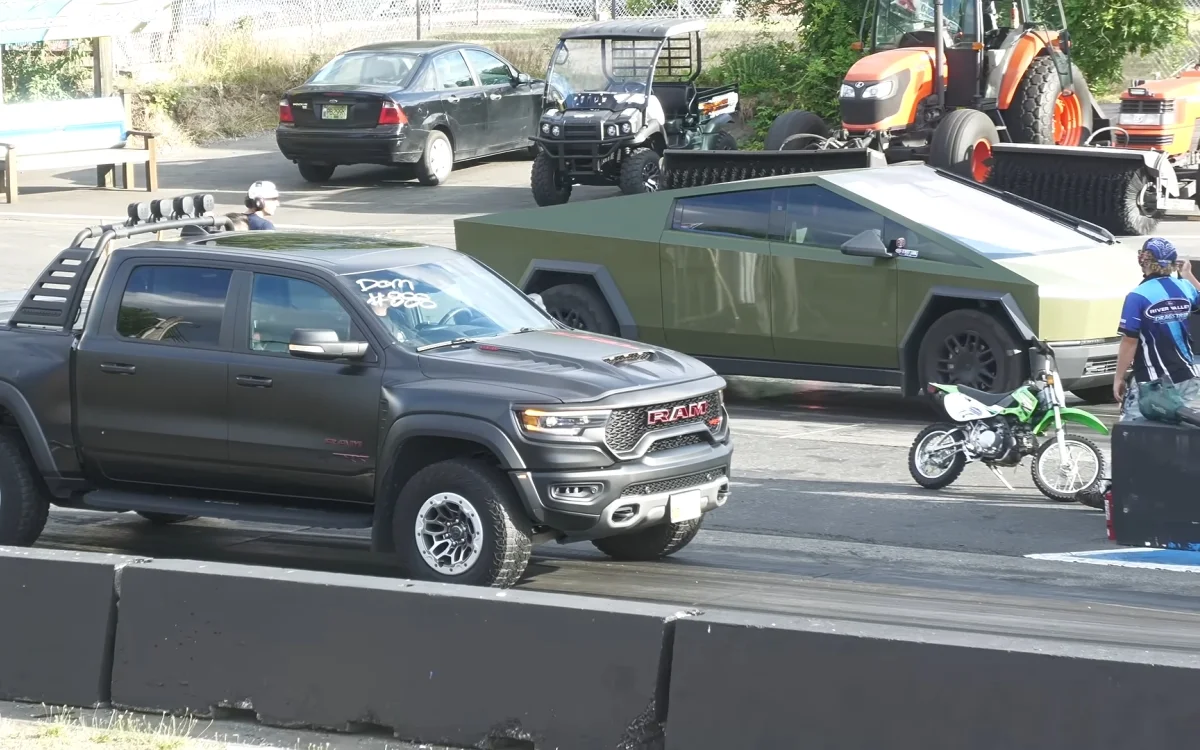
Tesla Cybertruck drags Ram 1500 TRX in EV vs gas battle in Canada and it quickly gets ugly
One of the most recent (and most evident) examples of this dates back to a year ago, when SpaceX successfully returned NASA astronauts Butch Wilmore and Sunita Williams from the ISS.
The astronauts had been stranded on the ISS after their Boeing Starliner spacecraft malfunctioned upon docking in June 2024.
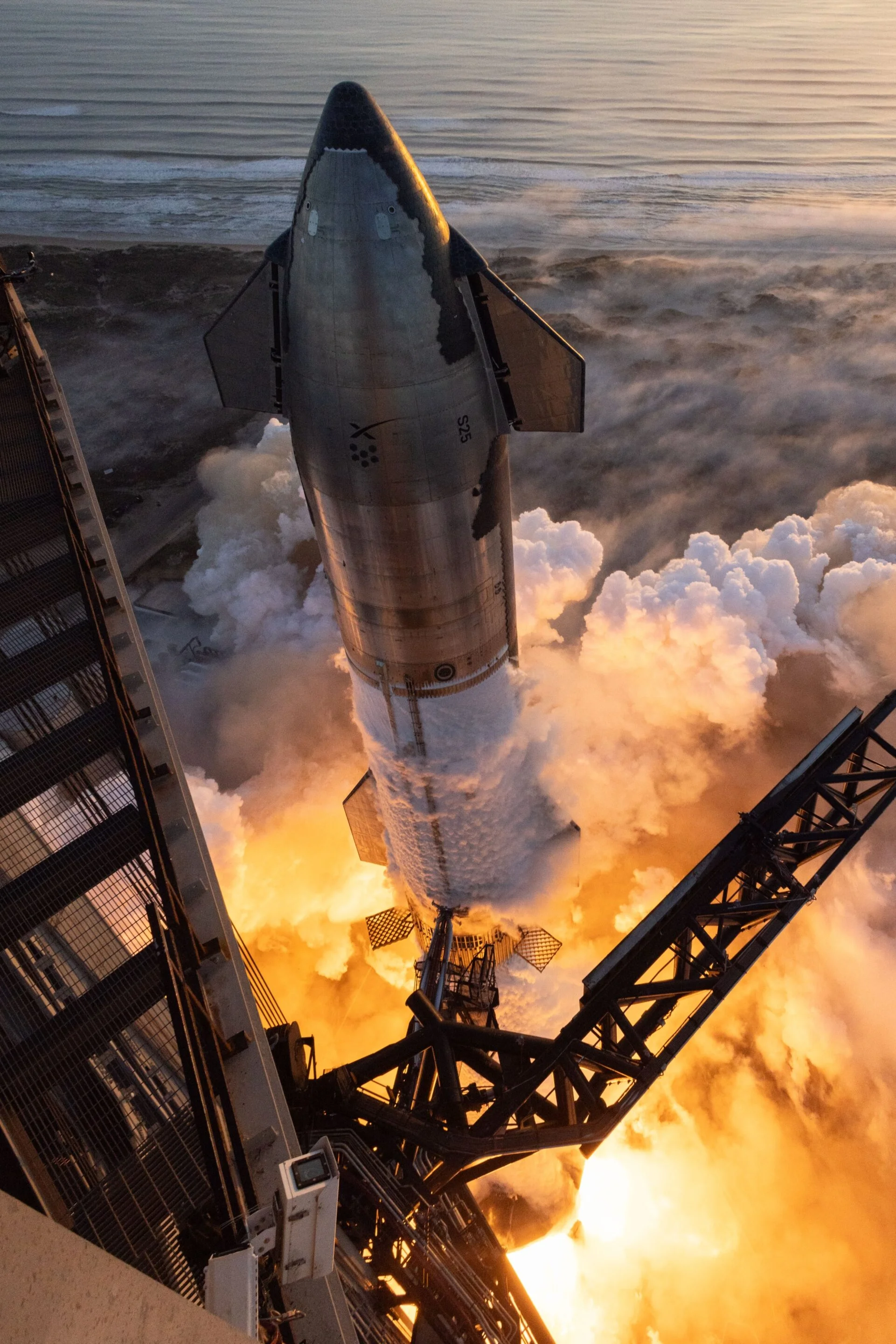
To bring them home, NASA had to call SpaceX not because SpaceX could do it better or cheaper or faster.
They had to call SpaceX because NASA simply couldn’t pull it off.
This brings us to NASA’s decision to integrate Cybertrucks into its safety operations.
Why NASA is using Tesla Cybertrucks
It’s an open secret that Musk has been ‘offloading’ some of Tesla’s Cybertrucks to his other companies.
SpaceX and The Boring Company own fleets of Cybertrucks.
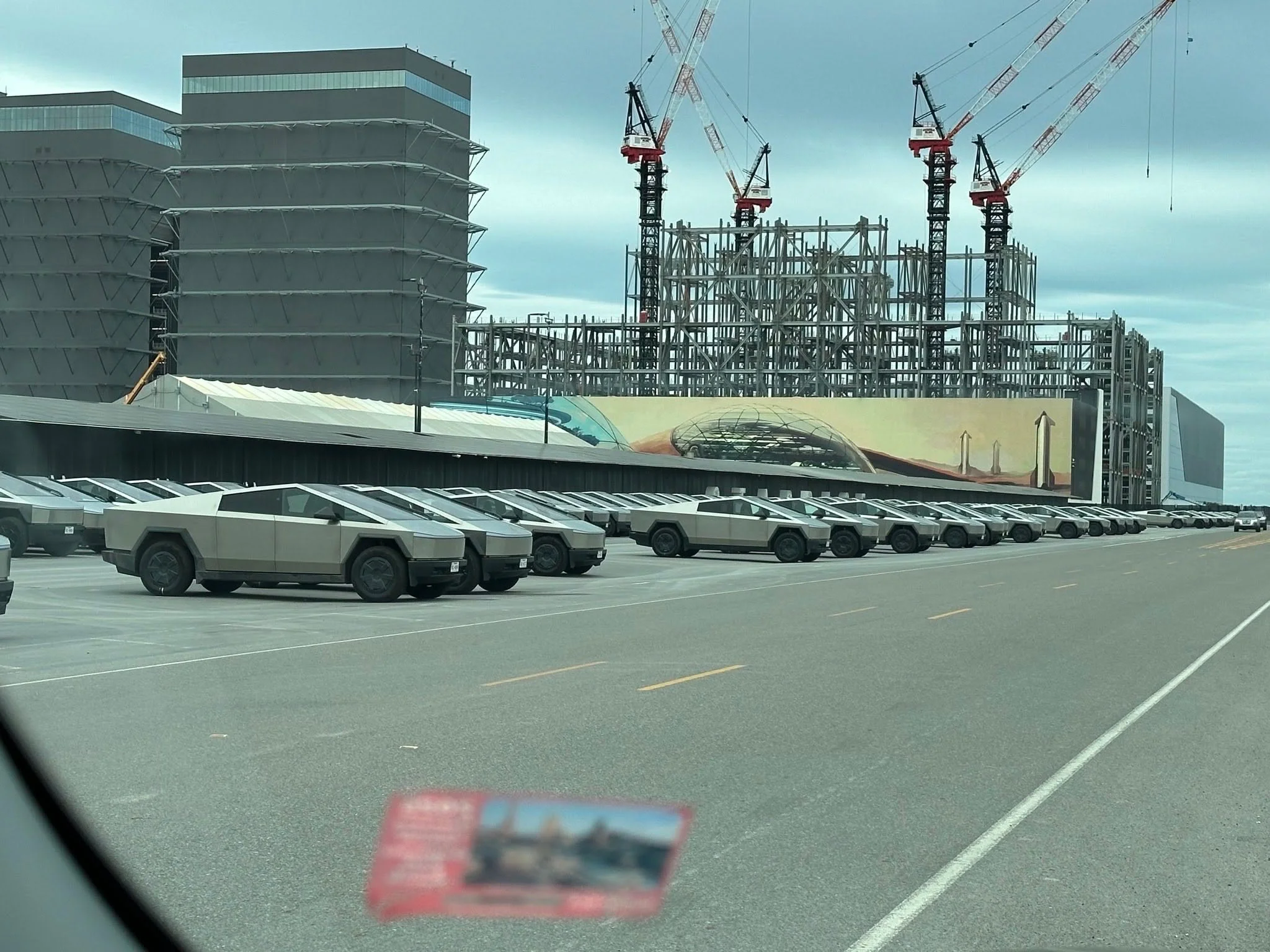
Now, NASA and SpaceX have approved the Tesla Cybertruck to serve as the primary emergency escape vehicle for astronauts at Kennedy Space Center, replacing the older (and much heavier and expensive) military-style Mine-Resistant Ambush Protected (MRAP) vehicles.
The main reason is speed, as the Cybetruck’s quick off-the-line torque allows rescue personnel and fleeing astronauts to clear the blast danger zone far faster than traditional lumbering armored trucks could manage.
To be clear, the decision wasn’t taken on a whim.
Before earning flight approval, the electric truck underwent the same rigorous validation testing as any other vehicle.
Engineers had to verify that fully suited astronauts – wearing pressurized gloves and bulky helmets – could easily open the doors, climb into the cab, and take off within seconds.
Alessandro is an automotive journalist with 10 years of experience covering supercars, automotive history, emerging vehicle technology, and luxury transportation. He wrote the first article published on SupercarBlondie.com when the website launched in 2022 and has since built a reputation for insightful reporting across the automotive and transportation industries. His expertise is grounded in hands-on experience. Alessandro has driven every Tesla model ever produced, from the original Roadster to the Cybertruck, and regularly covers the latest developments in electric vehicles and automotive innovation. His passion for transportation extends beyond cars, he has even flown a Boeing 787 Dreamliner simulator in Addis Ababa, Ethiopia. His reporting spans everything from classic American muscle cars and rare automotive discoveries to luxury yachts, private aircraft, high-end watches, and cutting-edge vehicle technology. Known for his deep knowledge of automotive history and ability to uncover the stories behind iconic vehicles, Alessandro brings readers a blend of historical context, technical expertise, and first-hand experience.