Neuralink is set to begin trials of its Blindsight vision-restoring chip this year
Published on Feb 02, 2026 at 9:53 AM (UTC+4)
by Molly Davidson
Last updated on Feb 02, 2026 at 10:10 PM (UTC+4)
Edited by
Kate Bain

Neuralink is getting ready to test one of its most ambitious pieces of tech in humans.
This time, the focus isn’t movement, typing, or robotic control.
It’s vision, and whether a brain implant can create it without using the eyes at all.
And if the timeline holds, the first trials won’t be far off.
DISCOVER SBX CARS – The global premium auction platform powered by Supercar Blondie
Neuralink’s vision chip moves from theory to human trials
Neuralink says it is preparing to begin its first human clinical trials of Blindsight, a brain implant designed to restore a form of vision by stimulating the brain’s visual cortex directly.
Elon Musk said the company was ready to perform its first implantation once regulatory approvals were in place, with human testing expected to begin in 2026.
It’s a notable expansion for a company known for helping paralyzed patients interact with computers.
It’s a huge project, but how exactly will it work in patients?
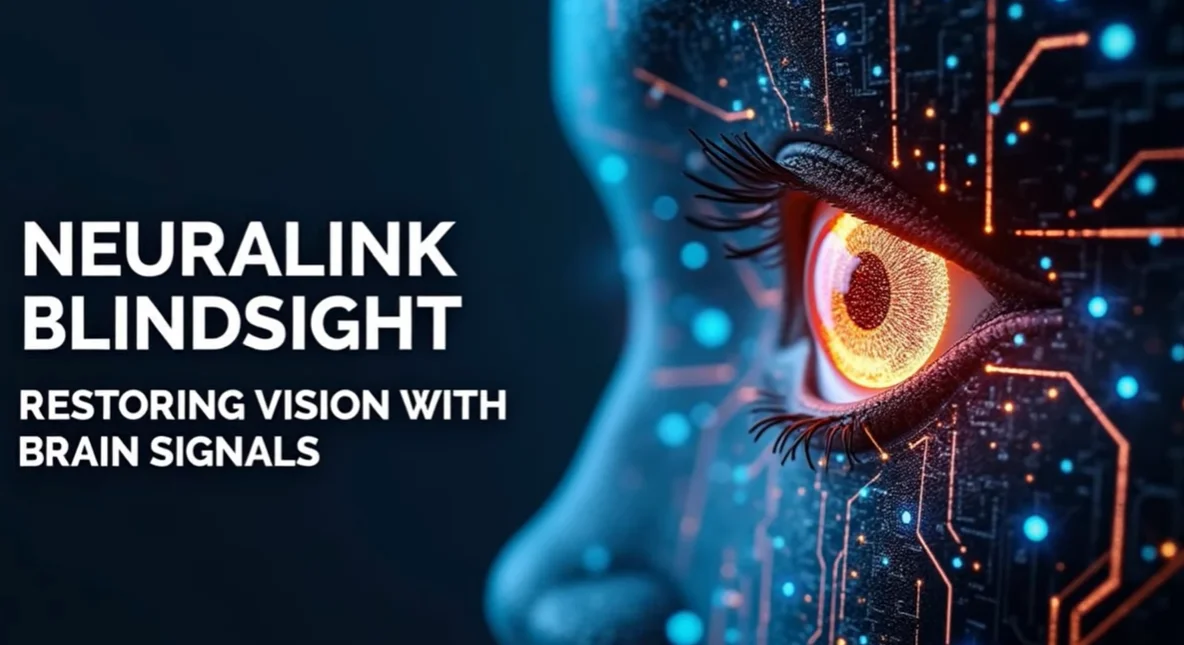
Blindsight bypasses the eyes altogether.
A camera captures images from the outside world and sends that data wirelessly to a brain implant, which then stimulates the visual cortex to create a basic visual signal.
Because it doesn’t rely on eyes or optic nerves, the implant is aimed at people with complete blindness.
As long as the visual cortex is intact, the system could work.
Musk has also suggested it may eventually help people who were born blind experience vision for the first time.
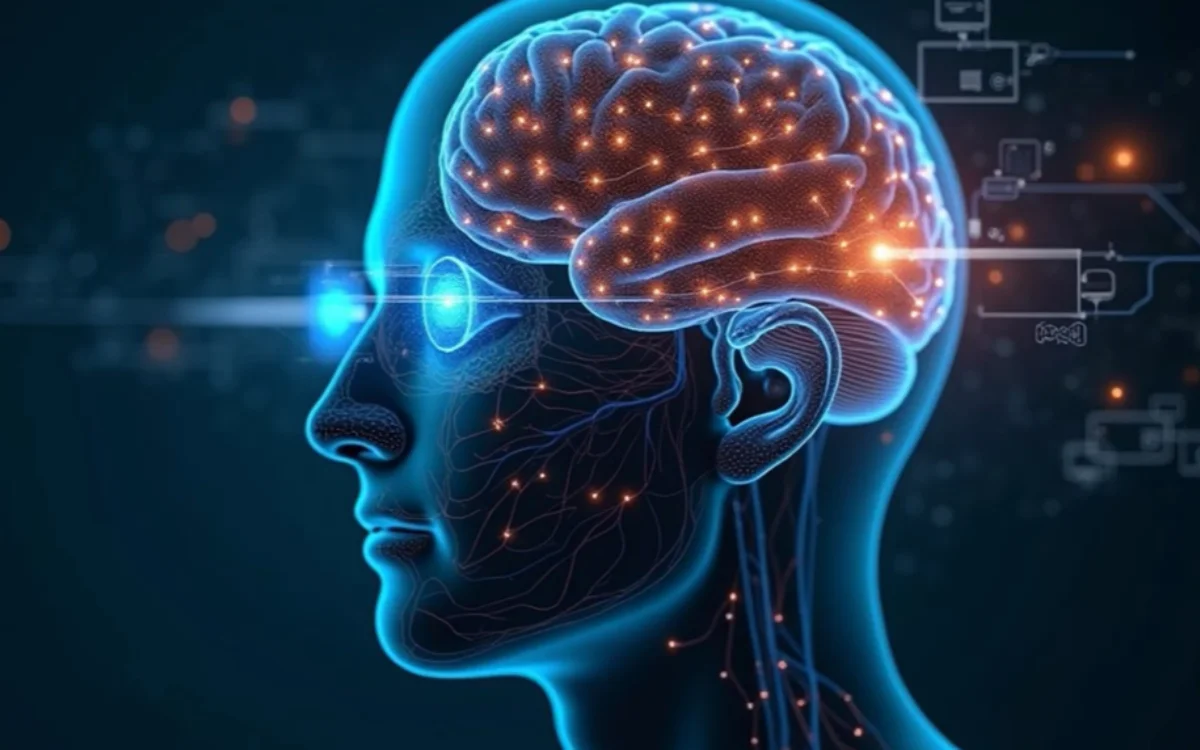
Early expectations are modest.
Initial versions are expected to deliver low-resolution vision, with improvements planned over time as the technology develops.
Blindsight also carries regulatory weight.
The implant received Breakthrough Device Designation from the US Food and Drug Administration in September 2024, signaling that regulators see potential in its ability to treat a life-altering condition.

Click the star icon next to supercarblondie.com in Google Search to stay ahead of the curve on the latest and greatest supercars, hypercars, and ground-breaking technology
Blindsight follows some brilliant Neuralink milestones
While restoring vision may sound like a leap, Blindsight follows a series of increasingly tangible Neuralink milestones.
Last year, the company expanded into Canada, successfully implanting its brain-computer interface in two patients with spinal cord injuries.
Those surgeries marked Neuralink’s first procedures outside the US and showed the tech could operate within new healthcare systems.
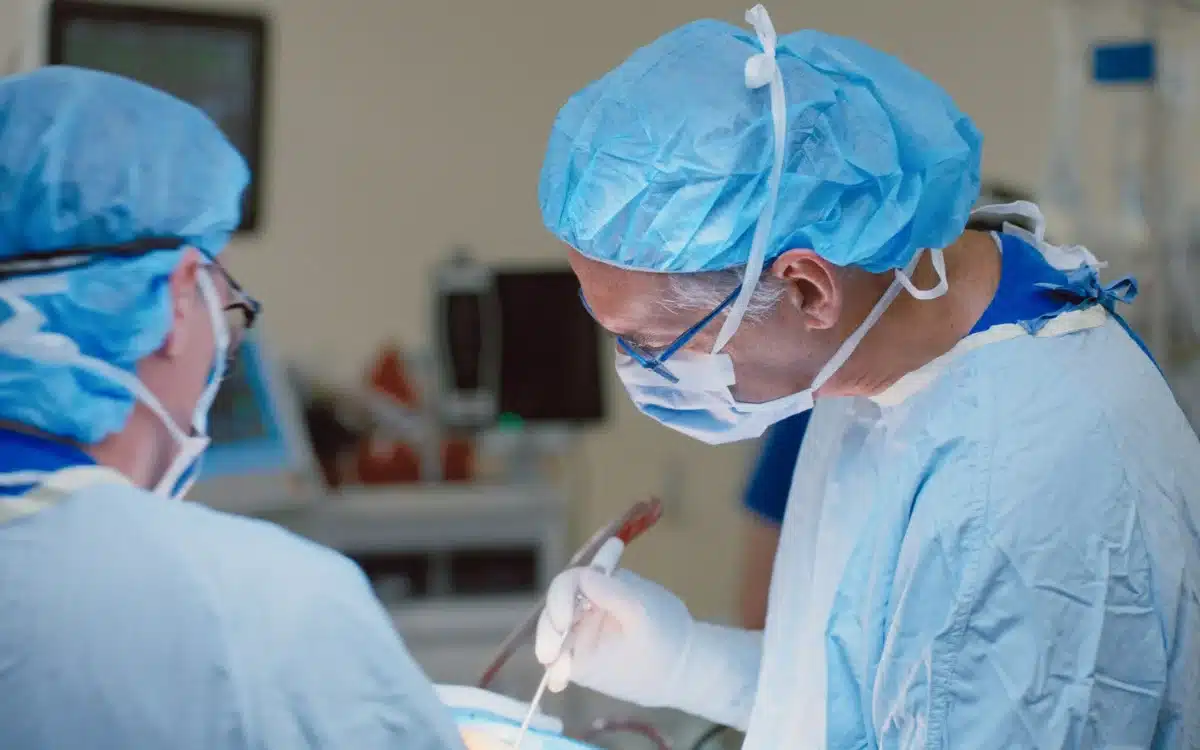
Around the same time, Neuralink confirmed it had completed multiple successful implants, including its first instance of performing two surgeries in a single day.
An important signal that its surgical process is becoming more repeatable.
And let’s not forget last July when Audrey Crews, who has been paralyzed for two decades, wrote her name for the first time since she was 16 using a Neuralink chip.
The letters appeared on a laptop screen, driven entirely by thought.
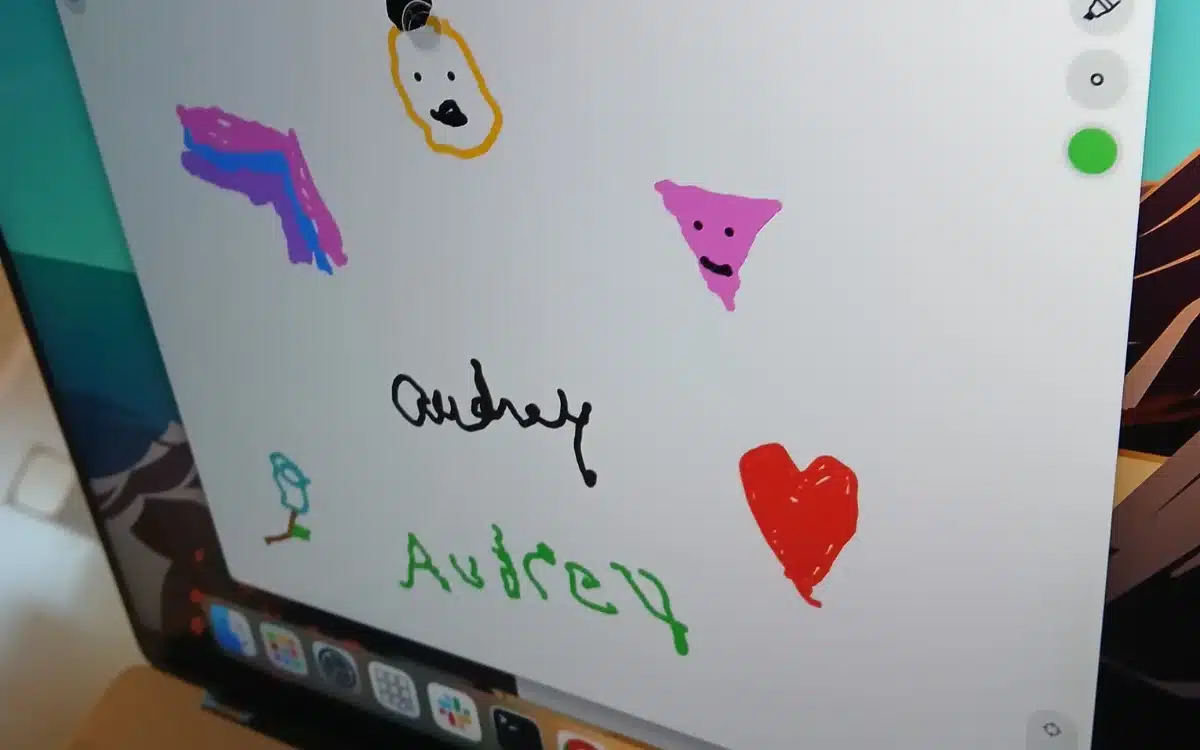
When looking at Neuralink’s successes to date, it’s easy to see why the world holds so much optimism when it comes to Blindsight.
Neuralink isn’t jumping straight to vision without a foundation.
It’s stacking clinical wins, then aiming higher.
DISCOVER SBX CARS: The global premium car auction platform powered by Supercar Blondie
With roles at TEXT Journal, Bowen Street Press, Onya Magazine, and Swine Magazine on her CV, Molly joined Supercar Blondie in June 2025 as a Junior Content Writer. Having experience across copyediting, proofreading, reference checking, and production, she brings accuracy, clarity, and audience focus to her stories spanning automotive, tech, and lifestyle news.