New breakthrough ultra-light, high-performance battery drives next leap in EV tech
- Researchers in China are working on a new type of battery technology
- This would make EV batteries produce more energy, weigh less, and last longer
- But there’s a minor issue – as there so often is
Published on May 21, 2025 at 1:02 AM (UTC-4)
by Alessandro Renesis
Last updated on May 21, 2025 at 9:46 AM (UTC-4)
Edited by
Tom Wood
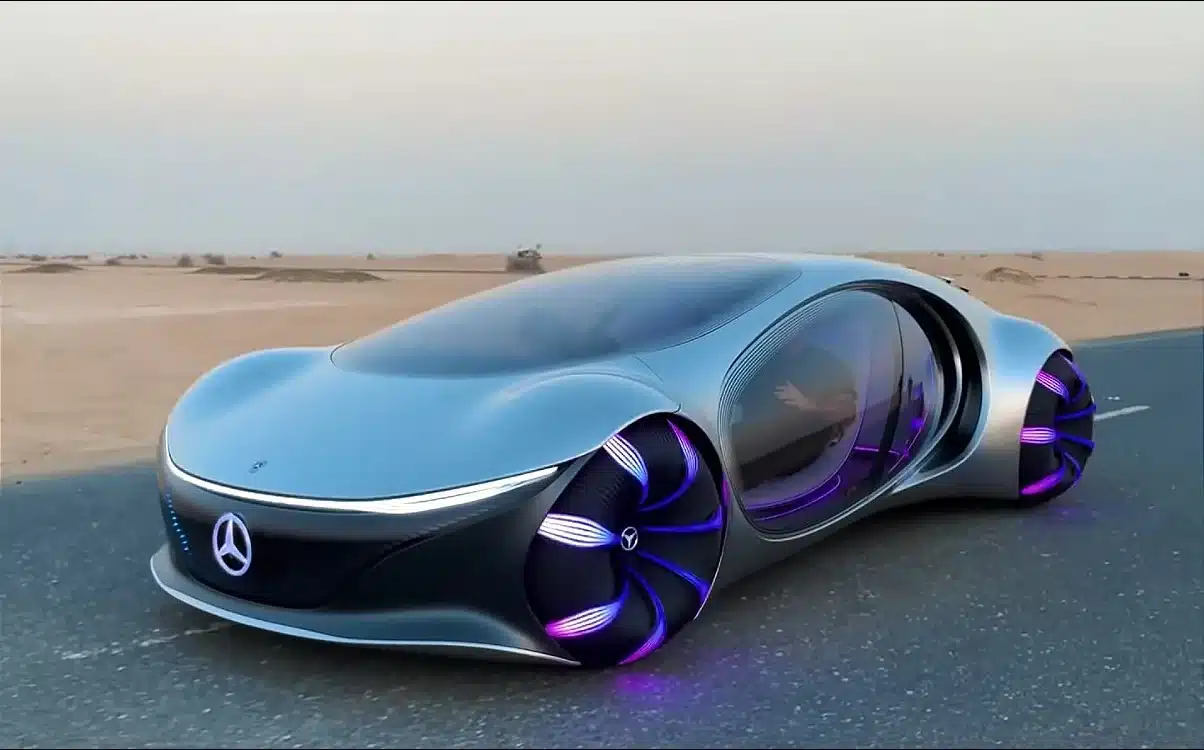

Researches at the Chinese Academy of Sciences are working on a new type of EV tech that could change the game for electric vehicles.
In simple terms, their new breakthrough EV tech could provide a lot more charge while also reducing weight.
And there’s also another advantage.
But, as always, the news isn’t all positive.
DISCOVER SBX CARS – Bid now on supercar auctions powered by Supercar Blondie
We can spin it as much as we want, but EVs still have a few significant issues, and range is one of them.
This is why people are resorting to DIY range extenders or high-tech solutions like charging roads.
In theory, there are a few vehicles that already guarantee a driving range north of 1,000km (621 miles) but – in practice – these vehicles are usually concept cars.
In the real world, the average range of most EVs today is somewhere around 300 miles.
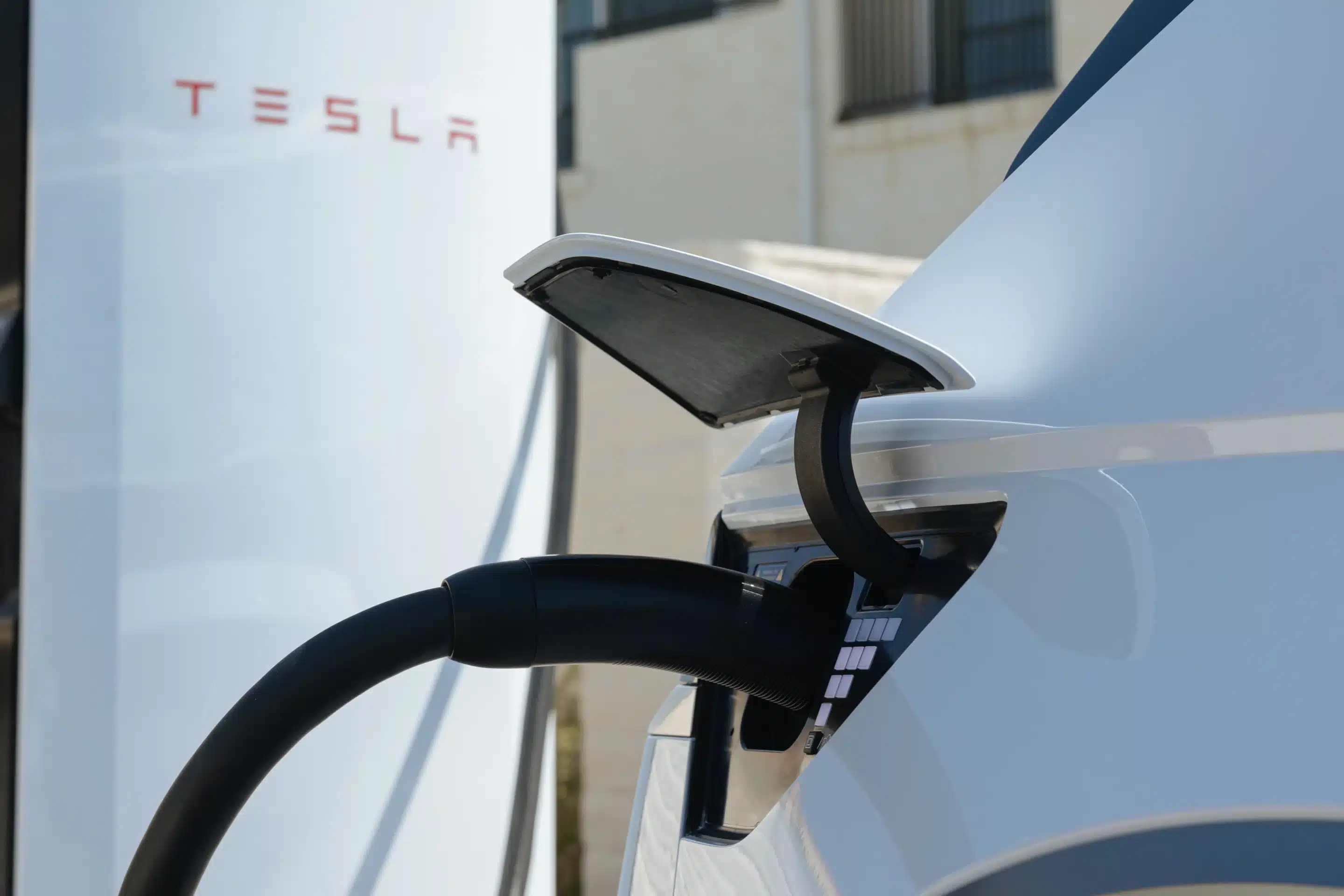
The good news is that researchers at the Chinese Academy of Sciences are developing a new type of lithium-sulfur (Li-S) battery that could address these issues.
One of the biggest drawbacks of lithium-ion batteries, which is what most EVs use today, is that their energy density isn’t ideal.
Translated, you need a big battery if you want a lot of range, which explains why electric vehicles need massive batteries just to get an acceptable range.
That’s before we address the inevitable weight problem.
According to these researchers, a lithium-sulfur battery would produce more energy, weight less and last longer.
This means 600+ miles of range as standard, lighter electric vehicles and a lifespan of over 500 charge cycles.
It all sounds too good to be true and so there must be a catch, and there is.
The catch is we’re still in the early phase of development.
It’s probably going to take a few years to see real-world application of said batteries.
Related


Alessandro is an automotive journalist with 10 years of experience covering supercars, automotive history, emerging vehicle technology, and luxury transportation. He wrote the first article published on SupercarBlondie.com when the website launched in 2022 and has since built a reputation for insightful reporting across the automotive and transportation industries. His expertise is grounded in hands-on experience. Alessandro has driven every Tesla model ever produced, from the original Roadster to the Cybertruck, and regularly covers the latest developments in electric vehicles and automotive innovation. His passion for transportation extends beyond cars, he has even flown a Boeing 787 Dreamliner simulator in Addis Ababa, Ethiopia. His reporting spans everything from classic American muscle cars and rare automotive discoveries to luxury yachts, private aircraft, high-end watches, and cutting-edge vehicle technology. Known for his deep knowledge of automotive history and ability to uncover the stories behind iconic vehicles, Alessandro brings readers a blend of historical context, technical expertise, and first-hand experience.