CEO of America's Concorde successor predicts when supersonic flights will be completely normal for everyday people and it's sooner than you think
Published on Aug 27, 2026 at 9:26 AM (UTC-4)
by Ben Thompson
Last updated on Aug 28, 2026 at 11:31 AM (UTC-4)
Edited by
Mason Jones
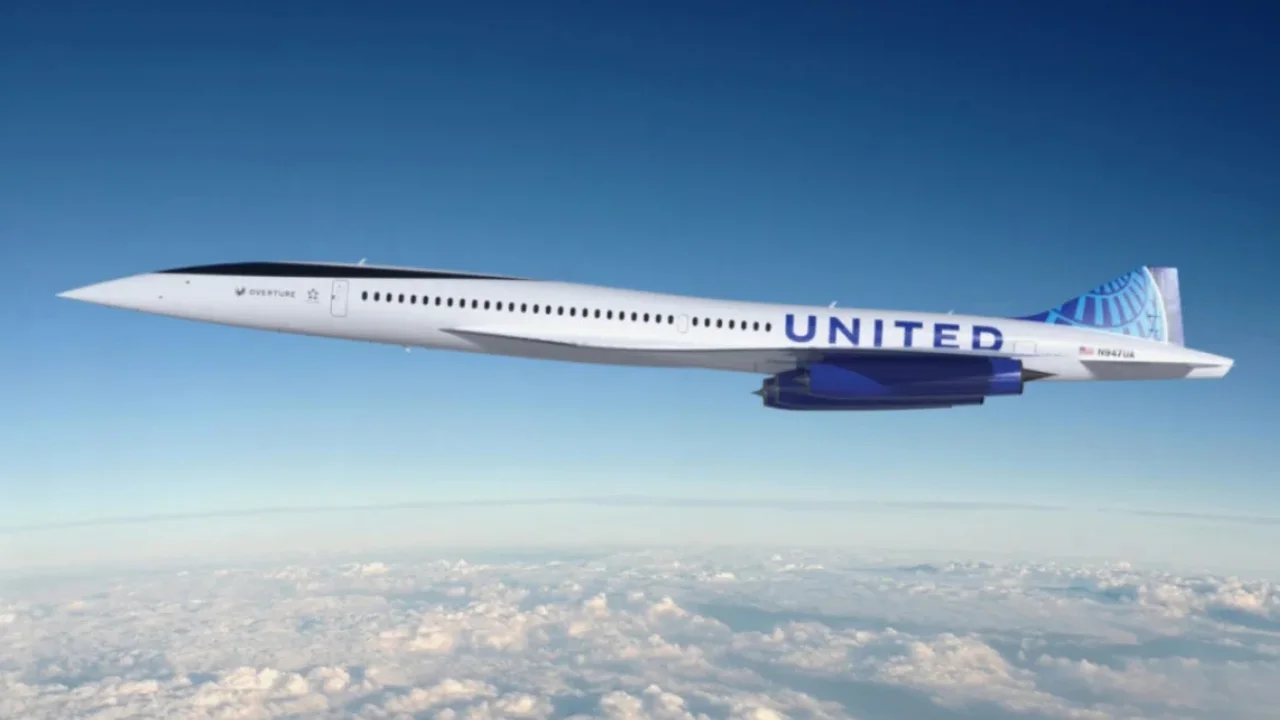

The CEO of America’s Concorde successor has predicted when he thinks supersonic flights will become a normal part of air travel for the average person.
Boom Supersonic CEO Blake Scholl sat down with an interview with Youtuber Captain Steeeve.
In their conversation, he shared his prediction for when he thinks supersonic flights will become widely available to the general public.
The year he gave is closer than you might think.
There’s been a lot of talk about supersonic flights in recent years
In the years since the Concorde made its final flight, there’s been a hole in the aviation industry.
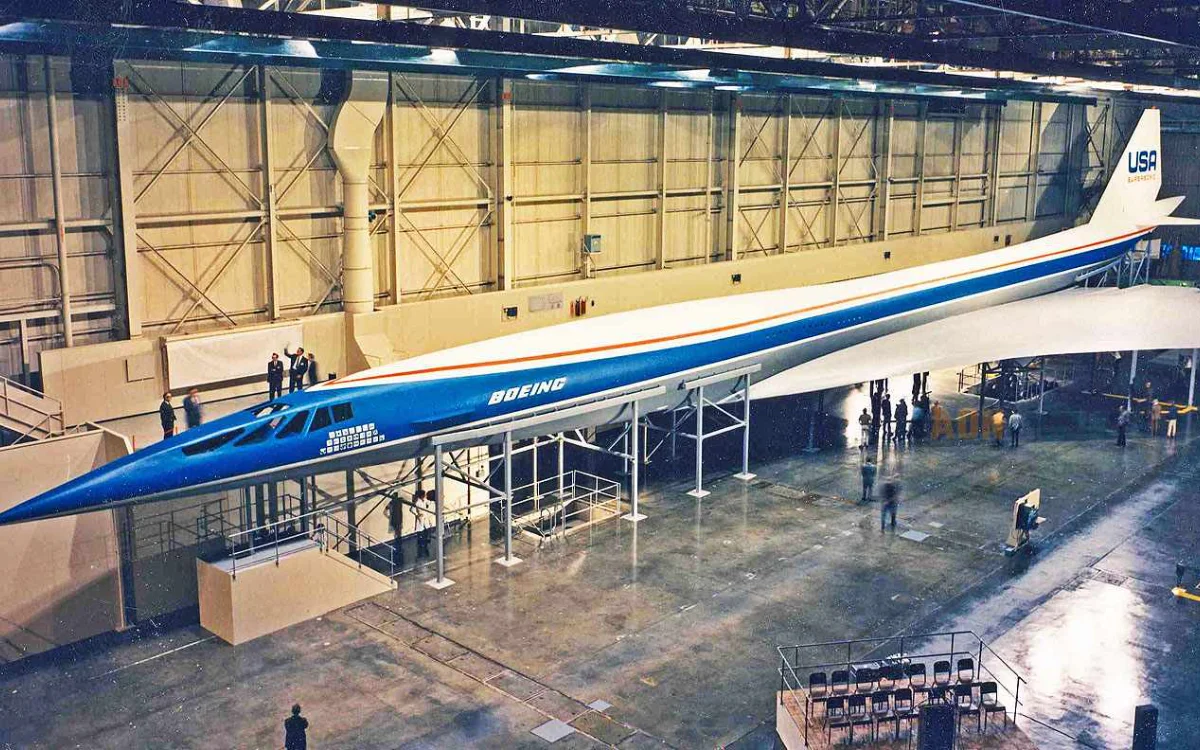
People have been longing for supersonic flight to make a much needed comeback.
And fortunately for us, some companies have stepped up to the plate to provide a successor to the Concorde.
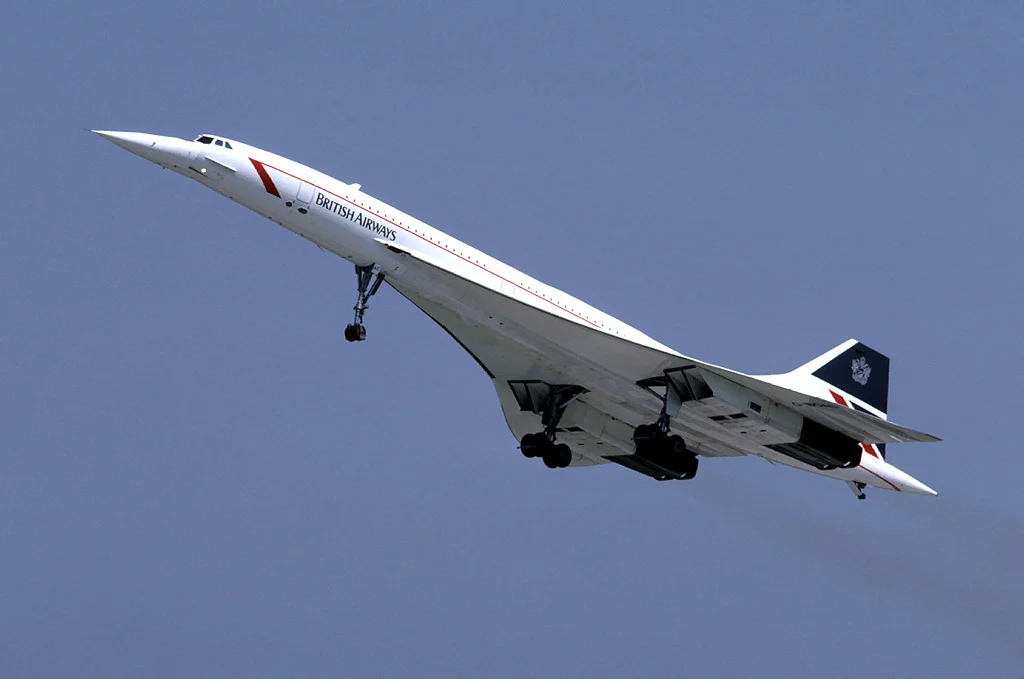
Boom Supersonic has been working hard on an American Concorde, in what has been branded the ‘son of Concorde’.
NASA has also been pushing forward with its own project, having previously worked on a similar endeavor back in the 1990s.
But for all the talk of maiden flights and sonic booms, there’s not been much in the way of definitive dates.
When will we see supersonic flights as a normal part of aviation travel?
The CEO of Boom Supersonic gave his own prediction
In an interview with YouTuber Captain Steeeve, Boom Supersonic CEO Blake Scholl gave his own two cents on the matter.
“Let’s fast forward to 2040, a few years from now, how has Boom changed commercial aviation?” Captain Steeeve asked.
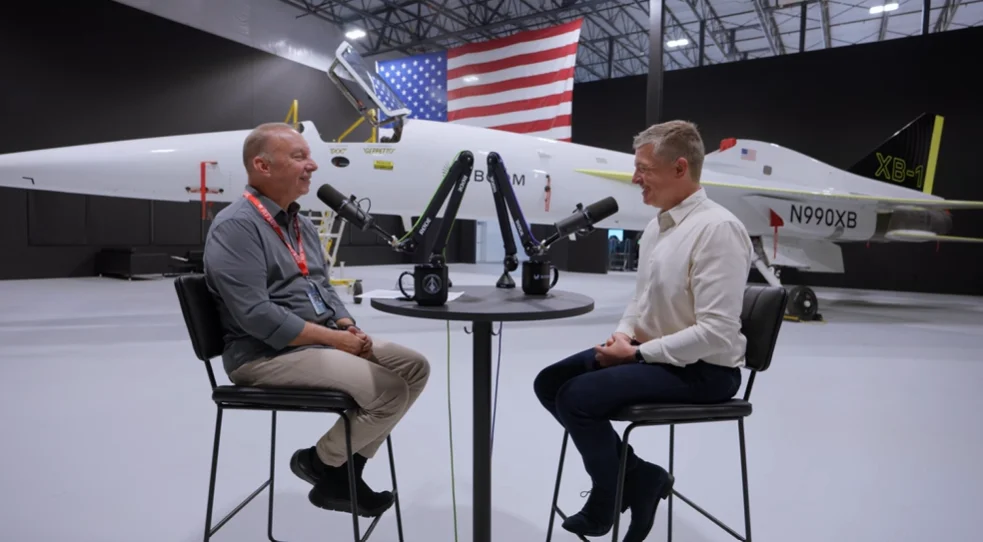
“Supersonic flight should just be normal, and probably more than supersonic,” Scholl replied.
“Hopefully we’re going at least Mach 3 by then.
“We’ll know we’ve won when you have to convince kids that it used to take six hours to cross the country, and they’re like ‘Really?’.”
Scholl said he had a desire to put ‘the magic back in air travel’.
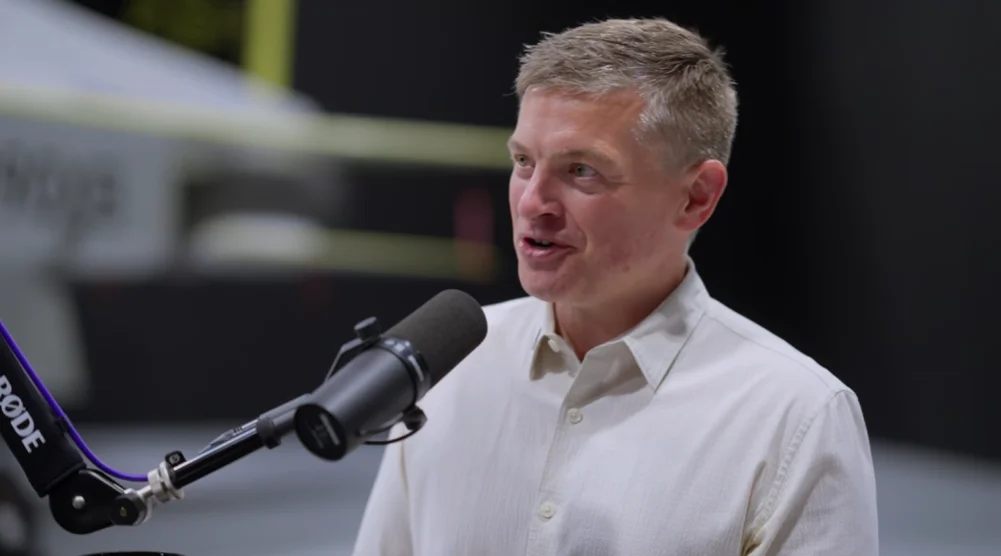
“There was a golden age of flight, it was a very special thing, and then we’ve turned it into something that people mostly dread,” he said.
That’s mostly true, isn’t it?
Most of us don’t get excited about the prospect of going to the airport – we’d probably be happier skipping to the part where we’ve reached our destination.

Timeline of Supersonic Flights
1947: The sound barrier is broken by Captain Chuck Yeager piloting the experimental Bell X-1 rocket plane.
1953: The North American F-100 Super Sabre makes its maiden flight. It becomes the first operational military fighter capable of achieving supersonic speeds in level flight.
1968: First Supersonic Airliner flight takes place, with the Soviet Tupolev Tu-144 beating the Concorde by two months.
1976: The Concorde enters commercial service.
2003: The Concorde makes it final commercial flight.
2024 – present: NASA and Lockheed Martin roll out the X-59 Quesst, an experimental aircraft designed to reduce the sonic boom to a faint thud.
Ben joined Supercar Blondie in February 2025 after being published by international organizations including LADbible, The Sun, the New York Post, and the Daily Mail. He covers supercars, rare and collectible vehicles, aviation, luxury assets, and the fascinating people behind them. His reporting has explored everything from seven-figure supercars and historic Ferrari collections to unusual aircraft adventures and extraordinary automotive discoveries from around the world. Ben has also gained first-hand insight into vehicle craftsmanship and customization, including visiting specialist workshops to see bespoke vehicles up close.