America's Concorde successor is set to arrive within the next two years with North Carolina company winning the worldwide supersonic race
Published on Apr 23, 2026 at 7:51 AM (UTC-4)
by Henry Kelsall
Last updated on Apr 24, 2026 at 12:36 PM (UTC-4)
Edited by
Emma Matthews
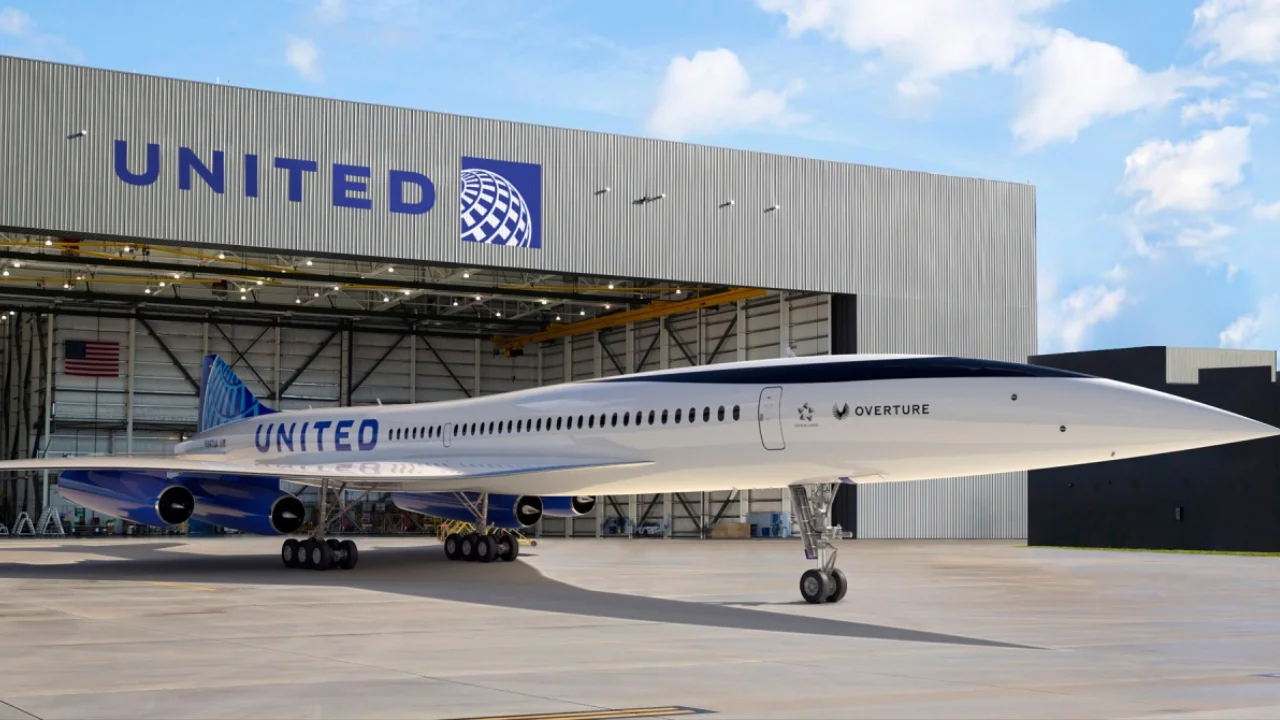

We’ve waited a long time for it, but America’s Concorde successor looks like it is set to arrive within the next two years, thanks to the supersonic efforts of a North Carolina company called Boom Supersonic.
Boom Supersonic has been working hard to create a new supersonic airliner, reintroducing Mach 2 commercial aviation for the first time since 2003.
A huge amount of research has gone into the aircraft, known as Overture, with efforts made to create quiet sonic booms so the aircraft can fly at Mach 1 over land.
With the XB-1 prototype showing promising results, we may soon see the ‘son of Concorde’ finally take to the skies.
What we know about America’s Concorde successor
According to founder and CEO Blake Scholl, production of the Overture is imminent.
“We’re starting production of that airplane in about two years,” he told Fox News Business’ Varney & Co. show.
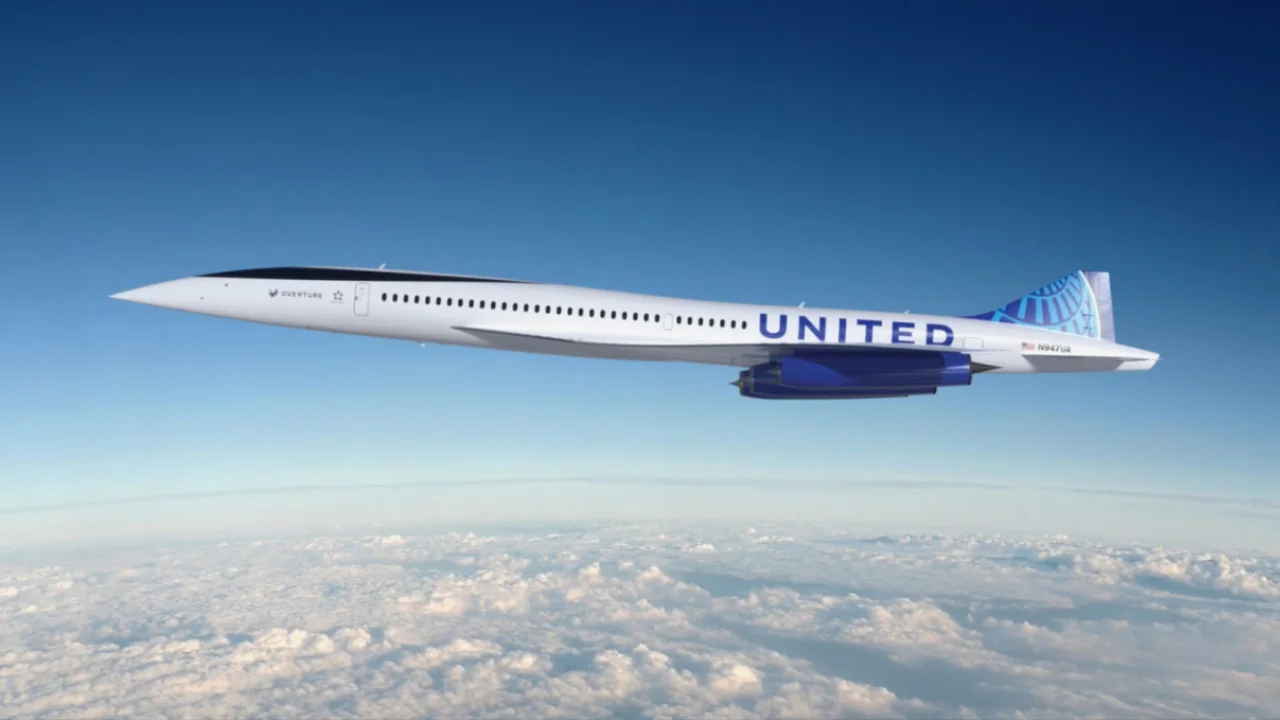
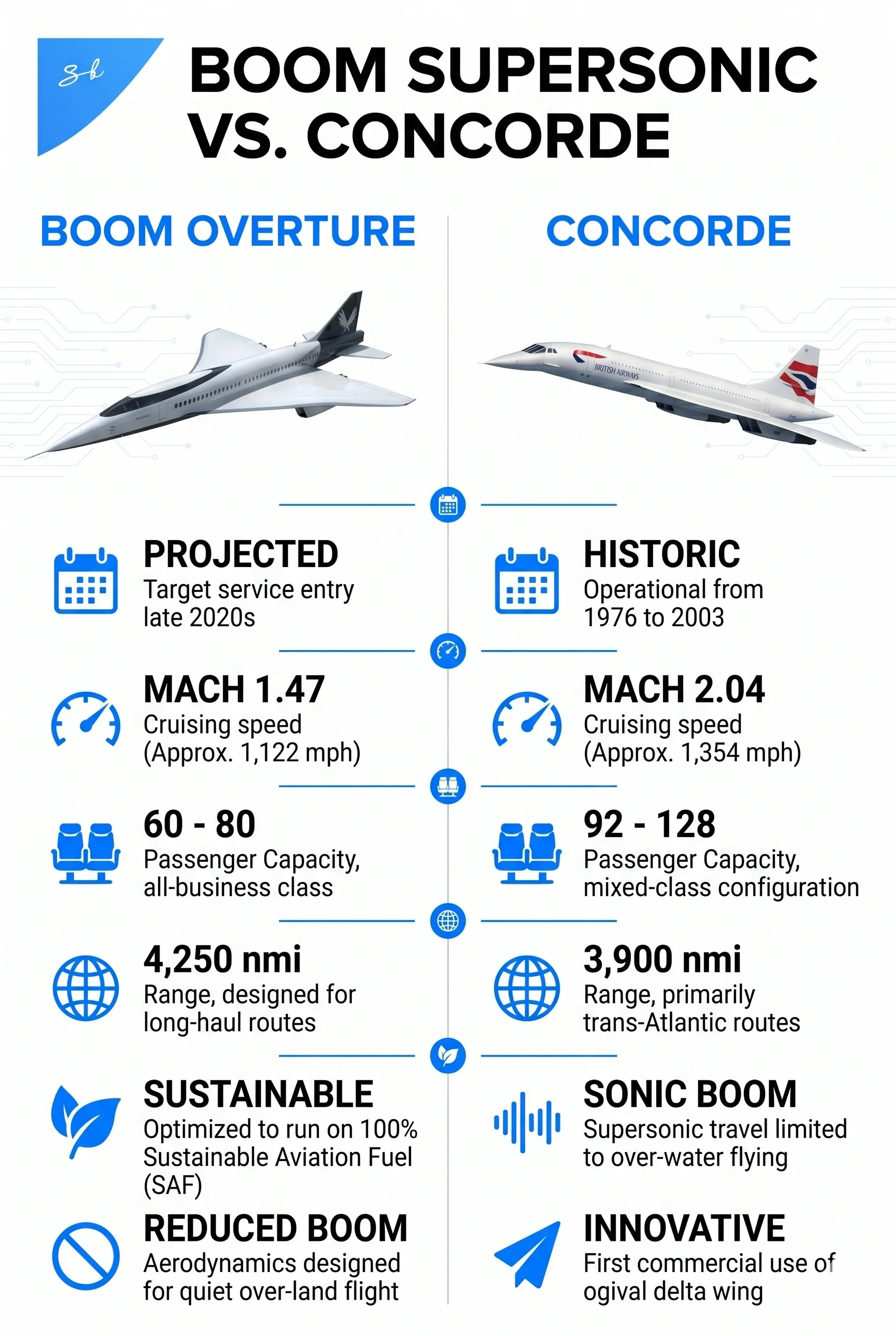
Development of the aircraft has been underway for 10 years, with introduction into service expected in 2028.
Four Boom Symphony medium-bypass turbofans will power the airliner.
It will carry 60 to 80 passengers and fly at a top speed of 1,122mph.
While it looks like Concorde, it isn’t a true successor, however.
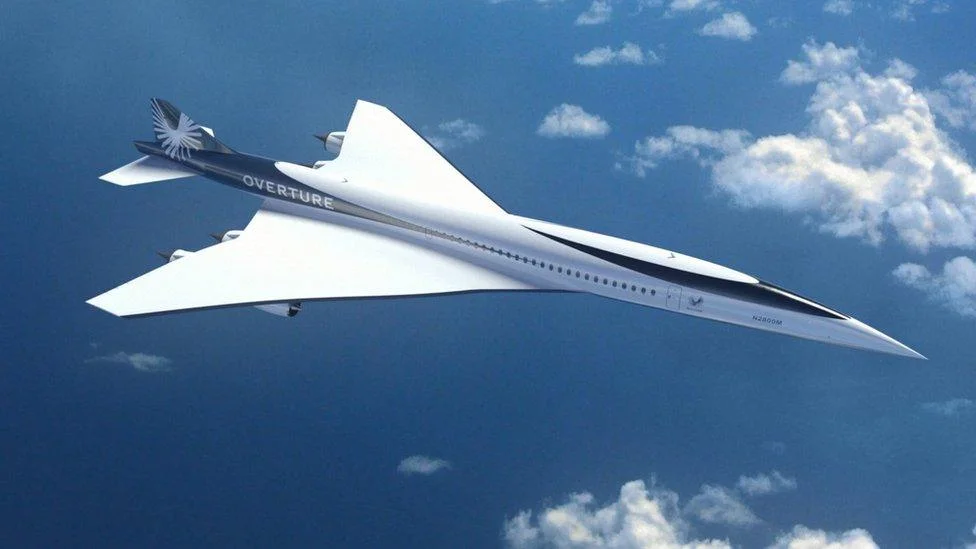
It will carry fewer people than Concorde, and be marketed as a ‘premium business tool.’
A huge amount of research has also been gathered for America’s Concorde successor, thanks to tests with the XB-1 demonstrator.
Related
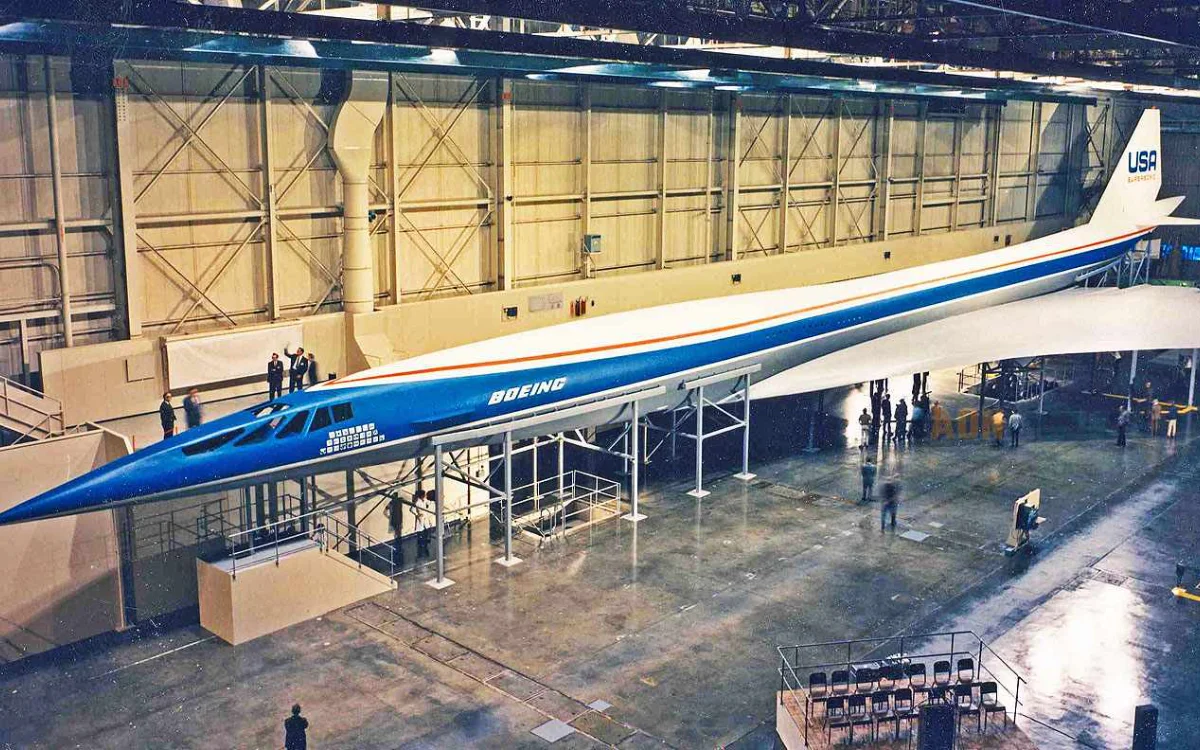
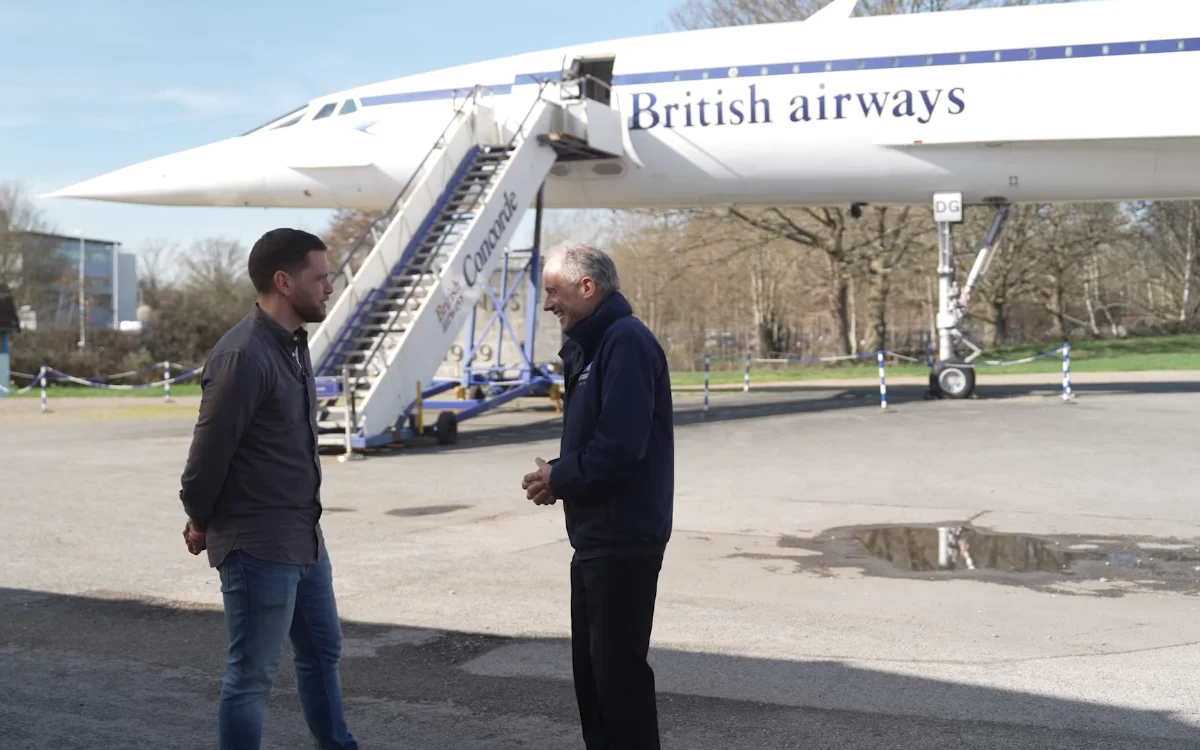
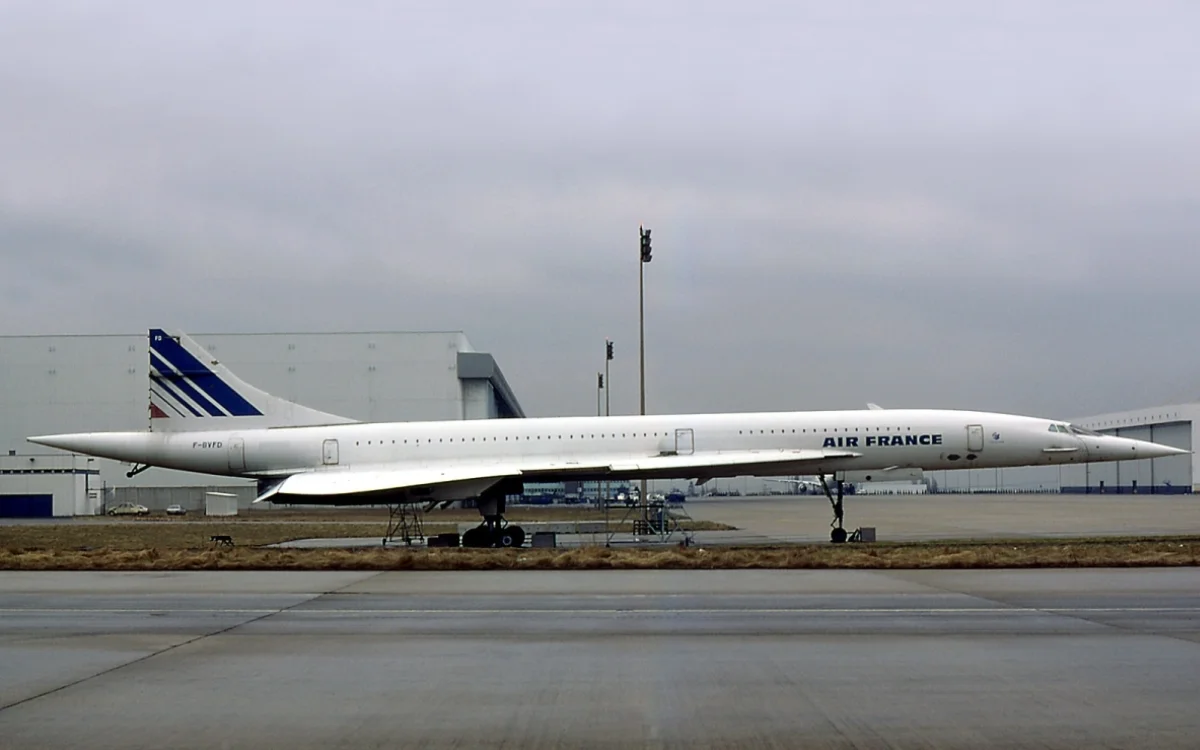
How Boom Supersonic aims to clear a Concorde hurdle
One of Concorde’s biggest failures was that it was banned from flying at Mach 1 over land.
This was because the sonic boom caused huge distress for those below, as tests at the time showed.
The XB-1 demonstrator was designed to minimize the sound that going Mach 1 would cause.
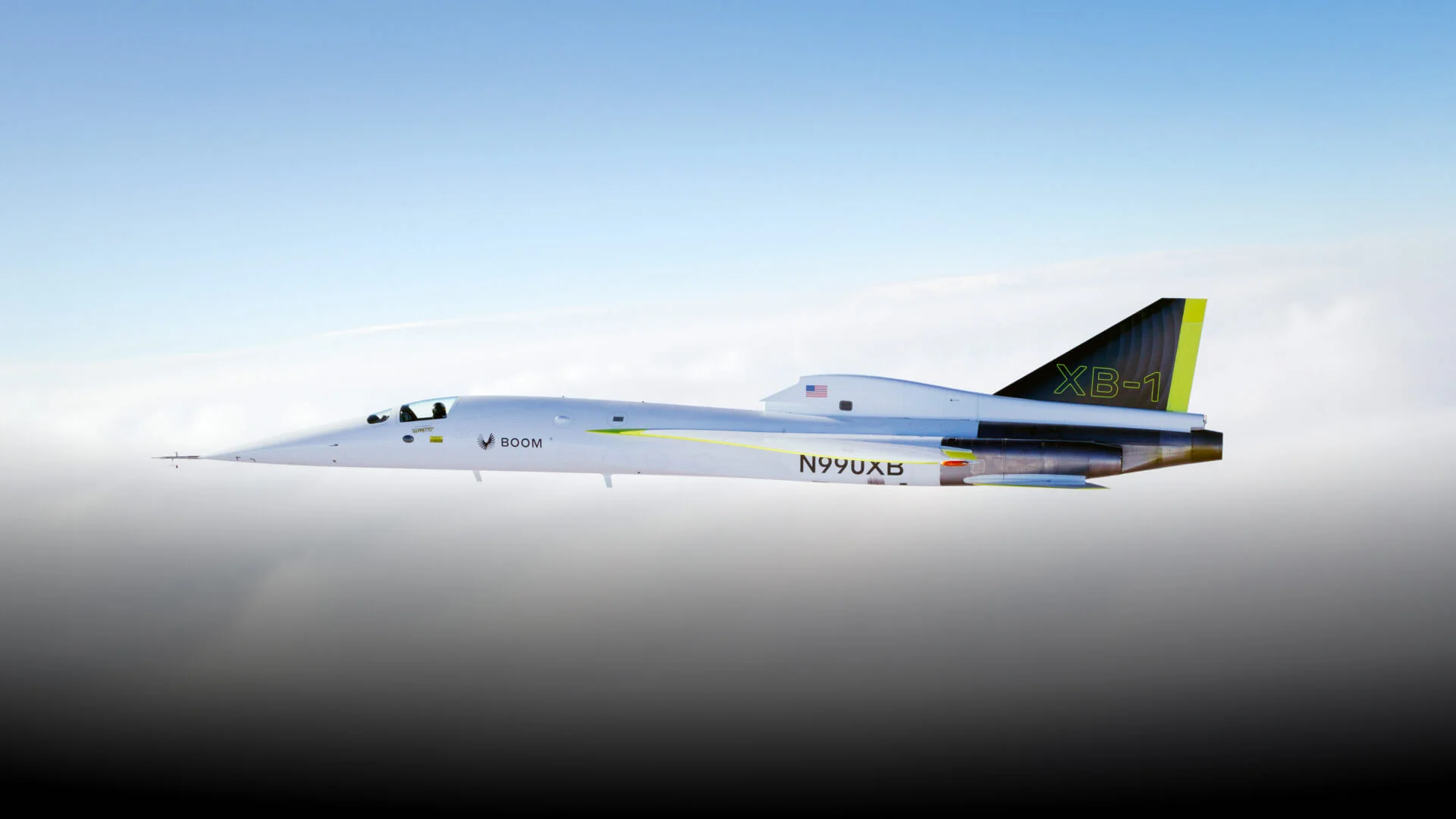
In February 2025, the aircraft achieved a ‘silent’ sonic boom after reaching a ‘Mach cutoff’.
This meant the sounds produced by breaking Mach 1 never reached the ground.
Images from NASA at the time showed the aircraft pushing through the shockwaves produced as it approached Mach 1.

New legislation was recently passed permitting commercial airliners to fly faster than the speed of sound.
The one condition of this was that they did not produce a noise that reached the ground.
Supercar Blondie has approached Boom for comment and for an update on how the project is progressing.
Supersonic commercial aviation timeline
1962: The UK and France sign a treaty to jointly develop Concorde
December 31, 1968: The Soviet Tupolev Tu-144 completes its maiden flight right before Concorde
March 2, 1969: The Anglo-French Concorde completes its first test flight
January 21, 1976: Concorde officially begins commercial service with British Airways and Air France
June 1, 1978: The Tu-144 is retired from passenger service after just 55 scheduled flights
1990-1999: The NASA High Speed Civil Transport (HSCT) program researched advanced supersonic tech before its cancellation
October 24, 2003: Concorde makes its final commercial flight due to high operating costs and low demand
2020s: Modern startups like Boom Supersonic begin developing sustainable, next-generation supersonic passenger jets
Henry joined the Supercar Blondie team in February 2025, and since then has covered a wide array of topics ranging from EVs, American barn finds, and the odd Cold War jet. He’s combined his passion for cars with his keen interest in motorsport and his side hustle as a volunteer steam locomotive fireman at a heritage steam railway.