$9,000,000,000 Japanese jet never carried a single passenger in one of the biggest aviation failures
Published on Mar 16, 2026 at 4:51 AM (UTC+4)
by Jason Fan
Last updated on Mar 16, 2026 at 11:28 AM (UTC+4)
Edited by
Emma Matthews

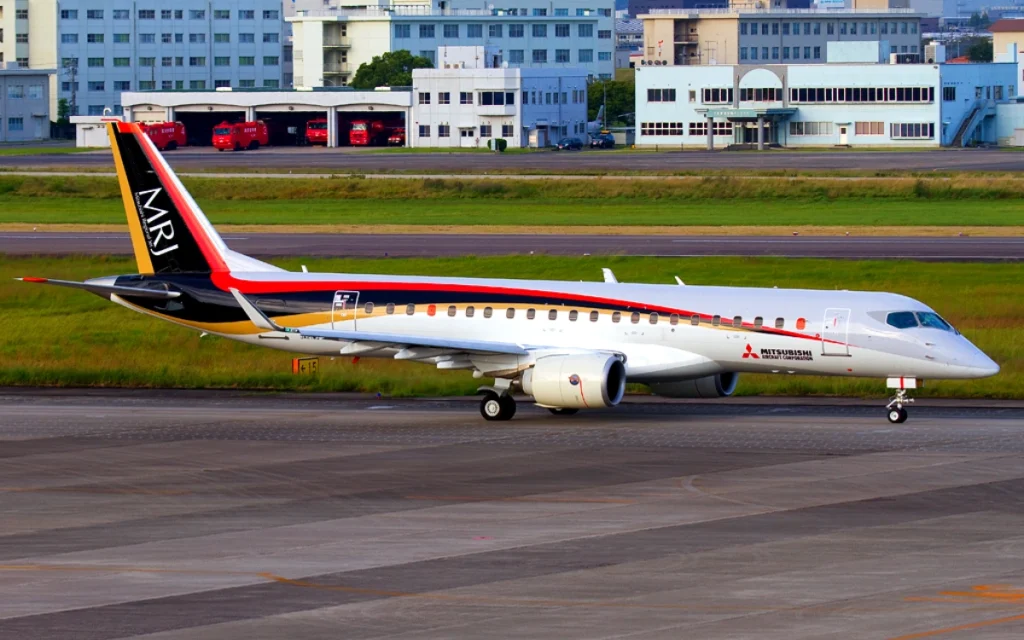
The Japanese jet known as the Mitsubishi SpaceJet was supposed to return Japan to the airliner business, but it never reached the runway.
The ambitious aircraft was designed to challenge established jet manufacturers and revive Japan’s presence in commercial aviation.
Over a decade, billions were poured into development and testing.
Yet when the program finally ended, not a single customer had taken delivery.
Click the star icon next to supercarblondie.com in Google Search to stay ahead of the curve on the latest and greatest supercars, hypercars, and ground-breaking technology
A Japanese jet made a lot of sense at the time
The project began in 2008 when Mitsubishi Heavy Industries launched the regional jet program under the name Mitsubishi Regional Jet.
The aircraft was designed to carry between 70 and 90 passengers while delivering improved fuel efficiency compared to existing regional jets.
At the time, industry forecasts predicted strong global demand for aircraft in this size category.
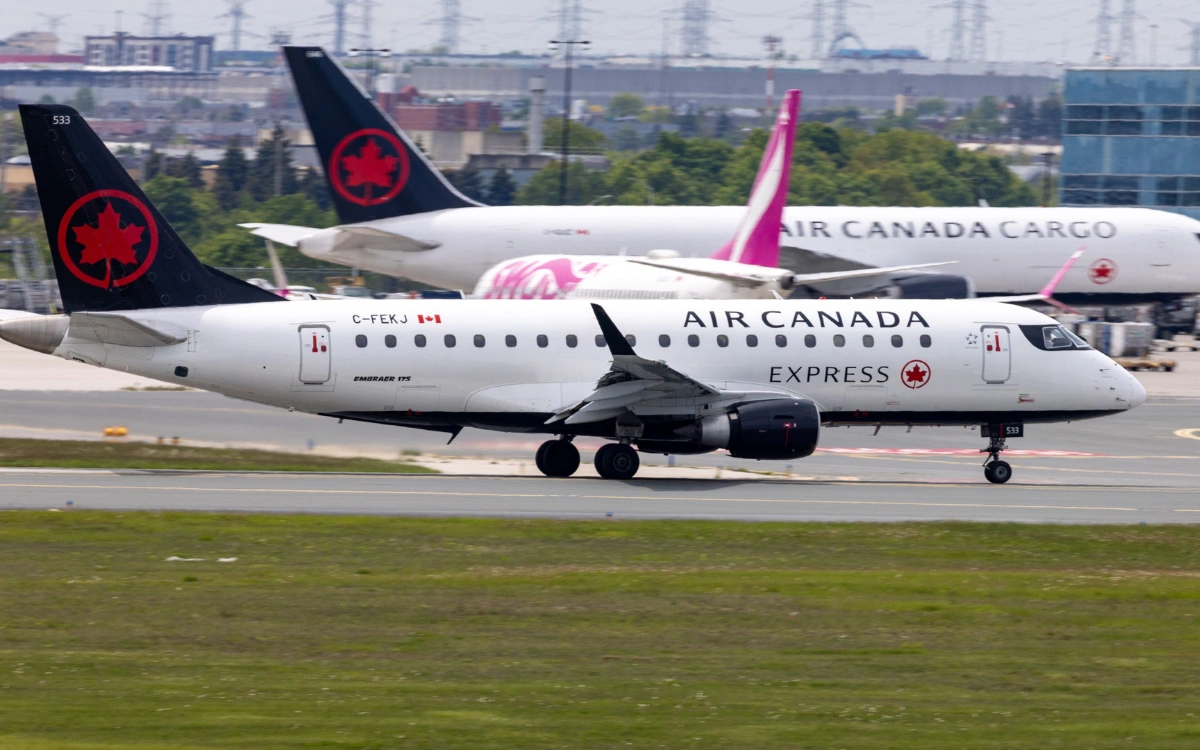
Given that neither Boeing nor Airbus produces planes this small, there appeared to be a niche waiting to be filled.
Meaning the project was well-positioned to succeed.
Mitsubishi already had decades of aerospace experience and served as a major supplier to Boeing.
In fact, the company produced large portions of the iconic Boeing 787 Dreamliner, including its advanced composite wings.
With strong government support and early interest from airlines, the program initially looked promising.
However, development soon ran into serious challenges.
Supply chain issues delayed critical components, and multiple design revisions forced engineers to rework parts of the aircraft.
Each change pushed the timeline further back.
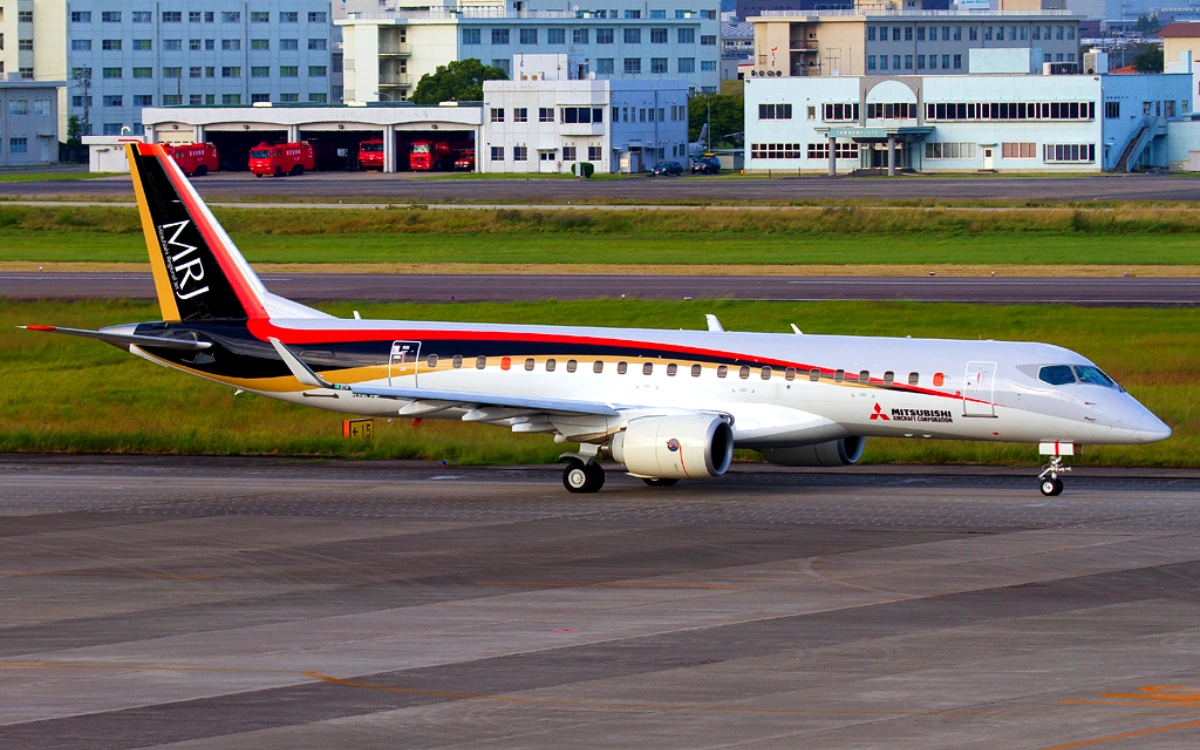
The first flight, originally planned for 2013, eventually took place in November 2015 at Nagoya Airport after several postponements.
The next hurdle involved certification.
Every commercial airliner must pass strict safety approvals from regulators such as the Federal Aviation Administration before carrying passengers.
Certification requires extensive flight testing along with highly detailed engineering documentation explaining every design decision.
The Mitsubishi Spacejet found itself buried by problem after problem
During this process, Mitsubishi encountered a major obstacle.
Engineers had focused heavily on building the aircraft itself, but had not consistently documented the reasoning behind many technical choices.
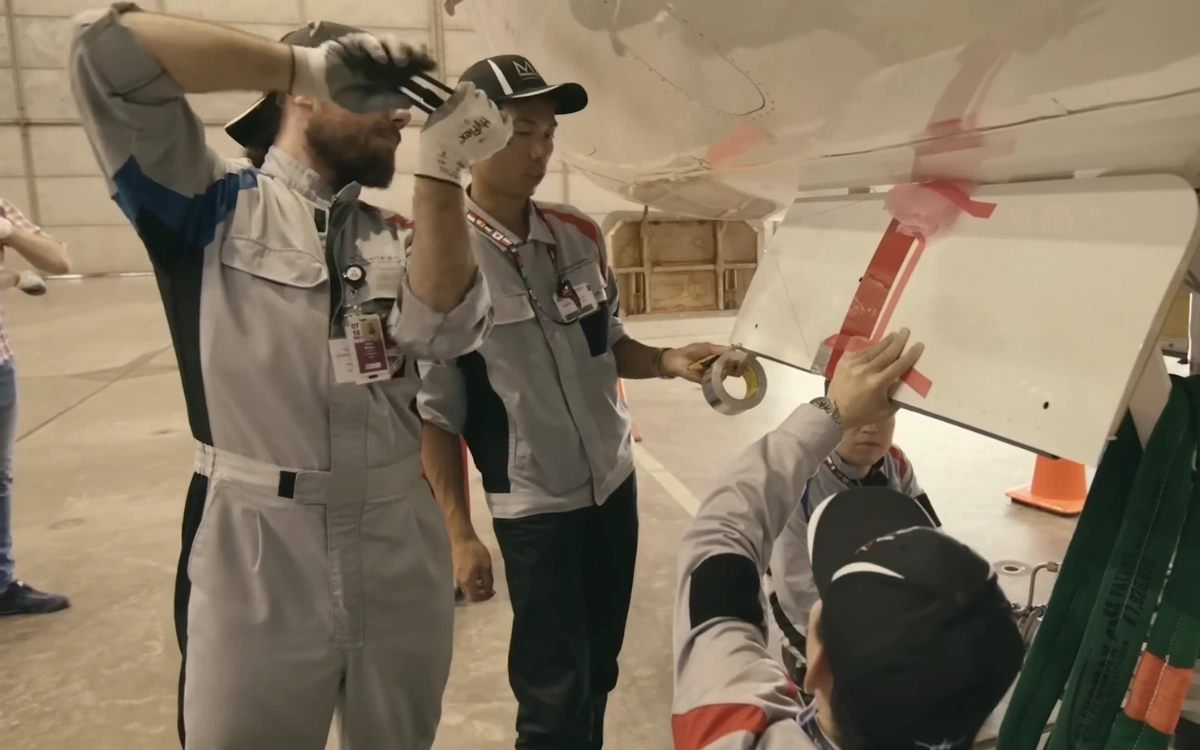
Regulators requested detailed explanations for complex systems, including the aircraft’s electrical wiring network, which contained roughly 23,000 individual wires.
Without sufficient documentation, progress toward certification slowed dramatically.
As delays continued, costs surged.
Development spending ballooned from an initial estimate of around $1.3 billion to nearly $9 billion.
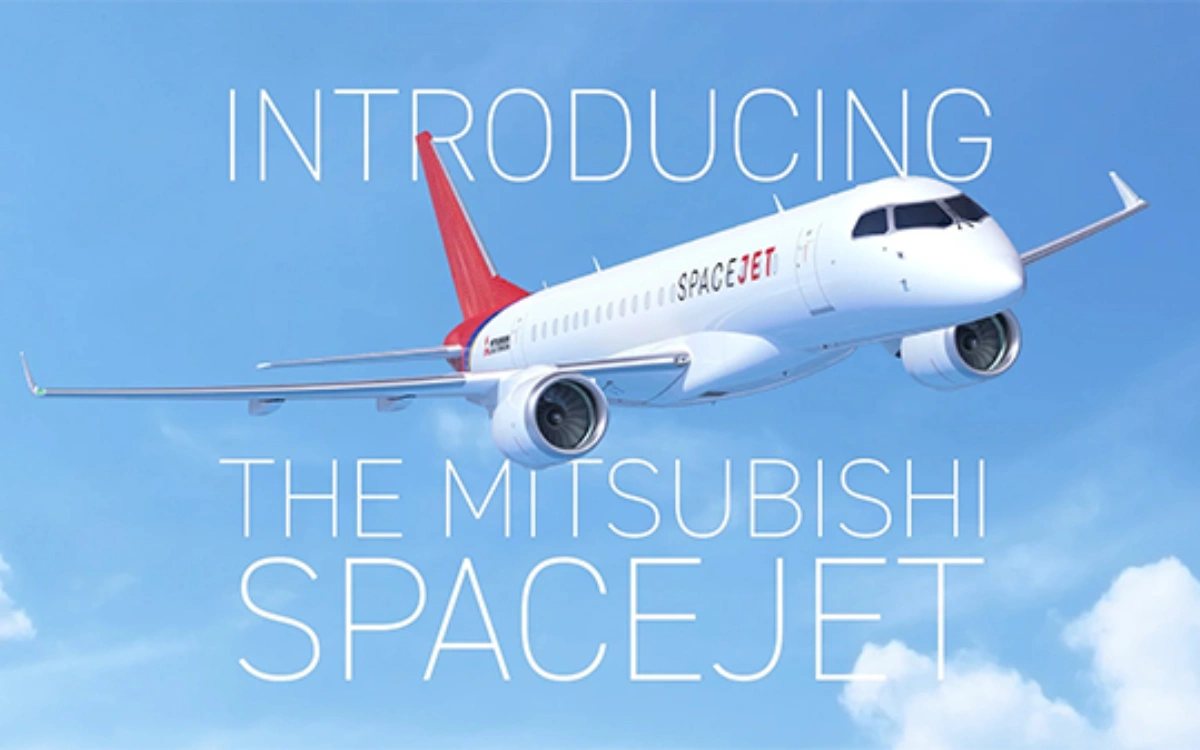
In 2019, Mitsubishi attempted to revive the effort by renaming the Japanese jet the SpaceJet and modifying certain variants to appeal to airlines.
Unfortunately, one of the most important versions exceeded weight limits set by pilot union contracts in the United States, effectively blocking access to a crucial market.
The situation worsened during the global aviation downturn caused by the COVID-19 pandemic.
In 2023, Mitsubishi officially cancelled the program and ordered its remaining prototypes dismantled.
After more than a decade of work and billions of dollars invested, Japan’s most ambitious commercial aircraft project ended without carrying a single commercial passenger.
If you want more information on the development of the Mitsubishi Spacejet, check out the video below:

DISCOVER SBX CARS: The global premium car auction platform powered by Supercar Blondie