Oklahoma has two different speeding laws and the wording on each sign tells you which you need to follow
Published on Jul 26, 2026 at 2:07 AM (UTC-4)
by Daisy Edwards
Last updated on Jul 26, 2026 at 2:07 AM (UTC-4)
Edited by
Mason Jones
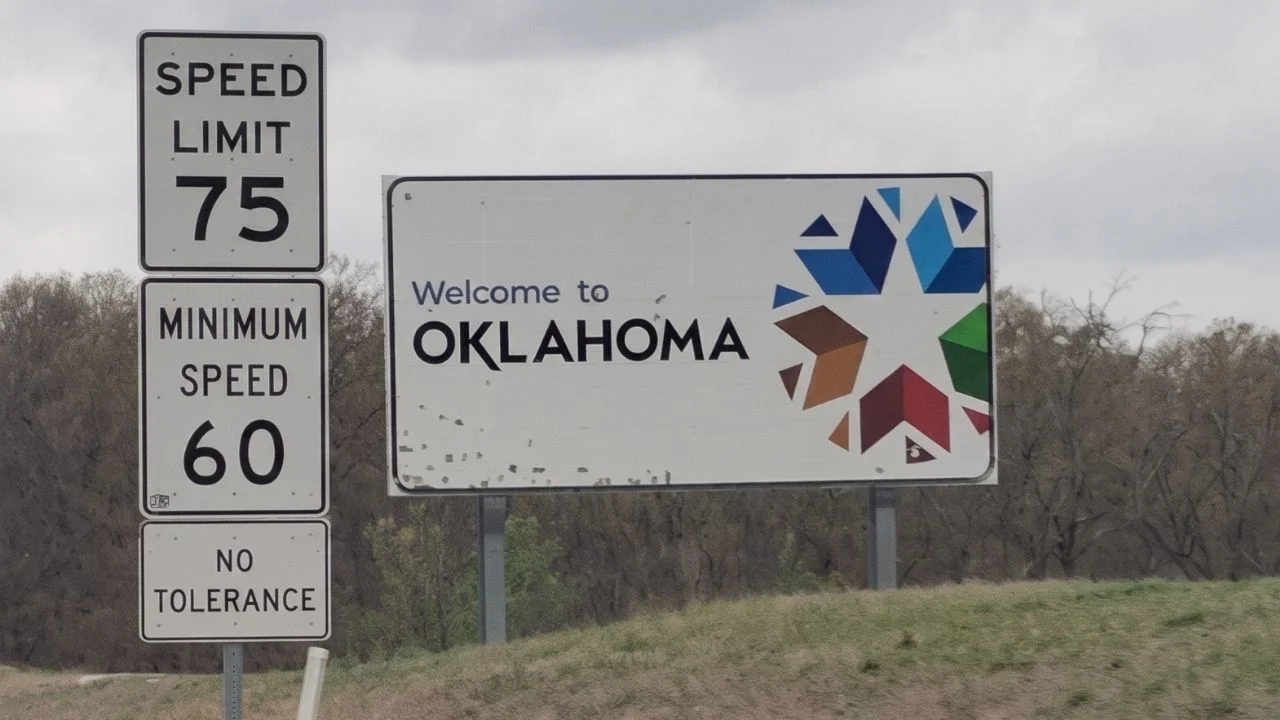

While Luke Combs knows that there ‘Ain’t no Love in Oklahoma’, he might not know that there ain’t no consistency in Oklahoma when it comes to speeding laws.
While most drivers simply look at the number posted, some signs include two extra words that completely change how the law is enforced.
The state has two different speeding laws, and the wording on the sign tells motorists which one applies.
If you’re driving through Oklahoma, it’s worth knowing the difference.
Oklahoma has two different speeding laws that drivers need to know
Most states simply post a speed limit and expect car drivers to follow it, but Oklahoma’s system is a little more nuanced.
The state enforces both an Absolute Speed Limit Law and a Basic Speed Rule, with each one working in a different way.
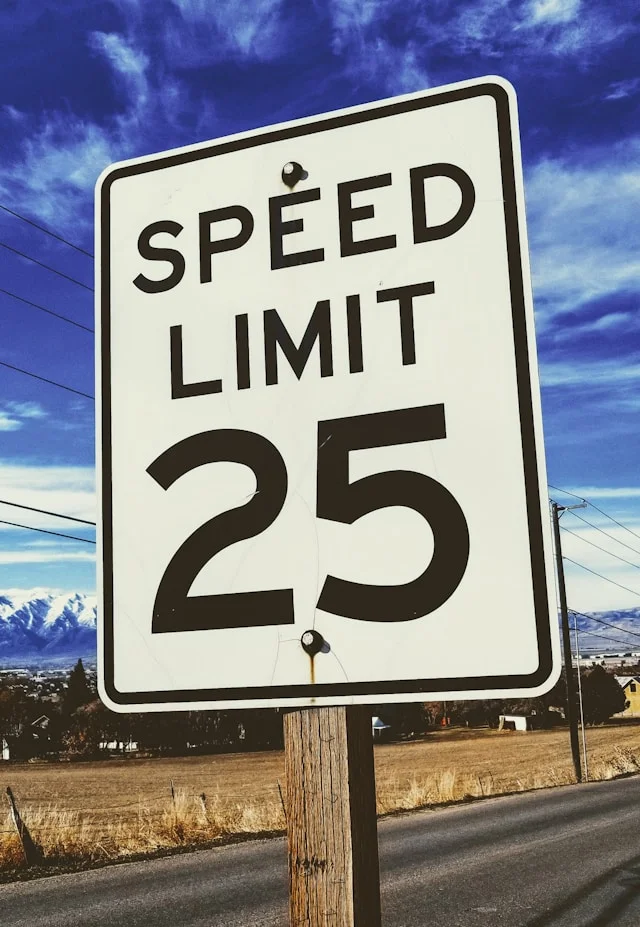
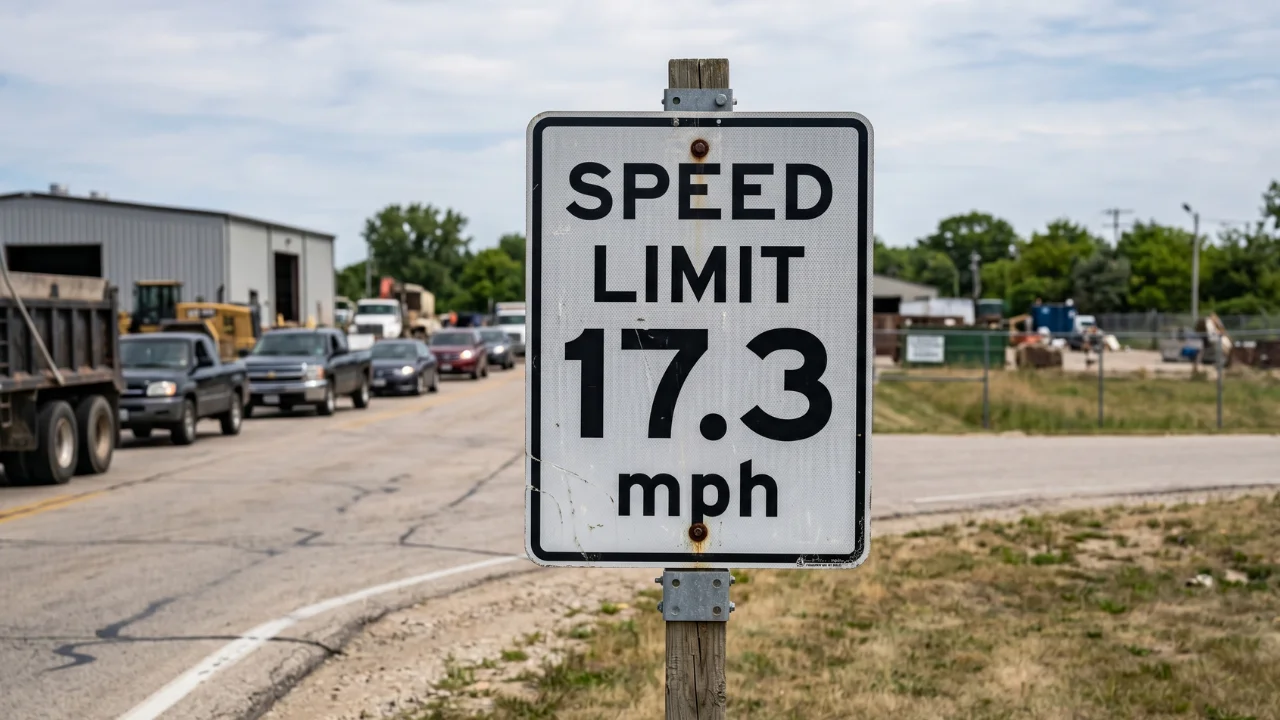
The Absolute Speed Limit Law is straightforward: if the sign says 70mph, then 70mph is the maximum legal speed – driving even 1mph over the limit technically counts as speeding.
Meanwhile, the Basic Speed Rule takes road conditions into account.
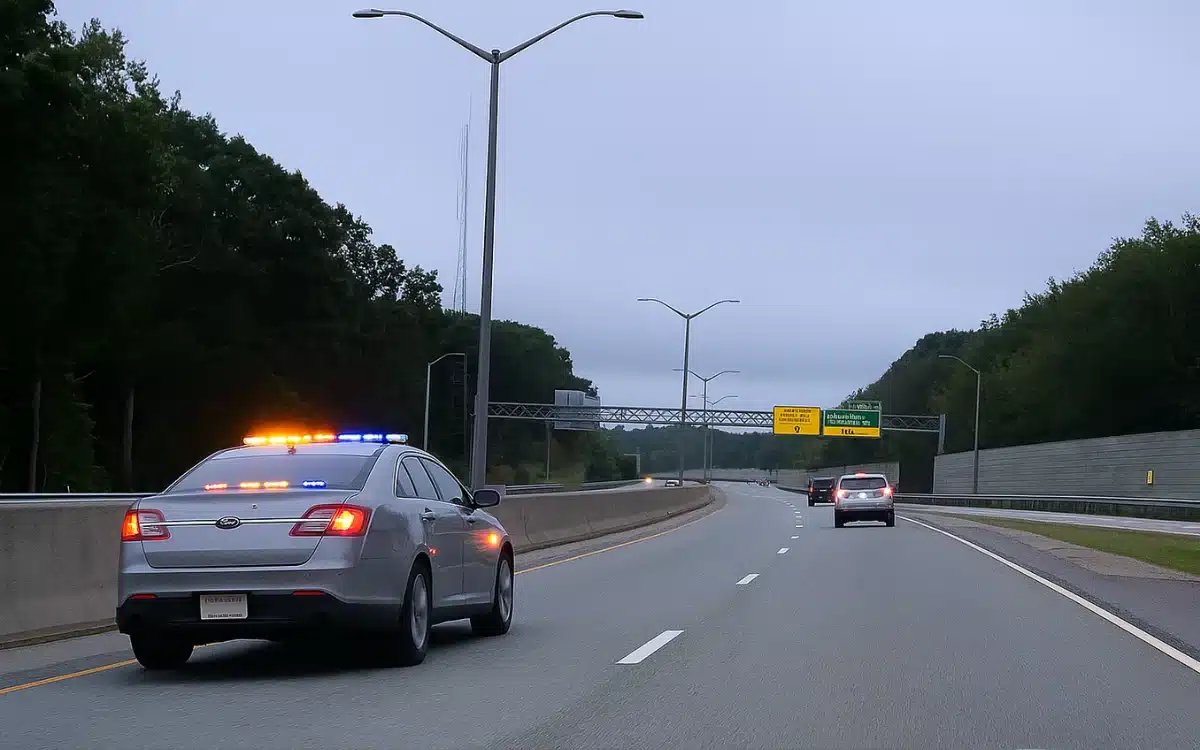
That means a driver can still be cited for speeding even if they’re under the posted limit if an officer believes they were traveling too fast for the conditions, such as during heavy rain, fog, ice, or congested traffic.
So while the posted speed is important, it’s not always the only factor that determines whether you’re driving legally.
Related

The wording on each sign is your clue
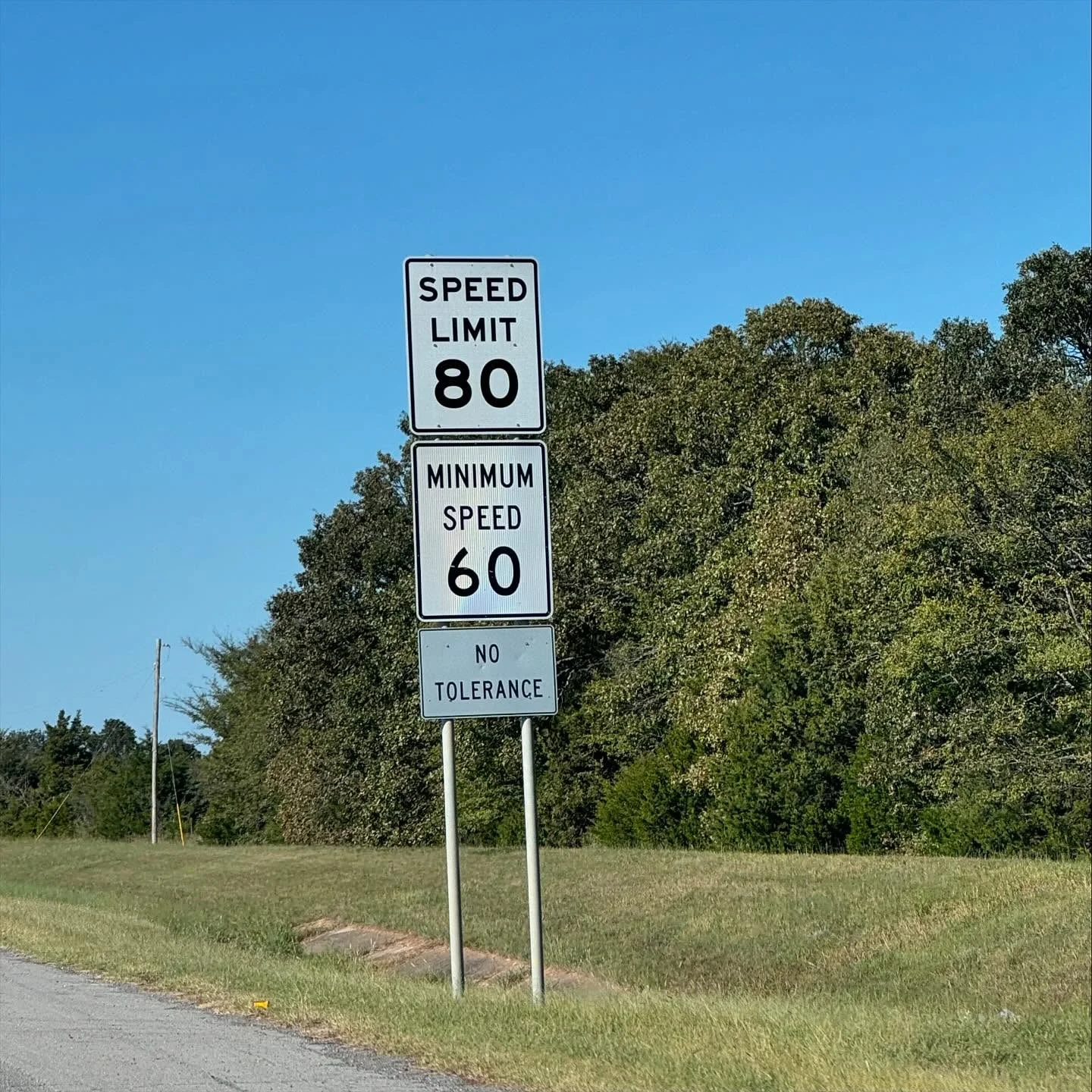
The clue is printed directly on some of Oklahoma’s speed limit signs.
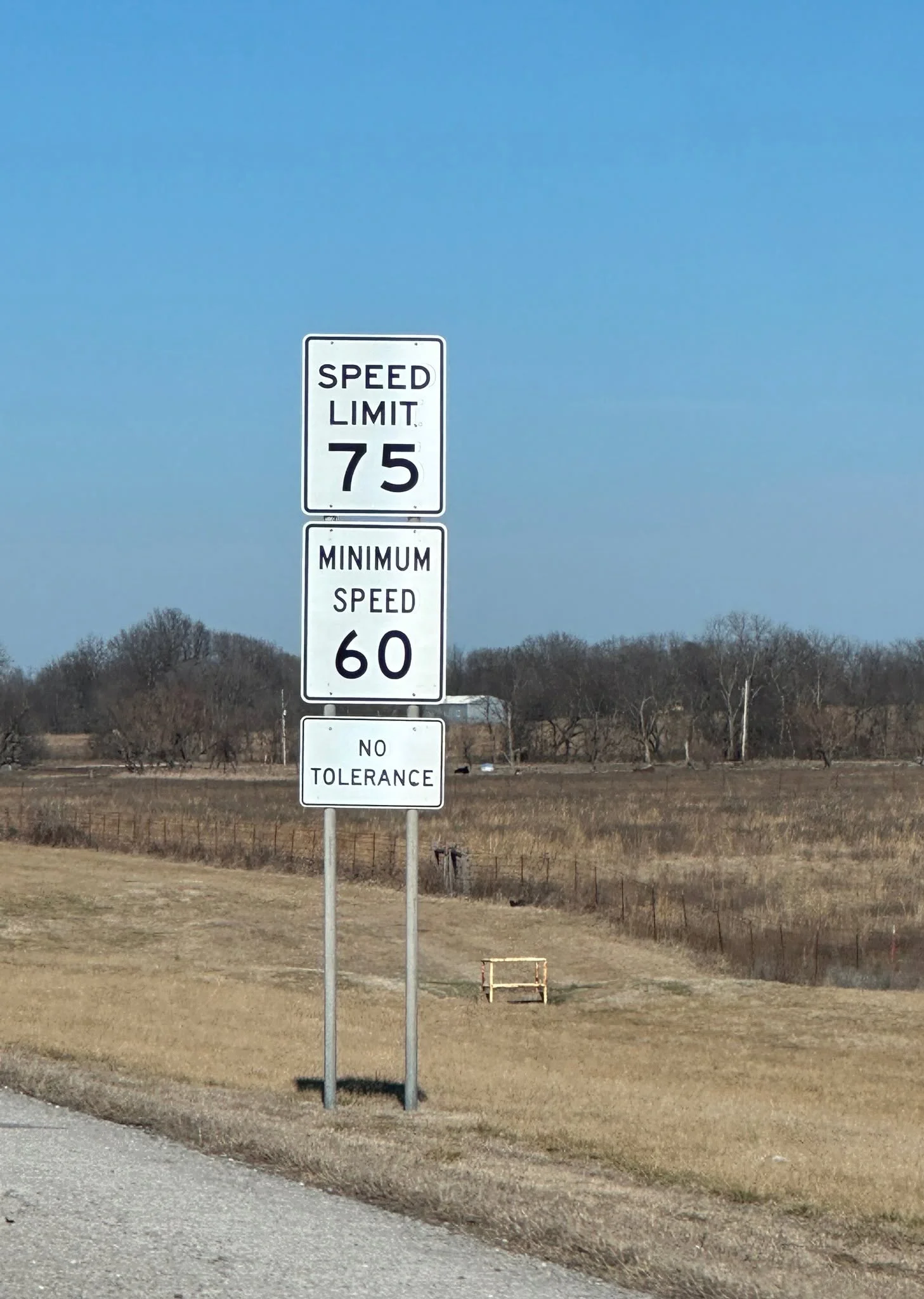
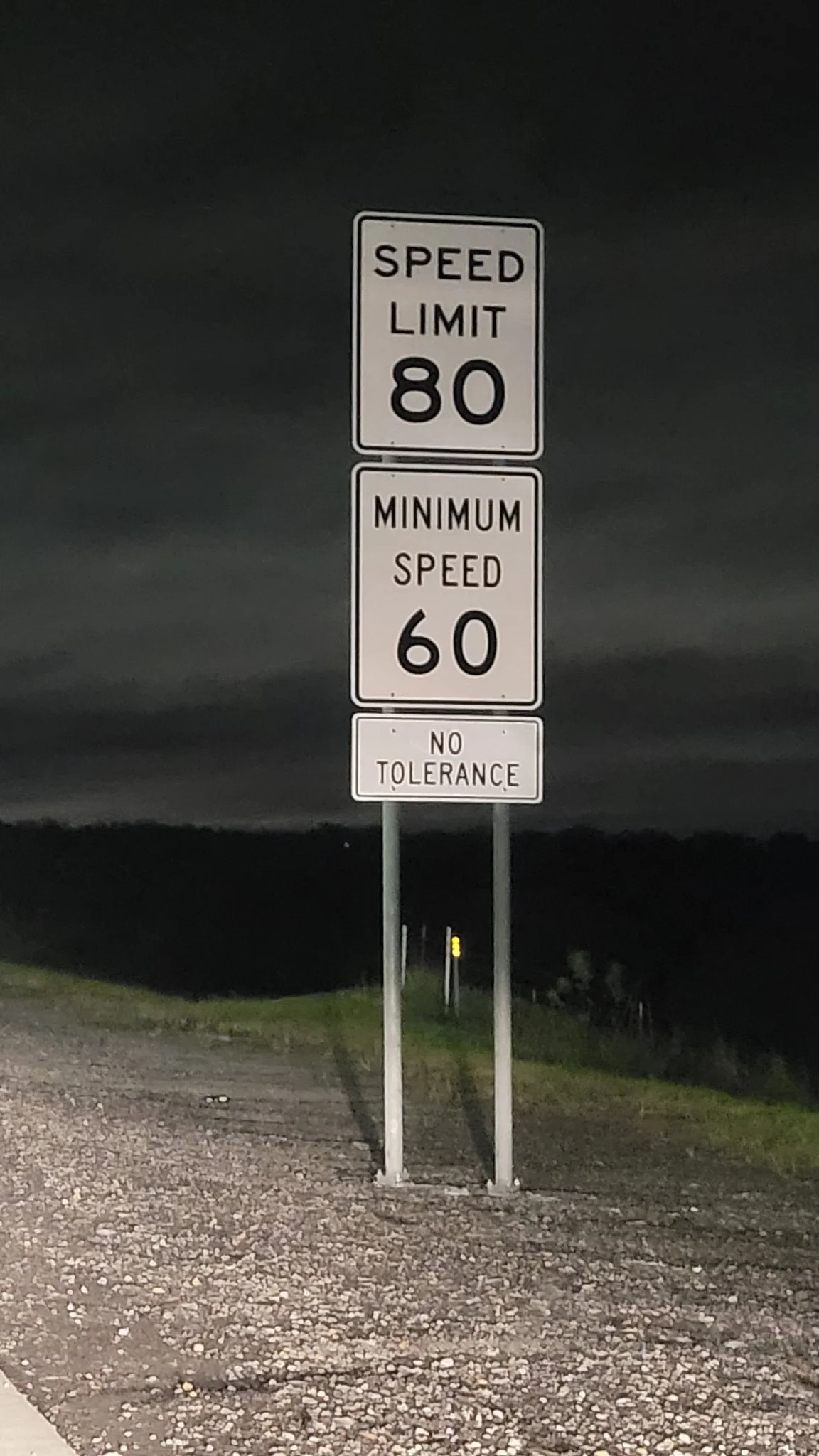
If a sign includes the words ‘No Tolerance’ or ‘Zero Tolerance’, it’s highlighting the state’s Absolute Speed Limit Law, meaning there is no official allowance above the posted speed.
The Oklahoma Turnpike Authority first introduced the ‘No Tolerance’ signs in 1998 as part of a campaign to reduce speeding-related crashes on the roads of Oklahoma.
The initiative expanded in 2012 with the Highway Safety Corridor Project, where additional signs were installed on roads with a history of serious accidents in Pottawatomie County.
During that campaign, Oklahoma Highway Patrol officers were instructed to enforce the posted speed limit exactly as written, issuing citations to drivers traveling even slightly above it.
The signs don’t create a separate law, but they do serve as a reminder that the posted number is the legal limit, not a target that comes with an unofficial grace margin.
According to Oklahoma law, fines begin at $10 for drivers traveling between 1 and 10mph over the speed limit, with penalties increasing for higher speeds.
In the most extreme cases, drivers caught 36mph or more over the limit can even face jail time.
It’s a small detail that many out-of-state drivers overlook, but in Oklahoma, those two extra words on a speed limit sign tell you exactly how that stretch of road is meant to be enforced.
Daisy is a technology and automotive journalist covering artificial intelligence, consumer tech, Apple news, cryptocurrency, emerging technologies, and transportation innovation. Since joining the team in 2025, she has reported on everything from AI-powered startups and major iOS updates to viral car stories and the latest developments shaping transportation and the digital economy. Drawing on her background in automotive journalism and a degree in History and Journalism from Goldsmiths, University of London, Daisy specializes in breaking down complex topics into clear, engaging reporting for a global audience. Her work spans cutting-edge technology, innovative vehicles, and the people driving change across both industries. Daisy has gained first-hand access to some of the world's most talked-about technologies and innovators, including meeting Tesla's Optimus humanoid robot during its first European appearance in London. She has also discussed the future of space exploration with an astronaut, bringing unique insights and real-world perspectives to her coverage of emerging technology.