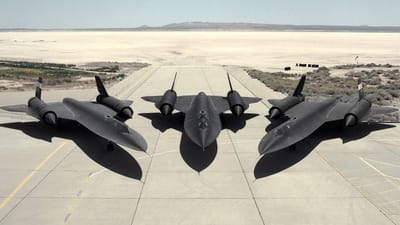
This is how a pilot can identify an aircraft's direction in seconds just by looking at its lights
Published on Jun 11, 2026 at 12:08 PM (UTC-4)
by Daisy Edwards
Last updated on Jun 11, 2026 at 12:08 PM (UTC-4)
Edited by
Mason Jones
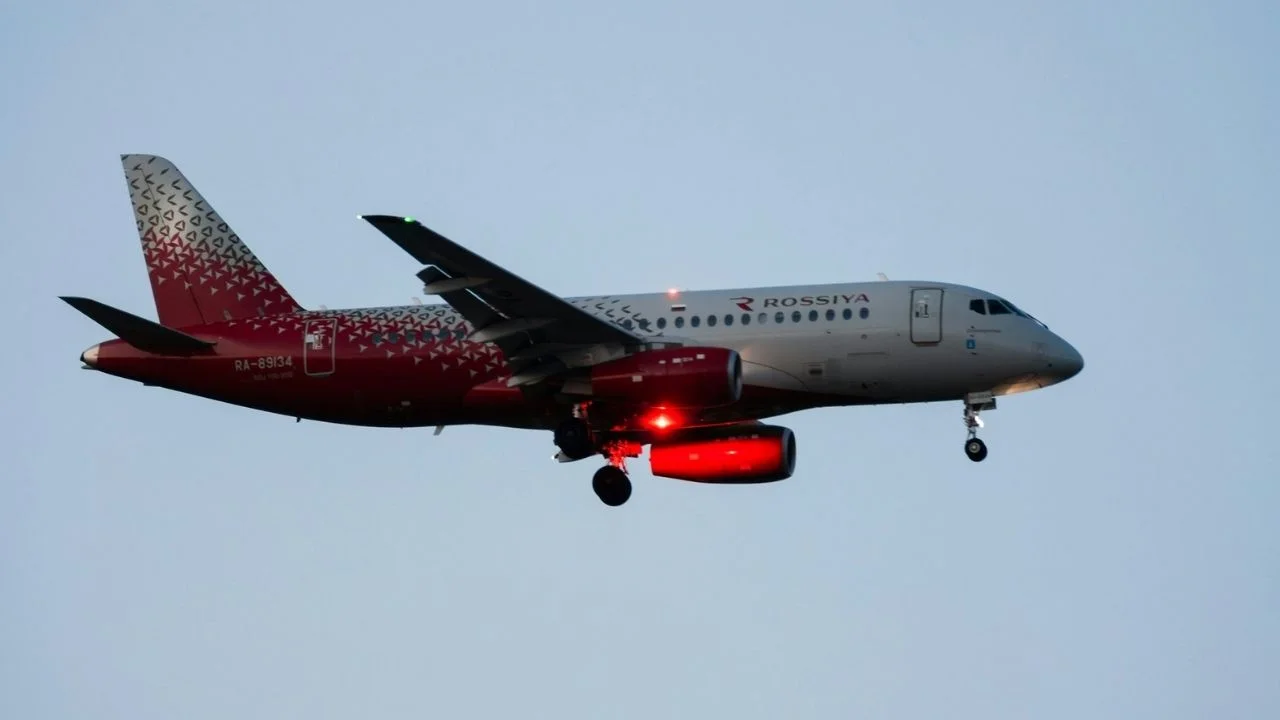

If you’ve ever looked up at a plane flying at night and wondered how a pilot can tell an aircraft’s direction, the answer is surprisingly simple.
Aircraft use a standardized lighting system that has been helping pilots avoid collisions for decades.
Once you know what the colors mean, you can work out an aircraft’s direction in seconds too.
And as this handy article shows, it’s almost like learning a secret aviation language.
How a pilot can identify an aircraft’s direction in seconds
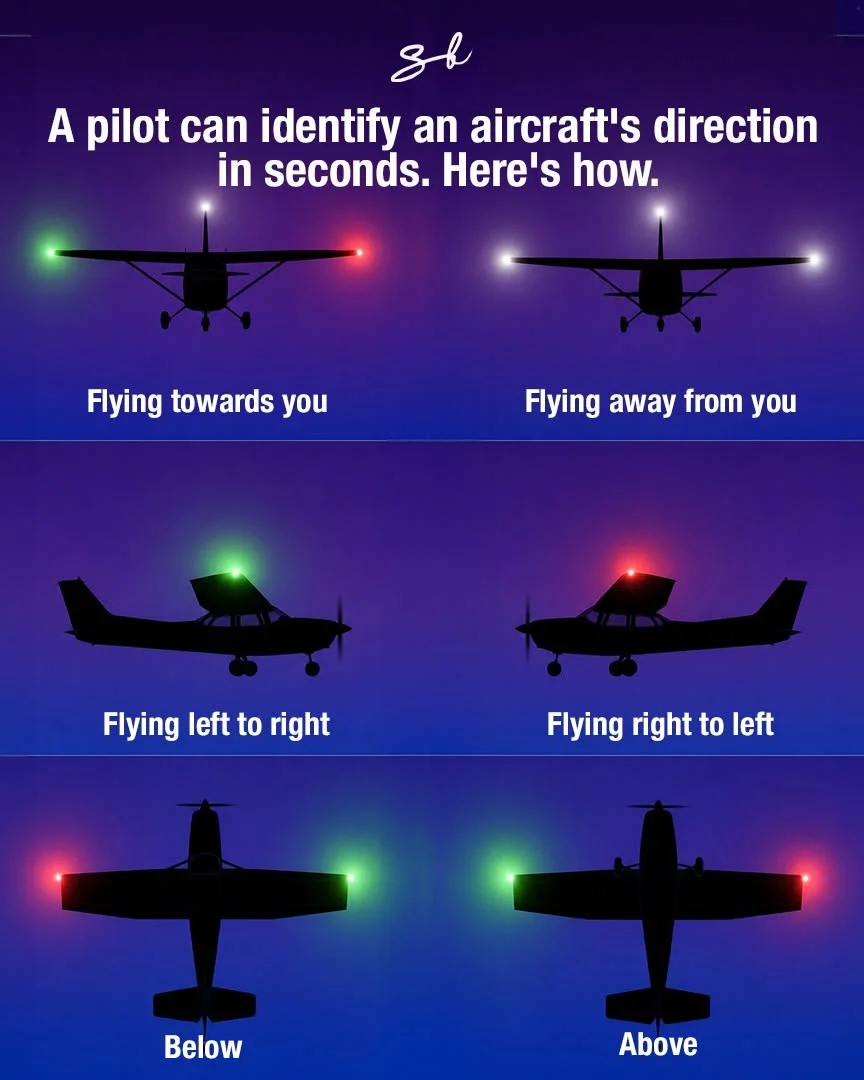
Every airplane has three primary navigation lights: a red light on the left wingtip, a green light on the right wingtip, and a white light facing rearward from the tail.
These are known as position lights and are designed specifically to help observers determine an aircraft’s orientation and direction of travel.
The system actually originated in the maritime world before being adopted by aviation.
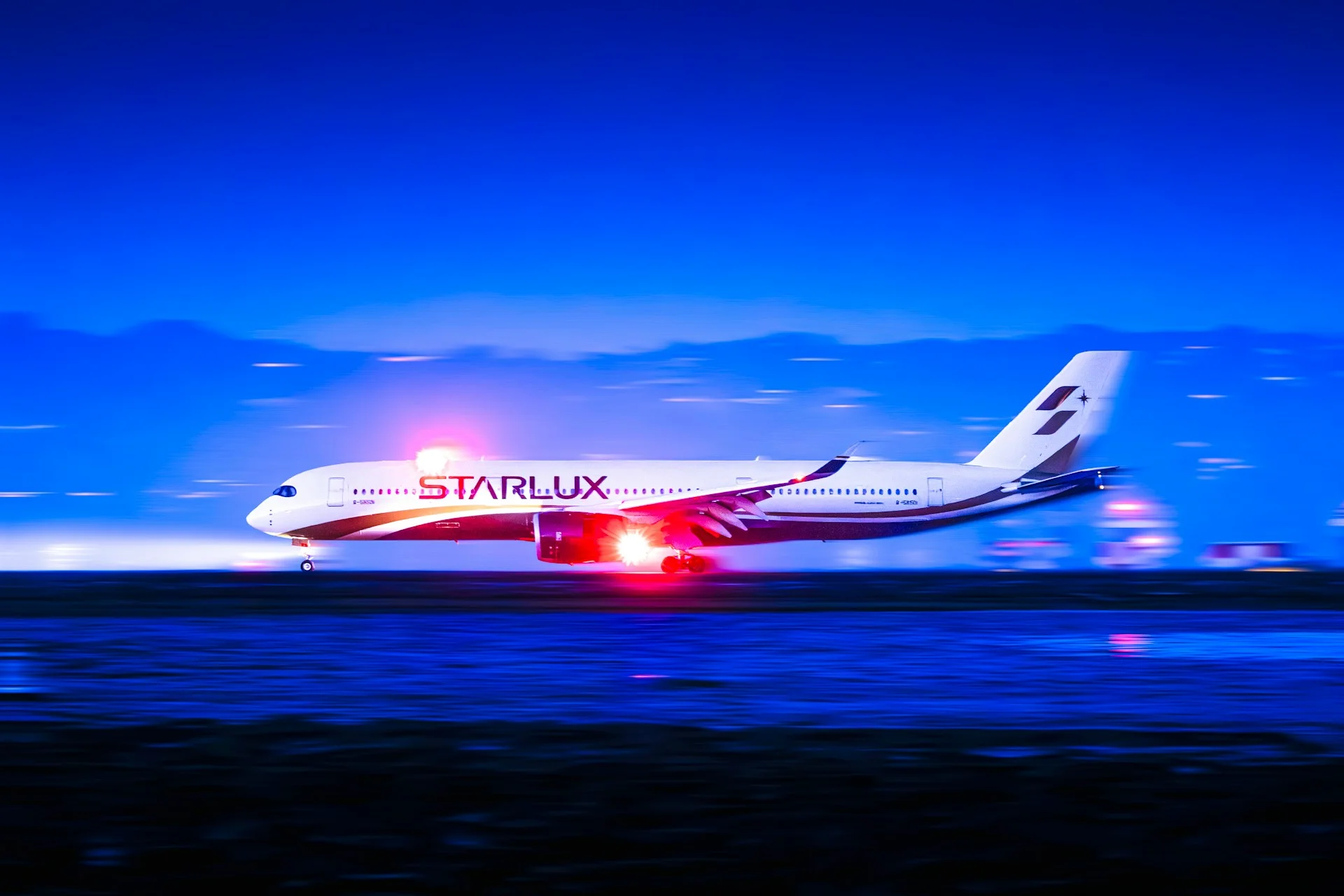
If you see both the green and red lights at the same time, the aircraft is generally flying toward you because you’re looking at its nose.
If you only see the green light, the aircraft is moving from left to right across your field of view.
If you only see the red light, it’s moving from right to left.
And if you mainly see white lights, you’re looking at the aircraft from behind as it flies away.
It sounds complicated, but once you know the color code, identifying an aircraft’s direction becomes surprisingly easy.
Related

Why the red and green aircraft lights are so important
The color system does much more than help aviation enthusiasts identify planes at night.
It allows pilots to quickly assess the position and movement of nearby aircraft, helping them make safe decisions without needing radio communication or Air Traffic Control to get involved.
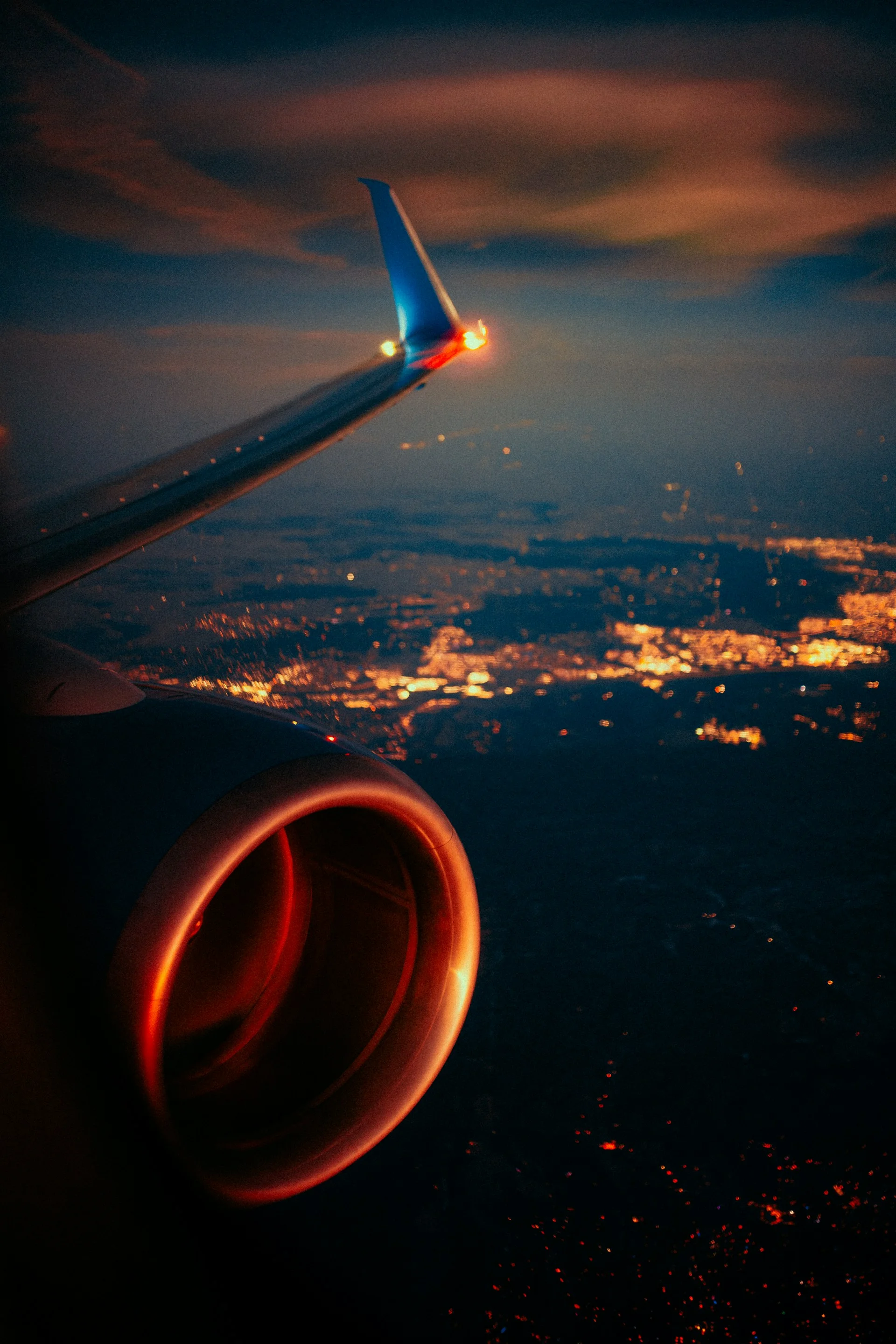
The lights are required on aircraft operating at night and are often used during daytime flights as well to improve visibility.
When viewing an aircraft from below, the red light appears on the left side and the green light on the right. When viewing it from above, the positions appear reversed because you’re looking at the aircraft from the opposite perspective.
Beyond the red, green, and white navigation lights, many aircraft also use anti-collision beacons and flashing strobe lights, making them even easier to spot in busy airspace.
Once you learn the lights, you can have a weird little party trick like you’re Skyscanner.
The next time you spot an airplane crossing the night sky, take a look at its lights – you might be surprised at how much information those tiny colored dots are giving away.
Daisy is a technology and automotive journalist covering artificial intelligence, consumer tech, Apple news, cryptocurrency, emerging technologies, and transportation innovation. Since joining the team in 2025, she has reported on everything from AI-powered startups and major iOS updates to viral car stories and the latest developments shaping transportation and the digital economy. Drawing on her background in automotive journalism and a degree in History and Journalism from Goldsmiths, University of London, Daisy specializes in breaking down complex topics into clear, engaging reporting for a global audience. Her work spans cutting-edge technology, innovative vehicles, and the people driving change across both industries. Daisy has gained first-hand access to some of the world's most talked-about technologies and innovators, including meeting Tesla's Optimus humanoid robot during its first European appearance in London. She has also discussed the future of space exploration with an astronaut, bringing unique insights and real-world perspectives to her coverage of emerging technology.