From the trademark clash with Peugeot to the modern hybrid era: the evolution of Porsche 911
Published on May 31, 2026 at 5:45 AM (UTC-4)
by Alessandro Renesis
Last updated on May 31, 2026 at 5:45 AM (UTC-4)
Edited by
Emma Matthews
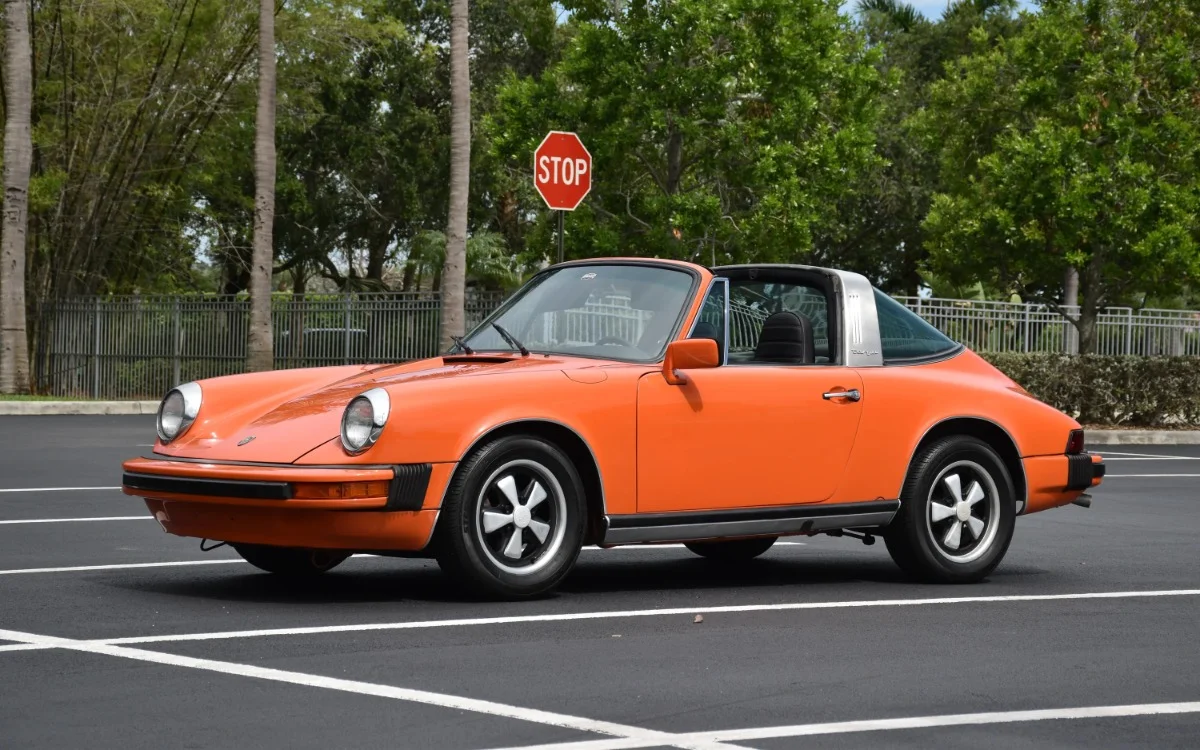

The first thing we need to remember about the Porsche 911 is that it was actually supposed to be called something else.
But then something happened, and Porsche called it the 911, and it’s fair to say the name ‘stuck’.
It stuck big time.
From its ‘humble’ origins to its current iconic status, this is how Porsche created one of the most important cars ever made.
Porsche can blame – or thank – Peugeot
Designed by Ferdinand ‘Butzi’ Porsche, the grandson of the company’s founder, the 911 was supposed to be called 901.
Porsche began working on a project called ‘Typ 901’, but then had to change the name ahead of production due to a dispute with Peugeot.
Apparently, the French automaker had filed trademarks for just about any car name formed by three numbers with a zero in the middle.
Go figure.
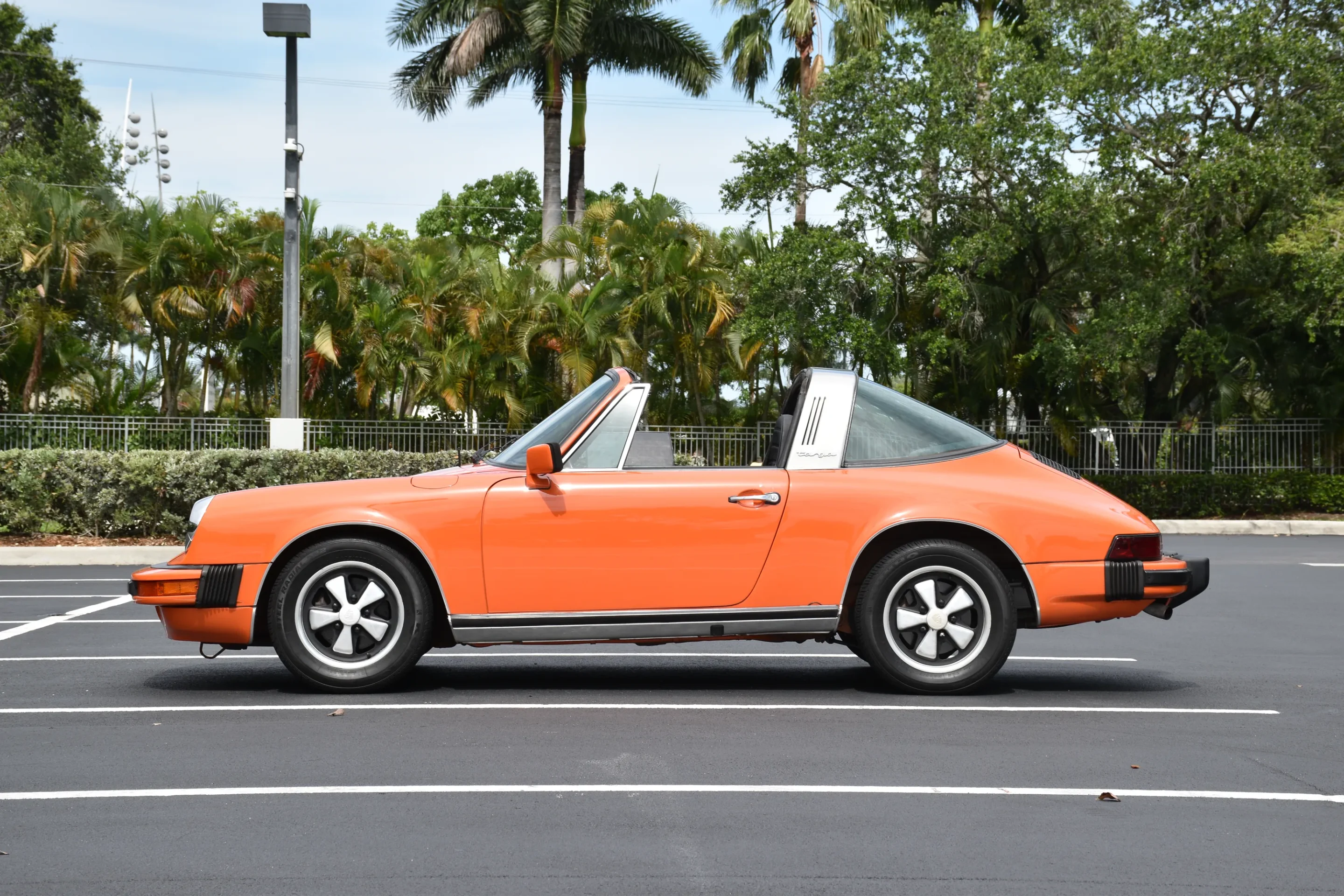
Still, at that point, Porsche had two options.
It could either change the name or still call it the ‘901’, and not be able to sell it in France.
So, in 1964, Porsche began production of the ‘911’.
Click the star icon next to supercarblondie.com in Google Search to stay ahead of the curve on the latest and greatest supercars, hypercars, and ground-breaking technology
Related

The air-cooled era, from the original to the iconic naming strategy we still have today
For over 30 years, all 911s were air-cooled.
In the beginning, this wasn’t really a choice.
Back then, water-cooled engines were an option, but not the favored option.
However, Porsche continued to make the 911 air-cooled even through the ’80s and ’90s.
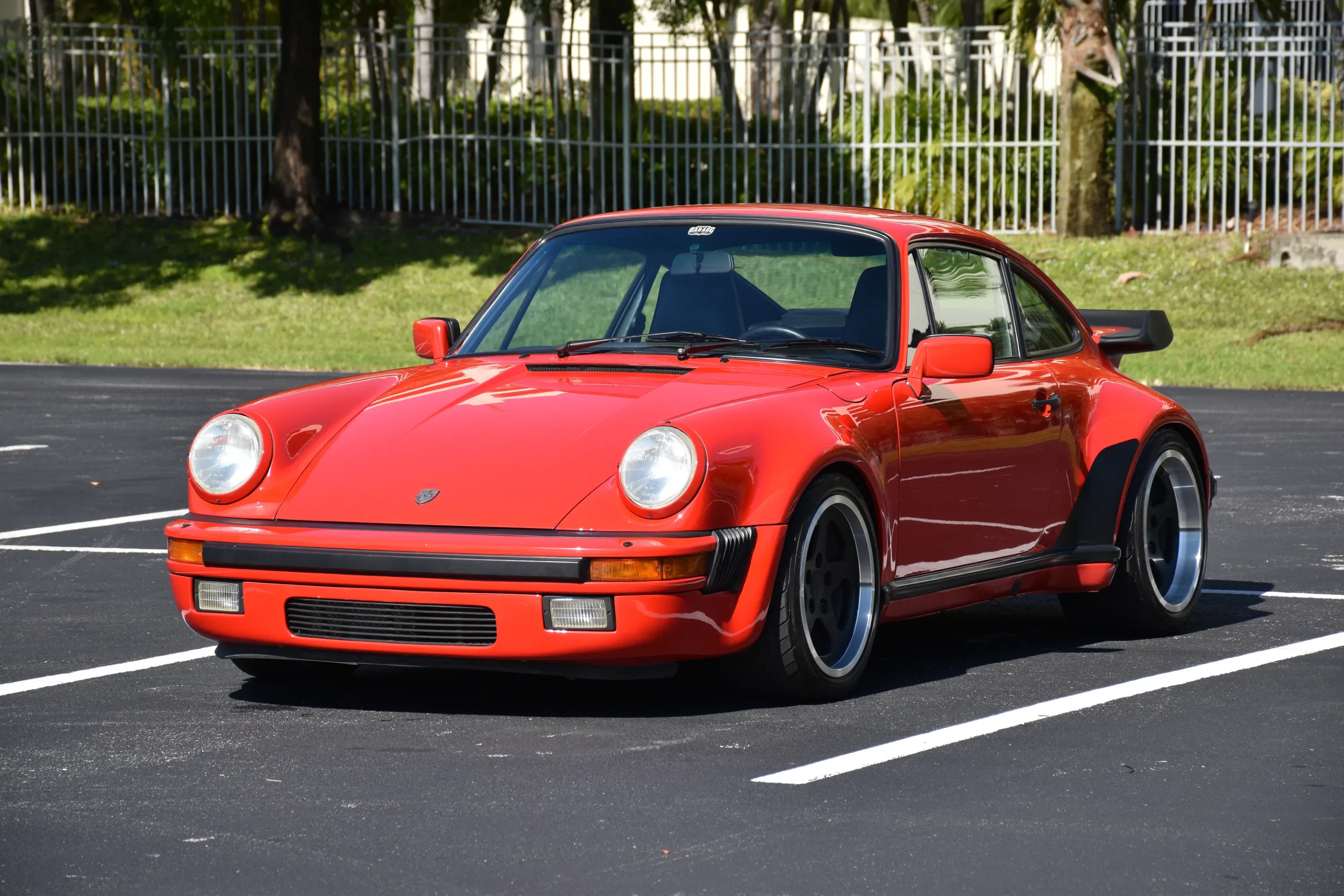
By 1998, water-cooled engines were predominant, and Porsche eventually caved in and made the change.
It hasn’t caved in about much else, though.
One of the defining features of the 911 is that it’s always been a rear-engined car.
This seems like a minor thing, but it isn’t.
Historically, most cars have either been front-engined or mid-engined. Not the 911.
Translated into visually understandable terms: in a mid-engined car, the engine is behind the cabin but in front of the rear wheels.
In a rear-engined car, it’s behind both, as you can see in the 1996 Porsche 911 933, pictured below.
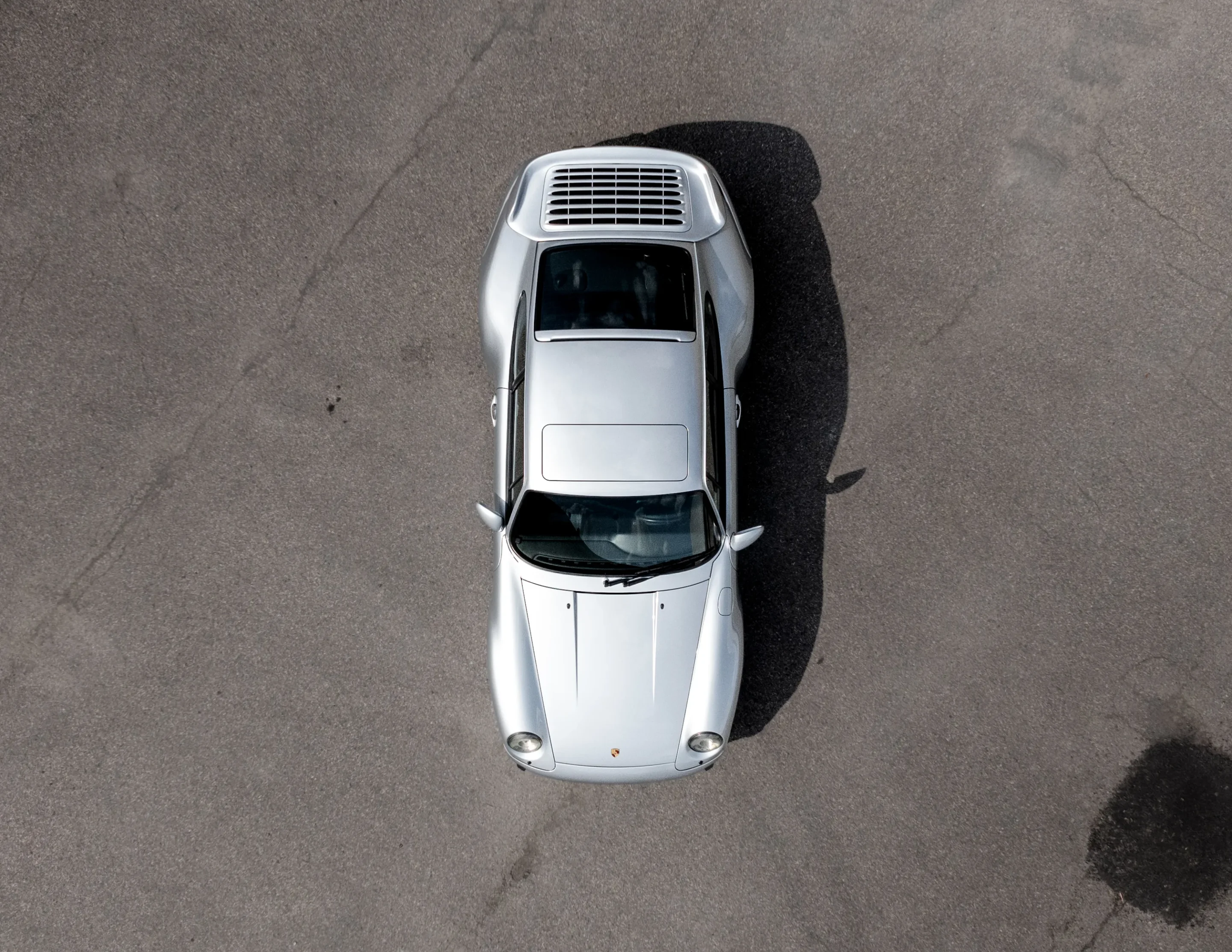
The first 911s were quite difficult to drive, precisely because of this. But Porsche never buckled and kept at it.
Through the years, the air-cooled 911, often called 911 Classic, evolved in many ways.
Porsche gave it incrementally bigger engines, then a turbo, and a semi-automatic gearbox.
The marque also created new variants.
In fact, nearly every iteration – Turbo, RS, etc – of the 911 already existed with the 911 Classic.
As a last note of color, the 911 Classic also gave us one of the most interesting pieces of trivia about the 911: its weird naming strategy.
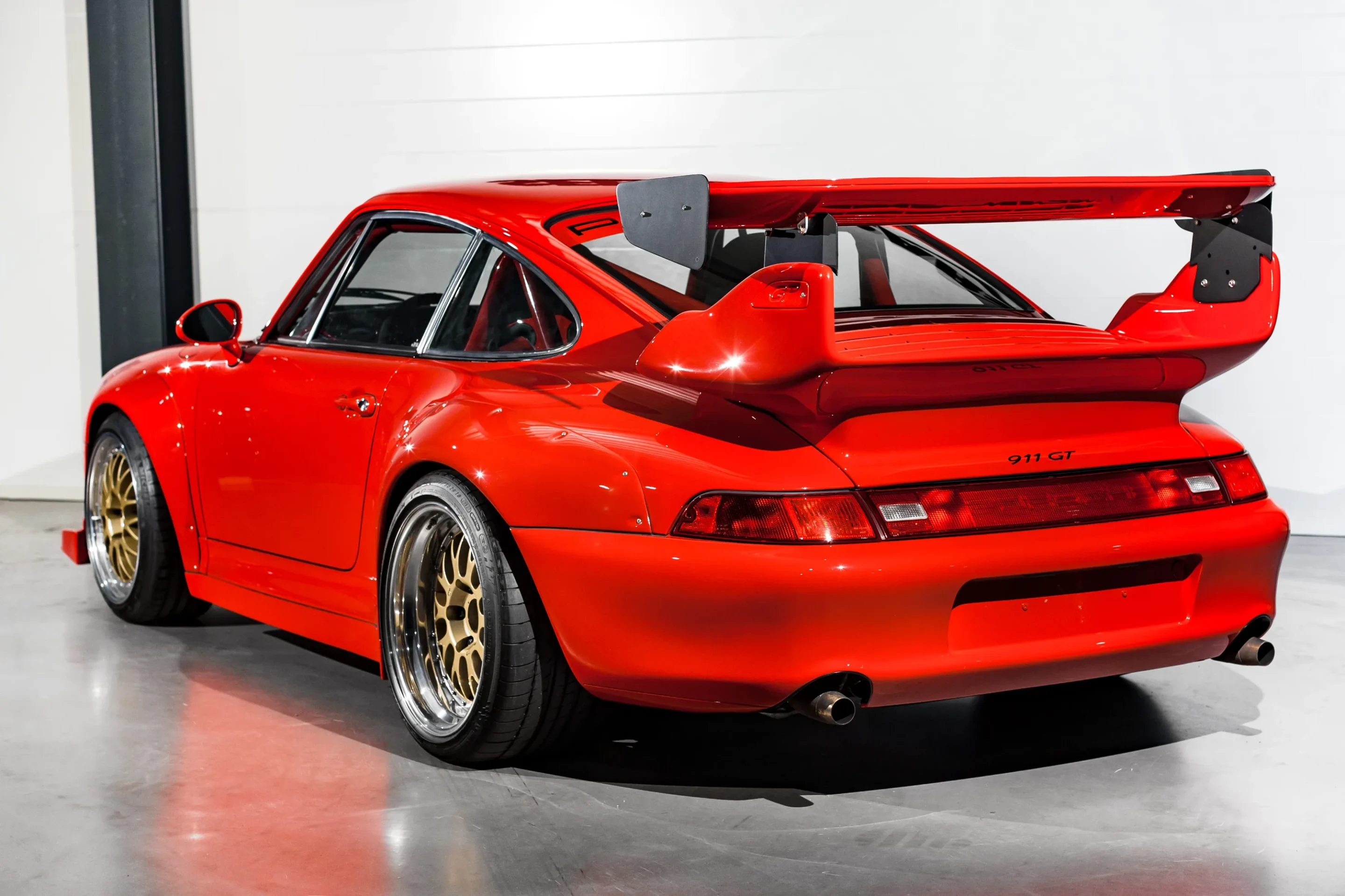
The 933 – the last air-cooled one, but also the first one with the recognizable name
Most automakers keep internal codenames to themselves, but Porsche doesn’t.
Maybe it’s because there have been so many different models that were often visually identical to the previous one, or maybe it’s because car geeks love geeky things.
Either way, the 911 is just about the only car model in the world that’s known by its internal codename.
In that respect, the 911 993, like the 1996 Porsche 911 993 GT Series modified by RUF, pictured below – the last air-cooled one – was the first of the breed.
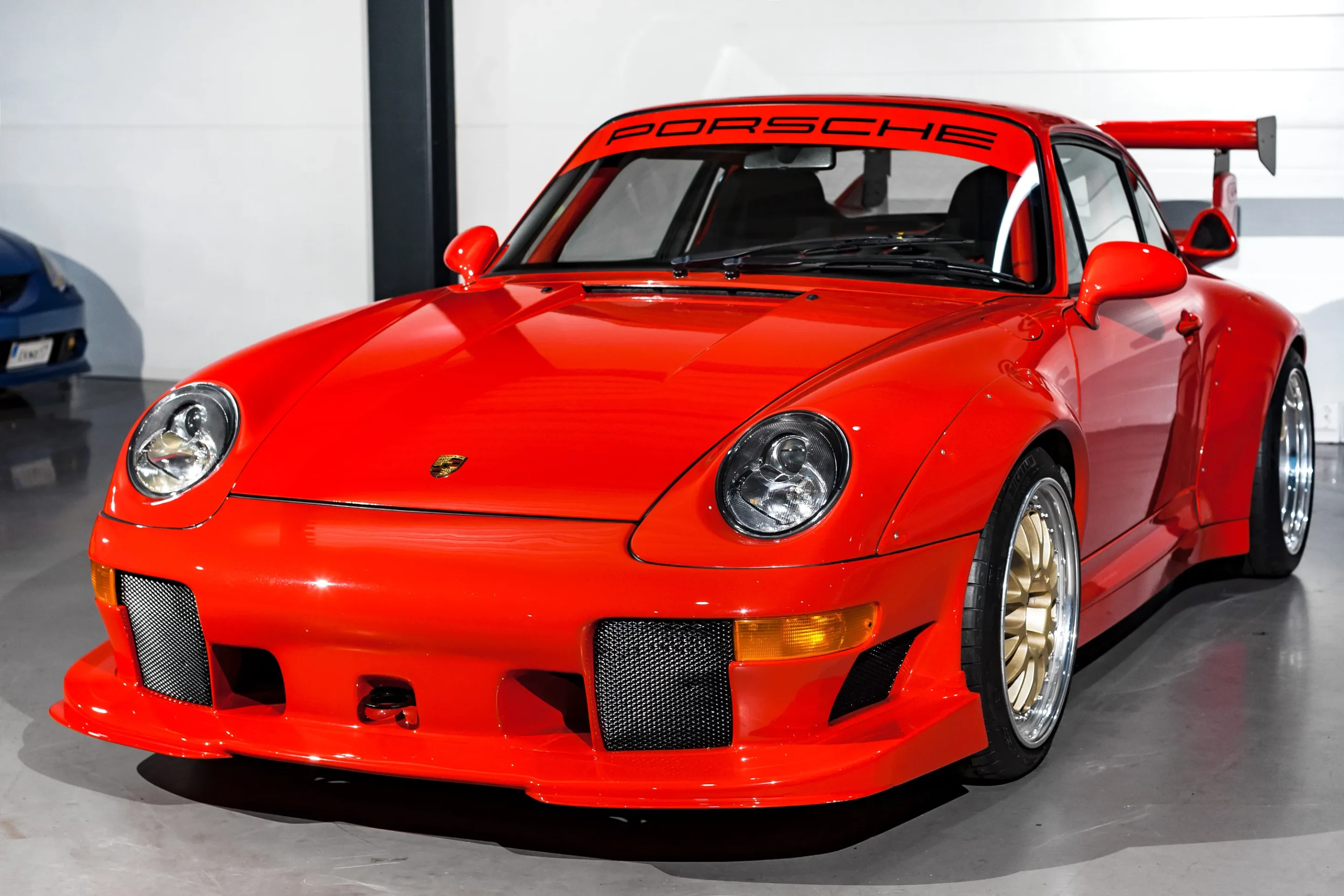
All 911s had internal codenames, but the 993 is universally considered the car that started this trend.
The fact that Porsche owners and car fans in general recognize different 911s by the internal codename is unusual enough, but what makes it even stranger is that there appears to be no rhyme or reason.
Because these numbers are not in ascending order.
The 993 was followed by the 996, 997… and then came the 991.
The Porsche 911 996 marked the beginning of a new era
In 1997, Porsche unveiled the 911 996, which kick-started the water-cooled era.
The engine was still at the back, and it was still a flat-six, but it was water-cooled and, believe it or not, was actually developed with the help of Toyota.
The 996 also legitimized using a name that didn’t necessarily match the car.
As in, in the beginning, a Porsche 911 ‘Turbo’ would have been turbocharged.
But with the modern 911, non-Turbo models are also turbocharged.
Fast-forward to 2026, and we’ve got electric cars called Turbo.
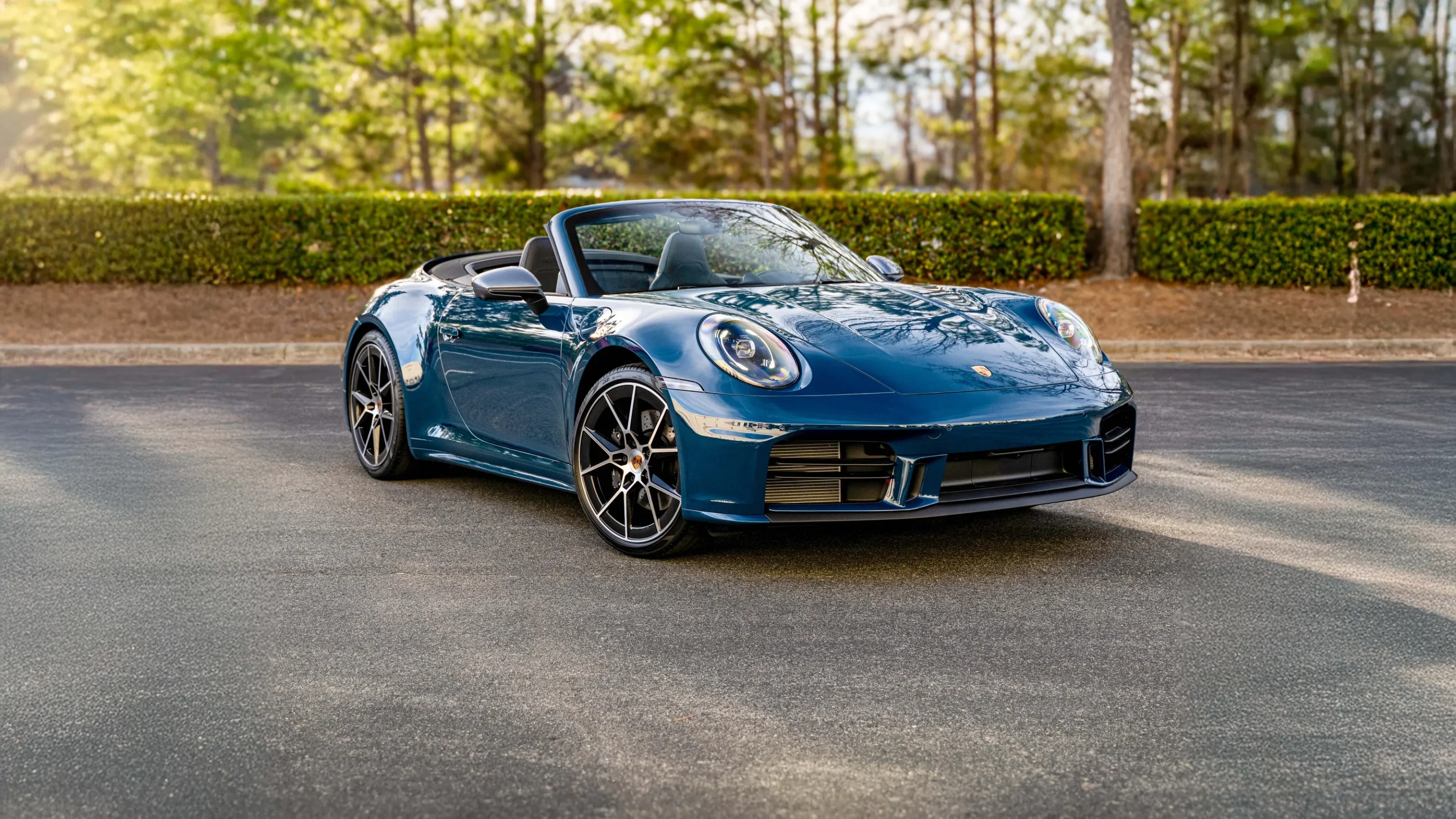
But we digress.
The water-cooled era gave us a few new entries, the most significant of which is probably the new GT3.
Introduced with the 996, the GT3 series has usually been marketed as a track-ready car that’s also street-legal.
In its current form, the 911 is also available as a hybrid, which is unprecedented but probably inevitable.
The good news is, for now, Porsche doesn’t want to turn the 911 into another EV.
And, even better news, you can still get a manual 911.
Alessandro is an automotive journalist with 10 years of experience covering supercars, automotive history, emerging vehicle technology, and luxury transportation. He wrote the first article published on SupercarBlondie.com when the website launched in 2022 and has since built a reputation for insightful reporting across the automotive and transportation industries. His expertise is grounded in hands-on experience. Alessandro has driven every Tesla model ever produced, from the original Roadster to the Cybertruck, and regularly covers the latest developments in electric vehicles and automotive innovation. His passion for transportation extends beyond cars, he has even flown a Boeing 787 Dreamliner simulator in Addis Ababa, Ethiopia. His reporting spans everything from classic American muscle cars and rare automotive discoveries to luxury yachts, private aircraft, high-end watches, and cutting-edge vehicle technology. Known for his deep knowledge of automotive history and ability to uncover the stories behind iconic vehicles, Alessandro brings readers a blend of historical context, technical expertise, and first-hand experience.