Porsche and Ferrari turned down having its cars featured in Pretty Woman so Lotus stepped up and it paid off massively for the company
Published on Oct 03, 2026 at 12:08 AM (UTC-4)
by Alessandro Renesis
Last updated on Oct 03, 2026 at 12:08 AM (UTC-4)
Edited by
Alessandro Renesis

Well over 30 years ago, Ferrari and Porsche reportedly turned down an offer to be featured in Pretty Woman.
There was a reason they apparently wanted nothing to do with it.
But then Lotus stepped in and became a part of the iconic movie.
And the British marque’s bet paid off big time.
The absurd and interesting dynamics behind what you see on screen
In 2026, the fact that almost everything you see on screen is somehow paid for and/or subject to some agreements – not necessarily commercial – is common knowledge.
The bizarre two-second frame unnecessarily showing you which specific snack the police detective is eating, how the camera lingers a second longer than it should on a billboard with your favorite car brand, and so on.
We know how it works now.
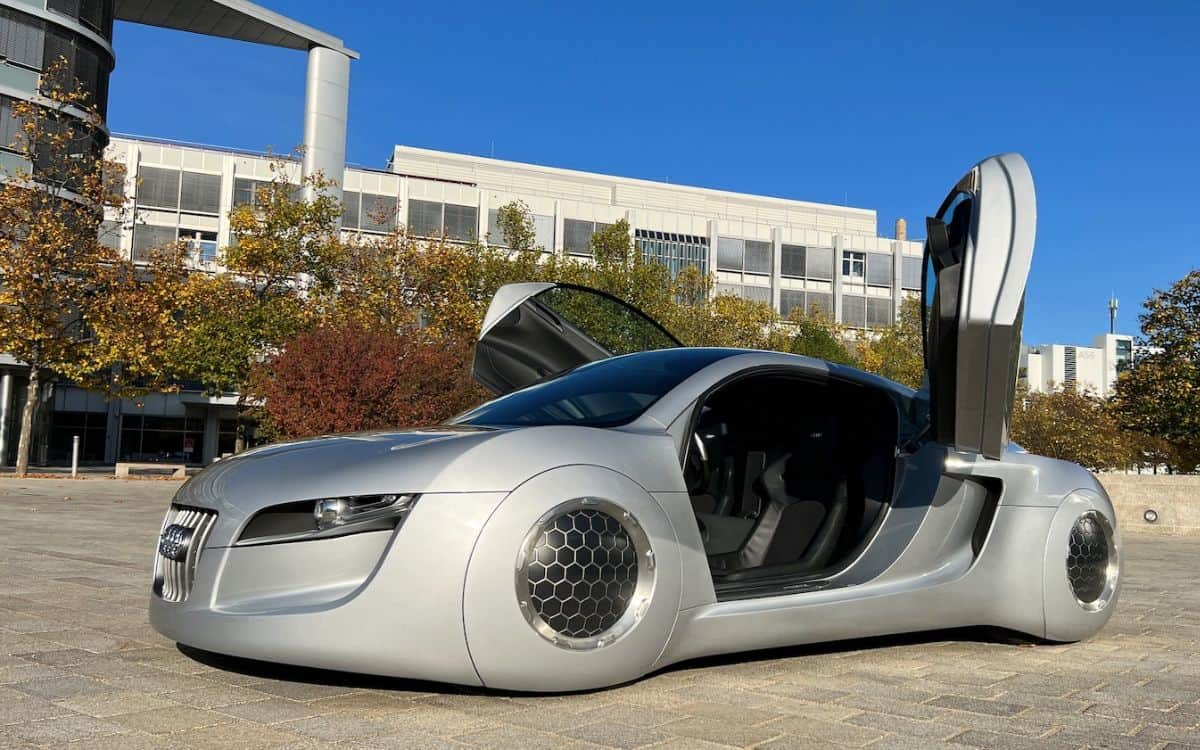
We know why practically all cars in I, Robot were Audis, and we know why James Bond drives Astons and wears Omegas.
There are also other things and open secrets.
For example, Apple forbids studios from giving ‘baddies’ in movies and TV shows an Apple product.
This used to be an urban myth, but then Knives Out director Rian Johnson confirmed this was true in an interview with Vanity Fair.
For what it’s worth, I started actively paying attention to this and I haven’t seen a bad guy in a movie use an iPhone on screen since.
For a similar reason, both Ferrari and Porsche refused to allow the production team to use one of their cars for Pretty Woman.
Why Ferrari and Porsche said ‘thanks but no thanks’ and refused to appear in Pretty Woman
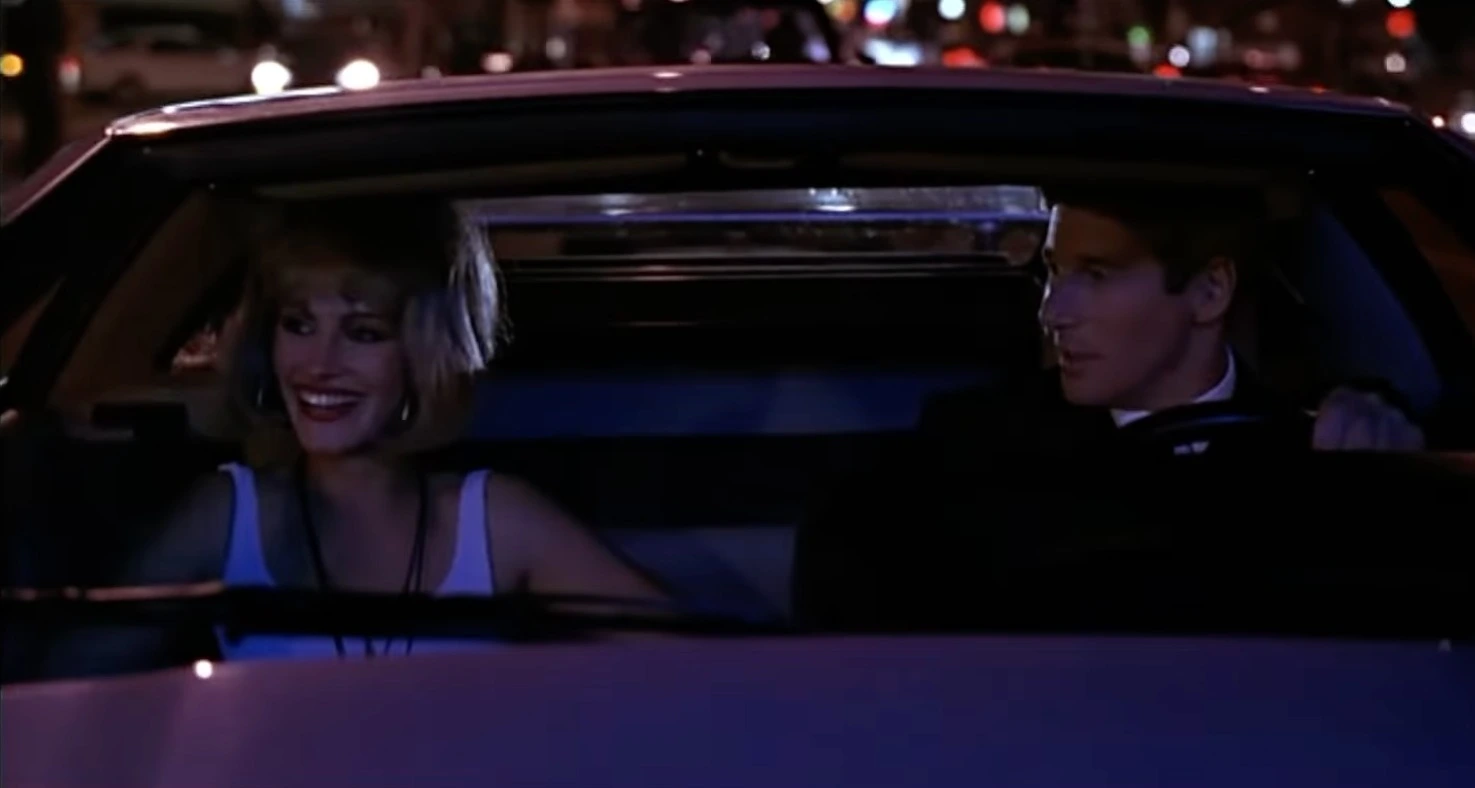
In general, brands want to be careful when it comes to whom they’re associated with, even in a scenario where the story is totally made up.
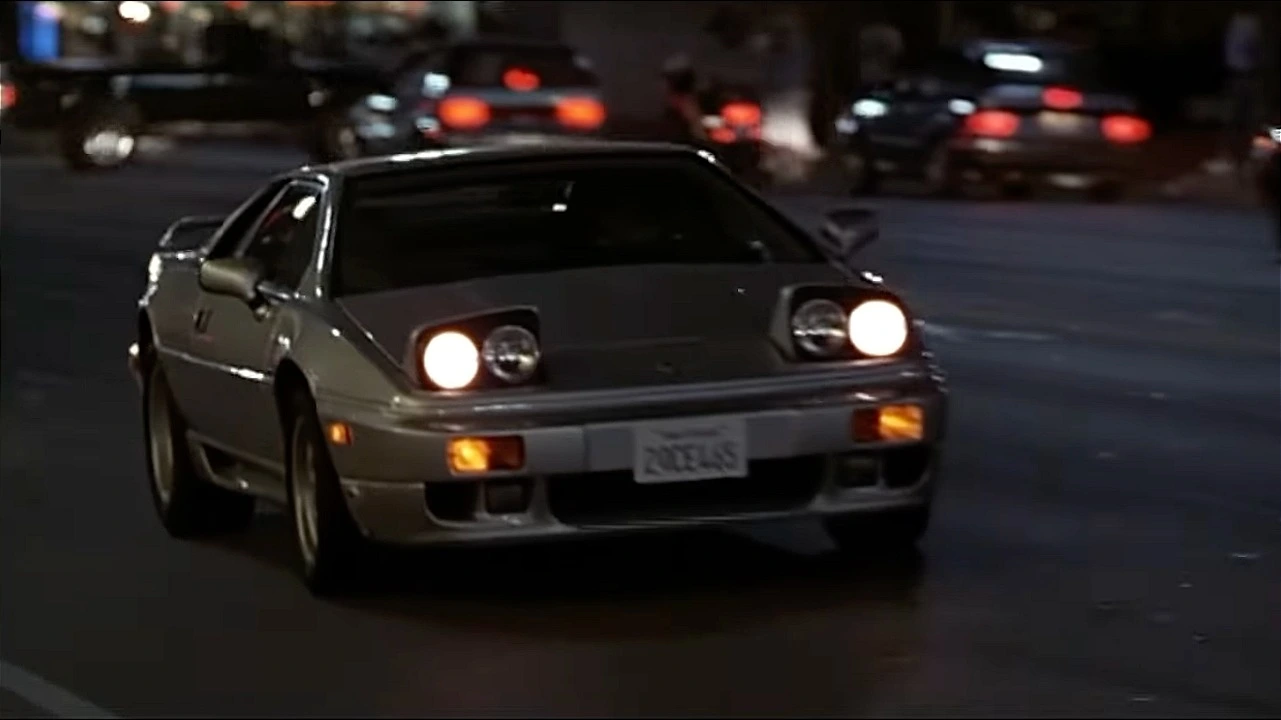
In the 1990 classic movie Pretty Woman, for example, Richard Gere famously drove a silver 1989.5 Lotus Esprit SE because both Ferrari and Porsche reportedly refused to supply a vehicle due to the film’s storyline.
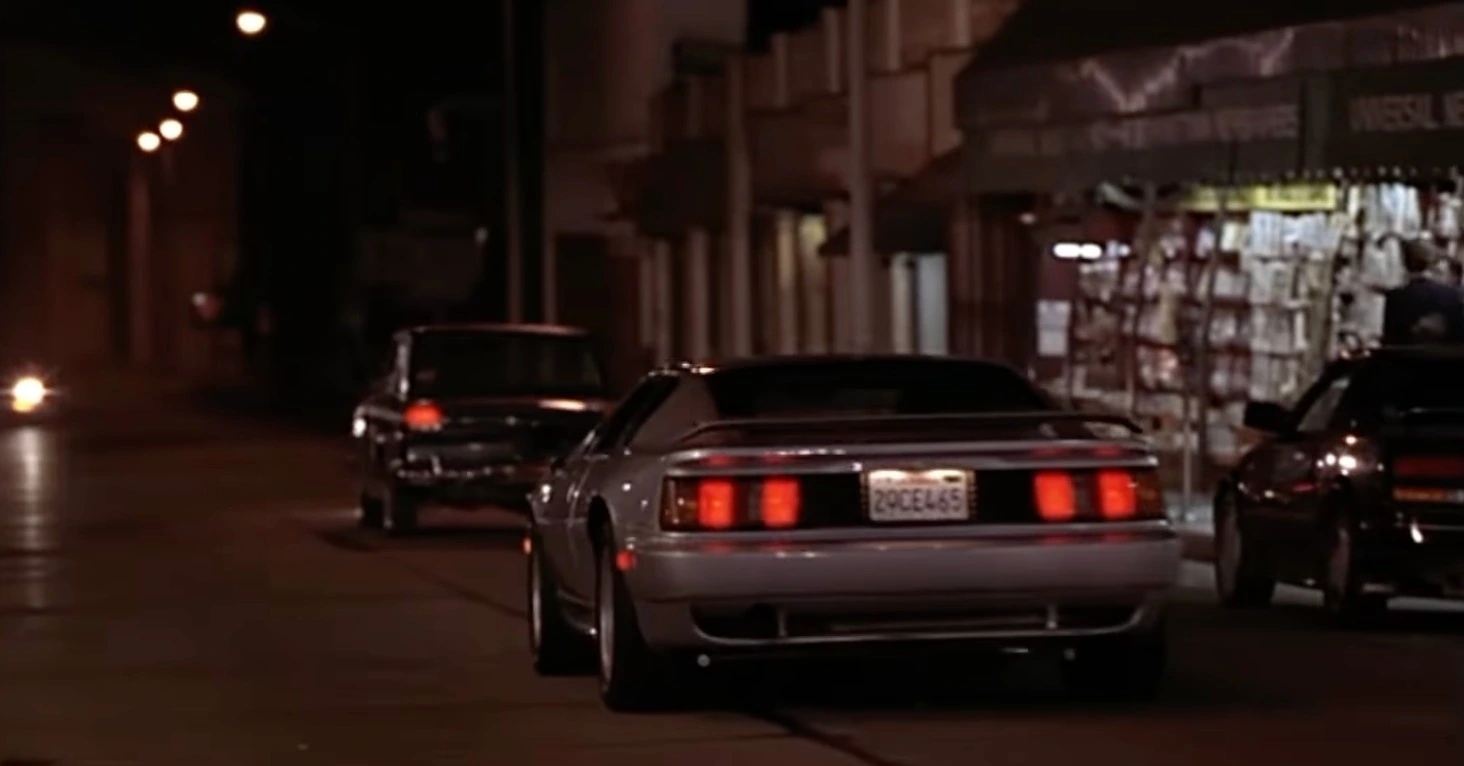
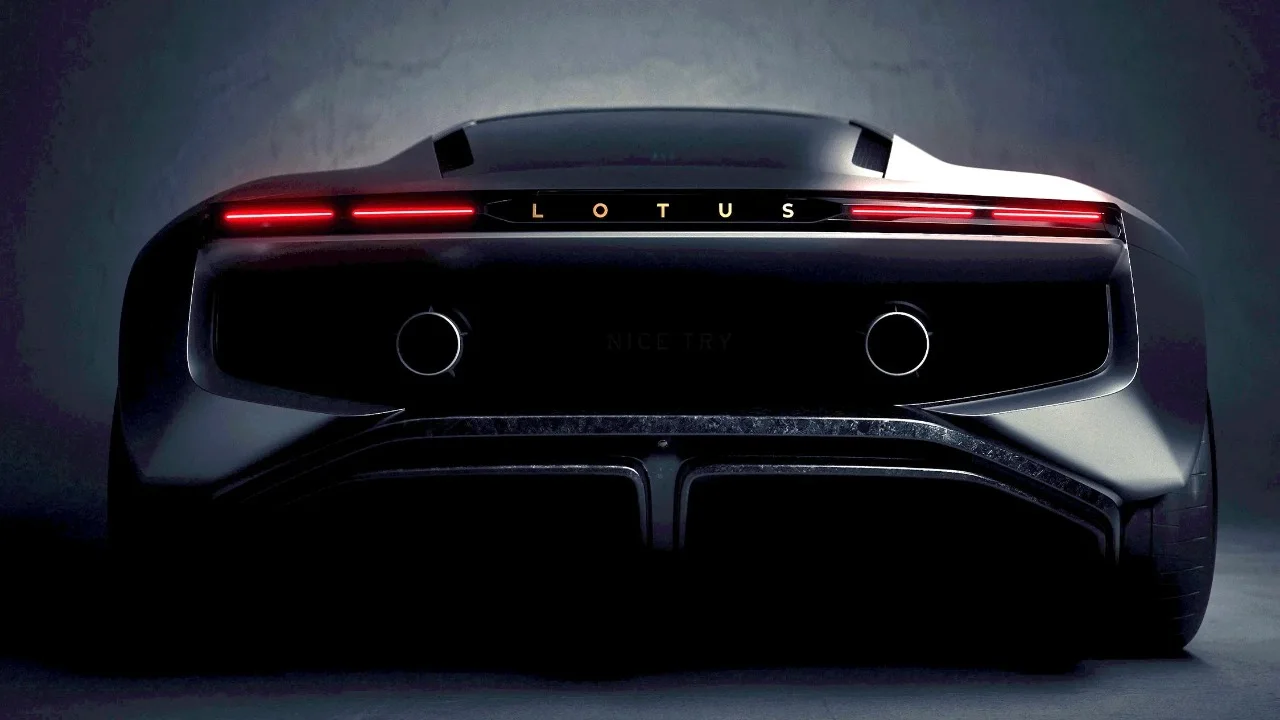
Lotus stepped in and said ‘no problem.’
It apparently worked out just fine for the British automaker, considering North American sales for the Lotus Esprit reportedly tripled following the massive box-office success of the movie.
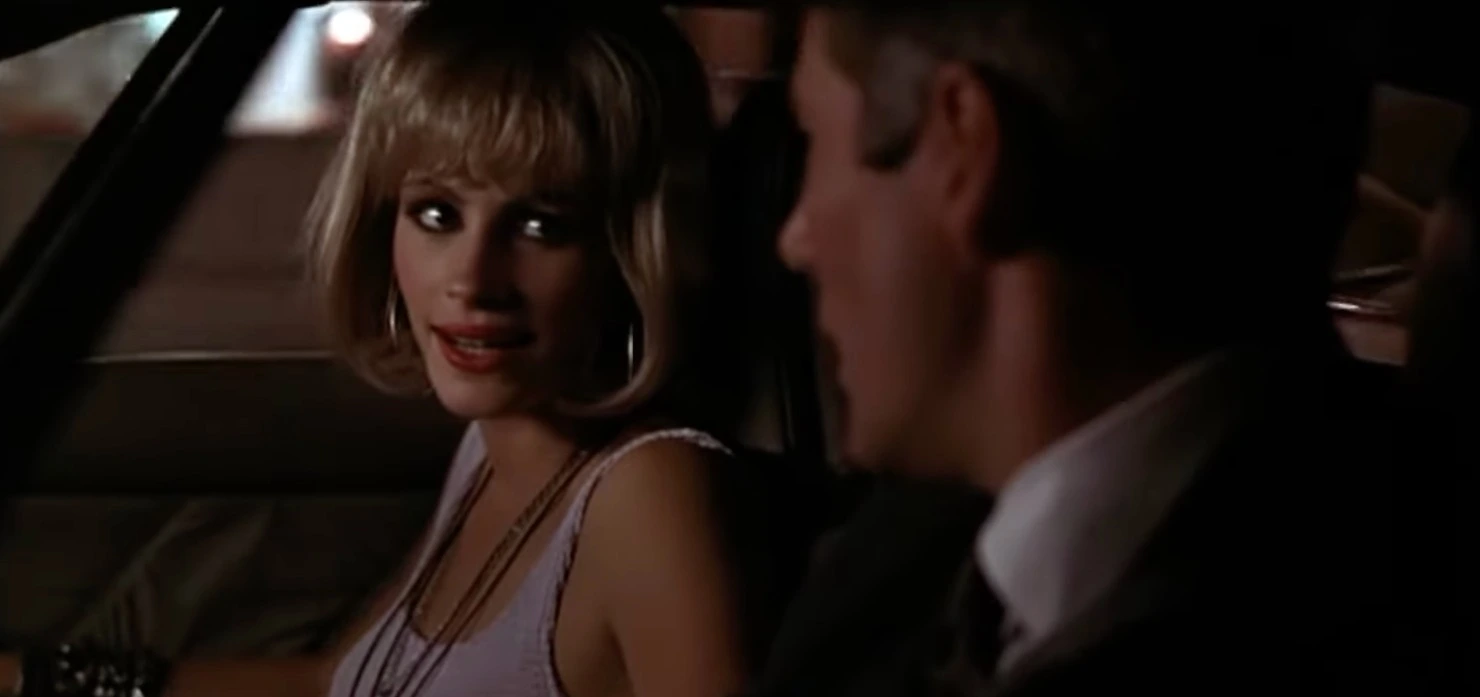
The car was visible on screen, but that apparently wasn’t explicit enough, so Vivian Ward (Julia Roberts) hammered the point home with a line in the script.
“That’s a Lotus Esprit,” she said in the movie.
These dynamics will likely evolve in the future
The world of entertainment has changed a lot.
Production budgets have gone up, which means that studios want to maximize profitability for every single frame and clip.
And people are becoming increasingly brand-agnostic.
20 or 30 years ago, you couldn’t give your protagonist anything without a strong badge.

Today, the strong badge is less relevant.
As long as the car is seen as ‘cool’, it doesn’t really matter if it’s from a legacy automaker or a new and up-and-coming one.
Case in point?
Ex-James Bond Daniel Craig is now a brand ambassador for Denza.
And nobody even batted an eyelid.
Alessandro is an automotive journalist with 10 years of experience covering supercars, automotive history, emerging vehicle technology, and luxury transportation. He wrote the first article published on SupercarBlondie.com when the website launched in 2022 and has since built a reputation for insightful reporting across the automotive and transportation industries. His expertise is grounded in hands-on experience. Alessandro has driven every Tesla model ever produced, from the original Roadster to the Cybertruck, and regularly covers the latest developments in electric vehicles and automotive innovation. His passion for transportation extends beyond cars, he has even flown a Boeing 787 Dreamliner simulator in Addis Ababa, Ethiopia. His reporting spans everything from classic American muscle cars and rare automotive discoveries to luxury yachts, private aircraft, high-end watches, and cutting-edge vehicle technology. Known for his deep knowledge of automotive history and ability to uncover the stories behind iconic vehicles, Alessandro brings readers a blend of historical context, technical expertise, and first-hand experience.