Qualcomm exec warns robots will be amongst us in 5 years and it'll all start with your car
Published on Dec 19, 2025 at 9:13 AM (UTC+4)
by Jason Fan
Last updated on Dec 19, 2025 at 5:49 PM (UTC+4)
Edited by
Kate Bain
If you think robots are still a sci-fi fantasy, a Qualcomm exec says you might want to look a little closer at your driveway.
According to Qualcomm executive vice president Nakul Duggal, the future of intelligent machines is arriving faster than most people expect.
And rather than walking into our homes first, these robots are likely to roll in on four wheels.
In Duggal’s view, the car is about to become the world’s most important robot-in-training.
SBX CARS – View live supercar auctions powered by Supercar Blondie
Our cars are already filled with AI technology
Speaking at Fortune Brainstorm AI, Duggal outlined Qualcomm’s sweeping transformation as it pivots beyond smartphones, and takes on heavyweights like Nvidia and AMD in AI computing.
The semiconductor giant has been reshaping its internal culture while expanding its AI partnerships, including integrating Google’s Gemini models to power next-generation in-car assistants.
These systems are capable of reasoning and anticipating commands, laying the groundwork for machines that behave more like intelligent collaborators than passive tools.
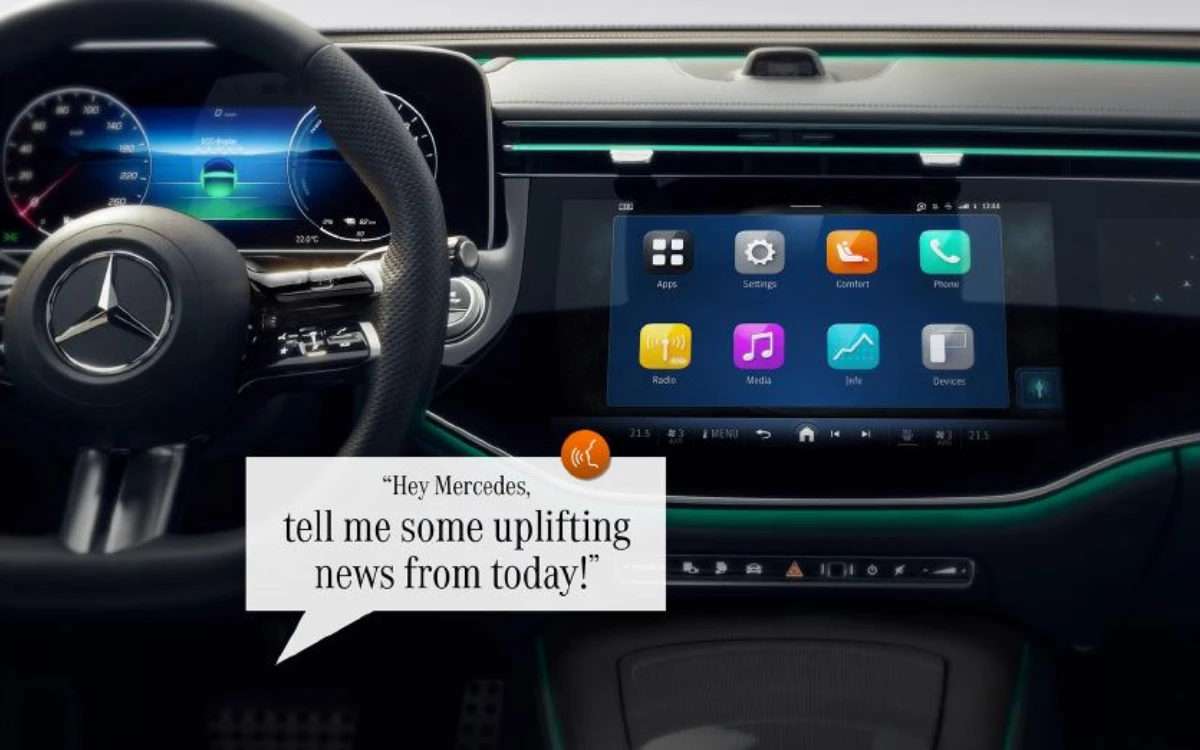
Qualcomm’s automotive footprint is already massive.
The company provides advanced driver-assistance technology to global brands like Mercedes-Benz, Volvo, BMW, and General Motors.
These include lane-keeping, automated parking, hands-free highway driving, and voice-controlled assistants.
Its first full driver-assistance stack launched with BMW in September, and is now deployed across 60 countries, a rollout that took just three and a half years.
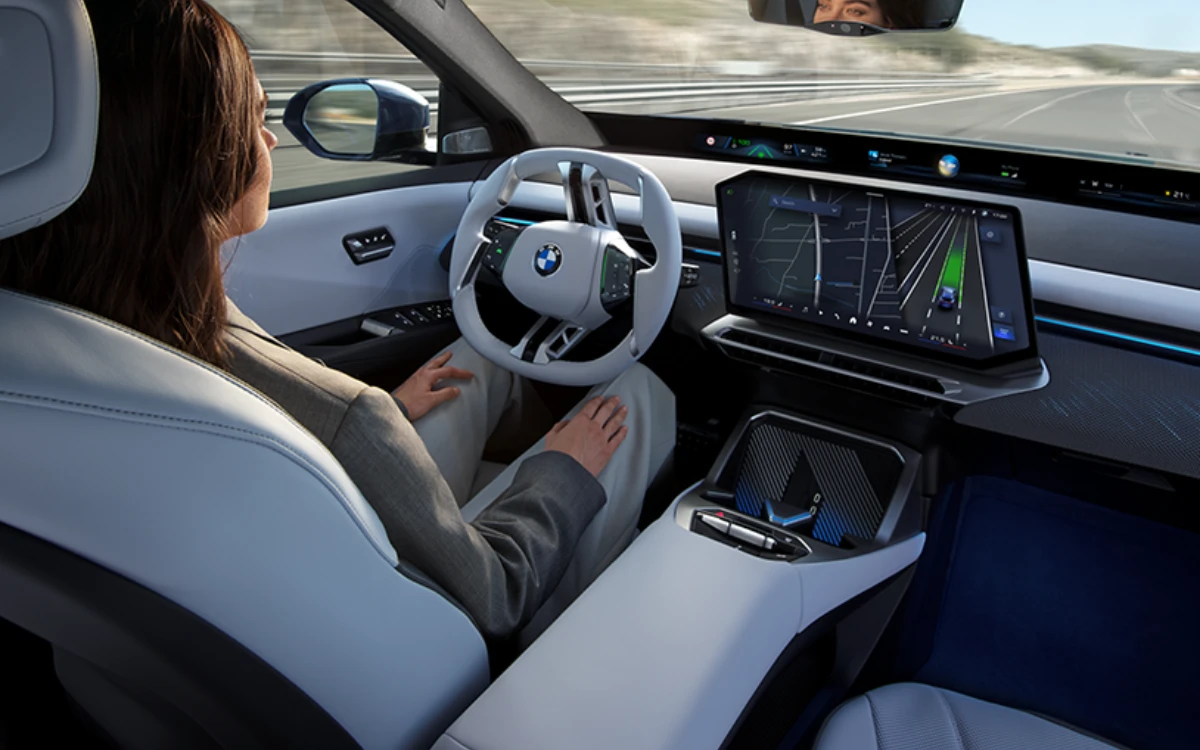
Duggal said that number will grow to 100 countries by the end of next year, accelerating adoption at a pace rarely seen in automotive history.
The Qualcomm exec emphasized the need for rules in developing robots
This matters because cars are becoming rolling AI platforms.
Duggal pointed to companies like Tesla and Waymo as proof that autonomous and semi-autonomous technology can move from concept to real-world use in roughly a decade.
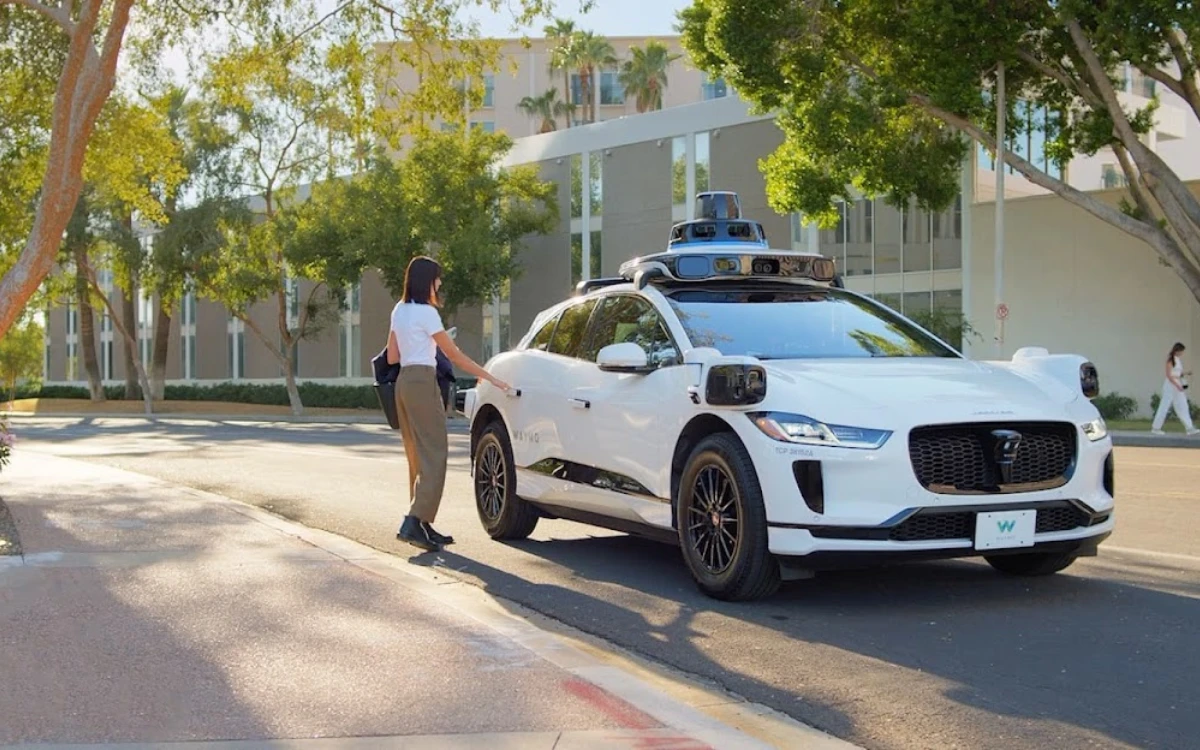
After all, this is a remarkably short time for something as safety-critical as driving.
With surveys showing 43 percent of new-car shoppers now want hands-off highway driving, demand is clearly catching up with capability.
Beyond cars, the same intelligence may soon spill into humanoid and industrial robots.
Tesla’s Optimus robot is perhaps the most high-profile example, promising factory labor and household assistance powered by the same AI trained on driving data.
Meanwhile, Chinese firms like Unitree are also rapidly advancing humanoid robots that can walk, balance, and even casually pull a car weighing over 3,000 pounds.
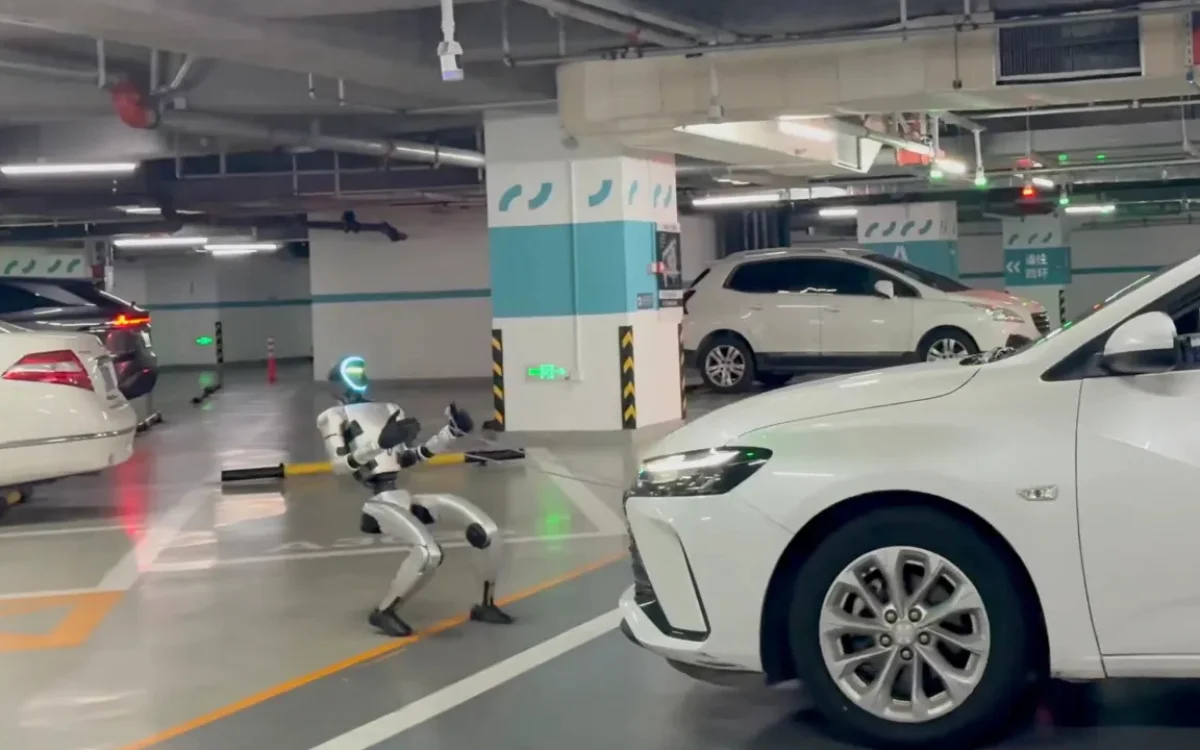
More impressively, these firms manage to achieve this at a fraction of Western development costs.
Still, the Qualcomm exec stressed that safe robotics must be built on strict, rules-based foundations.
Once those guardrails are in place, AI can be layered on top to unlock reasoning and autonomy.
If he’s right, the next five years won’t just change how we drive.
Instead, we will be looking at robots in our everyday lives, starting with the one already parked in the garage.
DISCOVER SBX CARS: The global premium car auction platform powered by Supercar Blondie