Extremely rare 1989 Vixen 21 SE from DeLorean creator discovered in the wild is one of only 172 ever built
Published on Oct 25, 2026 at 11:58 AM (UTC-4)
by Alessandro Renesis
Last updated on Oct 25, 2026 at 11:58 AM (UTC-4)
Edited by
Mason Jones
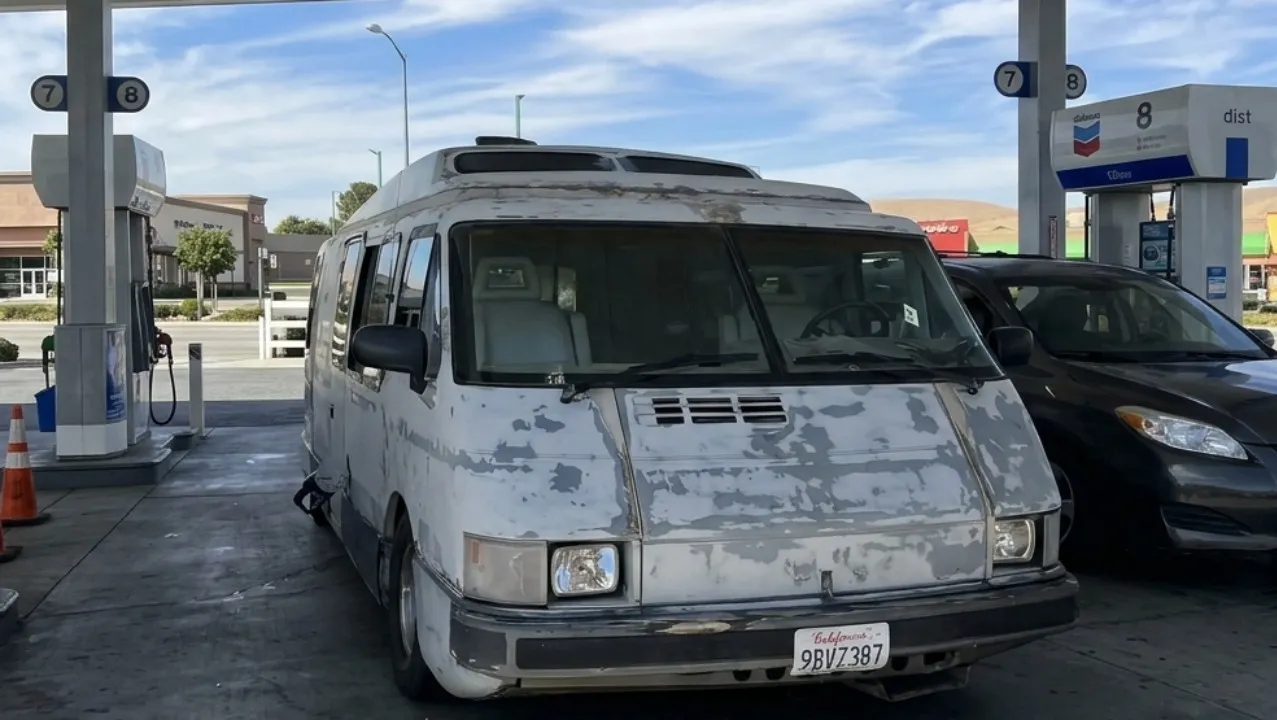

This quirky-looking motorhome is called the Vixen 21 SE, and it was actually designed by the same guy who gave us the DeLorean.
Unveiled in the mid-1980s, this was supposed to become a sporty, mainstream RV.
It obviously didn’t go that way and this is incredibly rare these days.
That’s why we’re surprised when somebody managed to spot one in the wild.
The 1989 Vixen 21 SE is an automotive unicorn
Conceived as a car-like alternative to the bulky motorhomes of its era, the Vixen line wasn’t really successful.

It wasn’t born from a typical recreational vehicle builder.
It was the brainchild of Bill Collins, the automotive engineer renowned for playing a key role in developing both the legendary Pontiac GTO and the iconic DeLorean DMC-12.
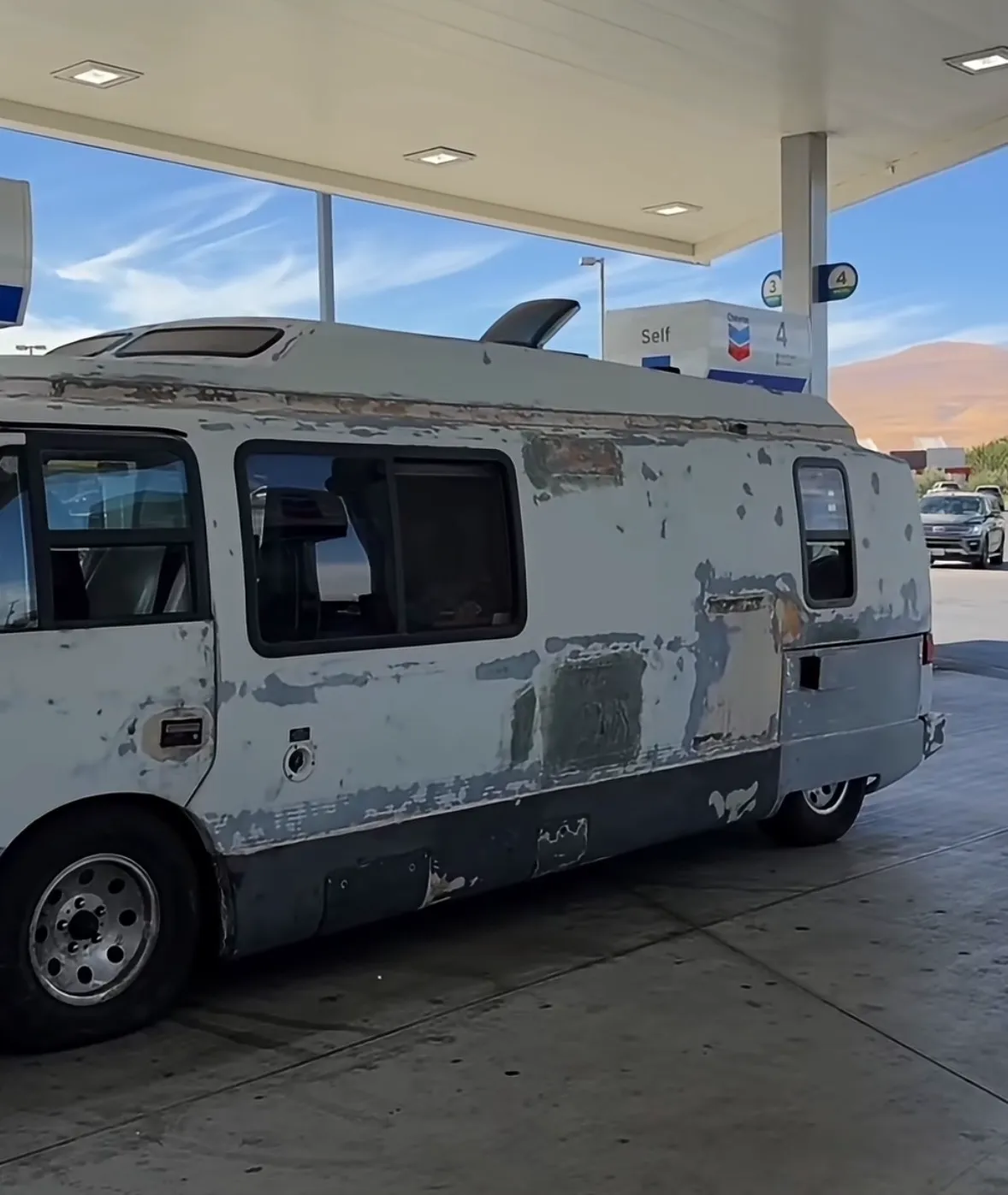
Applying principles from sports car design, Collins set out to create a ‘Driver’s RV’.
The result was a large but aerodynamically efficient motorhome featuring a lightweight fiberglass body, a low center of gravity, and a height under seven feet.
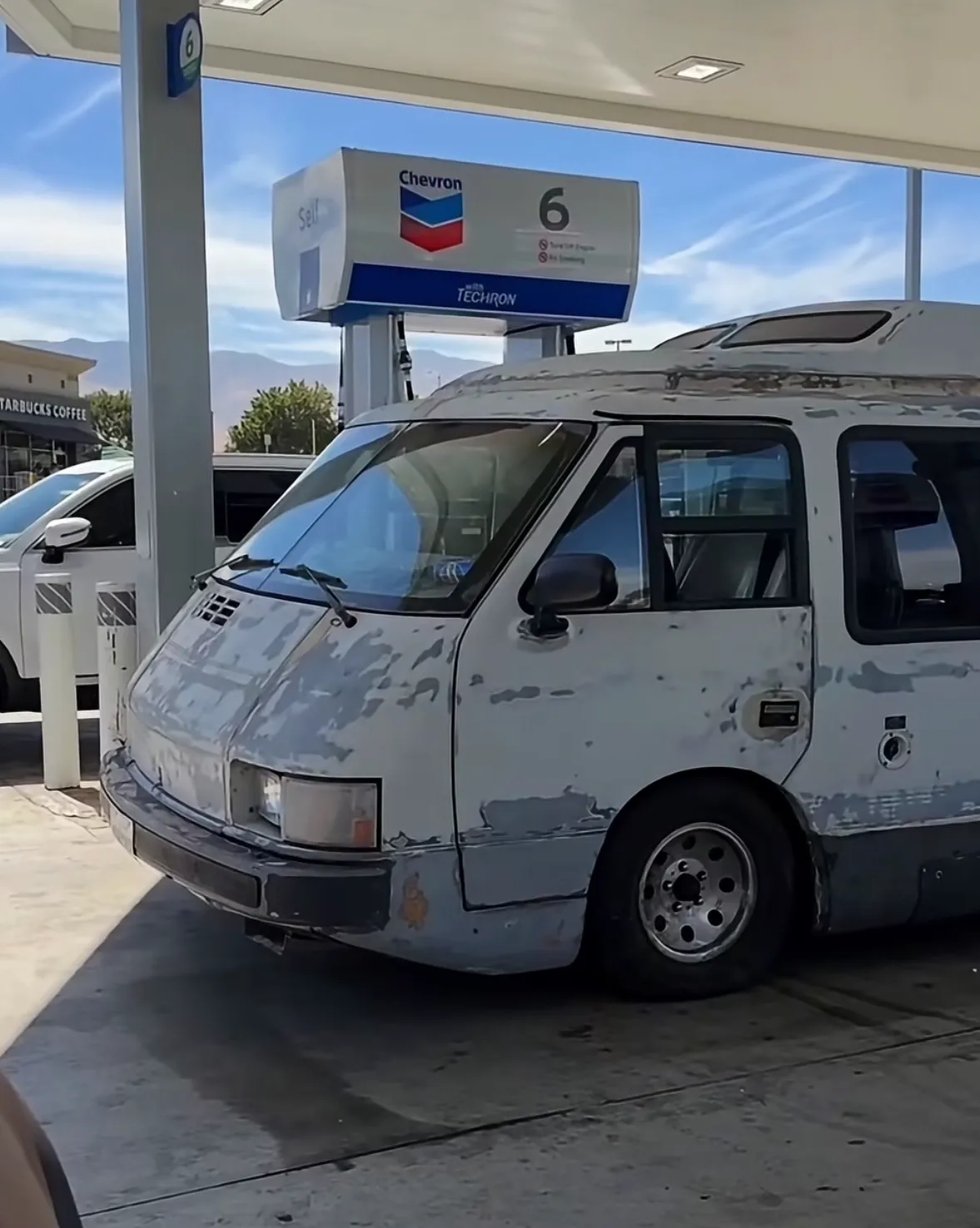
The engine was a 3.8-liter GM-sourced V6, paired with a four-speed automatic with overdrive, although a BMW inline-six was also used for some variants.
In both cases, it was relatively underpowered, with 165 and 115 horsepower respectively.
This one is even rarer
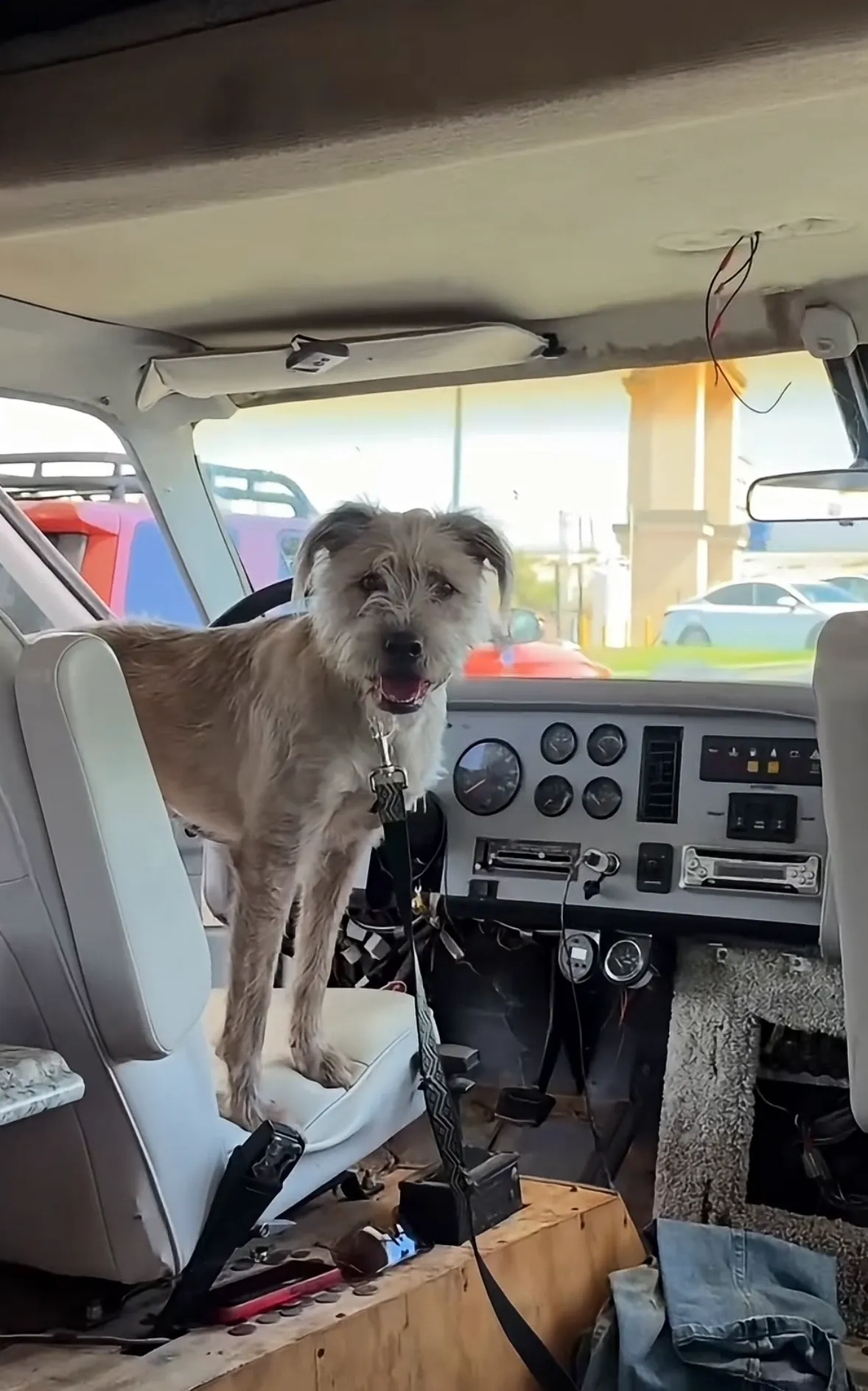
While early Vixen models (the 21 TD) featured a BMW turbo-diesel engine paired with a five-speed manual transmission, the 21 SE model was adapted specifically to appeal to traditional American buyers.
It swapped the diesel powertrain for a reliable 3.8-liter GM 3800 V6 engine, and it Collins replaced the early manual pop-top roof with a permanent, raised fiberglass roof line to provide consistent standing headroom throughout the cabin.
Out of the 587 total Vixen motorhomes produced across all configurations between 1986 and 1989, only 172 were SE models.
How much is this worth today?
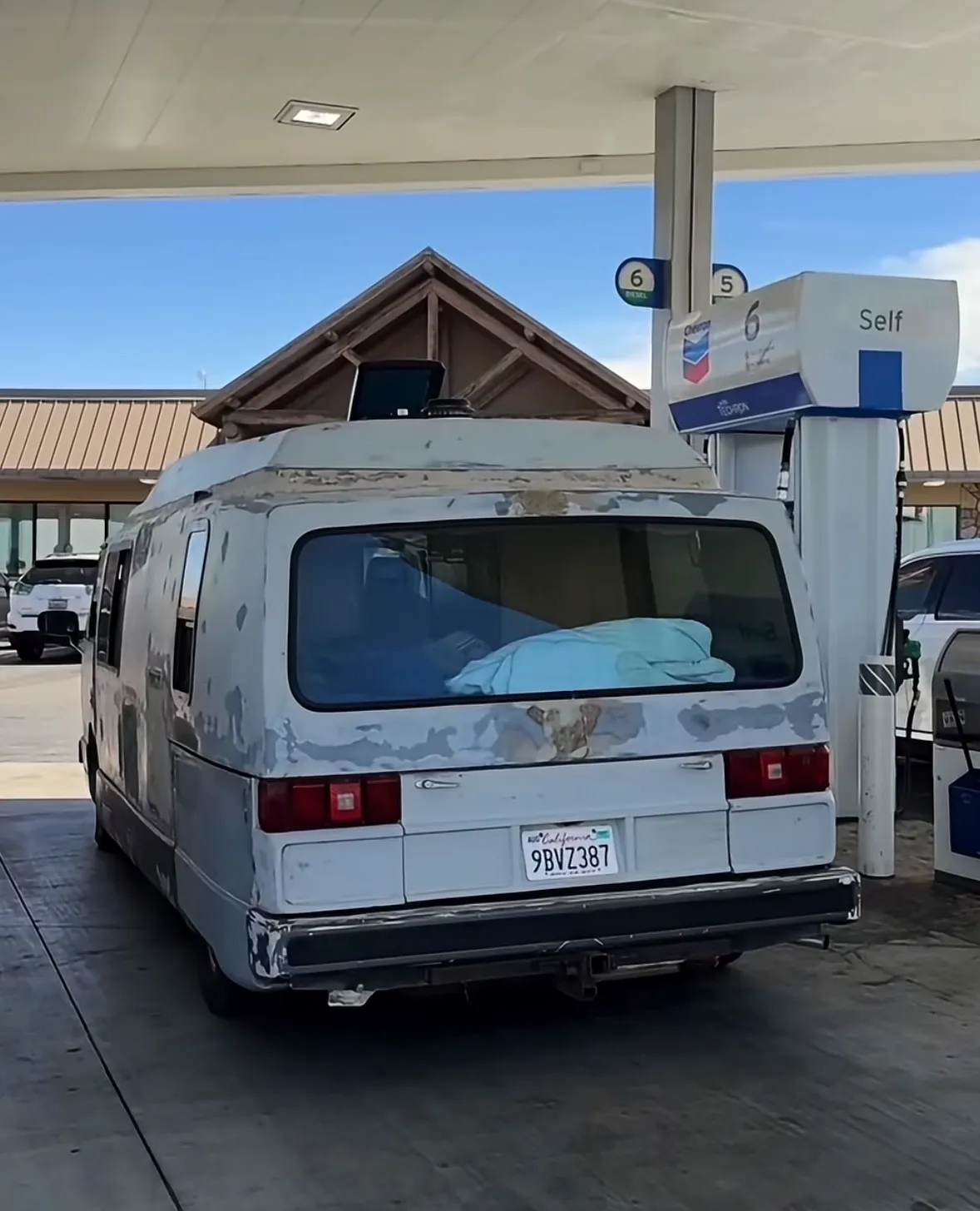
In theory, 587 Vixen 21s were built, including 172 SE models.
In practice, nearly 40 years have passed, and many have been lost or destroyed.
It’s unclear how many exist today, but registry estimates place the surviving total around 300 to 400 in total, around 50-80 of which are SEs.
However, not all of those are drivable or street-legal.
Only about 50 to 80 units survive today in any condition, with fewer than 40 actively roadworthy and running.
So – with a bit of luck – we have a pool of maybe 30 running examples on the road today.
This makes a roadworthy Vixen 21 SE RVs rarer than a Koenigsegg Jesko, a Bugatti Chiron, a Ferrari F40, or even the DeLorean.
When it was new, the Vixen 21 cost around $35,000 to $40,000, and the SE model went for up to $53,000, which was a lot of cash in the 1980s.
For reference, $53,000 was equivalent to around $147,000 in today’s money.
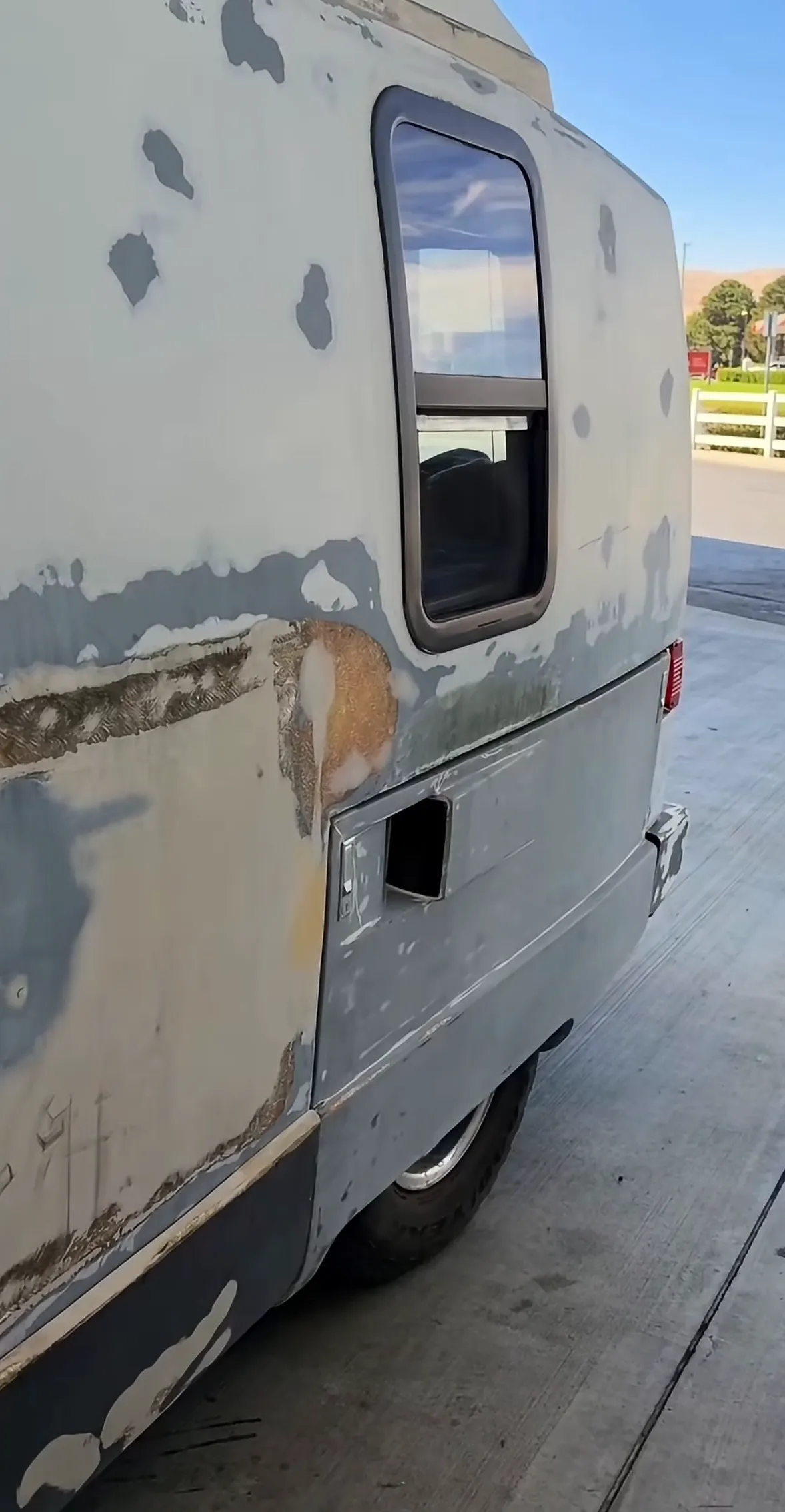
Today, an example in condition ranging from poor to fair can be found for maybe $8,000 to $15,000.
By contrast, a mint example can easily command up to $35,000 to $45,000.
Alessandro is an automotive journalist with 10 years of experience covering supercars, automotive history, emerging vehicle technology, and luxury transportation. He wrote the first article published on SupercarBlondie.com when the website launched in 2022 and has since built a reputation for insightful reporting across the automotive and transportation industries. His expertise is grounded in hands-on experience. Alessandro has driven every Tesla model ever produced, from the original Roadster to the Cybertruck, and regularly covers the latest developments in electric vehicles and automotive innovation. His passion for transportation extends beyond cars, he has even flown a Boeing 787 Dreamliner simulator in Addis Ababa, Ethiopia. His reporting spans everything from classic American muscle cars and rare automotive discoveries to luxury yachts, private aircraft, high-end watches, and cutting-edge vehicle technology. Known for his deep knowledge of automotive history and ability to uncover the stories behind iconic vehicles, Alessandro brings readers a blend of historical context, technical expertise, and first-hand experience.




