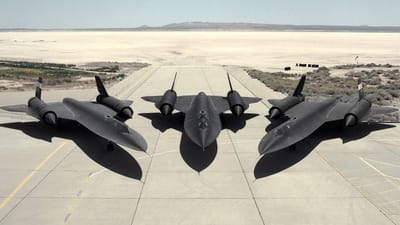
Real DarkStar pilot who flew in Top Gun: Maverick was afraid he'd 'kill everybody' after being asked to perform maneuver
Published on Aug 01, 2026 at 6:15 AM (UTC-4)
by Daisy Edwards
Last updated on Aug 01, 2026 at 6:15 AM (UTC-4)
Edited by
Kate Bain
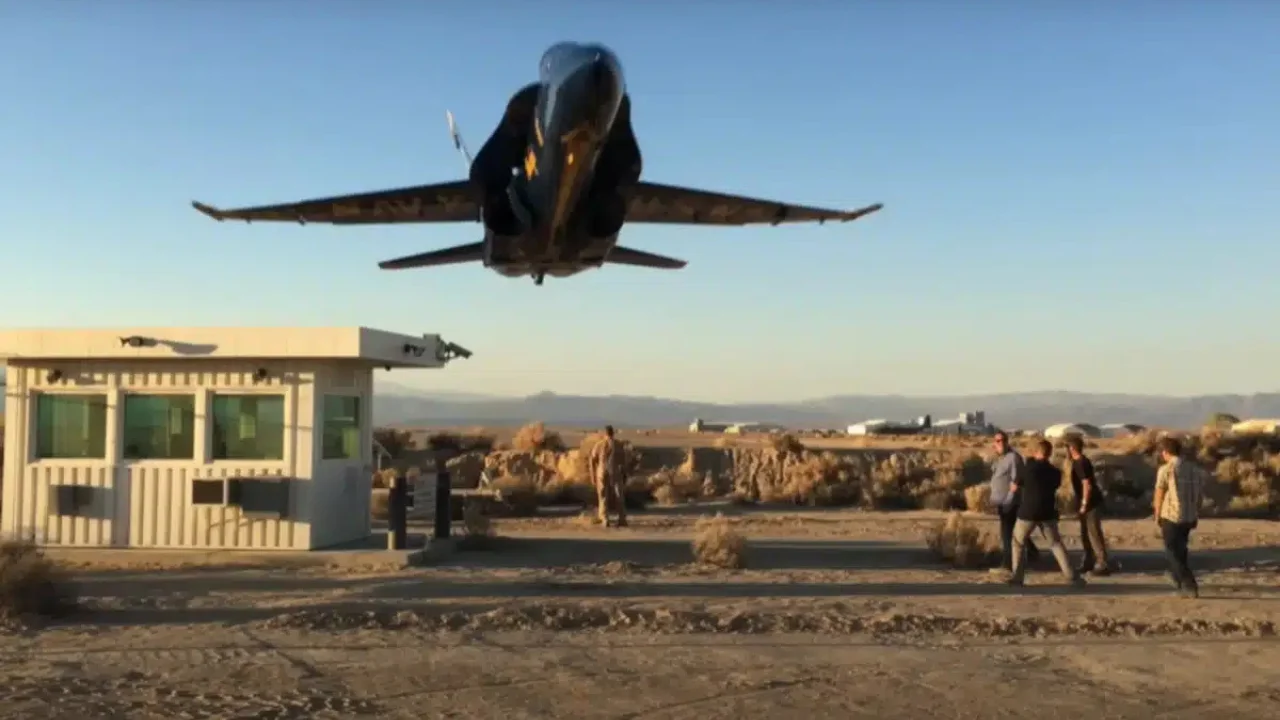

The real DarkStar pilot who flew in Top Gun: Maverick admitted he was afraid he’d ‘kill everybody’ after being asked to perform one of the movie’s most spectacular maneuvers.
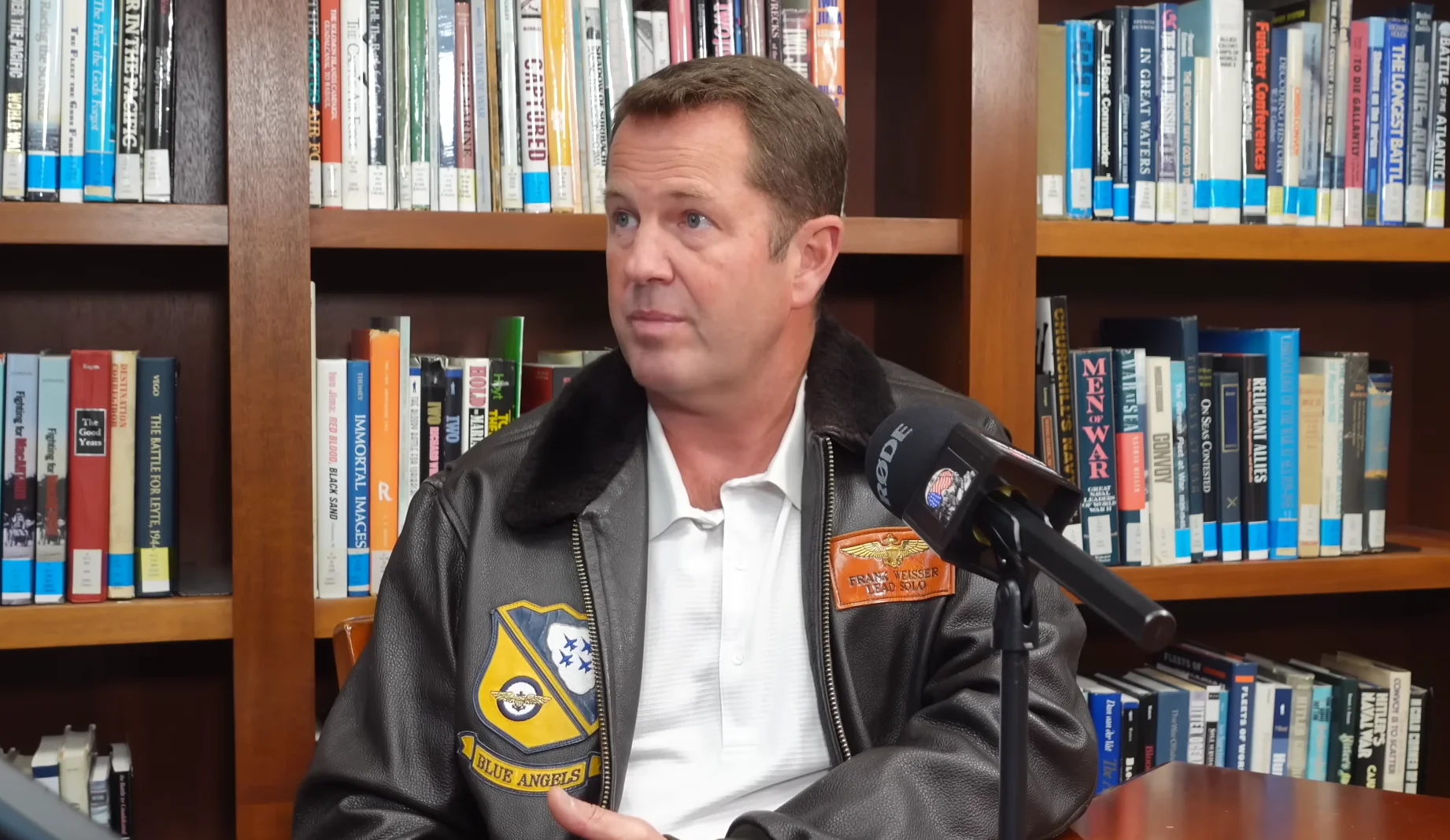
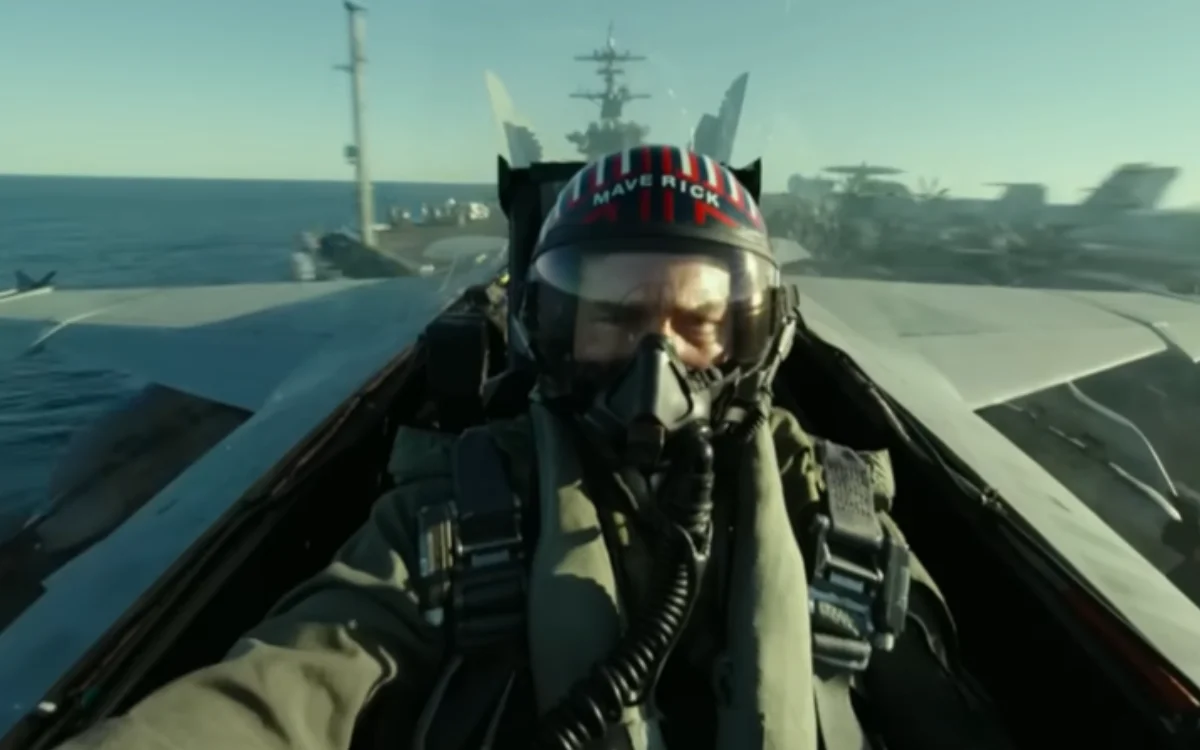
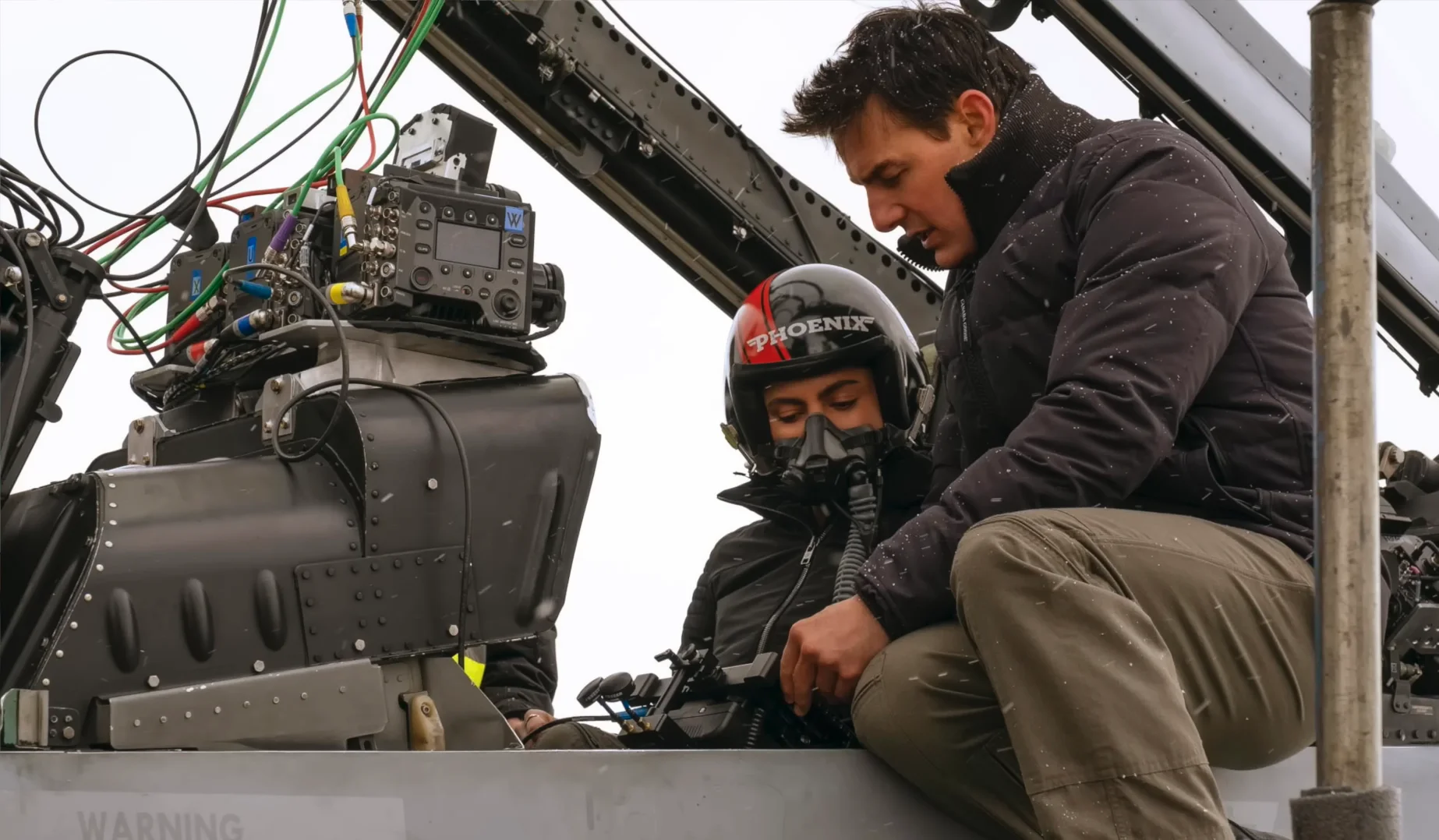
While Tom Cruise may have been the face behind the blockbuster’s hypersonic jet, the breathtaking flying was carried out by retired US Navy Commander Frank ‘Walleye’ Weisser.
And when director Joseph Kosinski asked him to fly as low as possible over a film set packed with cast and crew, the experienced pilot knew there was a line he wouldn’t cross.
Because when the fate of one of the biggest blockbusters, and the lives of countless people, are on the line, you’ve got to be pretty good at your job.
Real DarkStar pilot who flew in Top Gun: Maverick feared he’d ‘kill everybody’
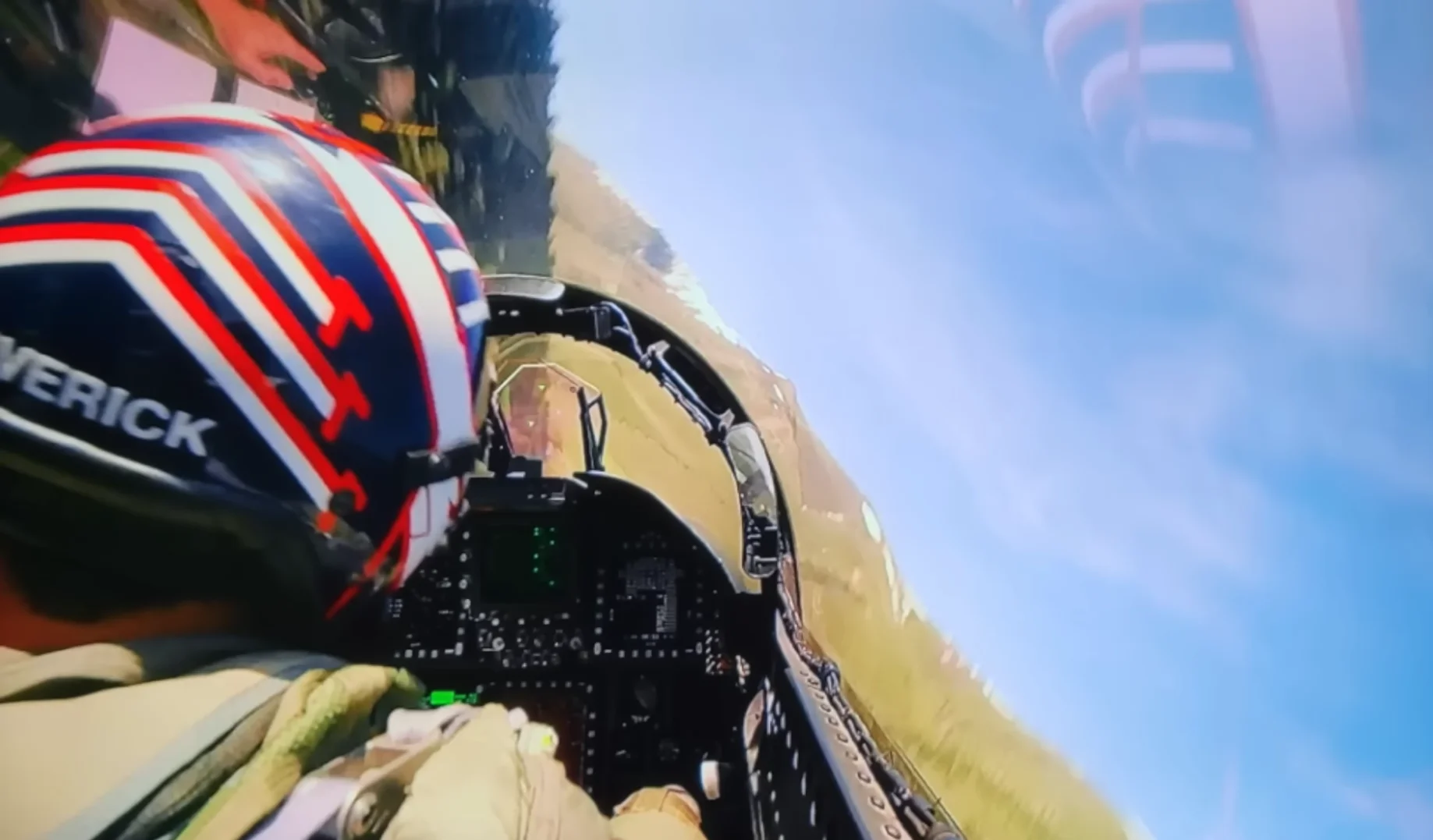
Weisser, a former Blue Angels pilot, was recruited to fly many of the real aerial sequences used throughout Top Gun: Maverick in fighter jet airplanes.
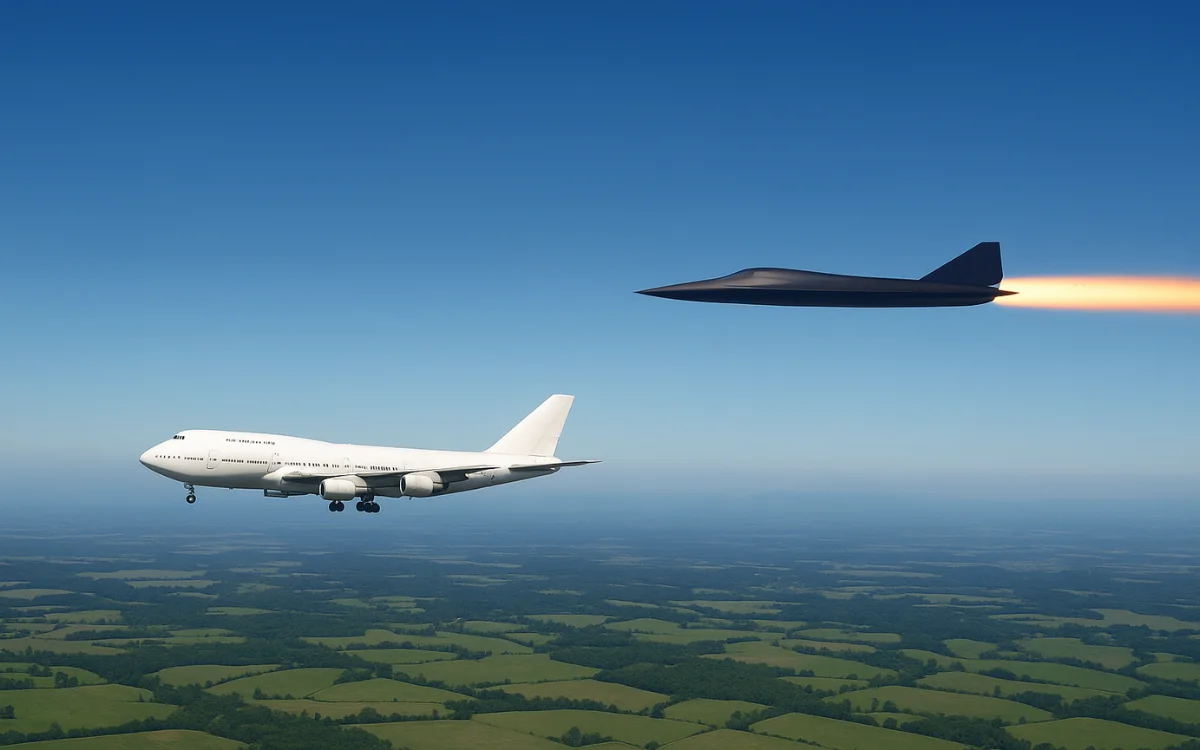
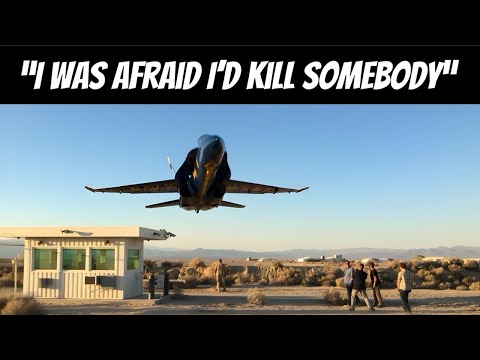
One of the most memorable involved the fictional DarkStar aircraft roaring over a desert test facility at extremely low altitude before blasting the roof off a nearby building.
The sequence wasn’t created using CGI.
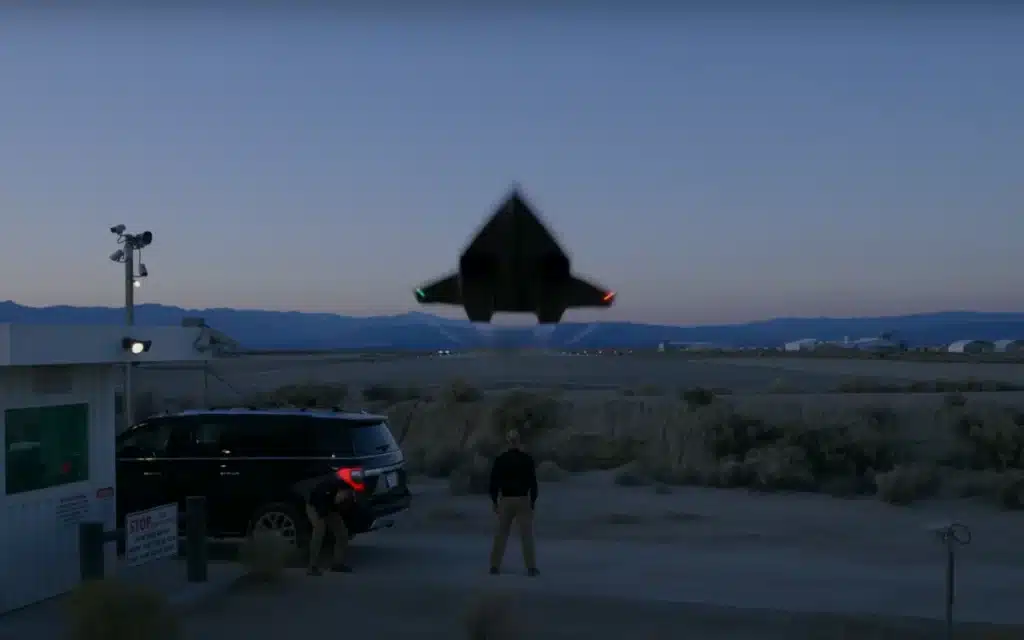
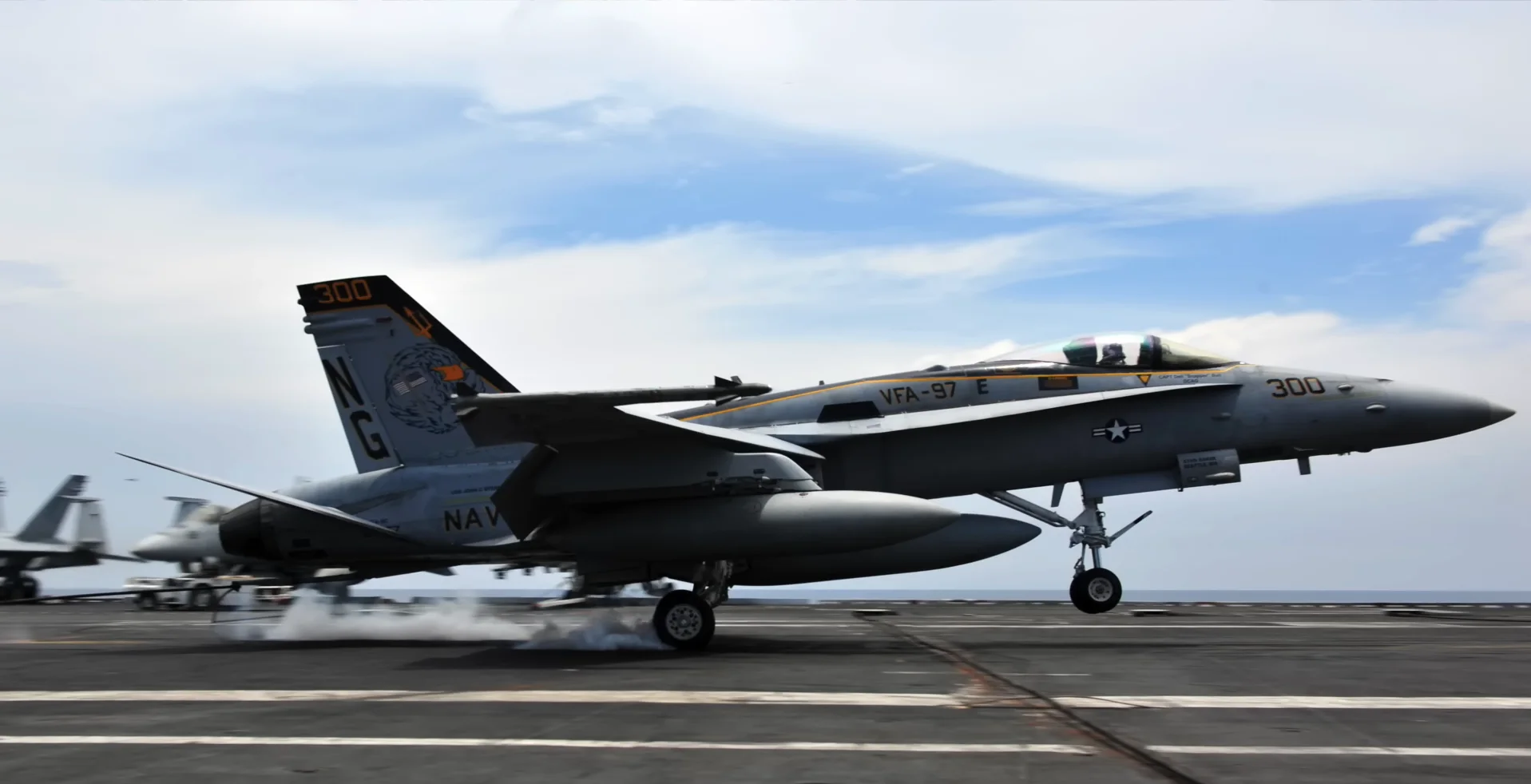
Instead, Weisser flew a real Boeing F/A-18 Super Hornet that was later digitally transformed into the futuristic Mach 10 aircraft.
Filming the scene proved to be one of the biggest challenges of the production.
After rehearsing the maneuver several times, the crew had just one chance to capture it at sunset.
“We had the one shot at it,” Weisser explained in an interview with Ward Carroll, worried that he was going to ‘kill everybody’ while he did.
The concern wasn’t for his own safety.
Instead, Weisser knew the sheer force of a Super Hornet’s exhaust at that altitude could have endangered the actors and production crew standing below.
Years of experience allowed him to make the call.
Looking back, he said years of experience changed the way he approached risk.
“I think perhaps had I [been] a younger Walley, I would have gone a lot lower and not known better.”
Related

Why the scene was almost left out of the movie
Although the aircraft was digitally transformed into the fictional DarkStar, the stunt itself was entirely genuine.
Weisser said the Super Hornet passed over the set at around 380 to 390 knots before directing its engine thrust towards the ground.
The blast was even more dramatic than anyone expected.
“The roof did in fact come off the building,” he recalled.
“The only reason it ended up kind of where it started was because there was a bunch of Romex wire… it kind of pulled it back down into place, but that was definitely not supposed to happen.”
Ironically, the realism almost caused the scene to be left out of the finished movie.
“The director came on and said, ‘I don’t think we can use that scene.’
“And everybody else associated said, ‘You’ve got to, that was incredible.’
For Weisser, the greatest compliment the production could have received was that it looked ‘fake’ and that’s exactly what the director thought.
“In today’s day and age, you can use AI, you can use computer graphics to basically make anything look real,” he said.
“But now we had done it for real and it was so real that it looked fake. It was so insanely intense.”
And now, the blockbuster has gone on to inspire a new generation of aviation (and volleyball) fans!
Daisy is a technology and automotive journalist covering artificial intelligence, consumer tech, Apple news, cryptocurrency, emerging technologies, and transportation innovation. Since joining the team in 2025, she has reported on everything from AI-powered startups and major iOS updates to viral car stories and the latest developments shaping transportation and the digital economy. Drawing on her background in automotive journalism and a degree in History and Journalism from Goldsmiths, University of London, Daisy specializes in breaking down complex topics into clear, engaging reporting for a global audience. Her work spans cutting-edge technology, innovative vehicles, and the people driving change across both industries. Daisy has gained first-hand access to some of the world's most talked-about technologies and innovators, including meeting Tesla's Optimus humanoid robot during its first European appearance in London. She has also discussed the future of space exploration with an astronaut, bringing unique insights and real-world perspectives to her coverage of emerging technology.