Renault's EV manages an impressive 626-mile range but it's not because the battery is massive
Published on Dec 31, 2025 at 7:36 AM (UTC+4)
by Jason Fan
Last updated on Dec 31, 2025 at 10:32 AM (UTC+4)
Edited by
Kate Bain

Renault’s EV Filante has just embarrassed range anxiety by covering 626 miles on one charge, proving brains can beat battery size.
The record-setting run happened on December 18, 2025, and instantly grabbed attention because it defied the usual logic of ‘bigger battery equals longer range’.
Instead of cramming in extra cells, Renault focused on extreme efficiency.
The result is a futuristic one-seat concept car that might just revolutionize electric designs going forward.
SBX CARS – View live supercar auctions powered by Supercar Blondie
Renault’s EV focuses heavily on aerodynamics
The car behind the headline is the Renault Filante, a purpose-built electric concept specifically designed to chase efficiency records.
During its run, the Filante covered roughly 1,008 kilometers (626 miles) in a single charge.
It even did it at a steady cruising speed of about 63mph, proving that it wasn’t crawling along to inflate the numbers.
Crucially, it did this with an 87 kWh battery, which is roughly the same capacity used in some of Renault’s current production vehicles.
Even more impressively, Renault’s EV reportedly finished the run with charge still left in reserve.
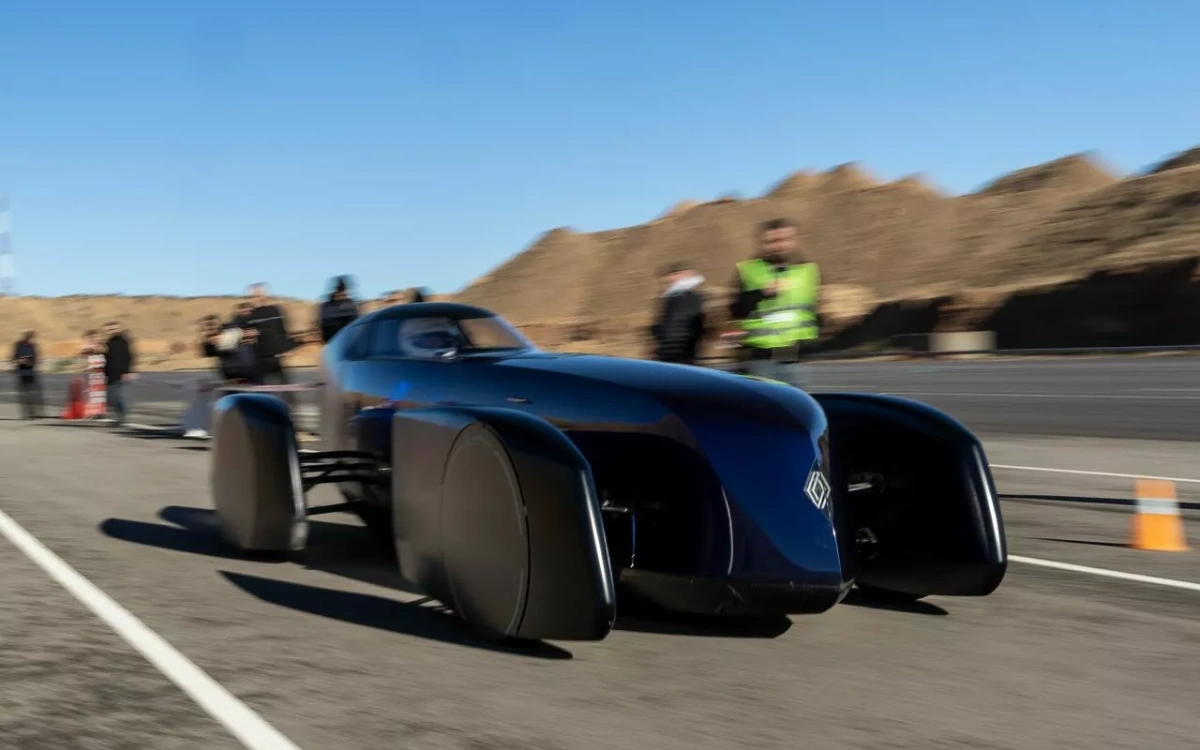
Weight and aerodynamics are where the Filante really earns its keep.
Tipping the scales at around 1,000 kilograms (about 2,200 pounds), it uses lightweight materials like carbon fiber and aluminum, along with advanced manufacturing techniques to trim every unnecessary gram.
Its ultra-sleek, teardrop-like shape slices through the air with minimal drag, allowing the car to consume far less energy than a typical road-going EV.
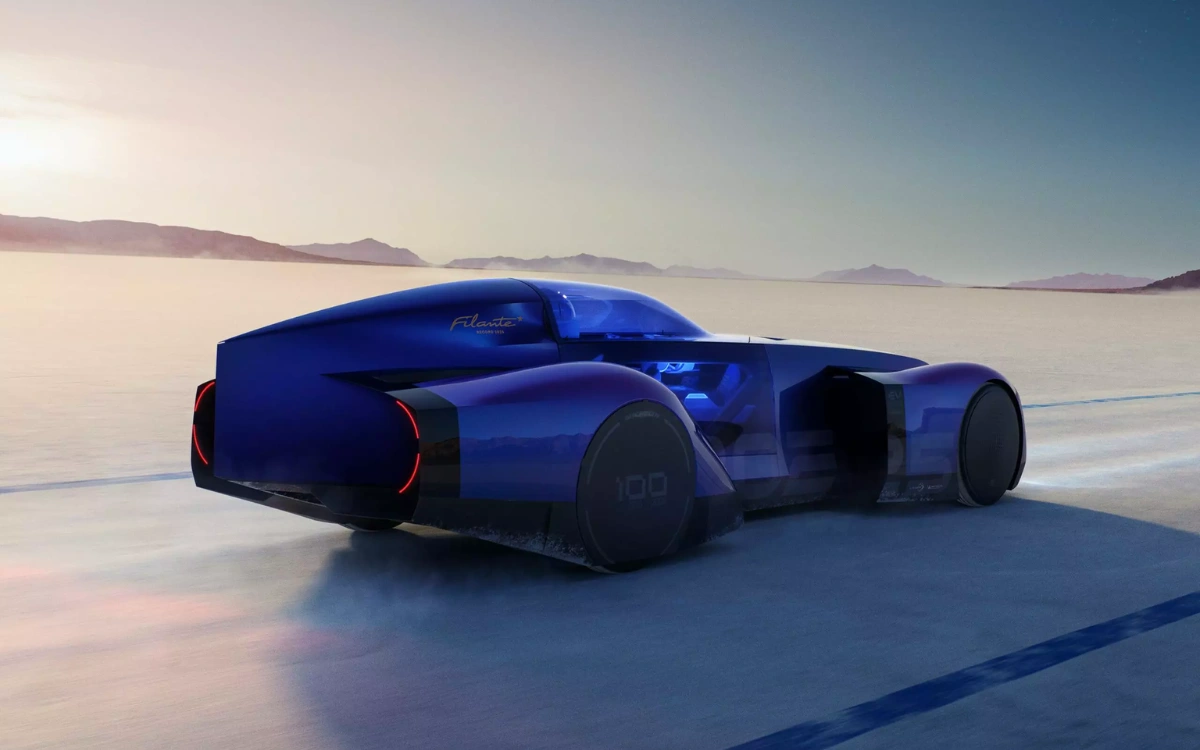
While many other carmakers chase speed records with their EVs, the Filante’s focus is all about sipping electrons as slowly as possible.
What the Filante means for the future of EVs
As a concept vehicle, Renault’s EV doesn’t have an official price tag and isn’t headed for production, but its technology is very real.
For years, EV range gains have largely come from adding bigger, heavier, and more expensive batteries.
However, Renault is going down a different path.
The company is letting efficiency, aerodynamics, and weight reduction do more of the heavy lifting.
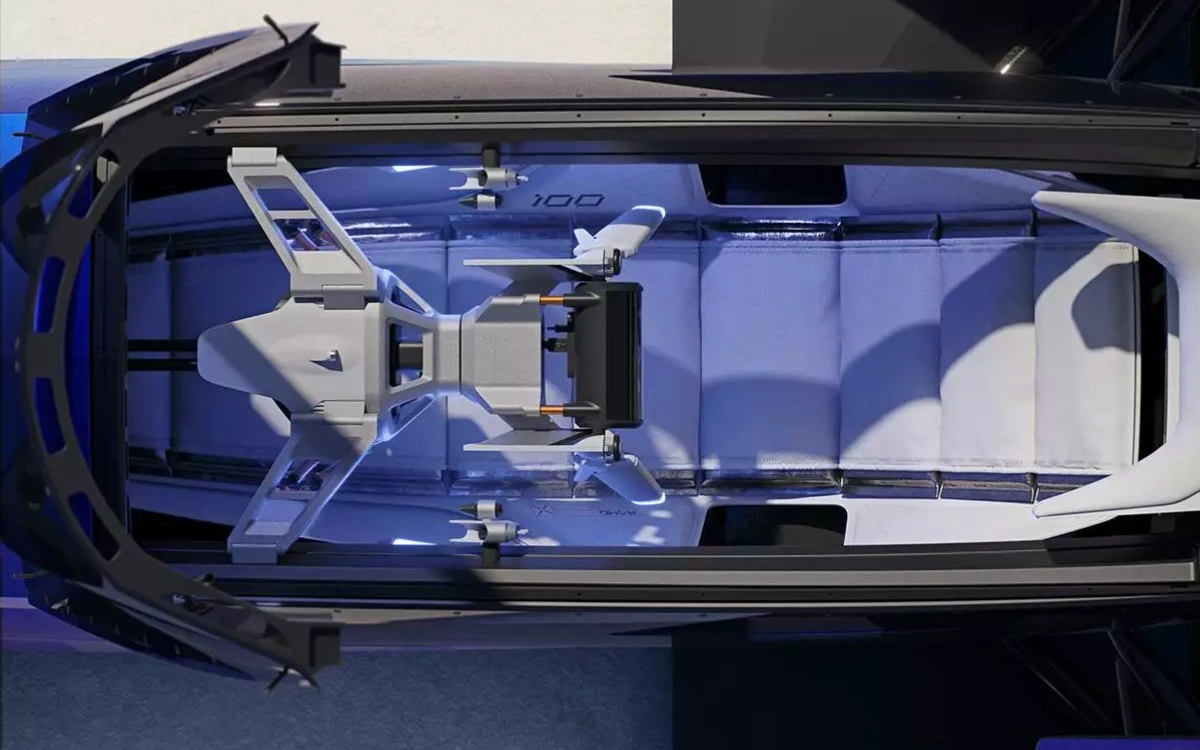
That matters because batteries are still the most expensive and resource-intensive part of an electric car.
For everyday buyers, the implications are huge.
More efficient designs could mean affordable EVs with longer range, shorter charging times, and lower environmental impact.
And while you won’t be buying a one-seat Filante anytime soon, the lessons learned from this record run could quietly shape the next generation of electric cars.
Hopefully, range anxiety will finally be a thing of the past.
DISCOVER SBX CARS: The global premium car auction platform powered by Supercar Blondie