Richard Hammond finally reveals what happened behind the scenes of the controversial Top Gear license plate incident
Published on Jun 15, 2026 at 8:06 PM (UTC-4)
by Alessandro Renesis
Last updated on Jun 15, 2026 at 8:06 PM (UTC-4)
Edited by
Mason Jones
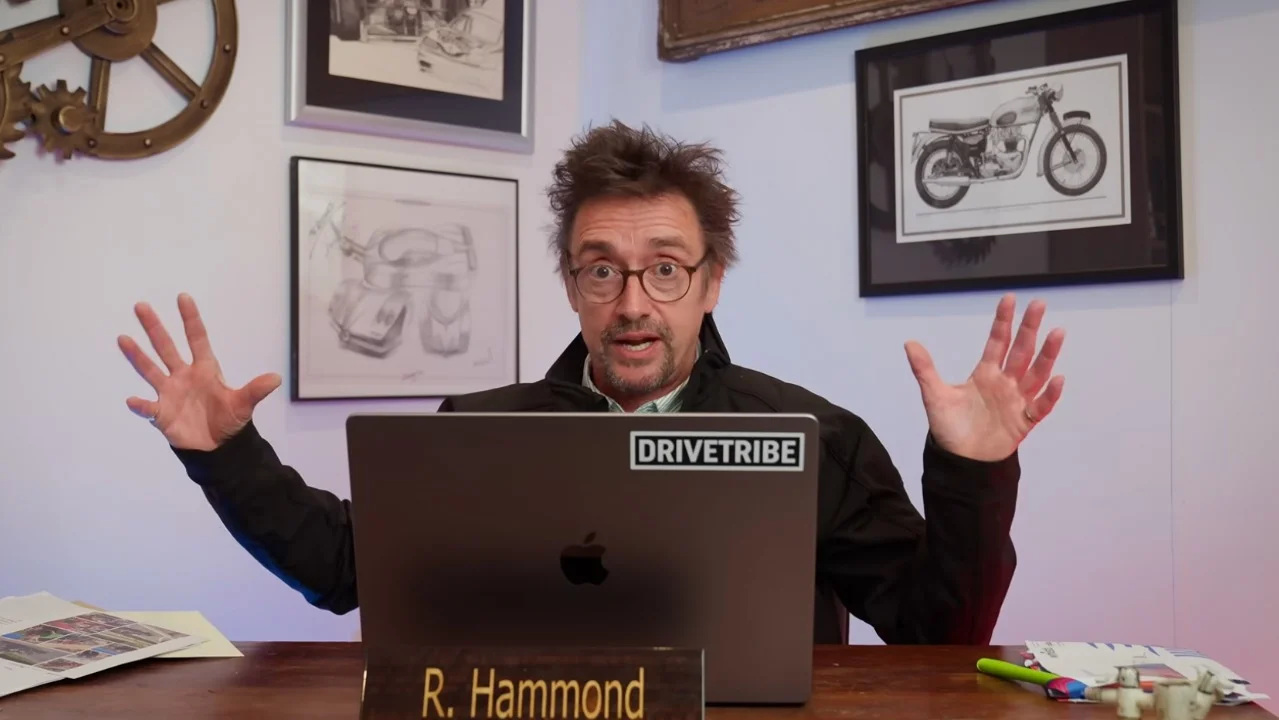

The infamous Top Gear Argentina Special moment – the license plate incident – has been talked about a million times but Richard Hammond recently added a new detail.
But what’s interesting is that while Jeremy Clarkson, James May, and ex-Top Gear producer Andy Wilman have indeed talked about it on several occasions, Hammond has been a bit quieter about it.
Until now.
Hammond finally addressed what happened, and he added a detail no one had ever mentioned.
A summary of what happened
This is a well-known incident, but it’s been a while and so a quick summary will probably help.
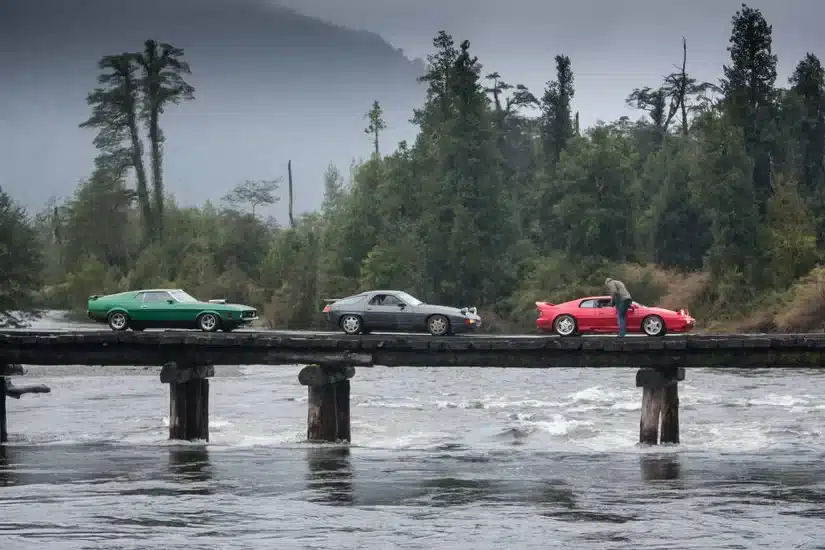
Around 12 years ago, the Top Gear trio traveled to Argentina for a Special.
The idea was to drive across Argentina in three V8 cars and then finish the show with an England vs Argentina soccer match.
But they never got to that part.
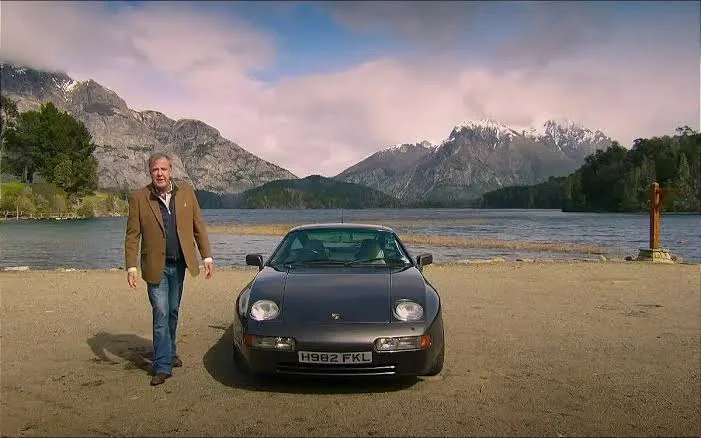
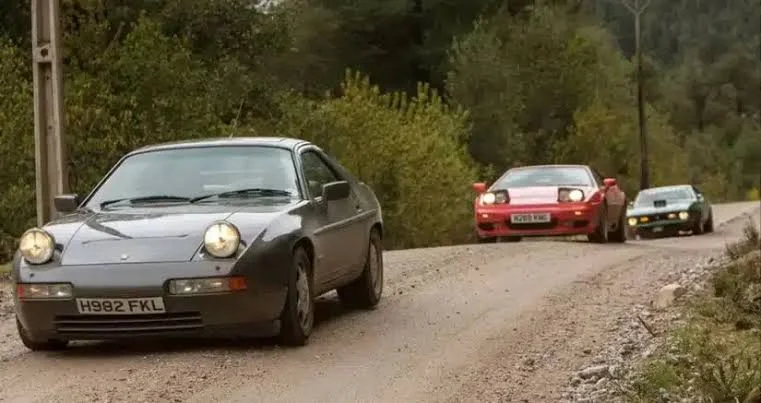
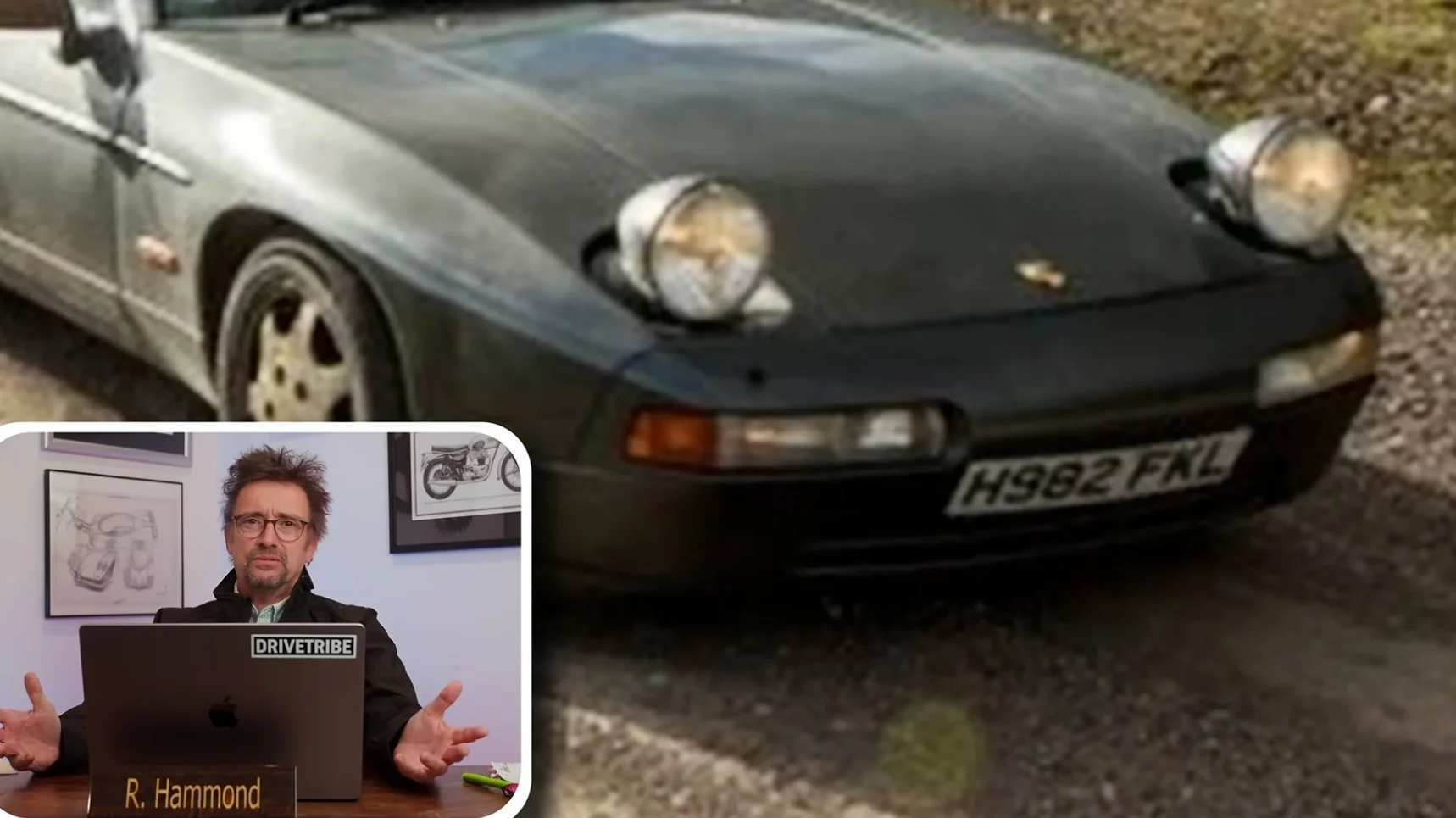
At some point, local residents began complaining about the license plate on Jeremy’s Porsche.
Because of the unique combination of numbers and letters, a lot of people thought this was a reference to the 1982 war for the Falklands/Malvinas.
Through the years, several attempts to prove the reference was deliberate were made, while an equally sizable number of people tried proving the exact opposite.
Public record shows that license plate had indeed been tied to the car from the start and, to this day, everyone from the Top Gear team has always maintained that this was completely accidental.
However, there’s one element no one had ever mentioned.
Related
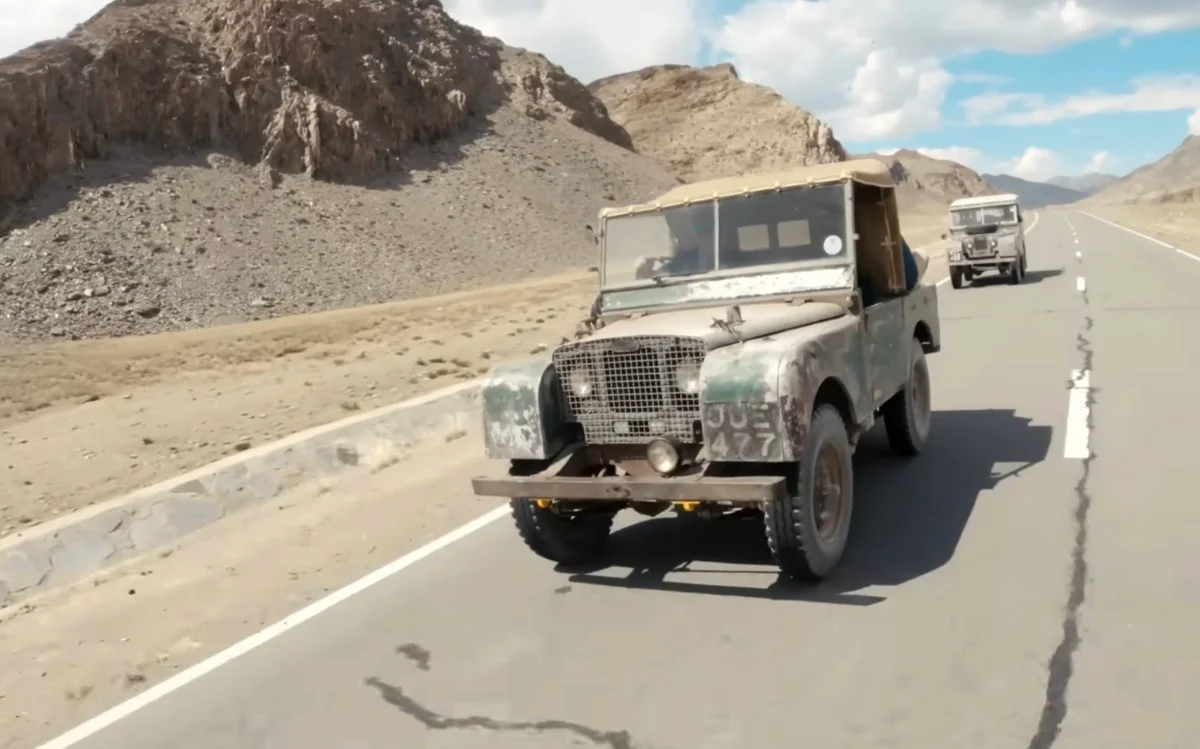
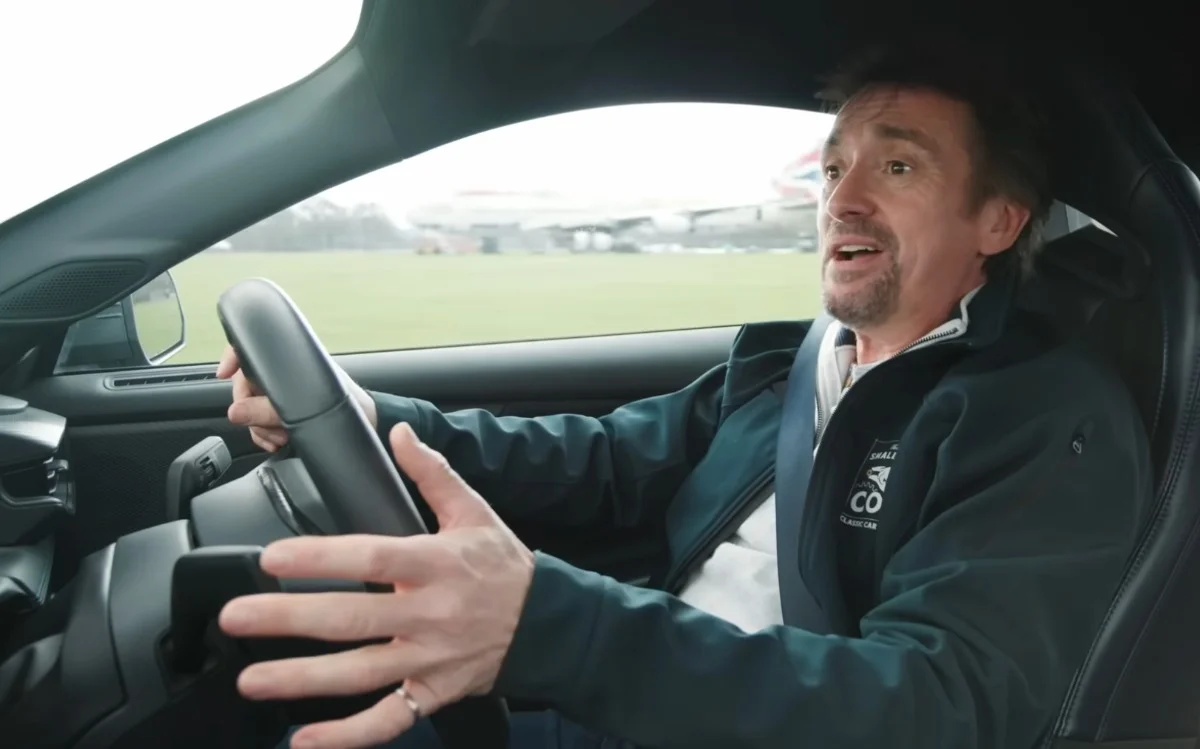
Richard Hammond said something about the license plate incident no one ever pointed out
Richard Hammond took to the DriveTribe YouTube channel to add a little detail about the license plate incident in the Argentina Special that no one ever mentioned.
“It was deemed to be a reference to the Falkland Islands war – it wasn’t,” Hammond explained.
“We all wanted V8s. Jeremy wanted that Porsche because the car meant a lot to him. He used one to dash to see his father while he was dying.”
Then Hammond explained what else was happening.
“The problem was it was an election year and bashing the Brits [in Argentina] is good for votes. [They] mobilized the trucker union, which is a really powerful union. So it was very real,” Hammond said.
It all went south from there and the rest, as they say, is history.
Even though this didn’t directly lead to the end of Top Gear, it was certainly the turning point and the beginning of the end.
After this, Clarkson hit the headlines for a ‘fracas’ with a BBC producer.
Technically, no one was ever fired.
Clarkson’s contract wasn’t renewed, and both May and Hammond decided to leave to keep the trio together.

Alessandro is an automotive journalist with 10 years of experience covering supercars, automotive history, emerging vehicle technology, and luxury transportation. He wrote the first article published on SupercarBlondie.com when the website launched in 2022 and has since built a reputation for insightful reporting across the automotive and transportation industries. His expertise is grounded in hands-on experience. Alessandro has driven every Tesla model ever produced, from the original Roadster to the Cybertruck, and regularly covers the latest developments in electric vehicles and automotive innovation. His passion for transportation extends beyond cars, he has even flown a Boeing 787 Dreamliner simulator in Addis Ababa, Ethiopia. His reporting spans everything from classic American muscle cars and rare automotive discoveries to luxury yachts, private aircraft, high-end watches, and cutting-edge vehicle technology. Known for his deep knowledge of automotive history and ability to uncover the stories behind iconic vehicles, Alessandro brings readers a blend of historical context, technical expertise, and first-hand experience.