From Roadster to Roadster, the Tesla that started it all and is now causing the brand some headaches
Published on Jun 07, 2026 at 6:04 PM (UTC-4)
by Alessandro Renesis
Last updated on Jun 07, 2026 at 6:04 PM (UTC-4)
Edited by
Emma Matthews
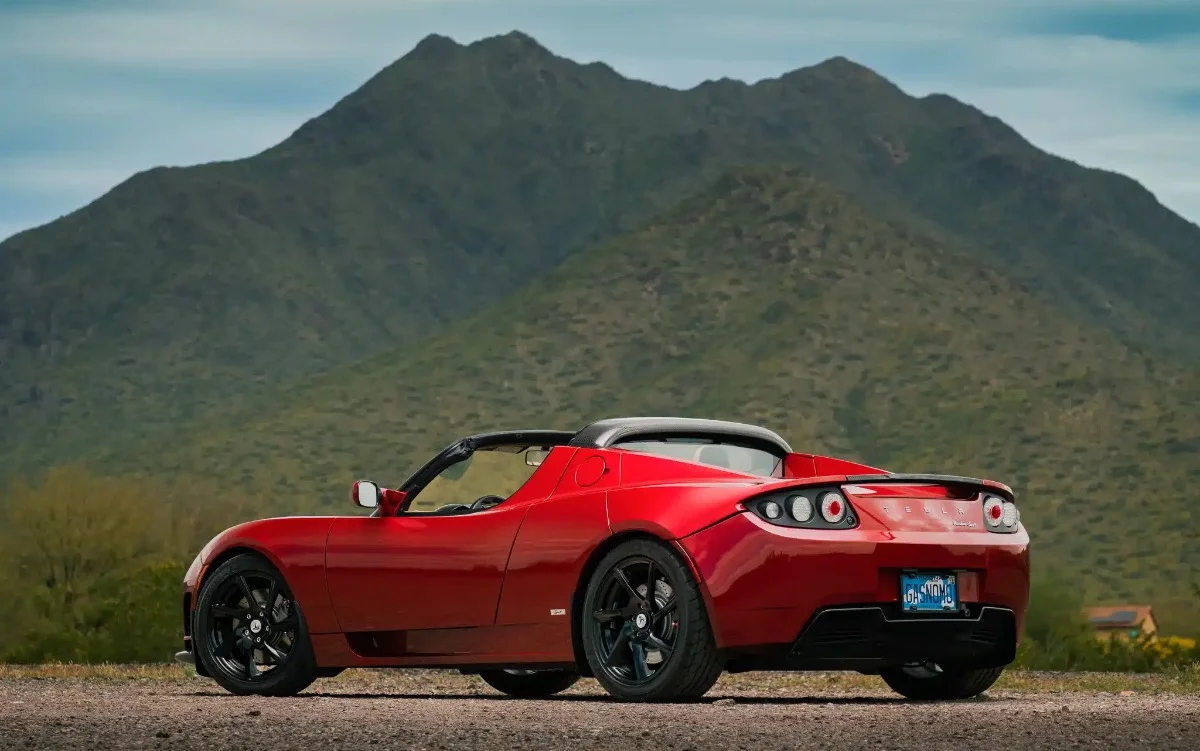

Many people praise Tesla for accelerating the transition towards mainstream EVs, and rightly so, but we tend to forget that it all started with the original Tesla Roadster.
As we’re waiting for the new Roadster, we shouldn’t forget about the old one.
Especially because the original Roadster, by modern Tesla standards, feels like a charmingly analog – and funky – relic.
But the first Roadster was a special car for several reasons.
The original Tesla Roadster has nearly nothing in common with any modern Tesla
Think of everything you know about modern Teslas – the interior, the styling, FSD (Full Self-Driving).
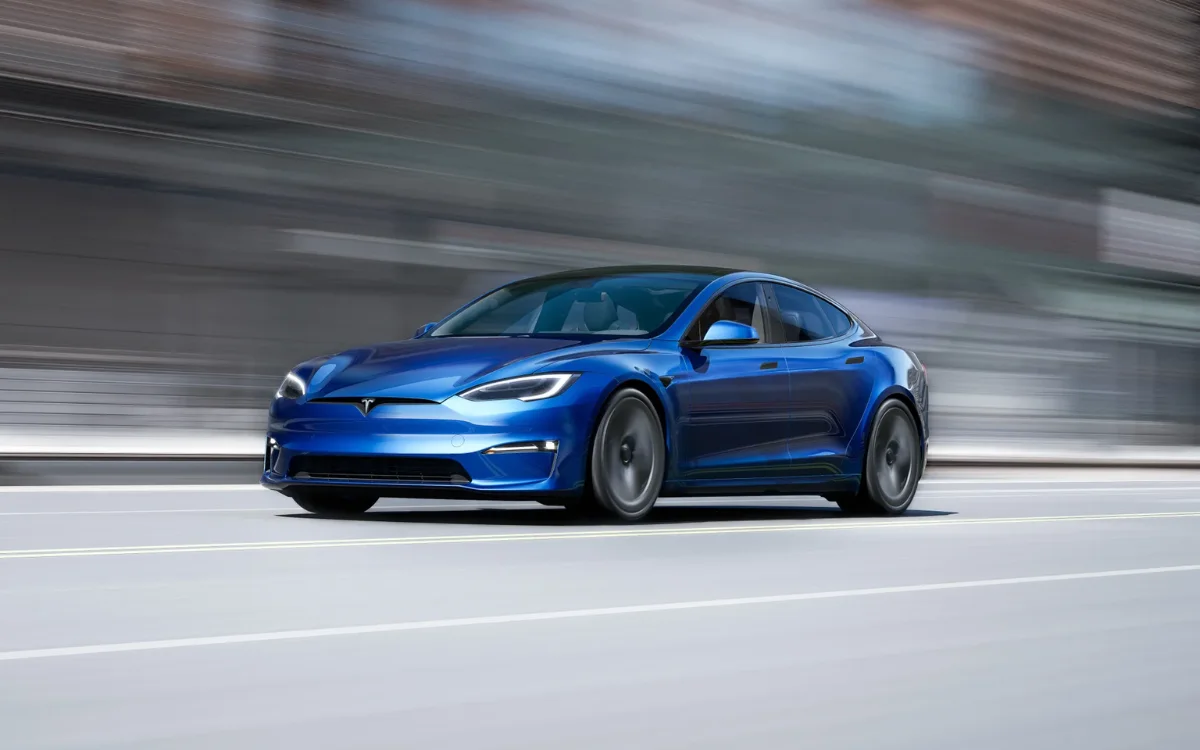
Good, now forget about it completely because the original Roadster had only three things in common with a Model Y or Model 3 from today.
One, it was electric; two, it was plenty fast; and three, it had a Tesla badge on the hood.
That’s about it.
Everything else was different.
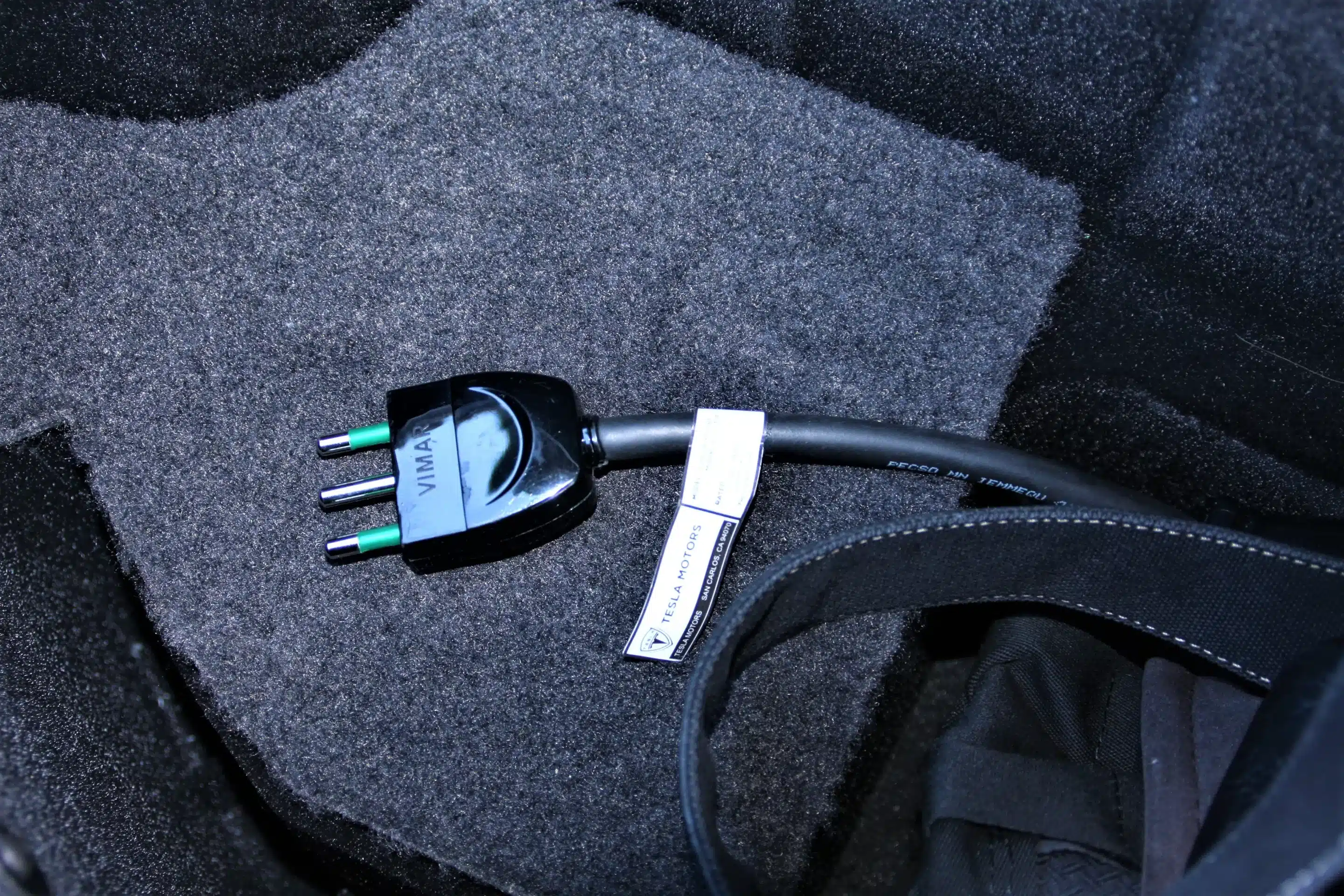
In the same way that using an iPhone 17 Pro today has nothing in common with using a Nokia 3310 20 years ago. Just look at the charger is used, pictured below.
The first thing worth noting is that the world’s most valuable car company today, Tesla, was a struggling startup back then.
Elon Musk doesn’t miss an opportunity to remind everyone that the Roadster nearly failed to reach production
The electric motor it used had also very little in common with a modern one, and the lithium-ion batteries that powered it were basically laptop batteries – 6,831 of them.
And wait because it gets better.
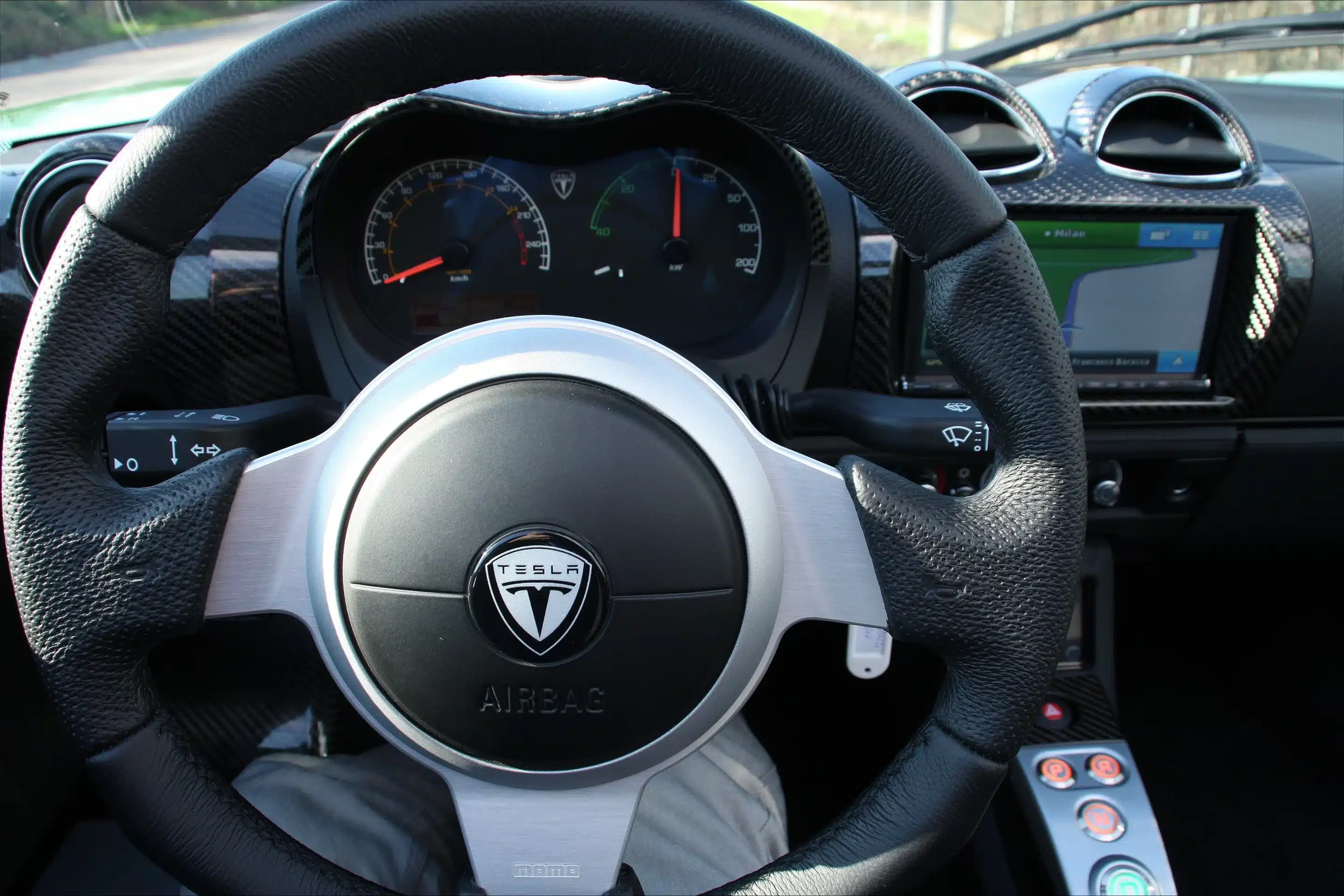
The first-generation Roadster was heavily based on the Lotus Elise, as you can see from the interior, pictured above.
It used a modified version of the same chassis, and the interior design and layout were eerily similar.
And you can tell.
It had thin, hard seats that were very low to the ground, and nearly no creature comforts.
There was a rudimentary pop-out sat nav and cruise control, and that was all.
It felt a little harsh to drive, but it was wonderful.
And the market took notice.
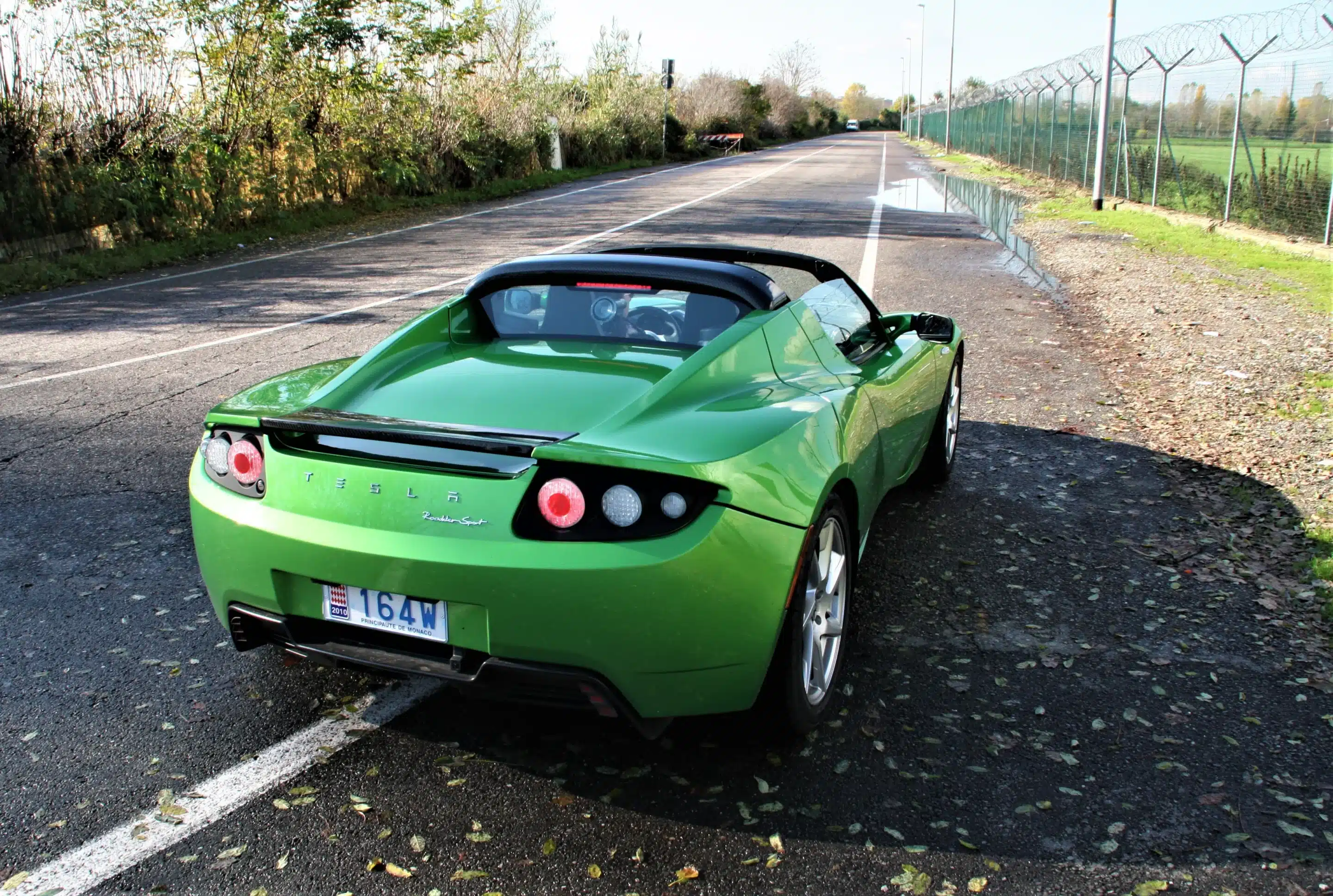
The Roadster did pretty well, and it gave Tesla the financial means to get better.
In less than 20 years, Tesla went from making a few funky Elise-based roadsters to being one of the best-selling manufacturers in the world.
This convertible also proved that EVs can – occasionally – retain their market value
Electric cars generally depreciate quite quickly.
It’s also interesting to point out that this came as a surprise to most people.
Surprisingly, this was a blind spot for many early adopters.
No one had thought about this, or if they had, they didn’t think it would be a problem. But it definitely is.
People who buy an ultra-expensive Porsche Taycan for $150,000 don’t expect to be told, two years later, that their car has lost 50 percent of its value.
That doesn’t work.
But there are exceptions, and the Tesla Roadster is one of those exceptions.
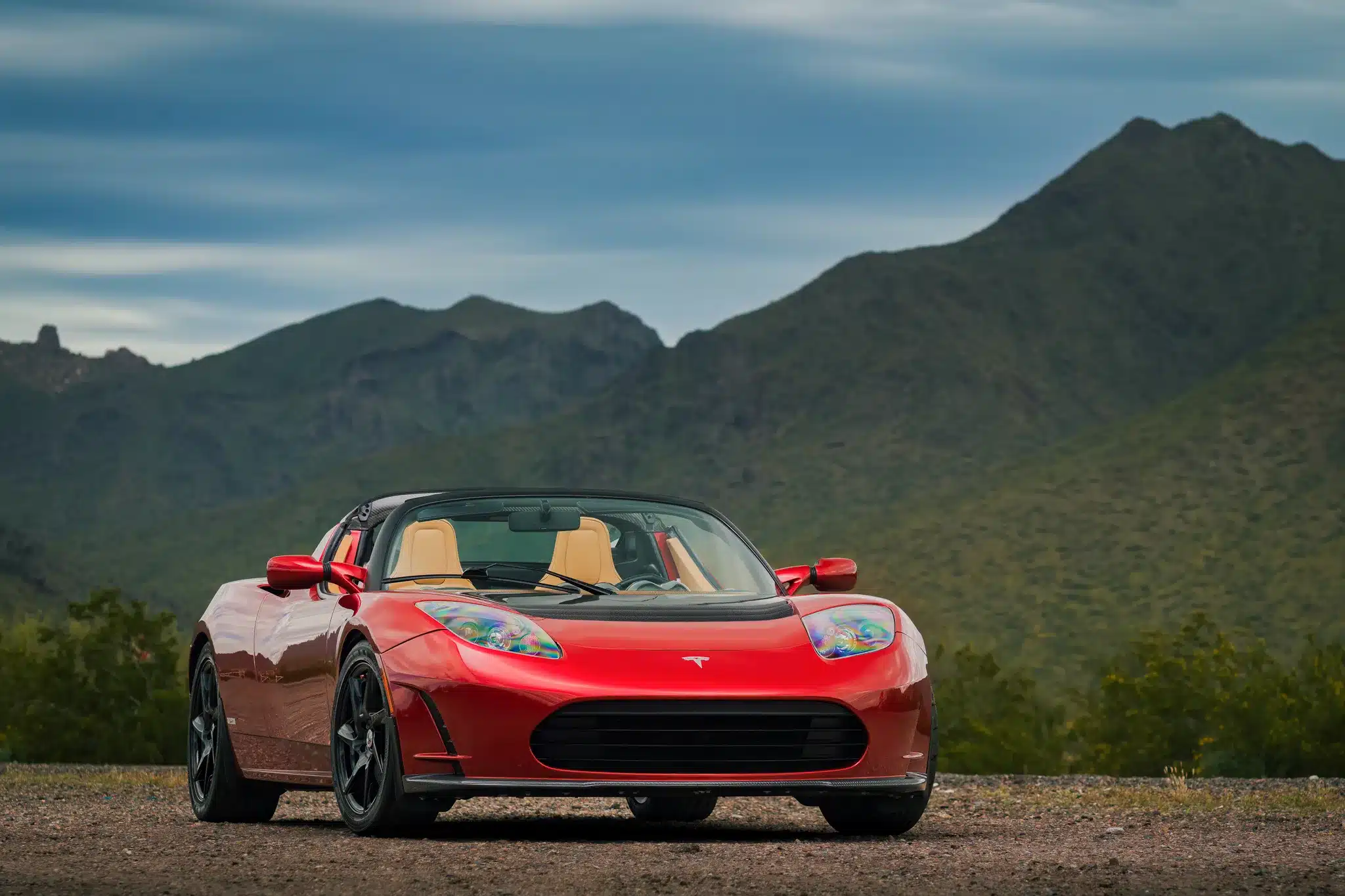
If you bought a Roadster in the late 2000s, when it was first launched, you could probably sell it today and get your money back.
You might even turn a profit if the car is exceptionally rare or particularly well-maintained.
Back when it was new, the Roadster started at around $100,000.
In recent years, we’ve seen Roadsters sell for $200,000 or more.
The rarest Tesla Roadster – the last one ever built, pictured above, is actually worth $1.5 million.
Not bad for an EV that’s nearly two decades old.
So what’s going on with the new Roadster?
The second-generation Roadster has been teased and promised a million times.
It was first mentioned in 2014, then teased again in 2017, and then, in 2020, Tesla said production would start in 2021.
That didn’t happen, partly because of the pandemic, and the final production date has been postponed again and again.
If everything goes according to the most recent plan, production should begin in 2027-2028, and there’s mounting pressure on Tesla to deliver.
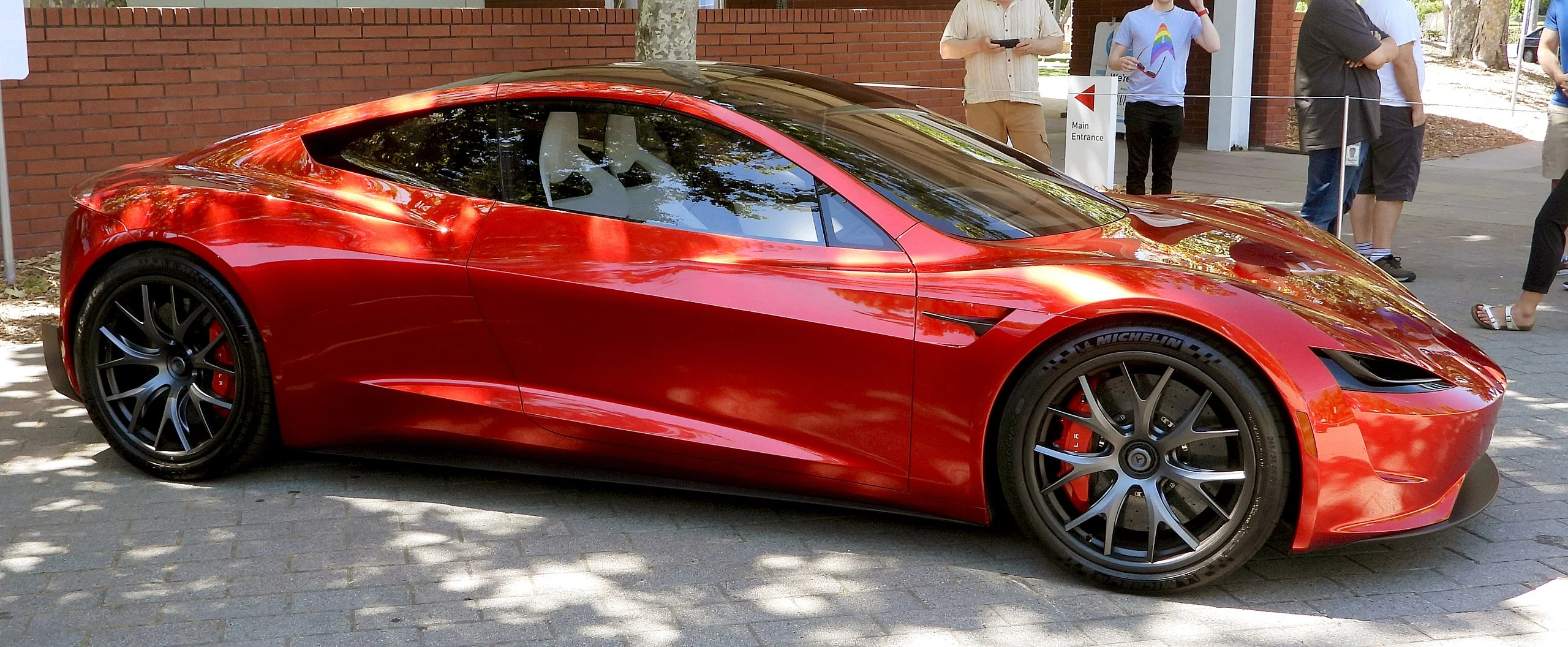
Musk has made some bold, almost unbelievable claims regarding the car’s performance.
He told former CNN anchor Don Lemon it would feature ‘rockety stuff’ via a SpaceX collaboration.
More recently, on The Joe Rogan Experience, he claimed it would be ‘the most important car launch of all time.’
So no pressure then.
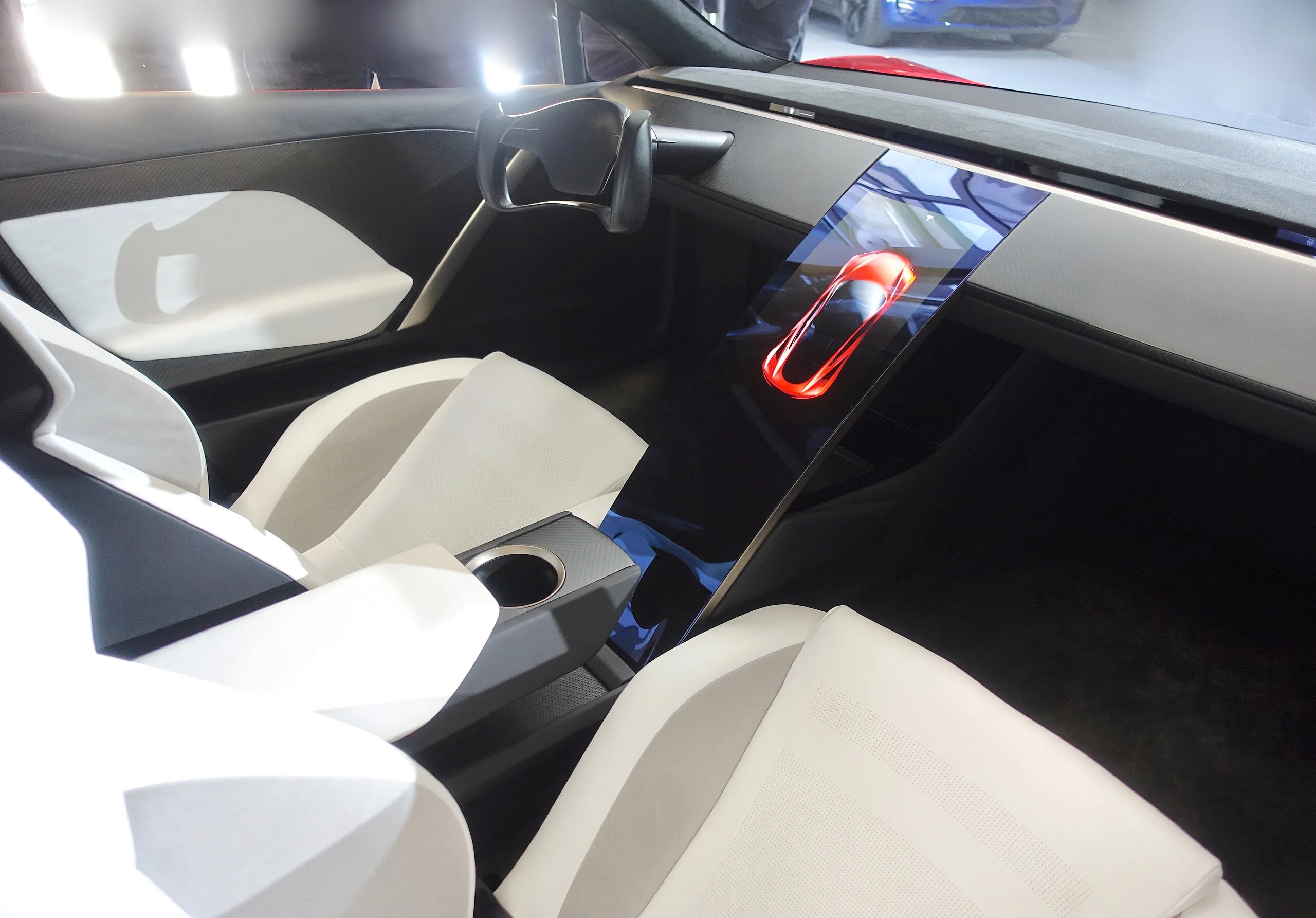
The real problem for Tesla is that the upcoming Roadster is causing some headaches, mainly for a very simple reason.
A lot of people have already paid a deposit to secure an allocation, and it wasn’t cheap.
Unlike other models, which you could generally reserve for $1,000 or even $100, early Tesla Roadster adopters spent $50,000 to get their name on the list.
Then again, Tesla fans and buyers tend to be faithful and quite passionate about the brand.
Hopefully for Tesla, they’ll be able to hold out a little more.
Alessandro is an automotive journalist with 10 years of experience covering supercars, automotive history, emerging vehicle technology, and luxury transportation. He wrote the first article published on SupercarBlondie.com when the website launched in 2022 and has since built a reputation for insightful reporting across the automotive and transportation industries. His expertise is grounded in hands-on experience. Alessandro has driven every Tesla model ever produced, from the original Roadster to the Cybertruck, and regularly covers the latest developments in electric vehicles and automotive innovation. His passion for transportation extends beyond cars, he has even flown a Boeing 787 Dreamliner simulator in Addis Ababa, Ethiopia. His reporting spans everything from classic American muscle cars and rare automotive discoveries to luxury yachts, private aircraft, high-end watches, and cutting-edge vehicle technology. Known for his deep knowledge of automotive history and ability to uncover the stories behind iconic vehicles, Alessandro brings readers a blend of historical context, technical expertise, and first-hand experience.