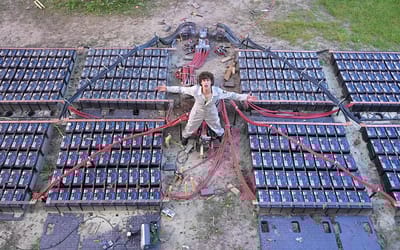
Robot turned itself into liquid to escape cage before reforming just like famous scene from Terminator 2
Published on Jan 22, 2026 at 6:54 AM (UTC+4)
by Claire Reid
Last updated on Jan 22, 2026 at 10:12 PM (UTC+4)
Edited by
Mason Jones
Scientists created a small robot that is able to liquify itself so that it can escape from a cell, and the whole thing has serious Terminator 2 vibes.
Those of you who have seen the iconic movie might remember ‘mimetic polyalloy’ – a fictional liquid metal that allowed machines to change shape.
And, while mimetic polyalloy remains firmly in the realms of science fiction, researchers from Carnegie Mellon University and the University of Hong Kong did create some miniature robots that had similar properties.
The tiny robots can rapidly shift between liquid and solid states – and to prove it, the robots’ creators put one inside a cage so it could melt down and escape.
DISCOVER SBX CARS – The global premium auction platform powered by Supercar Blondie
The small robot can switch between liquid and solid states
Robotic technology has come a long way in a relatively short space of time.
These days, we’ve got robots doing everything from folding laundry to unearthing centuries-old secrets of the ancient pyramids.
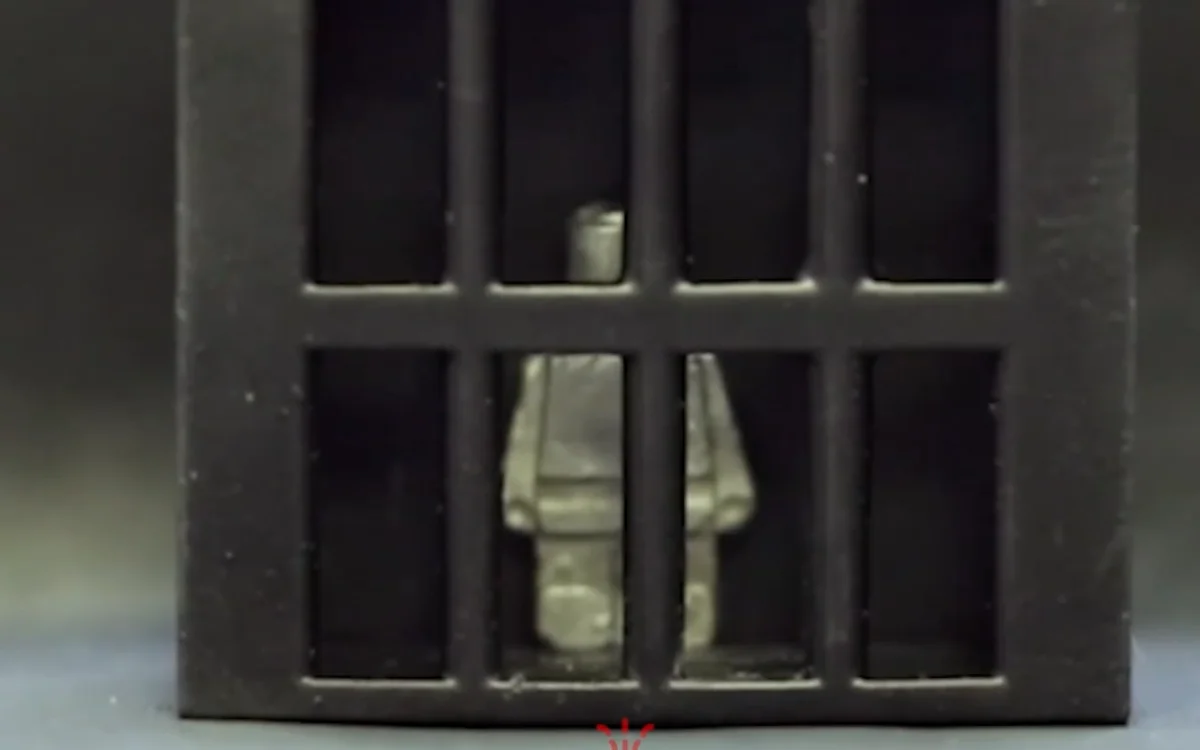
Meanwhile, researchers from Carnegie Mellon University and the University of Hong Kong have created teeny tiny melty robots that look adorable and could have some very useful applications.
The bots – which are officially dubbed ‘magnetoactive solid-liquid phase transitional machines’ – are created using magnetic particles inside gallium, a metal that has a super low melting point of 85.6 °F.
To showcase the metallic bot’s impressive shape-shifting qualities, the team put one of the small robots, which looked a bit like a Lego figurine, into a cage.
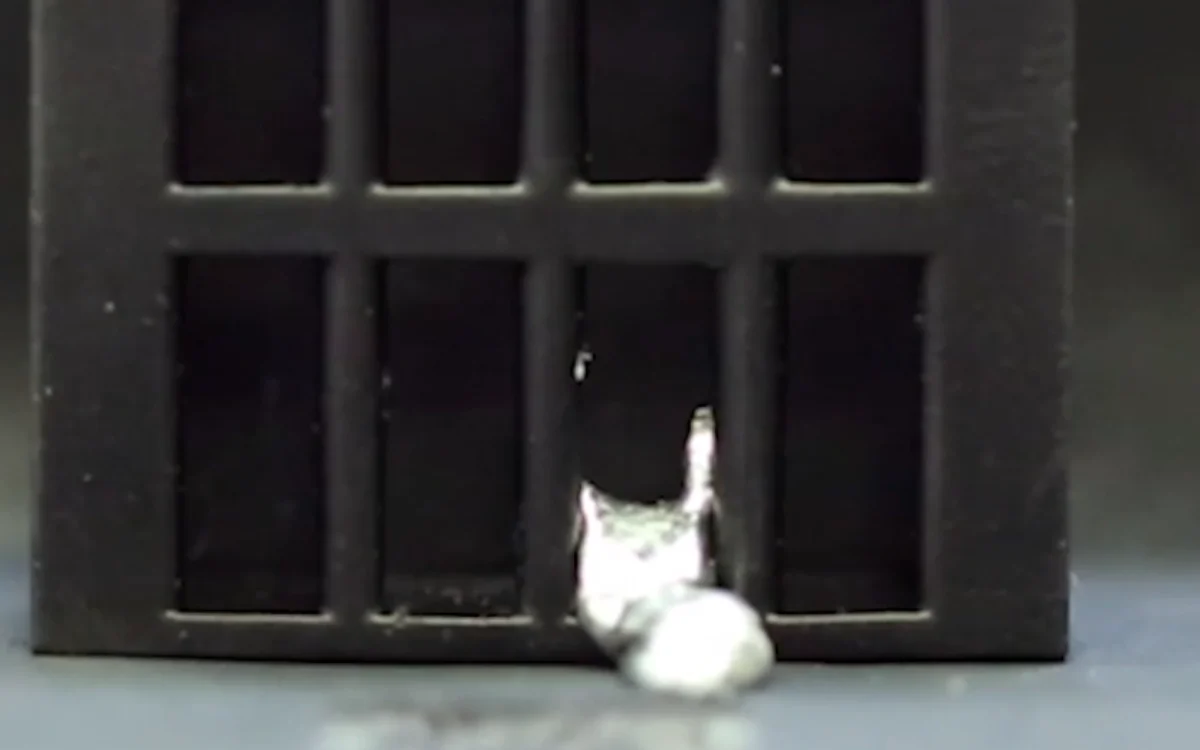
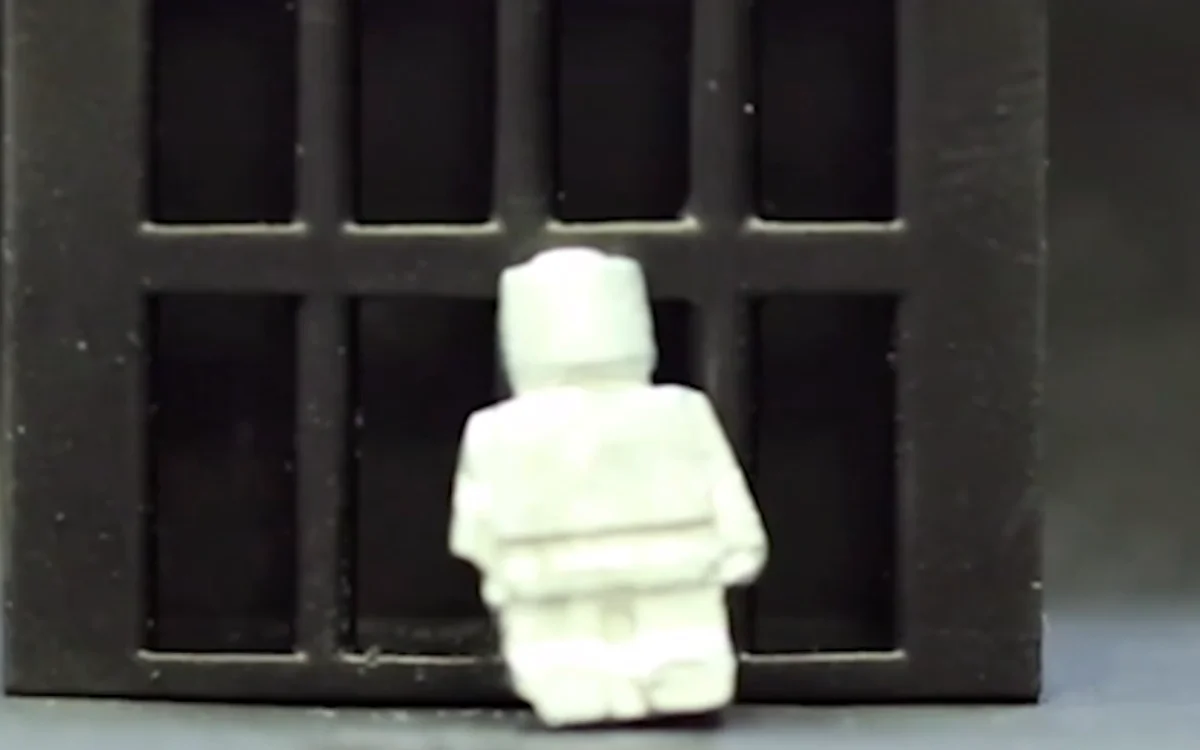
The bot then turned itself into a small puddle of liquid-metal and oozed past the cage’s bars before remolding itself back into its original shape – eat your heart out, T-1000.
For now, the little robots are simply proofs of concept, but the team behind them says they could have some very useful real-world applications.
Click the star icon next to supercarblondie.com in Google Search to stay ahead of the curve on the latest and greatest supercars, hypercars, and ground-breaking technology
The tiny bots could have some very important uses
While watching them melt their way through a cage is pretty fun, researchers also showcased how the material could be useful in the biomedical field.
The team created a fake human stomach and put one of the bots inside, where it was able to move a foreign object that was stuck.
The bot’s small size and liquifying abilities mean they can get to places that would be otherwise hard to reach.
“Future work should further explore how these robots could be used within a biomedical context,” senior study author Professor Carmel Majidi said.
“What we’re showing are just one-off demonstrations, proofs of concept, but much more study will be required to delve into how this could actually be used for drug delivery or for removing foreign objects.”
Study co-author Doctor Chengfeng Pan said that the technology could be used in ‘practical ways to solve some very specific medical and engineering problems’.
So it seems as though this might not be the last we see of the robots, or to put it another way… they’ll be back.
DISCOVER SBX CARS: The global premium car auction platform powered by Supercar Blondie
With a background in both local and national press in the UK, Claire has covered a range of topics, including technology, gaming, and cryptocurrency, since joining the editorial team at Supercar Blondie in May 2024. Her ability to be first to a story has been integral to making SB’s coverage of scientific discovery, AI, and global tech news a slick 24/7 operation.