Samsung has reportedly come up with a solution to the foldable 'crease' in its phones
Published on Feb 03, 2026 at 9:28 AM (UTC+4)
by Molly Davidson
Last updated on Feb 03, 2026 at 9:25 PM (UTC+4)
Edited by
Mason Jones

Samsung has spent years improving its foldable phones, but one problem has never really gone away.
No matter how polished the hardware got, the crease in the middle of the screen was always there, reminding users this wasn’t a normal phone.
At CES 2026, though, Samsung showed something different.
And it suggested the company may have finally gone crease-less.
DISCOVER SBX CARS – The global premium auction platform powered by Supercar Blondie
How Samsung could be reducing the foldable crease
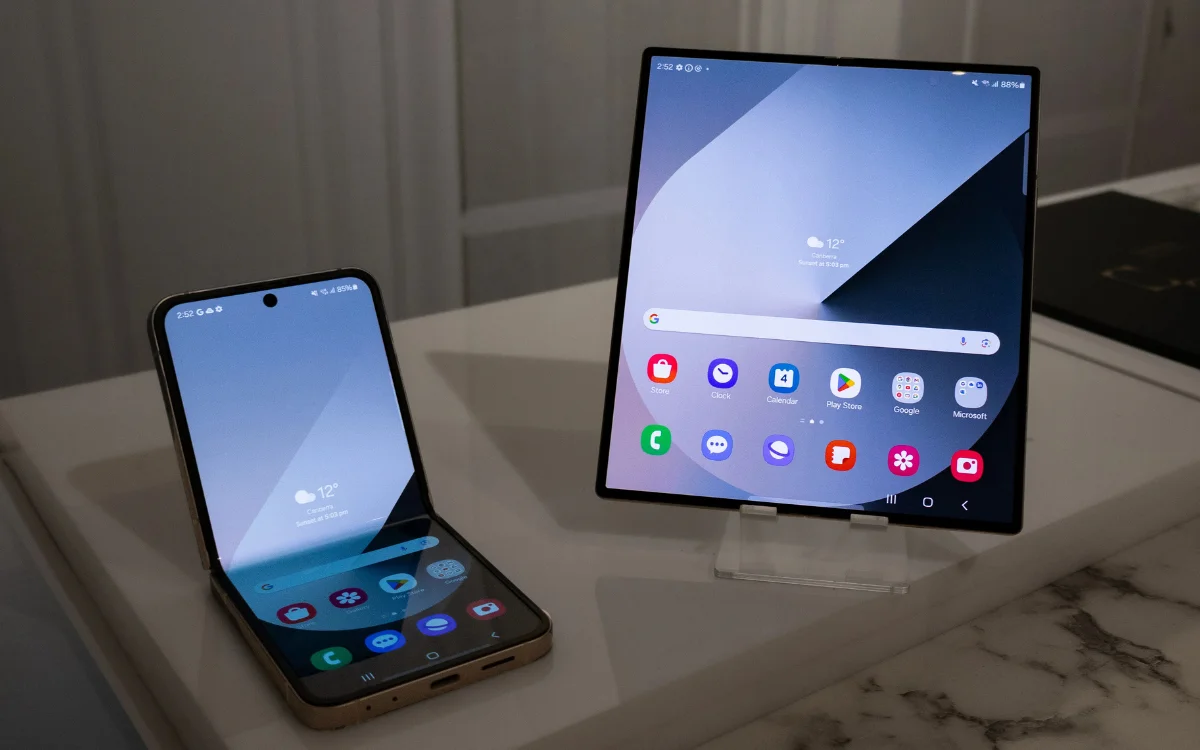
At Samsung’s booth, one foldable grabbed attention for a very specific reason.
When it was opened flat, the usual line down the center was barely visible.
Not gone completely, but close enough.
According to reliable leaker Ice Universe, the phone company didn’t fix this by toughening up the glass or reinventing the hinge.
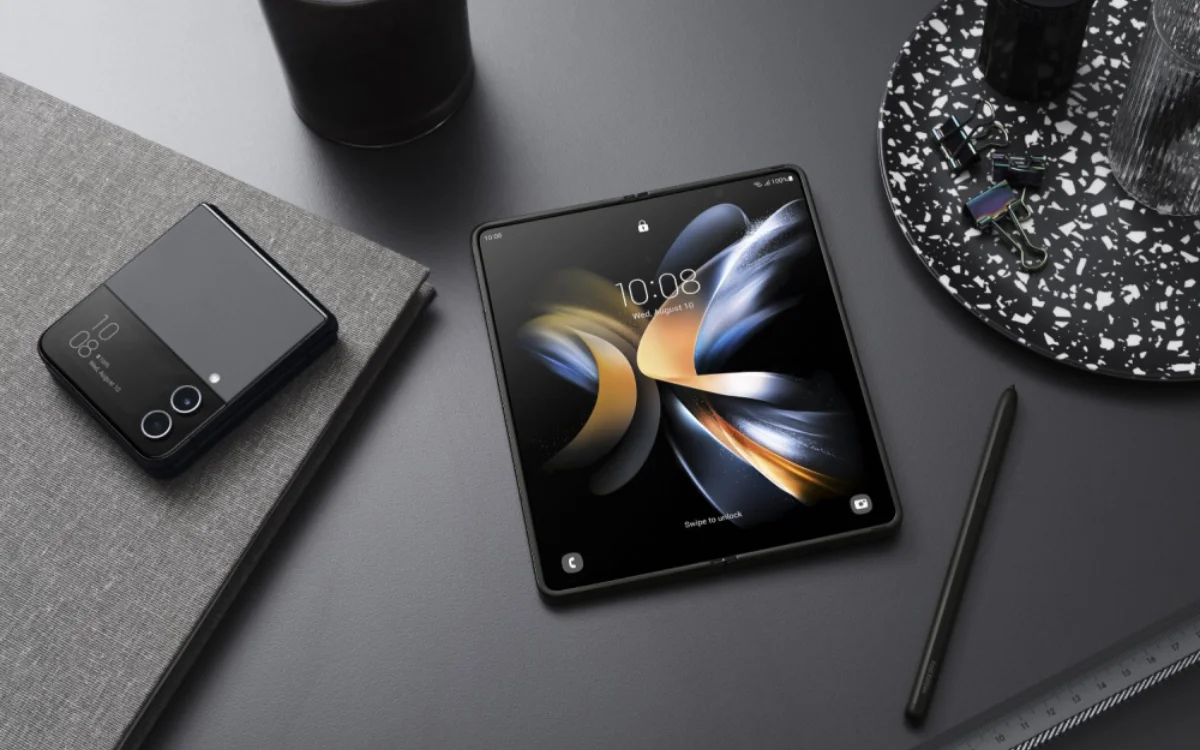
Instead, it changed what’s underneath the screen.
Normally, foldable phones use a stiff support layer below the flexible display.
When you close the phone, that stiffness creates a problem.
The screen has to bend somewhere, so all the pressure gets forced into the middle.
Do that thousands of times and the glass basically gives up, leaving a permanent crease.
The new support panel is said to be less rigid and filled with tiny perforations.
Those little openings give the screen room to move instead of forcing it to fold along one sharp line.
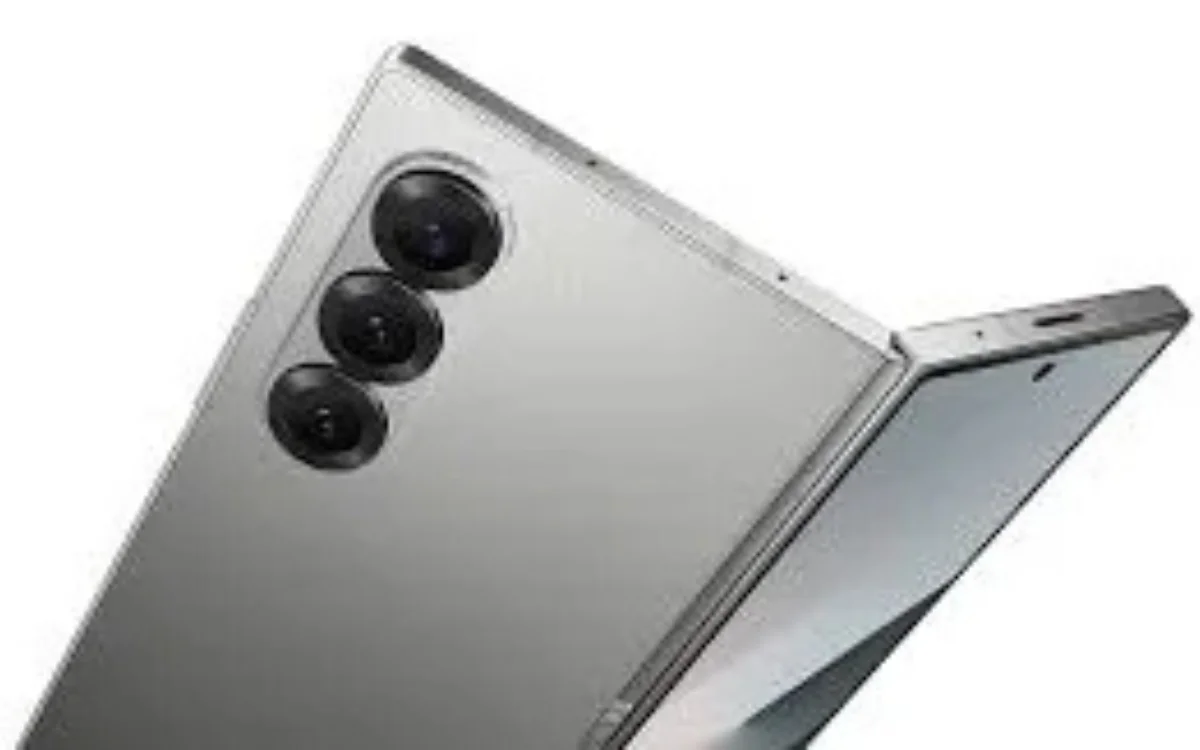
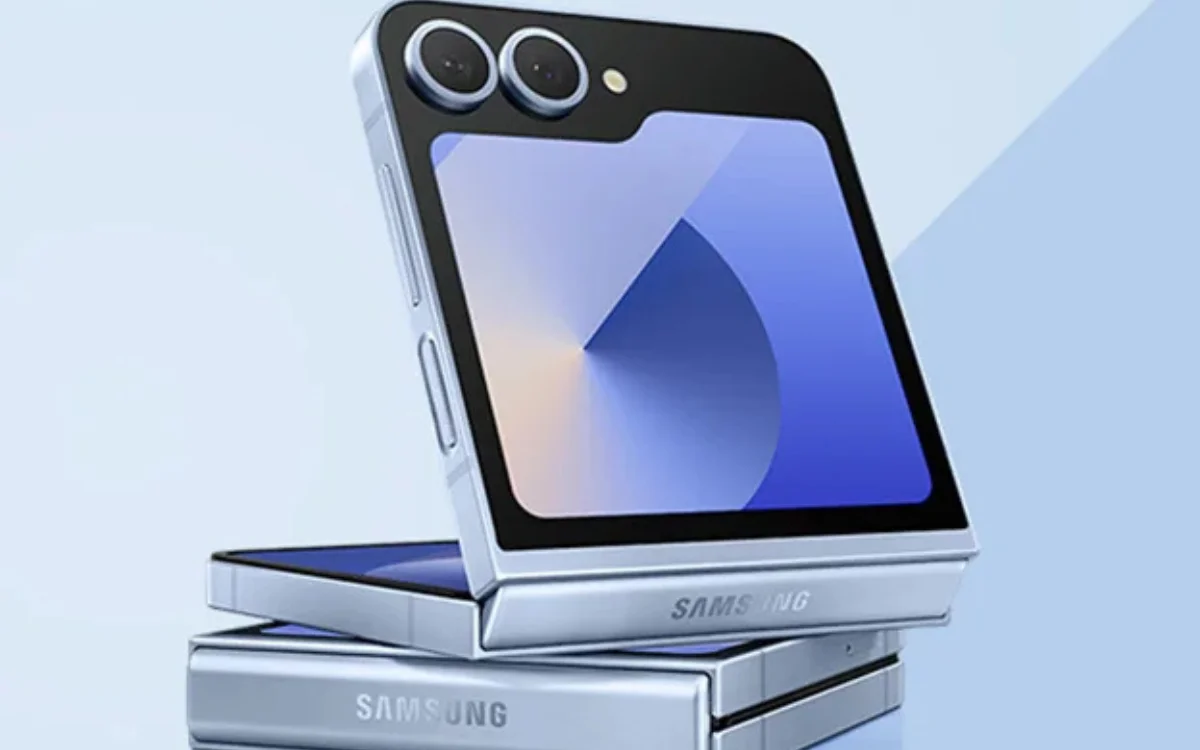
Think of it like bending a hard cover book versus bending a soft notebook.
One fights you, while the other goes with the motion.
By letting the screen flex more naturally, the stress spreads out instead of piling up at the hinge.
The result is less damage, less distortion, and a screen that looks flatter over time.
Click the star icon next to supercarblondie.com in Google Search to stay ahead of the curve on the latest and greatest supercars, hypercars, and ground-breaking technology
What this could mean for future foldables
Right now, none of this has been officially confirmed by Samsung.
There are still big questions around durability, long-term wear, and how this setup handles years of folding and unfolding.
And then there’s price.
Foldables already cost a lot, and adding new display tech only works if it doesn’t make them even harder to afford.
Still, this is a big deal.
The crease is one of the main reasons people hesitate to buy foldables in the first place.
If Samsung can seriously reduce it, that changes how these phones feel, look, and age.
It also puts pressure on everyone else working on foldables, especially with Apple expected to enter the space eventually.
For now, it’s just a demo and a leak.
But if all goes well, the foldable phone crease might be a thing of the past.
The evolution of Samsung’s foldable crease problem
2019: Samsung launches the original Galaxy Fold, with a clearly visible center crease
2020: Galaxy Z Fold2 improves hinge design, but crease remains pronounced
2021: Galaxy Z Fold3 introduces stronger UTG glass, slightly reducing crease depth
2022: Galaxy Z Fold4 refines hinge mechanics, improving durability but not eliminating the crease
2023: Galaxy Z Fold5 debuts a redesigned hinge that allows a flatter fold, reducing screen stress
2024: Samsung focuses on incremental crease minimization rather than elimination
2026: Samsung reportedly introduces a perforated, flexible support layer shown at CES, significantly reducing visible creasing
DISCOVER SBX CARS: The global premium car auction platform powered by Supercar Blondie
With roles at TEXT Journal, Bowen Street Press, Onya Magazine, and Swine Magazine on her CV, Molly joined Supercar Blondie in June 2025 as a Junior Content Writer. Having experience across copyediting, proofreading, reference checking, and production, she brings accuracy, clarity, and audience focus to her stories spanning automotive, tech, and lifestyle news.