Scientists drilled 12km into the ground and found something that changed our understanding of Earth
Published on Feb 24, 2026 at 2:05 AM (UTC+4)
by Claire Reid
Last updated on Feb 25, 2026 at 8:59 PM (UTC+4)
Edited by
Claire Reid
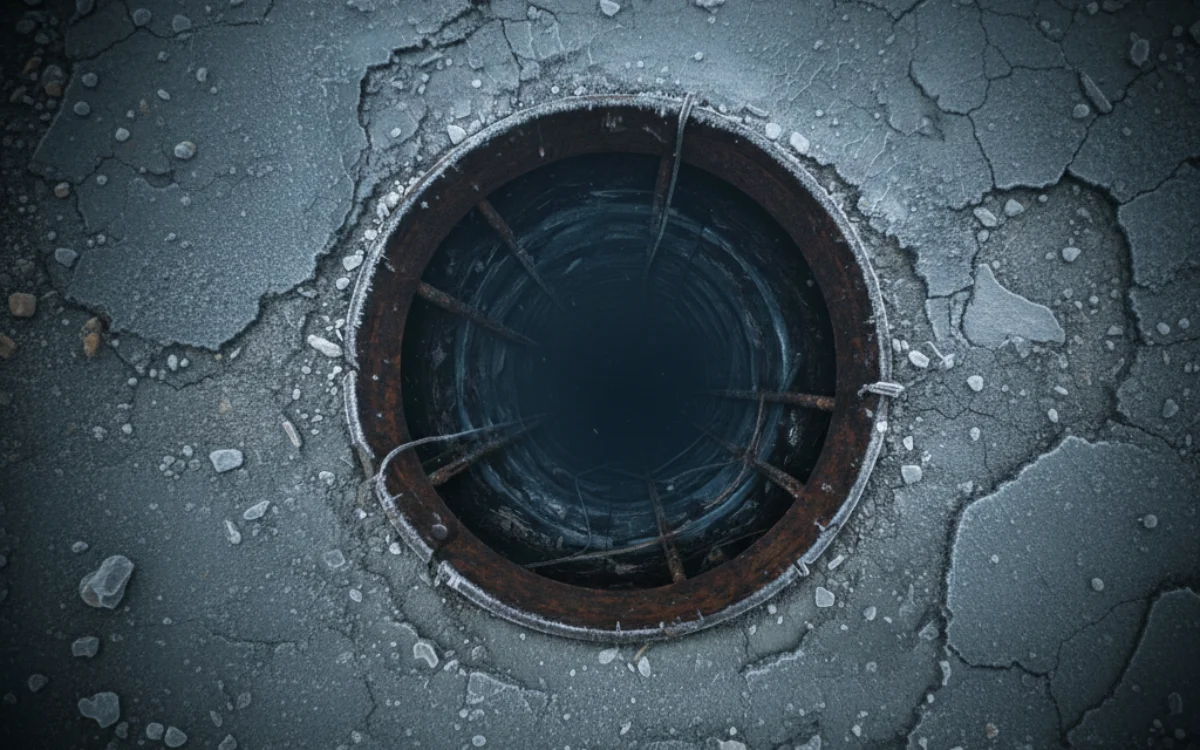
In 1970, scientists in Russia began drilling the Kola Superdeep Borehole, the largest human-made hole in the world, and what they found inside helped to change our understanding of Earth.
Soviet scientists wanted to see just how deep they could drill into the Earth’s crust, so launched the Kola Superdeep Borehole, or Kola SG-3, project.
Nine years after drilling efforts began, Kola SG-3 reached 9,583 meters (31,440ft) and claimed the world depth record.
By 1989, the borehole had hit a depth of 12,262 meters (40,230ft) – and scientists learned some interesting things about the Earth’s crust that had previously never been known.
DISCOVER SBX CARS – The global premium auction platform powered by Supercar Blondie
The Kola Superdeep Borehole led to some interesting discoveries about Earth
Scientists actually digged a series of nine boreholes, with two branching off from a central hole, and two more from one of those branches.
Drilling at SG-3 kicked off in 1970 and went on for a couple of decades with the deepest of the boreholes eventually hitting more than 12km.
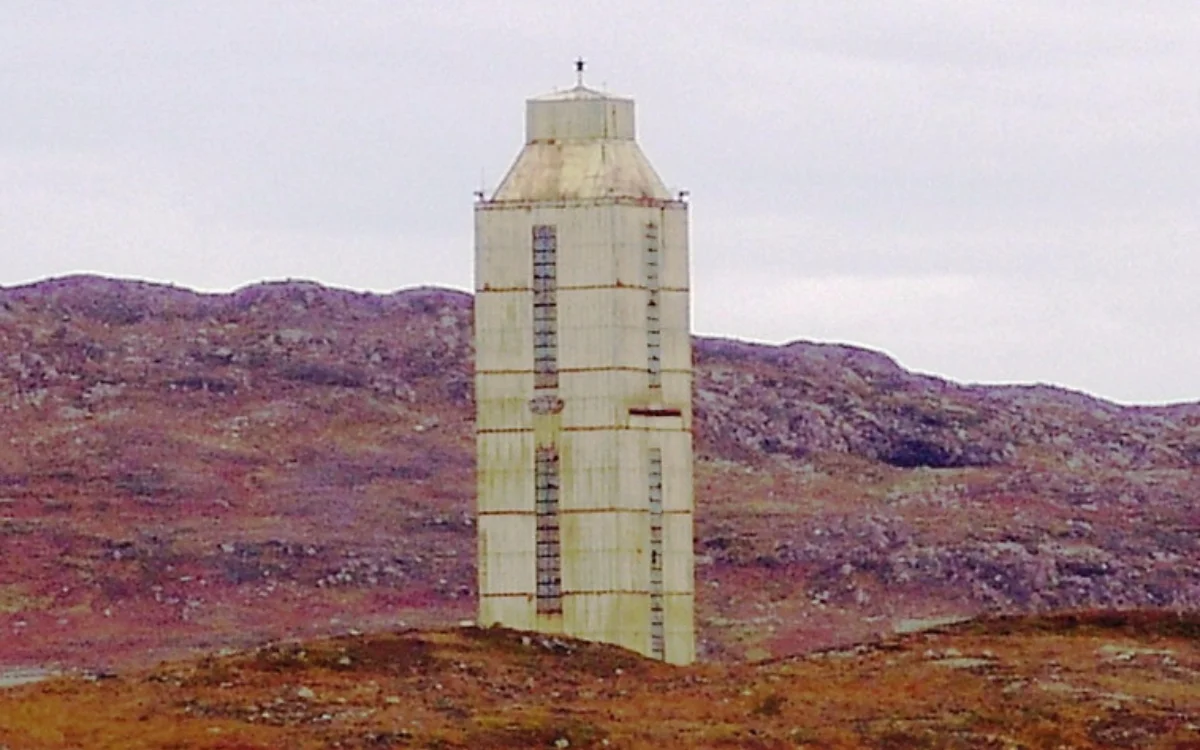
The project began to help scientists have a better understanding of the Earth’s crust and several important, and somewhat unexpected, geophysical discoveries were made.
One of the most eye-opening discoveries was water found a lot deeper than what scientists thought possible at the time.
“One of the unexpected results was certainly the occurrence of open saline water-filled cracks documenting that the crust is not dense but that pathways exist allowing fluids to flow,” Helmholtz Centre for Geoscience’s Dr Ulrich Harms told How Stuff Works.
Experts believe that the water may have been present in rock crystals and was then squeezed out over time due to the high pressure.
And that wasn’t the only surprise for the team.
They also discovered microscopic fossils of single-celled organisms at around 6km (3.7 miles) down.
The fossils are believed to date back around two billion years, and were found encased in rock.
During the drilling process, scientists had expected to find basaltic layers at around 7km (4.3 miles) but they were never found at any depth.
Instead, they found that the layers of granite went much deeper than predicted, completely changing what modern science had believed for years.
Click the star icon next to supercarblondie.com inGoogle Search to stay ahead of the curve on the latest and greatest supercars, hypercars, and ground-breaking technology
What happened to the borehole?
Drilling at the Kola Superdeep Borehole went on for more than two decades.
It was initially expected that the third hole, the one that measured 12,262 meters in 1989, would end up hitting 15,000 meters (49,000 ft) by 1993, but there was a breakdown in the hole in 1990, after which no more drilling could be carried out.
Similarly, drilling on the fourth hole was stopped due to higher-than-expected temperatures of 356 °F (180 °C) when it hit 11,882 meters (38,983 ft) of depth.
By 1994, the project ran out of funds, and the drilling stopped.
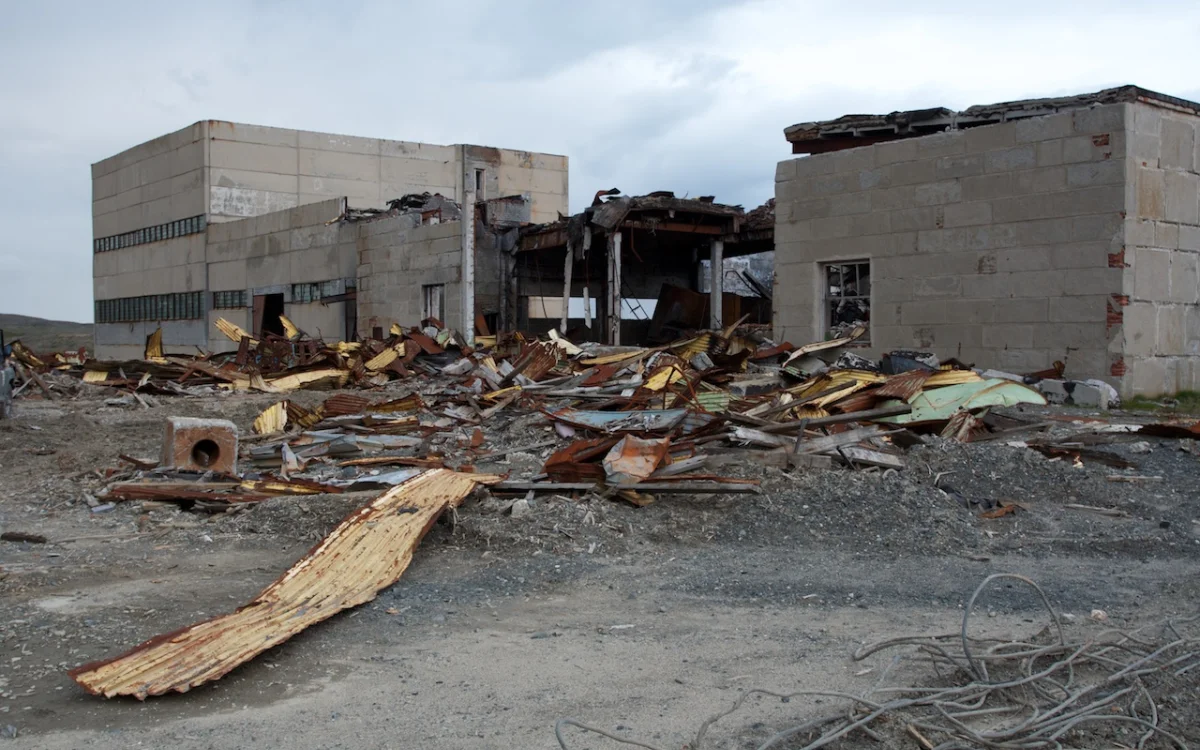
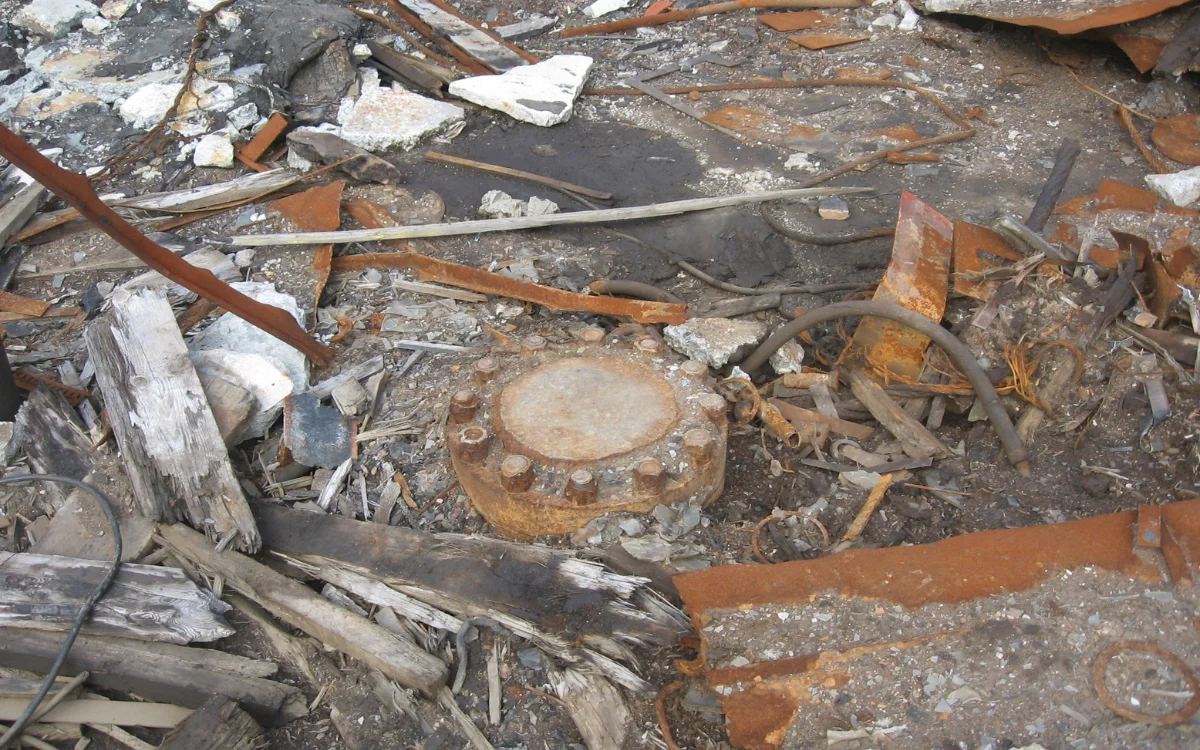
Today, the entrance to the borehole has been sealed off, but it still remains an unlikely tourist attraction.
DISCOVER SBX CARS: The global premium car auction platform powered by Supercar Blondie
With a background in both local and national press in the UK, Claire has covered a range of topics, including technology, gaming, and cryptocurrency, since joining the editorial team at Supercar Blondie in May 2024. Her ability to be first to a story has been integral to making SB’s coverage of scientific discovery, AI, and global tech news a slick 24/7 operation.