Scientists respond to Toyota chairman's claim that electric cars are actually worse for environment than hybrids
Published on Jun 26, 2025 at 6:37 AM (UTC-4)
by Daisy Edwards
Last updated on Jun 26, 2025 at 6:37 AM (UTC-4)
Edited by
Amelia Jean Hershman-Jones
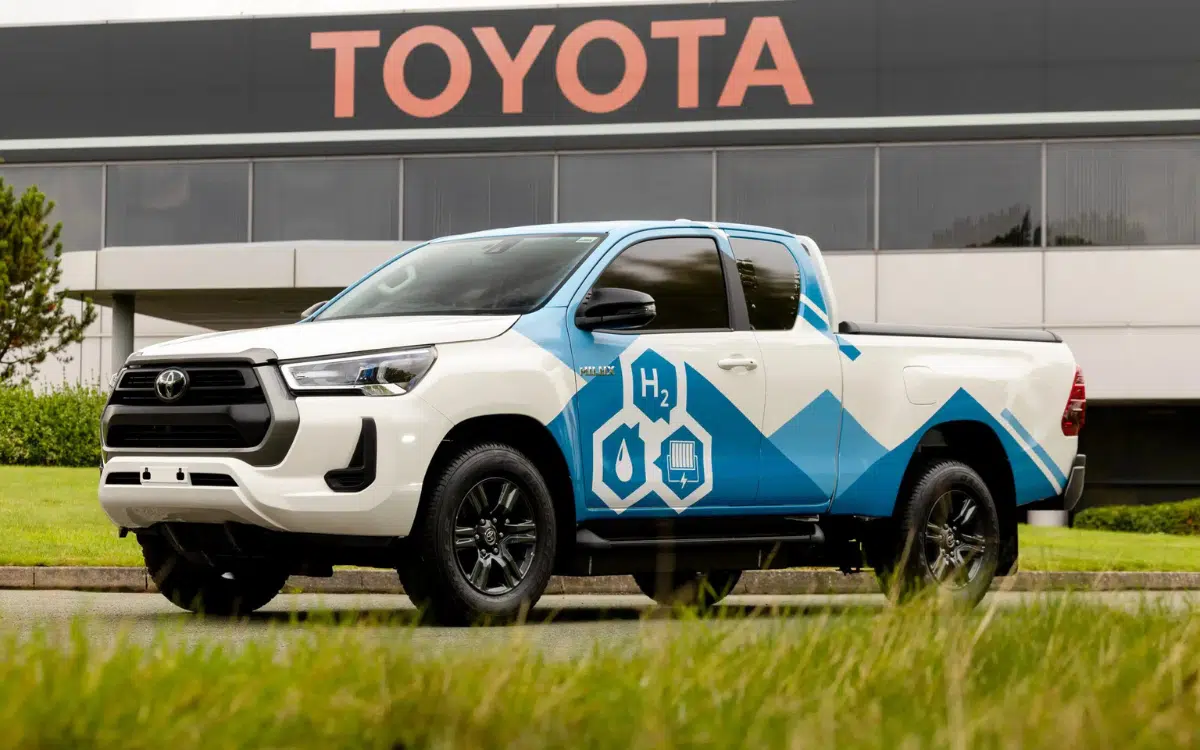

The chairman of Toyota, Akio Toyoda, caused controversy when he claimed that electric cars are worse for the environment than hybrids, so some scientists decided to respond to his claims.
As expected, the situation involves a lot of nuance, and a sweeping statement like his reduces the effect of grid decarbonization trends.
Toyoda’s claims mostly pertained to Japan and the company’s headquarters based there, however Chinese and international institutions told a different story.
The researchers came away from their findings with one conclusion: Toyoda was wrong in some ways and right in others, but it isn’t as simple as you think.
EXPLORE SBX CARS – Supercar auctions starting soon powered by Supercar Blondie
Scientists respond to the Toyota Chairman’s claim
The Toyota Chairman Akio Toyoda caused quite the stir in the world of EV manufacturing when he claimed that: “9 million BEVs emit the same carbon as 27 million hybrids.”
He also claimed that the creation of the nine million EVs in Japan would actually raise carbon emissions due to grids being reliant on fossil fuels.
He faced criticisms from automakers around the world an,d more recently, from scientists wanting to debunk his claims.


Are electric cars worse for environment?
A study in 2022 by Nature found that in 95 percent of regions, EVs were the lowest-emission choice on a long-term basis.
While EV production does produce more carbon in terms of initial emissions, 11-14 tonnes of CO2 in comparison to a hybrid’s or an ICE’s 6-9 tonnes, EVs break even on their carbon emissions after about 31,000 km.
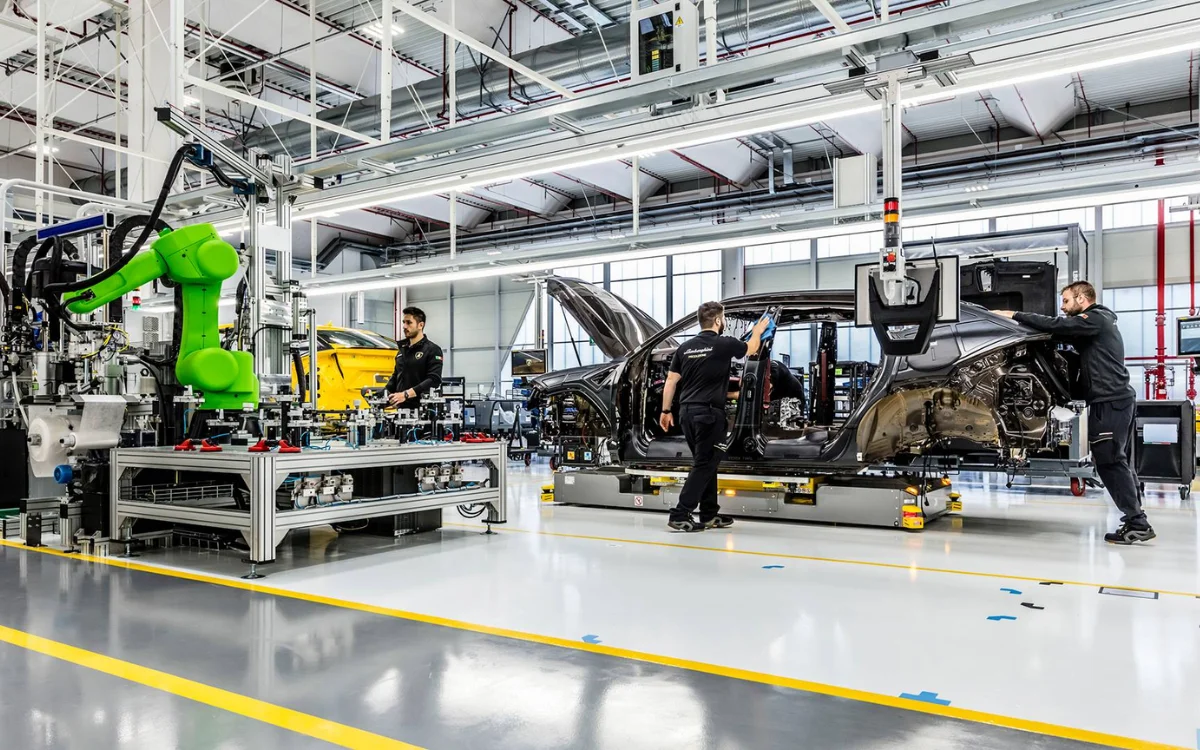
Battery production is a ‘dirty’ process, but the whole system is being cleaned up.
BYD is using more nickel-free chemistry in its battery production, and CATRAC estimated that in just four years between 2020 and 2024, battery carbon intensity dropped almost 15 percent.
While Toyoda was technically correct about EV production, his comments did not reflect the better long-term effects of driving EVs, but this debate is far from over as we shift globally to higher EV production.
Daisy is a technology and automotive journalist covering artificial intelligence, consumer tech, Apple news, cryptocurrency, emerging technologies, and transportation innovation. Since joining the team in 2025, she has reported on everything from AI-powered startups and major iOS updates to viral car stories and the latest developments shaping transportation and the digital economy. Drawing on her background in automotive journalism and a degree in History and Journalism from Goldsmiths, University of London, Daisy specializes in breaking down complex topics into clear, engaging reporting for a global audience. Her work spans cutting-edge technology, innovative vehicles, and the people driving change across both industries. Daisy has gained first-hand access to some of the world's most talked-about technologies and innovators, including meeting Tesla's Optimus humanoid robot during its first European appearance in London. She has also discussed the future of space exploration with an astronaut, bringing unique insights and real-world perspectives to her coverage of emerging technology.