Shockwave traffic jams that form for no reason recreated for the first time and it'll change how you think about traffic
Published on Jun 03, 2026 at 7:52 PM (UTC-4)
by Ben Thompson
Last updated on Jun 03, 2026 at 7:52 PM (UTC-4)
Edited by
Mason Jones

Have you ever found yourself stuck in traffic jams that seemingly form out of nowhere? It’s a frustrating experience for drivers around the world.
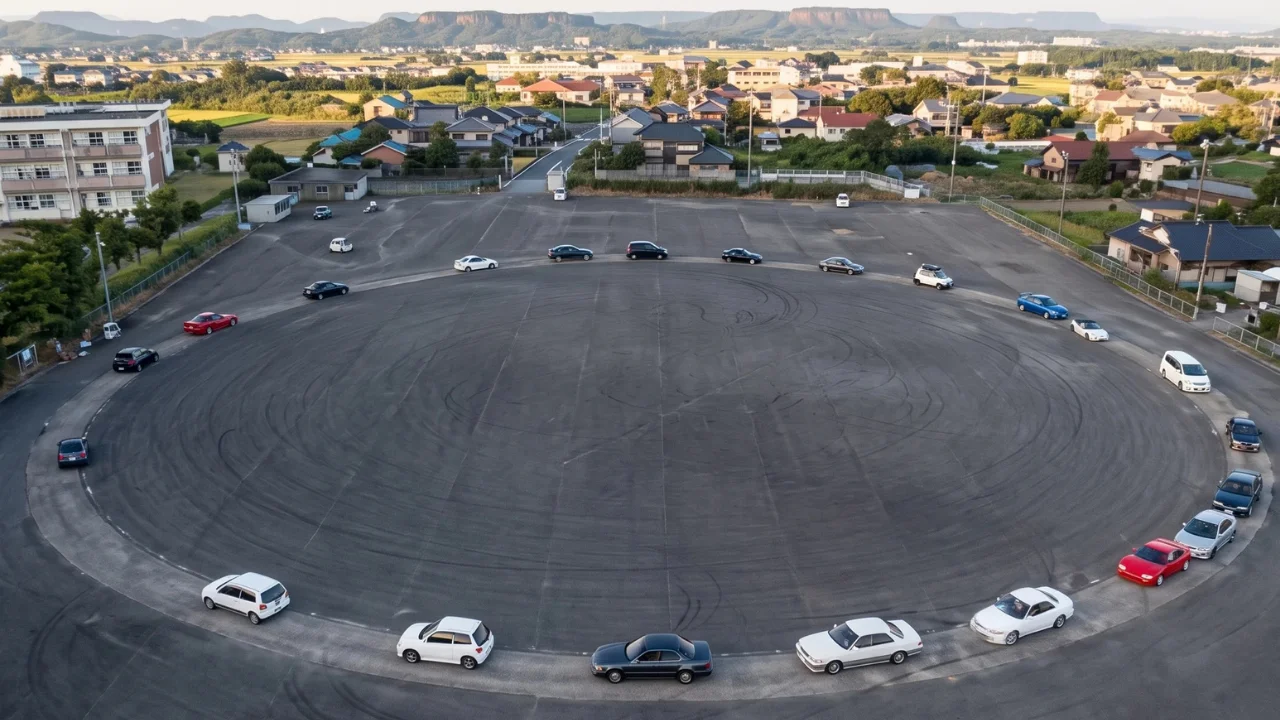
The University of Nagoya in Japan decided to create a traffic jam to showcase what’s behind this unusual phenomena.
22 cars were dispatched to drive around a circular track at a constant speed.
While the cars started off driving with similar gaps between them, it didn’t stay that way for long.
What are shockwave traffic jams? And how did they form in this experiment?
The experiment played out in a video shared to YouTube by the New Scientist channel way back in 2009.

In it, researchers placed 22 cars together on a single track, with the instructions to drive at a constant speed of 30kmh, aka 18mph.
At first, the experiment seemed to play out just as ordered, with vehicles moving at a steady pace and keeping distance from each other.
But as time went on, the distances began to vary and cracks began to show.
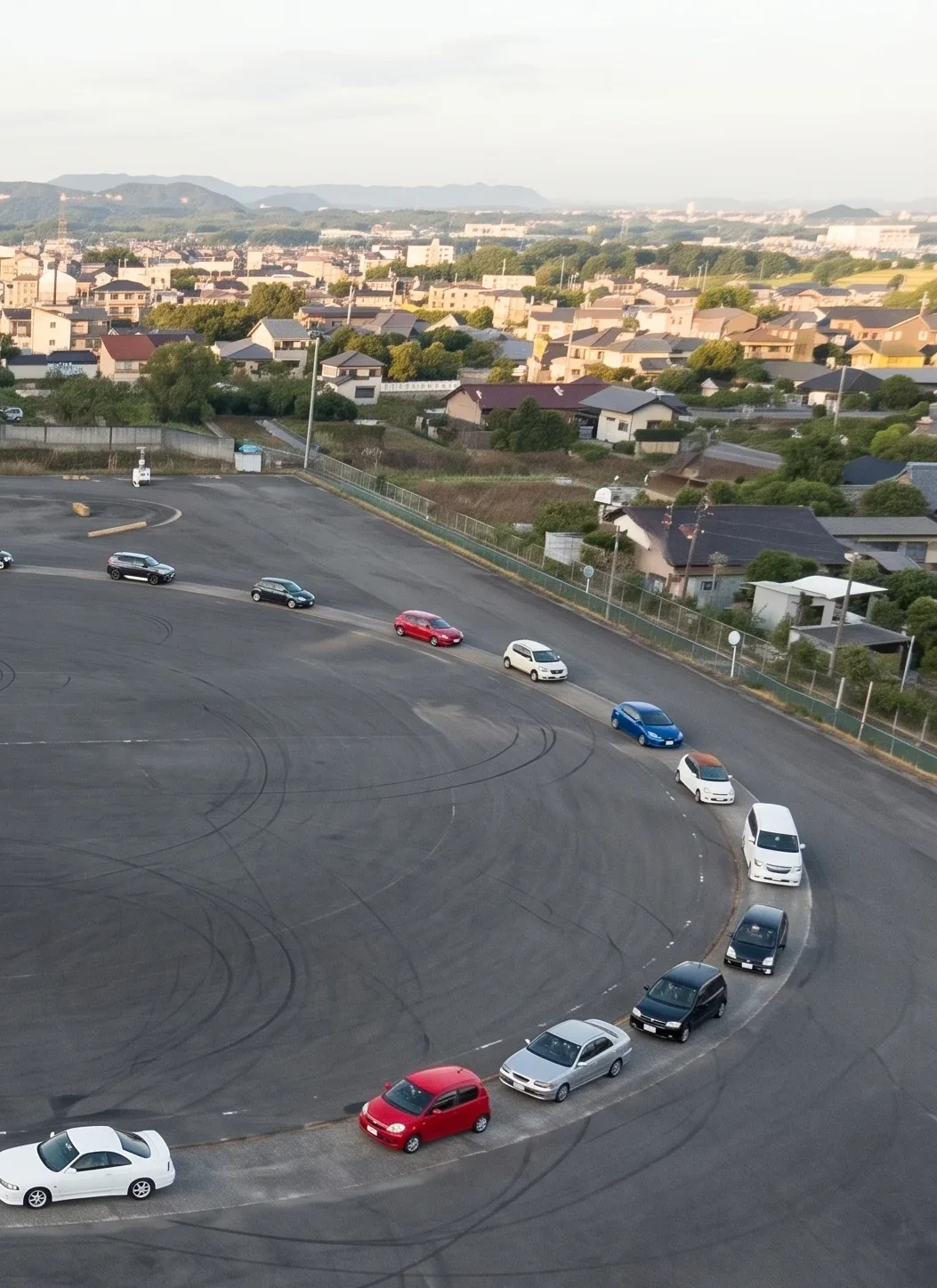
If one car got a little too close another, it would pull back and this would cause issues further down the line.
This is what is meant when this is described as a shockwave traffic jam.
It’s a ripple effect that passes through.
Another name used for them is phantom traffic jams, as they stem from essentially invisible causes.
It’s not like there’s been an accident or a road blockage – the drivers are just responding to the preceding car and passing it down the line.

Traffic is a royal pain, no matter how it occurs
Around the world, driving varies in different ways – people drive types of cars on different sides of the road.
But one experience is universal – traffic jams, and how frustrating they can be.
The world’s worst is undoubtedly this one in China which lasted 12 days.
It was a similar story when commuters found themselves trapped in a 50-lane-highway build-up outside of Beijing.
And of course, it’s not just in China that drivers are finding themselves stuck with nowhere to go.
In the US, drivers face long lines of traffic in the big cities, with one city out in California being particularly challenging.
Ben joined Supercar Blondie in February 2025 after being published by international organizations including LADbible, The Sun, the New York Post, and the Daily Mail. He covers supercars, rare and collectible vehicles, aviation, luxury assets, and the fascinating people behind them. His reporting has explored everything from seven-figure supercars and historic Ferrari collections to unusual aircraft adventures and extraordinary automotive discoveries from around the world. Ben has also gained first-hand insight into vehicle craftsmanship and customization, including visiting specialist workshops to see bespoke vehicles up close.