Mechanic turned down by Toyota in the 1940s transformed his rejection into starting Honda and never looked back
Published on Aug 31, 2026 at 2:03 PM (UTC-4)
by Daisy Edwards
Last updated on Aug 31, 2026 at 2:03 PM (UTC-4)
Edited by
Mason Jones
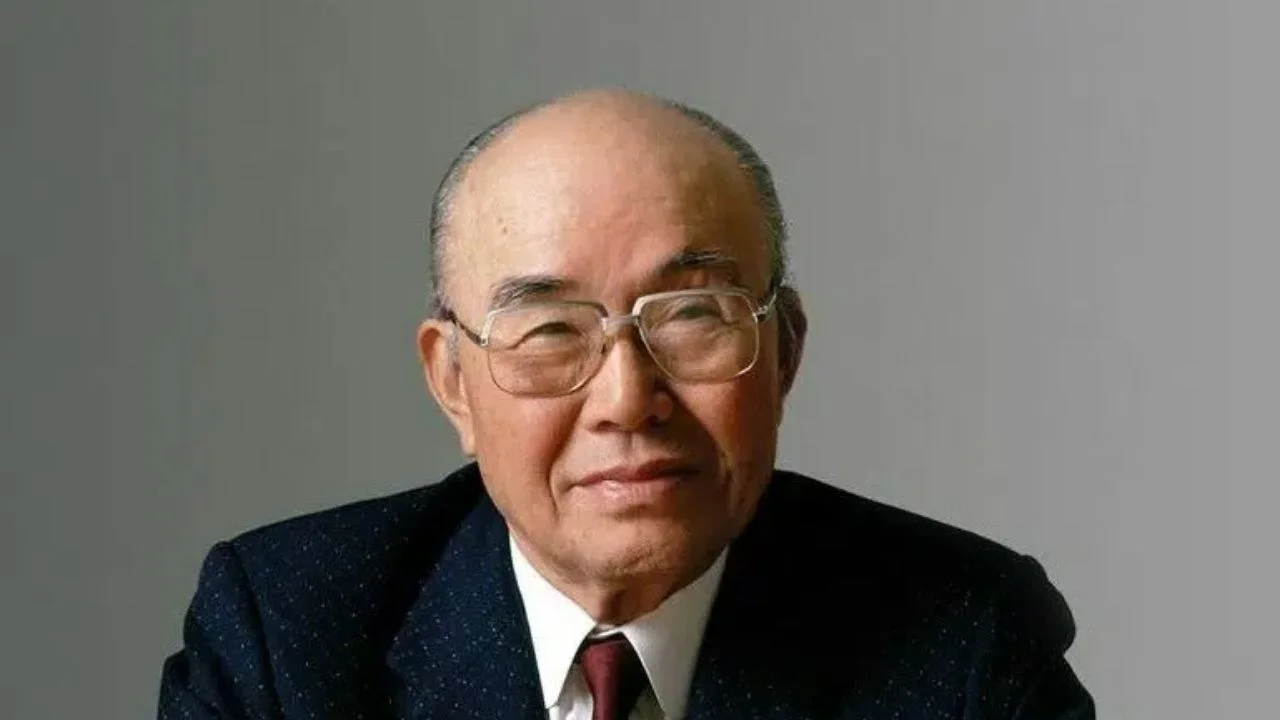

Soichiro Honda had his first piston-ring order rejected by Toyota, but instead of giving up, the mechanic used the setback to help build what would become one of the world’s biggest car companies.
Honda started out fixing bicycles and cars before becoming obsessed with creating his own machines.
His journey included bombings, earthquakes, business failures and plenty of people telling him that his ideas weren’t quite good enough.
Somehow, he kept coming back for more, and well, the rest is history.
The mechanic turned down by Toyota kept trying anyway
Soichiro Honda’s love of cars started when he was a kid in Japan, where his father ran a bicycle repair shop.
One of his earliest memories involved seeing a Ford Model T driving down the road, he was so fascinated that he reportedly ran after it, desperate to get a closer look.
That obsession eventually led him to Tokyo at the age of 15, where he became an apprentice at an auto repair shop.
Honda wasn’t content with simply fixing other people’s cars, though, he wanted to build things himself, and eventually returned to his hometown of Hamamatsu and opened his own repair shop.
He also had a serious need for speed.
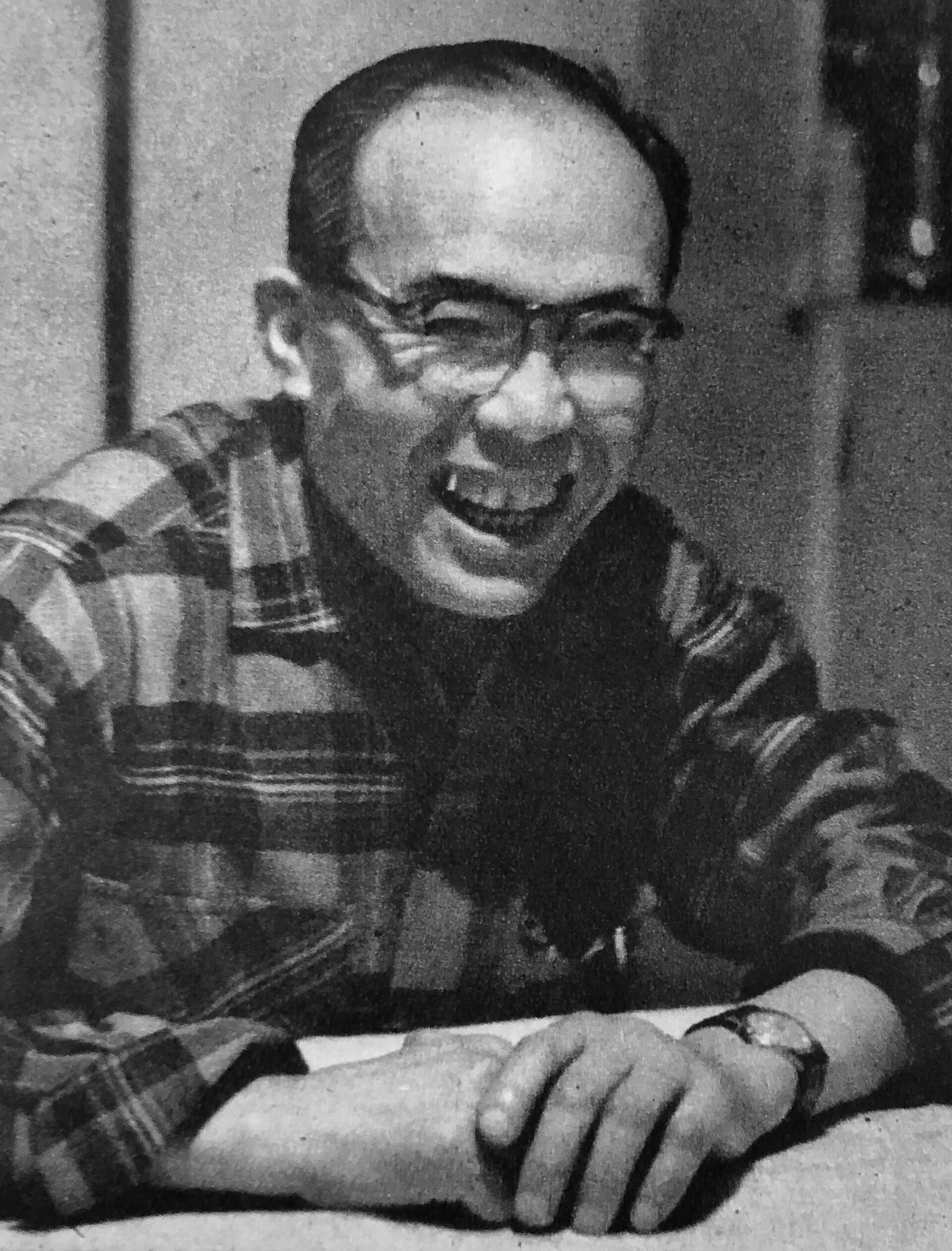
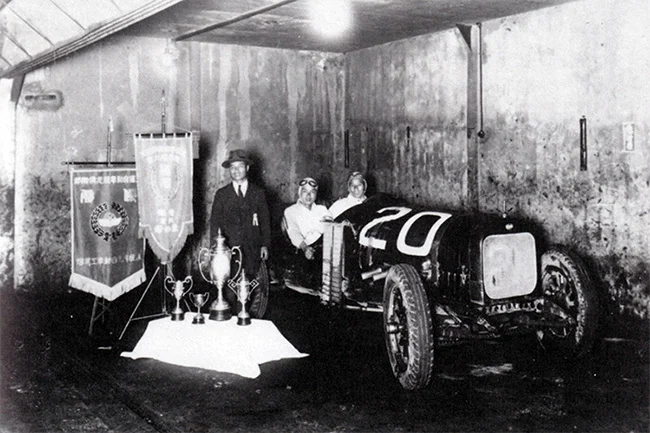
Honda started building and racing cars, including one fitted with an old airplane engine, it was a pretty wild way to get into motorsport, but it gave him a taste for creating machines rather than simply repairing them.
Then came his first major business idea.
Honda began making piston rings and tried to get Toyota to buy them, but Toyota wasn’t impressed with his first attempt and rejected the parts because they weren’t up to the required standard.
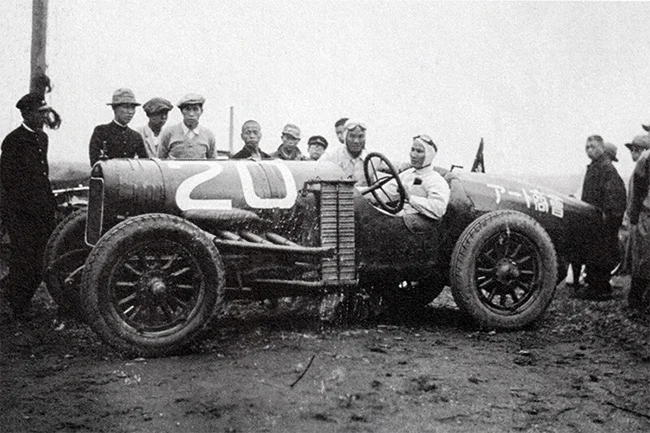
For most people, that might have been the moment to abandon the idea, but Honda apparently didn’t get the memo.
He went back to studying, experimented with different ways of making the parts and eventually improved them enough to win Toyota’s business.
His company grew rapidly, but then World War II brought another huge setback: one of his factories was destroyed by bombing, while another was badly damaged by an earthquake.
Honda sold what was left of the business to Toyota and, rather than retiring from manufacturing altogether, decided to start again, but this time, he had motorcycles in mind.
Related
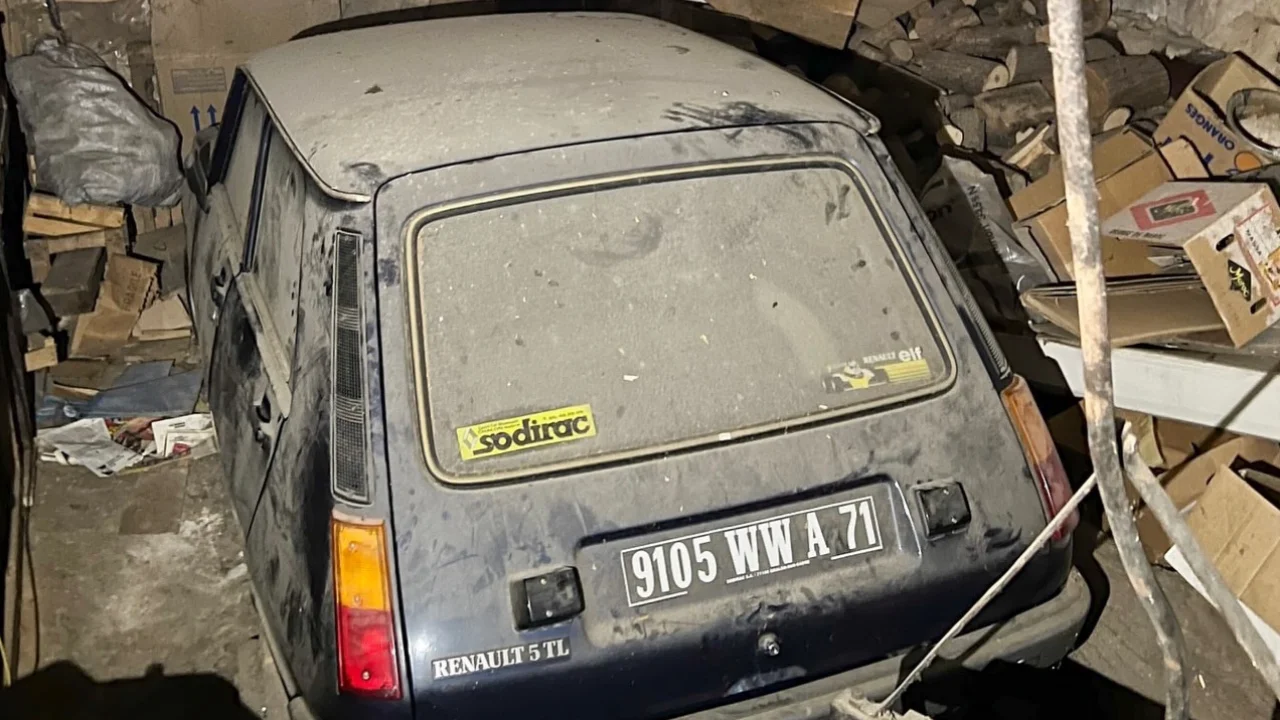
Starting Honda turned one rejection into a global giant
Post-war Japan wasn’t exactly the easiest place to launch a new vehicle company.
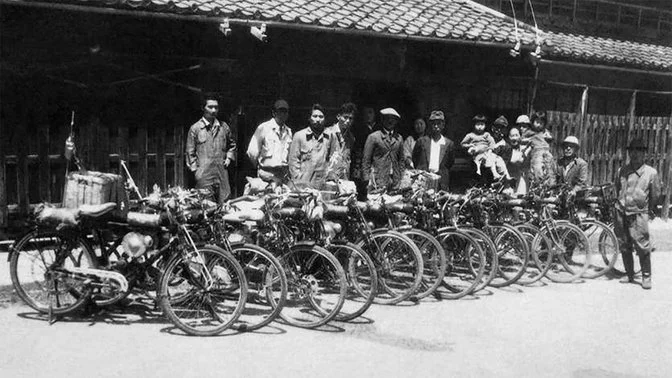
Fuel was expensive and difficult to get, while many people simply needed an affordable way to get around and Honda spotted an opportunity in bicycles.
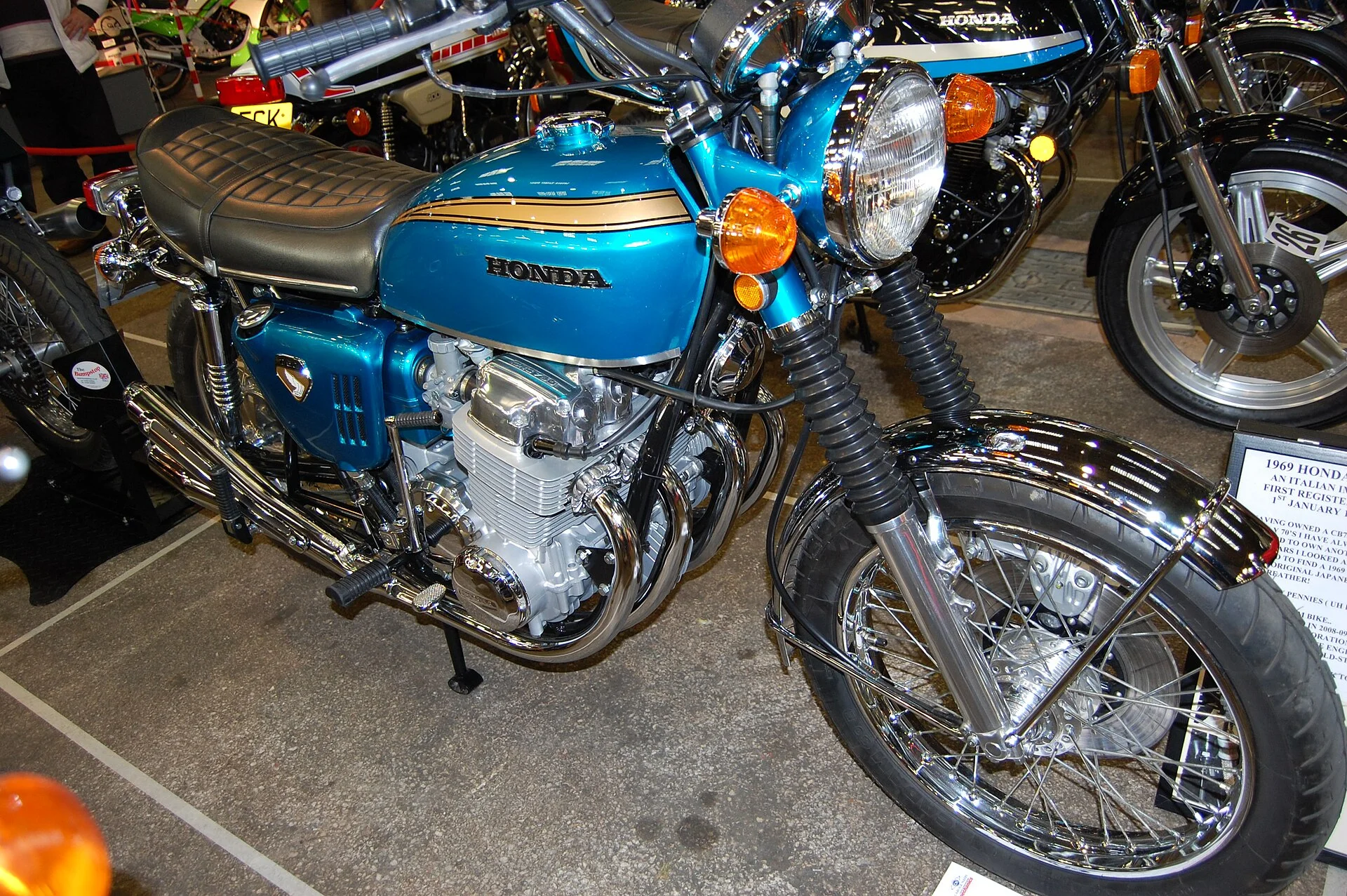
He began attaching small surplus engines to bicycles, giving people a cheap way to get some extra power without needing a full-size car and it proved popular enough that Honda soon moved on to designing its own motorcycles.
The Honda Technical Research Institute was established in 1946, Honda Motor Company followed in 1948 and the company’s first proper motorcycle arrived the following year.
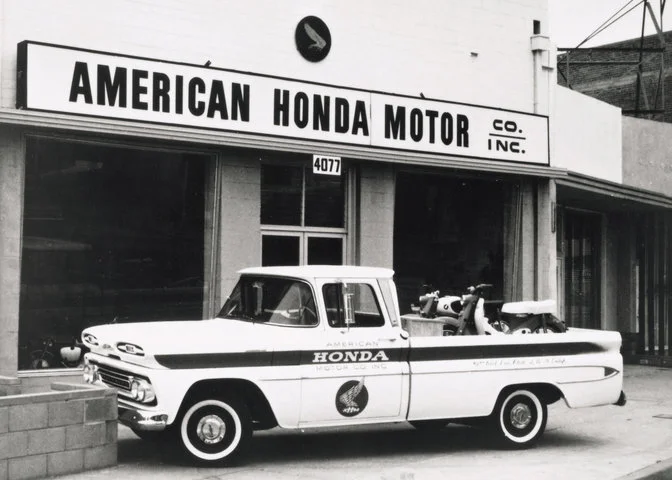
Honda’s motorcycles quickly became a big deal, and the company wasn’t afraid to prove what they could do.
It entered motorcycle racing and eventually made a name for itself internationally, including at the famous Isle of Man TT.
Then Honda decided it wanted to build cars, too.
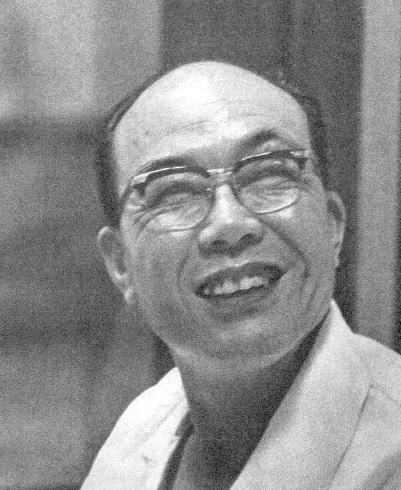
That move turned the company from a motorcycle manufacturer into the automotive giant we know today.
The Civic arrived in the 1970s and became one of Honda’s biggest success stories, while the company continued expanding around the world.
Honda’s rise is particularly satisfying because of how many times things went wrong before it happened.
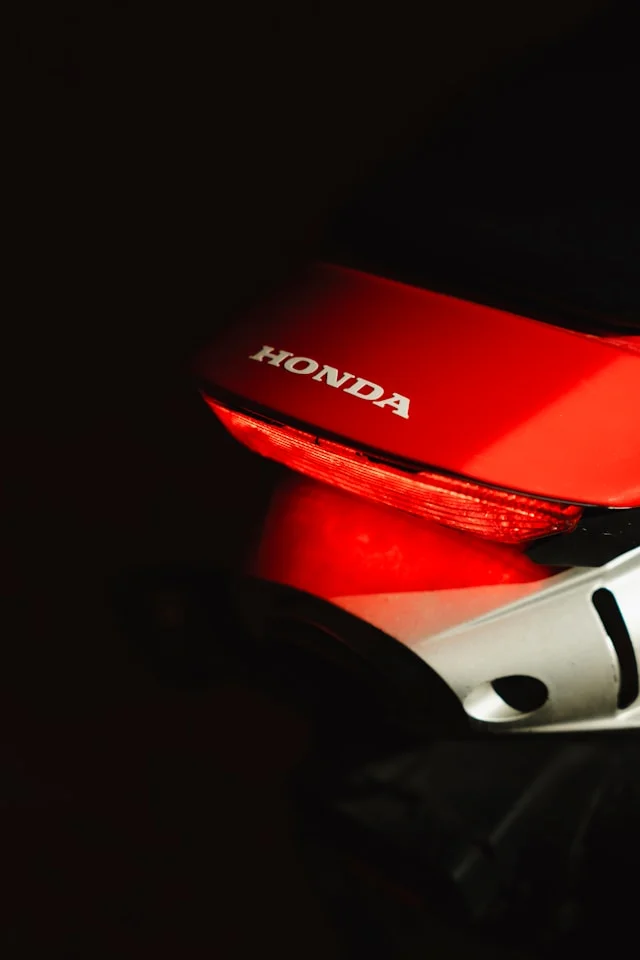
The company founder had been rejected by Toyota, lost factories to war and natural disasters and had already watched one business disappear, but Honda kept going.
And considering Honda is now famous for everything from motorcycles to sports cars, that first rejection clearly wasn’t going to stop Soichiro Honda from getting where he wanted to go.
Daisy is a technology and automotive journalist covering artificial intelligence, consumer tech, Apple news, cryptocurrency, emerging technologies, and transportation innovation. Since joining the team in 2025, she has reported on everything from AI-powered startups and major iOS updates to viral car stories and the latest developments shaping transportation and the digital economy. Drawing on her background in automotive journalism and a degree in History and Journalism from Goldsmiths, University of London, Daisy specializes in breaking down complex topics into clear, engaging reporting for a global audience. Her work spans cutting-edge technology, innovative vehicles, and the people driving change across both industries. Daisy has gained first-hand access to some of the world's most talked-about technologies and innovators, including meeting Tesla's Optimus humanoid robot during its first European appearance in London. She has also discussed the future of space exploration with an astronaut, bringing unique insights and real-world perspectives to her coverage of emerging technology.