None of the 5 South London stations closed ‘temporarily’ during WW1 have reopened after 112 years
Published on Apr 26, 2026 at 12:31 PM (UTC-4)
by Ben Thompson
Last updated on Apr 29, 2026 at 1:24 AM (UTC-4)
Edited by
Emma Matthews

Way back during WW1, these five South London stations closed for safety reasons, but they never opened up again.
A train enthusiast shared a map of these abandoned spots on Reddit, inviting comment from fellow users.
Noting that these locations occupied an ‘enormous station-free swathe’ of the capital city, he remarked it was ‘insane’ that they hadn’t reopened.
But why did these stations never see the light of day again?
When WW1 rocked London, these stations closed…never to open again
Most people with a passing knowledge of history will recall that the UK was hit by a vicious bombing campaign during the Second World War.

But what’s often forgotten is that Germany also conducted air raids during the First World War, between 1914 and 1918.
In the process, 668 Londoners were killed, and businesses around the capital were destroyed.
During this time, many stations were closed down.
There’s a variety of understandable reasons behind this decision, ranging from staff shortages to alternative wartime usage.
However, once WW1 ended, many of these stations opened up again – but a handful simply didn’t.
A post was shared to the London Underground subreddit lamenting that five South London stations had never reopened, despite the First World War ending more than a century ago.
These stations included Walworth Road, Camberwell, Spa Road, Southwark Park, and Old Kent Road & Hatcham.
It’s insane how None of the 5 South London stations closed ‘temporarily’ during WW1 have reopened 111 years & a century later – given the enormous station-free swathe of Zone 2 London it is
by u/AchyutChaudhary in LondonUnderground
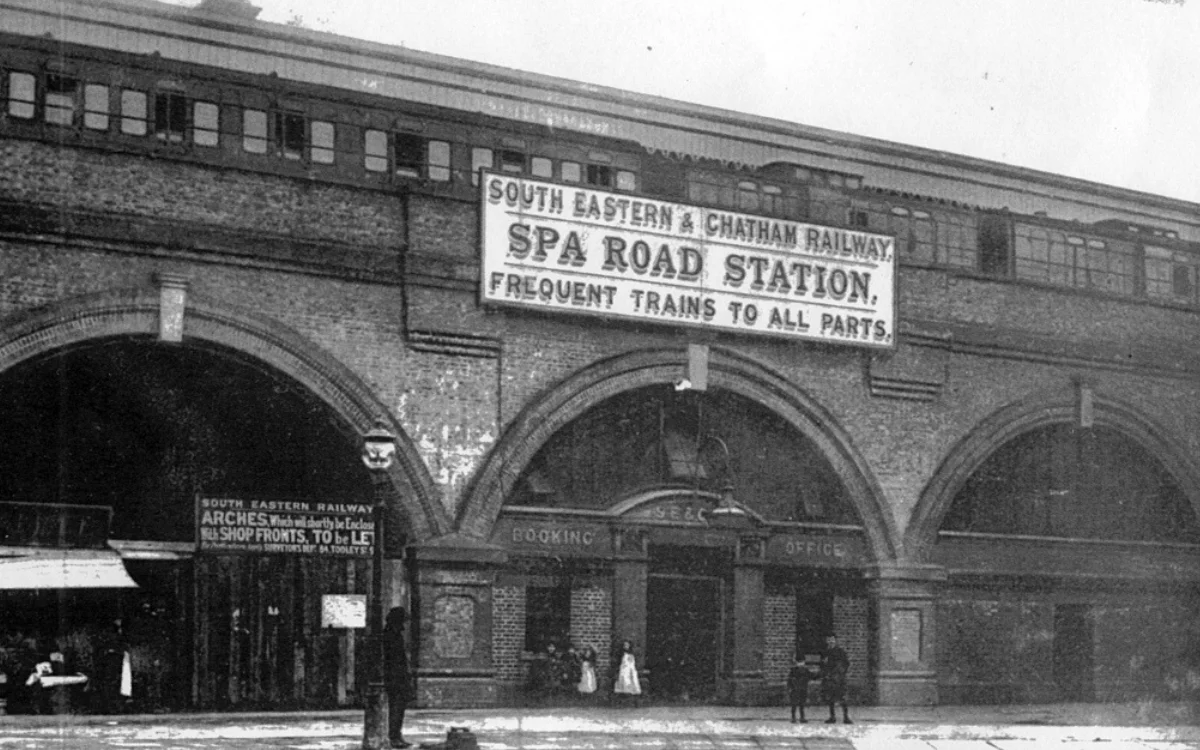
The first of the abandoned London stations – Spa Road (1836-915)
This railway station began life as the original terminus for London’s first railway, operating between 1836 and 1915.
It was closed as a cost-saving measure during the war – which was famously expensive.
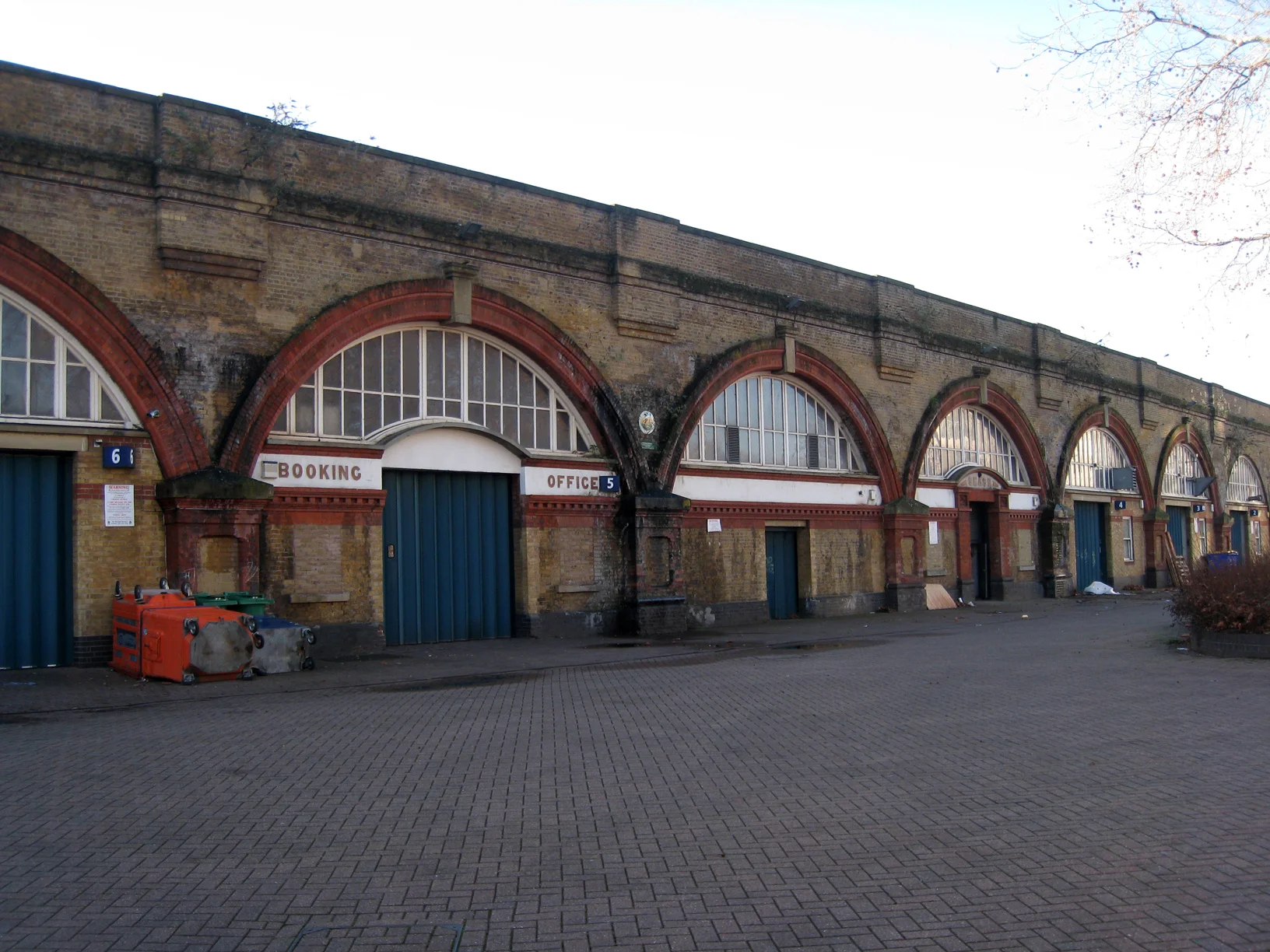
It never reopened, however, and what remains is an industrial estate.
Some elements of its original station use remain visible, but its life as a hub for commuters is a distant memory now.
Walworth Road (1863-1916)
That’s still a better story than what happened to Walworth Road station, which closed in 1916 and eventually ended up being demolished.
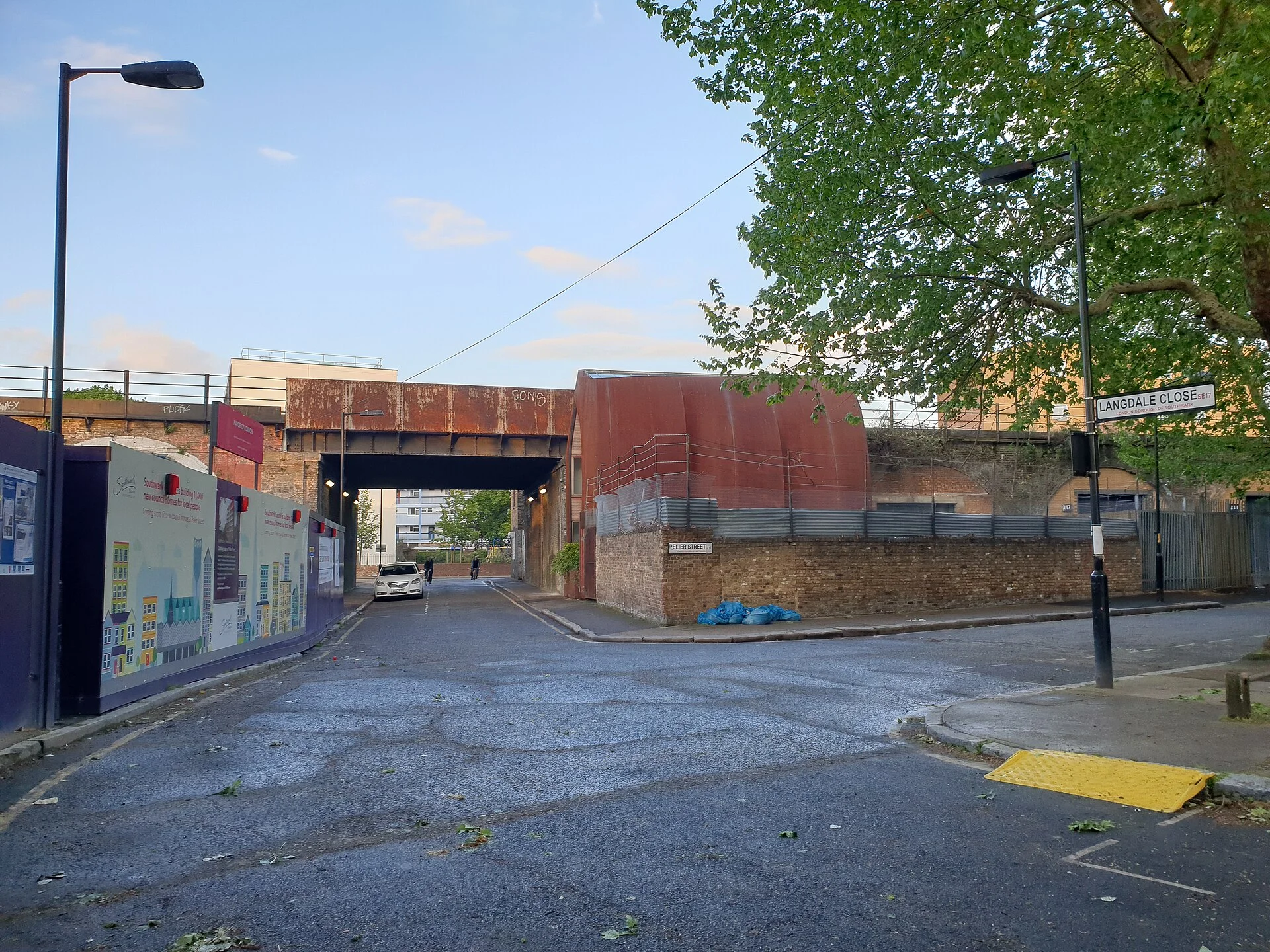
Despite plans being floated in the 1980s for it to be reopened as part of Thameslink, they never amounted to anything, and the station is non-existent nowadays.
Camberwell (1862-1916/1964)
Camberwell Railway Station lived on for longer after it was closed to passengers in 1916.
It wouldn’t be until 1964 that it would be closed to all traffic.
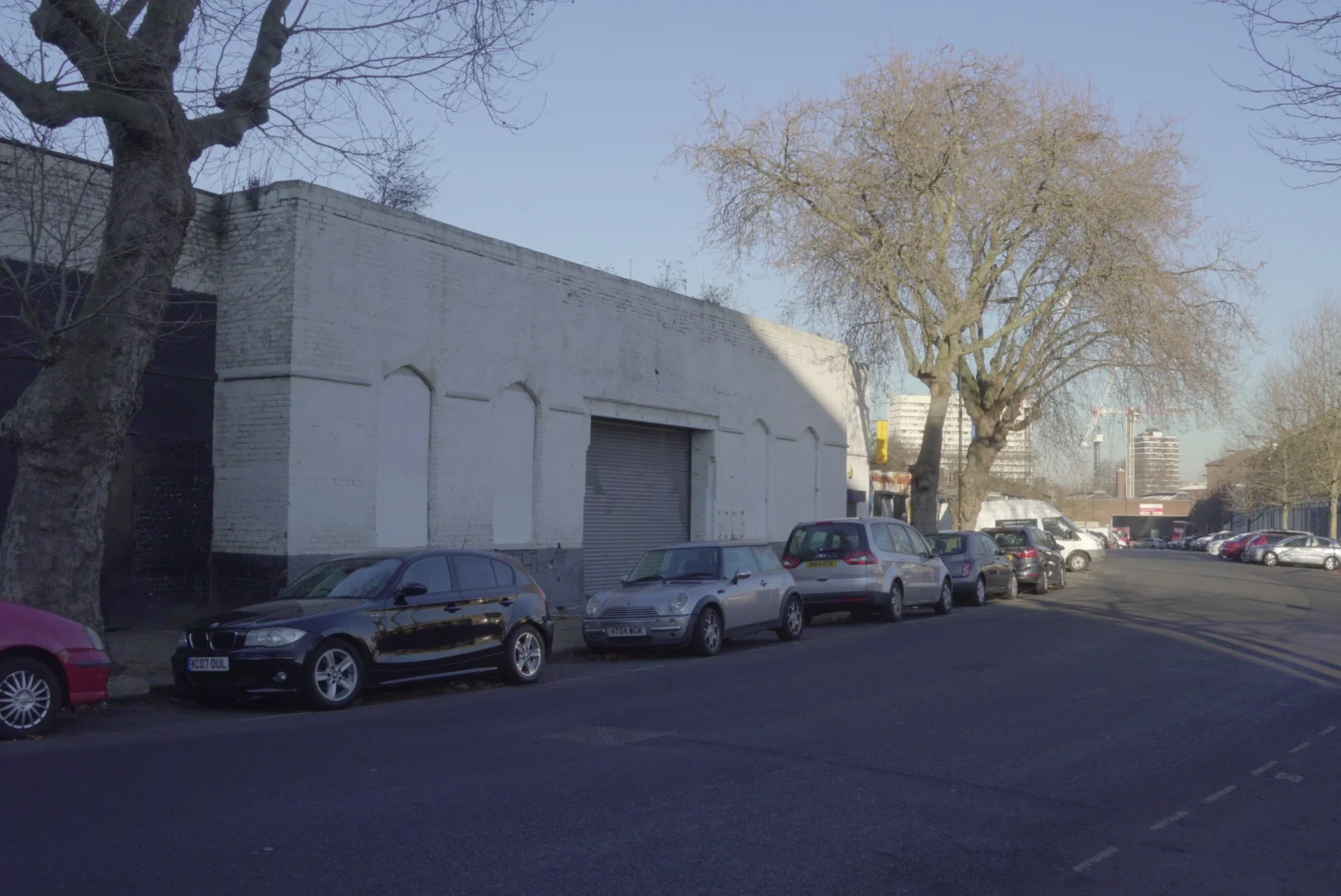
Much like Walworth Road, its reopening was considered in the 1980s.
In the decades since, the station’s reopening has been raised by industry figures and political parties, but nothing has ever materialized.
Regarding the proposed reopenings on Camberwell and Walworth, South Eastern and Chatham Railway Society suggested that there were reasons these stations haven’t been reopened.
“We believe there have been ideas for reopening Camberwell and Walworth Road on the City lines. However, on the lines feeding into and out of London Bridge, there are two cases that mitigate against any such proposals being considered,” a member of the society told Supercar Blondie.
“Firstly, such intermediate stations would severely curtail traffic capacity on those lines, and, secondly, as the lines run mostly on viaducts, any new stations would require platforms able to handle 12-car trains – extremely unlikely to be considered on such structures.”
Southwark Park (1902-1915/1925)
This station didn’t last very long at all, open for a mere 13 years before it was closed to passengers.
Admittedly, this one had struggled to attract much footfall as a nearby electric tram proved to be more popular with commuters.
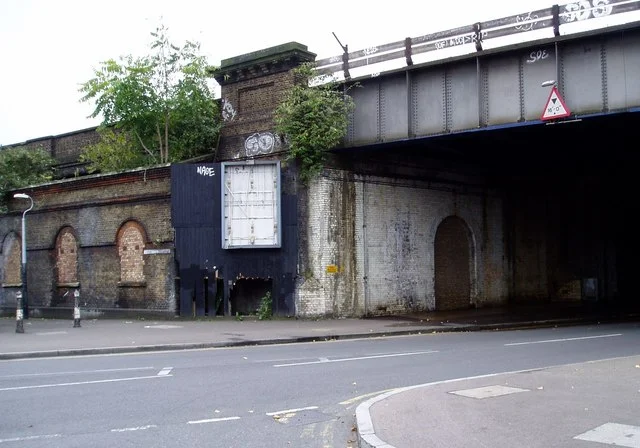
Railway staff continued to use the station for the next decade, until it was closed entirely in 1925.
And here’s a sentence you’ll be well acquainted with from this article – it was briefly considered for reopening in the 1980s.
The last of the deserted London stations – Old Kent Road & Hatcham (1866-1917)
Opened up in 1866, this station was another casualty of cost-cutting measures during World War One.
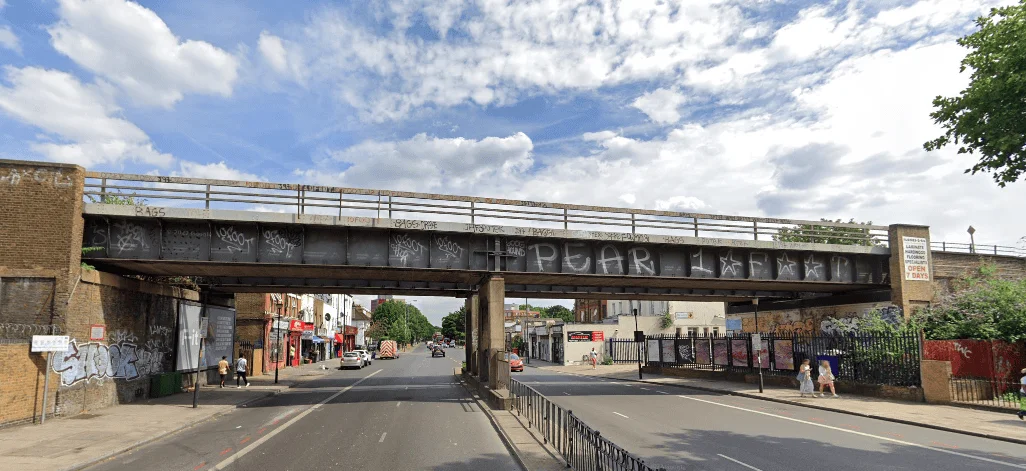
It didn’t see much activity for the century or so, besides a woman giving birth to twins outside the station in 2021, Southwark News reported.
As a concept, train stations have done well to remain relevant, despite all the technological advancements that we’ve seen over the past 200 years.
In fact, many train stations being built today are extremely impressive.
Take the $7.8 billion station being constructed in China, which will reportedly dwarf Grand Central in New York City by some considerable distance.
And then there’s the apartment block in China that has a railway running the whole way through it.
Ben joined Supercar Blondie in February 2025 after being published by international organizations including LADbible, The Sun, the New York Post, and the Daily Mail. He covers supercars, rare and collectible vehicles, aviation, luxury assets, and the fascinating people behind them. His reporting has explored everything from seven-figure supercars and historic Ferrari collections to unusual aircraft adventures and extraordinary automotive discoveries from around the world. Ben has also gained first-hand insight into vehicle craftsmanship and customization, including visiting specialist workshops to see bespoke vehicles up close.