New data reveals awkward truth about hybrids compared to ICE and EVs for pollution
Published on Aug 04, 2025 at 4:23 AM (UTC-4)
by Alessandro Renesis
Last updated on Aug 04, 2025 at 12:56 PM (UTC-4)
Edited by
Kate Bain
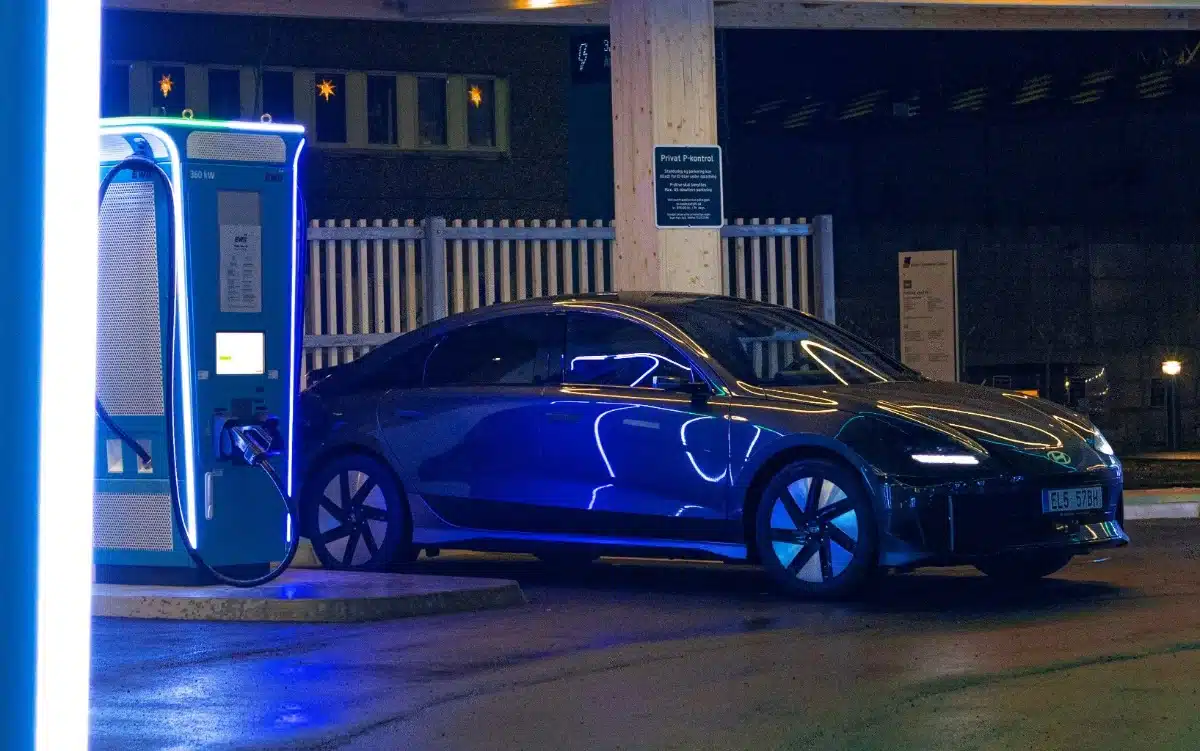

A new study has provided an interesting framework to determine whether internal combustion cars are actually worse for pollution than EVs.
The study analyzed data from gasoline and diesel cars, hybrids, and of course electric cars.
There’s one clear winner and one clear loser.
And the loser might surprise you.
DISCOVER SBX CARS: The global premium car auction platform powered by Supercar Blondie
The study confirmed what most people suspected about EVs
A new study published by the International Council on Clean Transportation (ICCT) analyzed pollution data from gasoline and diesel cars, hybrids, and EVs.
The new study took everything into consideration, from what comes out of the tailpipe to the overall lifecycle, including sourcing batteries.
According to the study, there’s one clear winner when it comes to polluting the least, and that’s the electric car.
While EVs are the cleanest, there are two ways in which they pollute more than internal combustion cars.
First, EVs are generally heavier, which means they emit more tire dust and the brakes deteriorate faster.
And second, the manufacturing and battery footprint is larger, about 8.0 tons of CO2 over 150,000 km upfront versus 5.5 for ICE cars.
However, you then get a zero-emission car, which offsets the extra pollution upfront.
As a result, you get about 17.5 tons with an EV in total, or 11.5 if you manage to charge on renewable electricity.
Related


There’s one clear loser, and it’s not what we thought
A hybrid is the second-cleanest option, even though it depends on whether it’s a mild hybrida or a plug-in hybrid.
Obviously, the example is a bit silly since we’re talking about emissions but the Ferrari LaFerrari is technically a mild hybrid, which means both the electric unit and the internal combustion engine are always on.
This type of hybrid (not in the case of the LaFerrari, of course) produces about 26.7 tons on average.
Plug-in hybrids do a bit better, with an average 20 tons of CO2 over 150,000 kilometers.
For reference, a plug-in hybrid is a car that runs on gasoline and electricity 90 percent of the time but can also run (generally very briefly) on electric power alone.
Then we’ve got diesel cars, and they do even worse at 33 tons.
Interestingly, diesel cars are apparently still cleaner that gasoline cars (35.5 metric tons over 150,000KM), but that’s just because they have better fuel economy.
So, there you have it. According to this study, gas cars come in last place.
Alessandro is an automotive journalist with 10 years of experience covering supercars, automotive history, emerging vehicle technology, and luxury transportation. He wrote the first article published on SupercarBlondie.com when the website launched in 2022 and has since built a reputation for insightful reporting across the automotive and transportation industries. His expertise is grounded in hands-on experience. Alessandro has driven every Tesla model ever produced, from the original Roadster to the Cybertruck, and regularly covers the latest developments in electric vehicles and automotive innovation. His passion for transportation extends beyond cars, he has even flown a Boeing 787 Dreamliner simulator in Addis Ababa, Ethiopia. His reporting spans everything from classic American muscle cars and rare automotive discoveries to luxury yachts, private aircraft, high-end watches, and cutting-edge vehicle technology. Known for his deep knowledge of automotive history and ability to uncover the stories behind iconic vehicles, Alessandro brings readers a blend of historical context, technical expertise, and first-hand experience.