People are saying Switzerland 'is living in 2050' after finding out how the country repairs highways without stopping traffic
Published on Aug 08, 2026 at 4:30 PM (UTC-4)
by Daisy Edwards
Last updated on Aug 08, 2026 at 4:30 PM (UTC-4)
Edited by
Alessandro Renesis
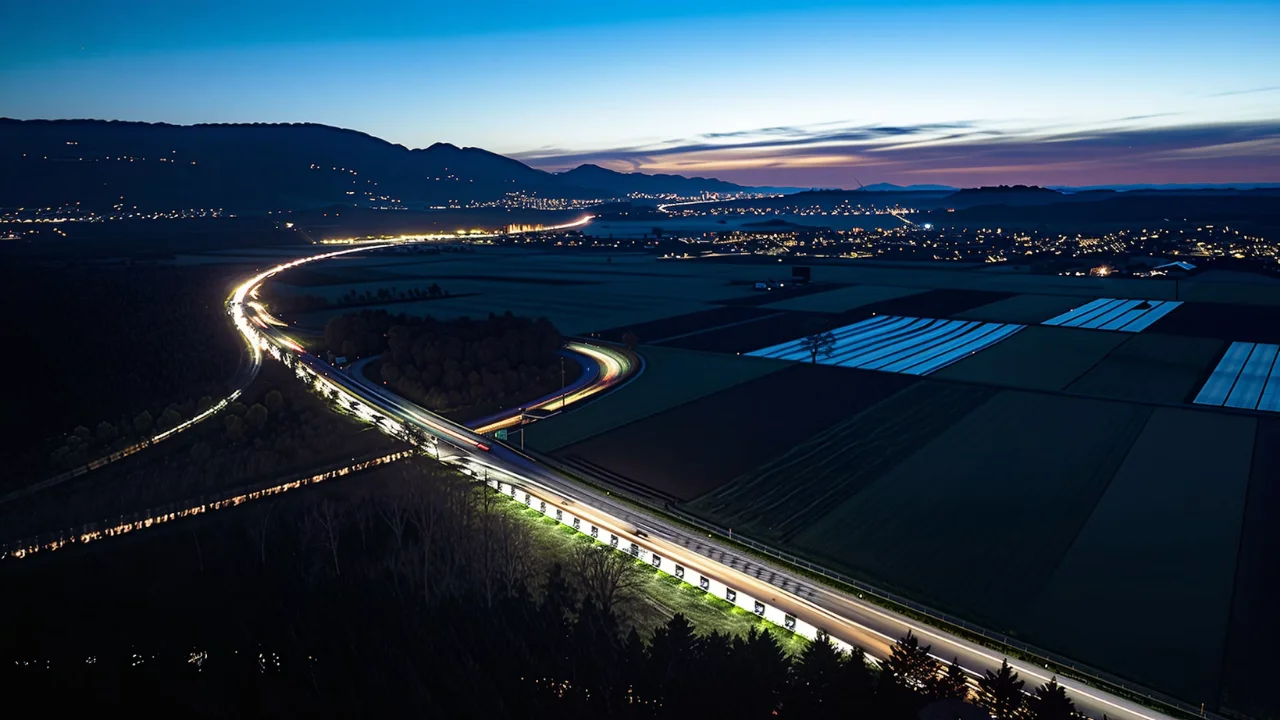

Switzerland has come up with a seriously clever way to repair its highways while keeping traffic moving, and the bizarre solution looks like something from the future.
The country has developed a giant mobile bridge that lets cars drive over road workers while repairs are carried out underneath.
The bizarre-looking system is called the ASTRA Bridge, and it could make the nightmare of getting stuck behind road construction a thing of the past.
Even better, the futuristic setup is already being used on Swiss highways.
Switzerland has a futuristic bridge that lets traffic drive over road work
The ASTRA Bridge was developed by Switzerland’s Federal Roads Office as a way to carry out highway maintenance without having to completely shut down lanes or divert cars from the road.
Instead of forcing drivers to drive through a huge construction zone, the mobile structure creates a temporary elevated road above the work area.
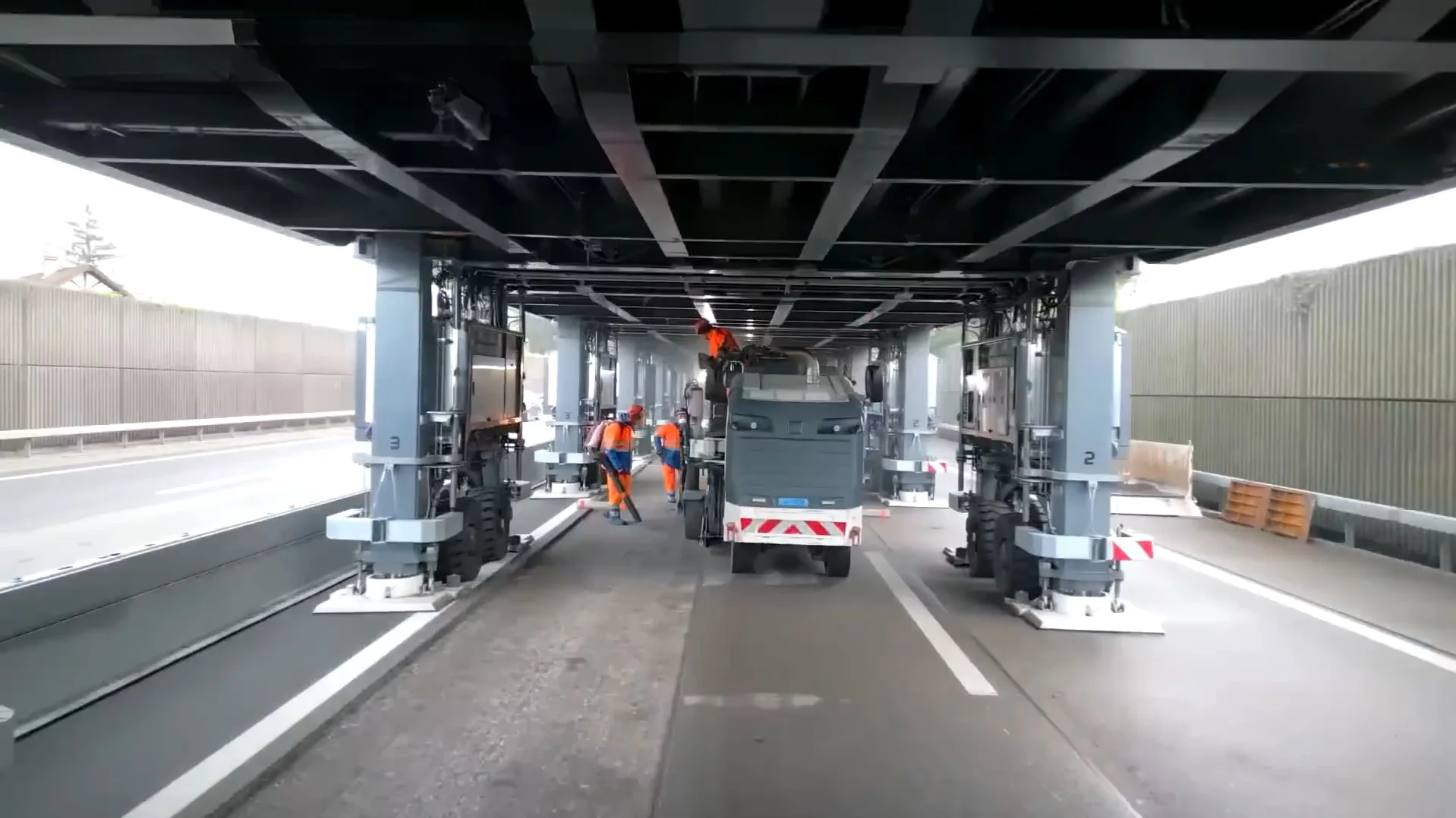
Traffic can continue traveling across the bridge while workers repair the actual highway underneath; it is a really smart traffic solution.
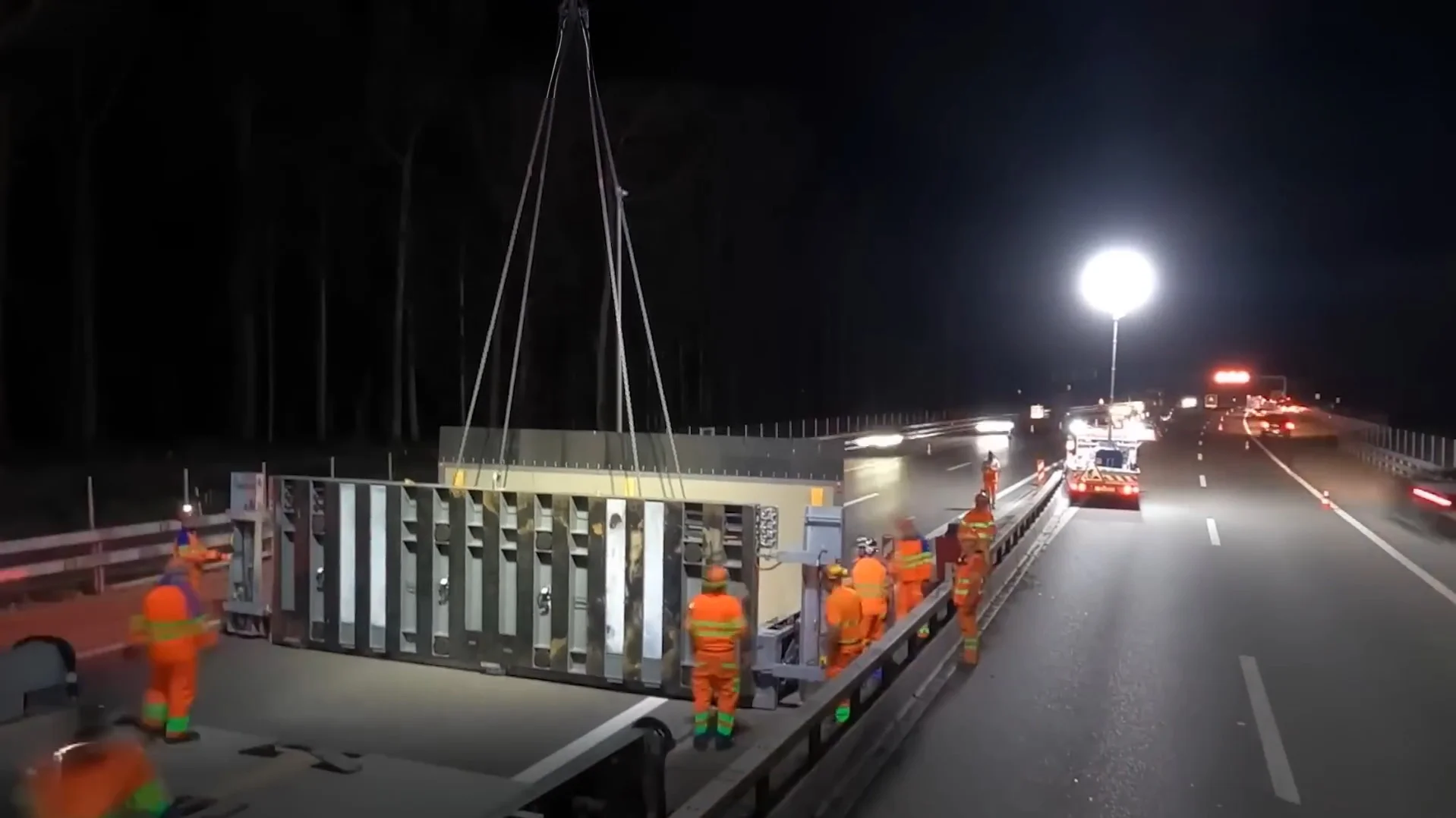
The system means road crews can carry out work during the daytime instead of relying heavily on overnight closures, while drivers can continue along the highway.
It also makes the work area much shorter than a conventional road construction zone.
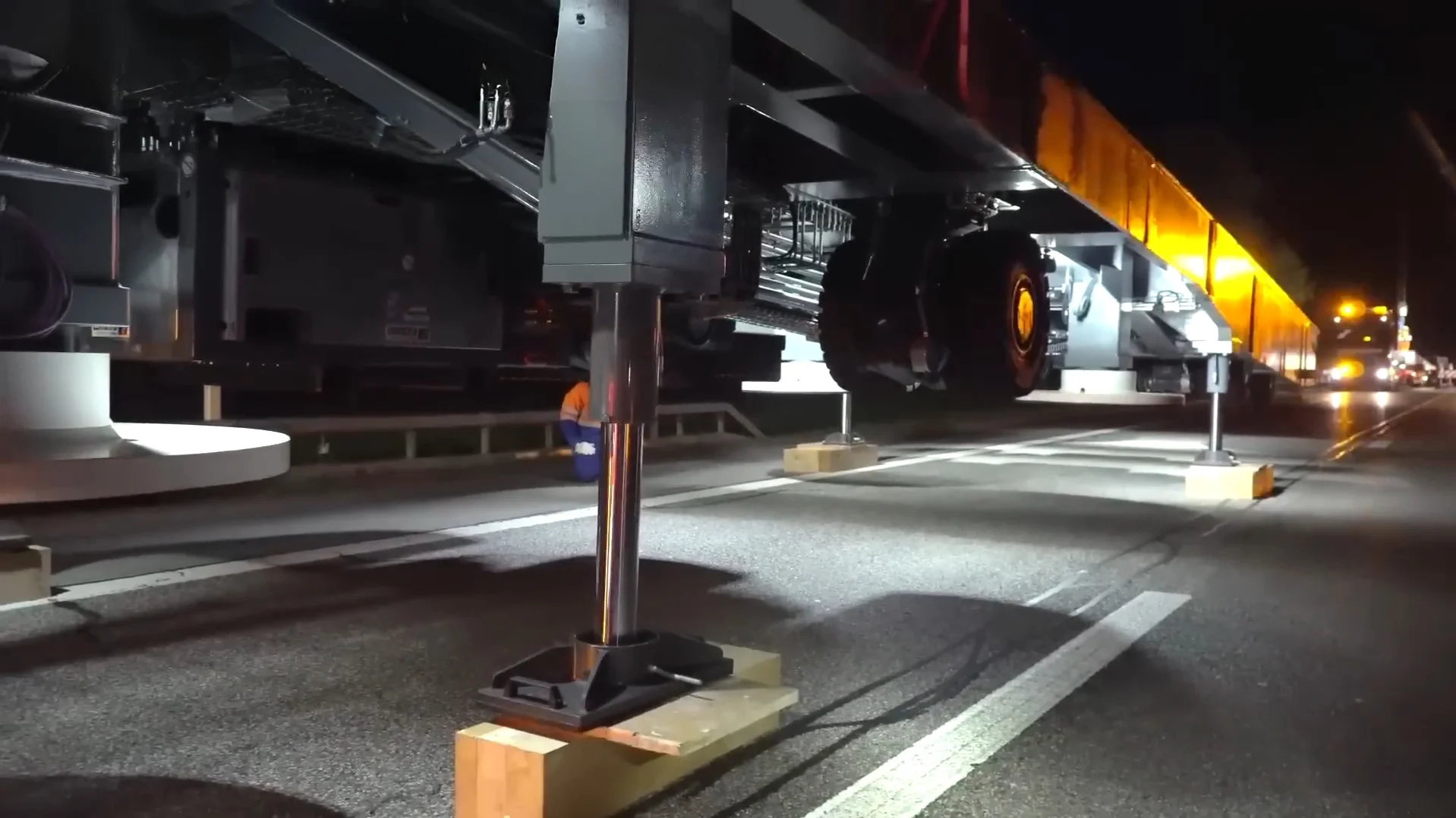
That is a pretty big deal on a busy highway, where even a small reduction in lanes can quickly turn into miles of traffic.
The ASTRA Bridge was first tested on the A1 between Recherswil and Luterbach in 2022, before a significantly improved version returned to the same bit of road in 2024 and it did really well.
During its 2024 season, around 4.5 million vehicles crossed the mobile bridge, including roughly 500,000 trucks.
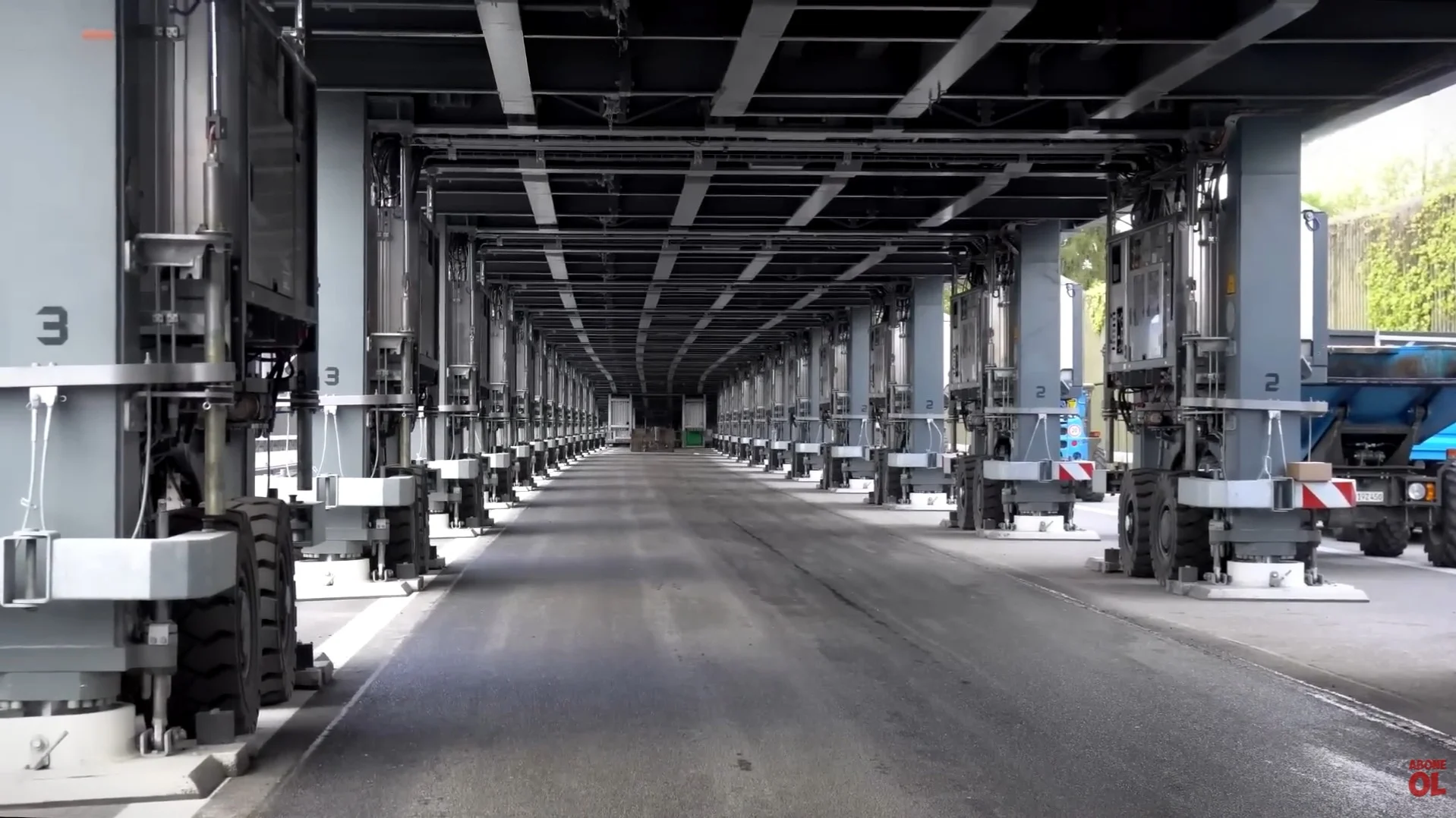
According to the Swiss Federal Roads Office, traffic flow was barely affected.
The construction zone was also reduced from around 6 kilometers with conventional traffic management to just 1.5 kilometers using the bridge, meaning drivers only had to slow down briefly.
Related

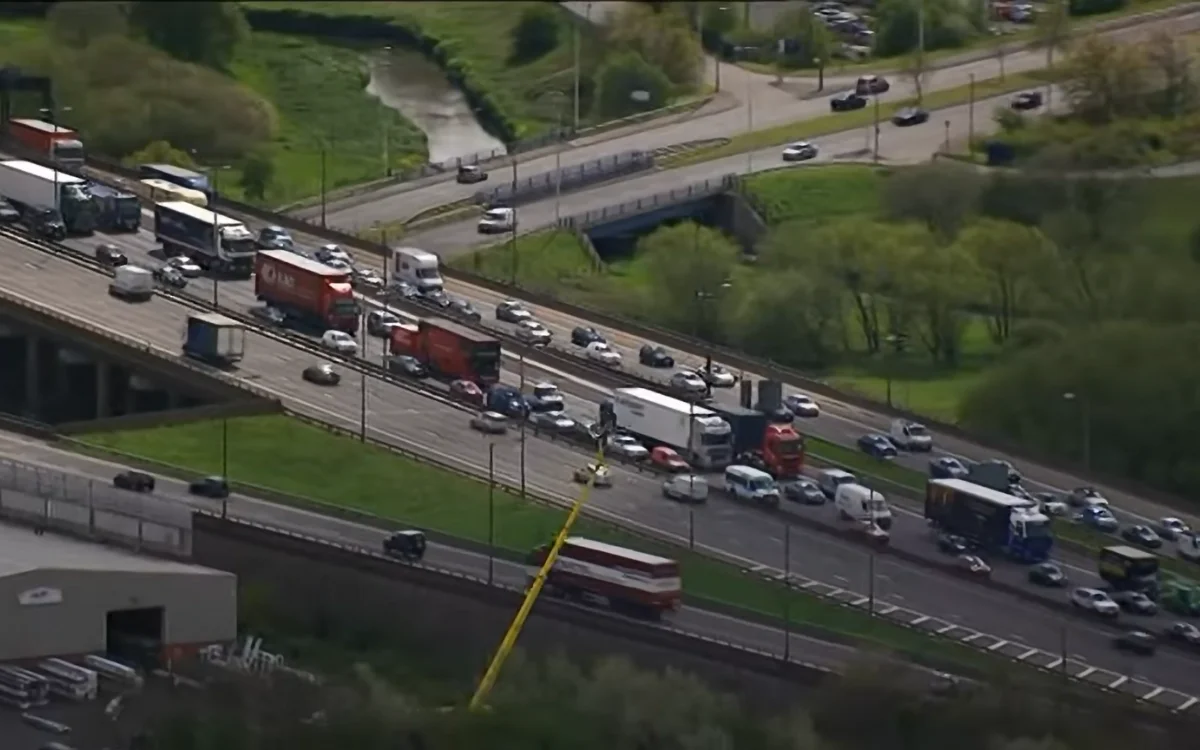
The ASTRA Bridge is back on Swiss highways in 2026
Switzerland clearly wasn’t ready to leave the giant moving bridge in the past.
The latest version is being used on the A2 between Arisdorf and Giebenach in 2026, where it is helping crews replace more than five kilometers of road surface.
This time, the bridge is working its way along the highway in around 50 stages.
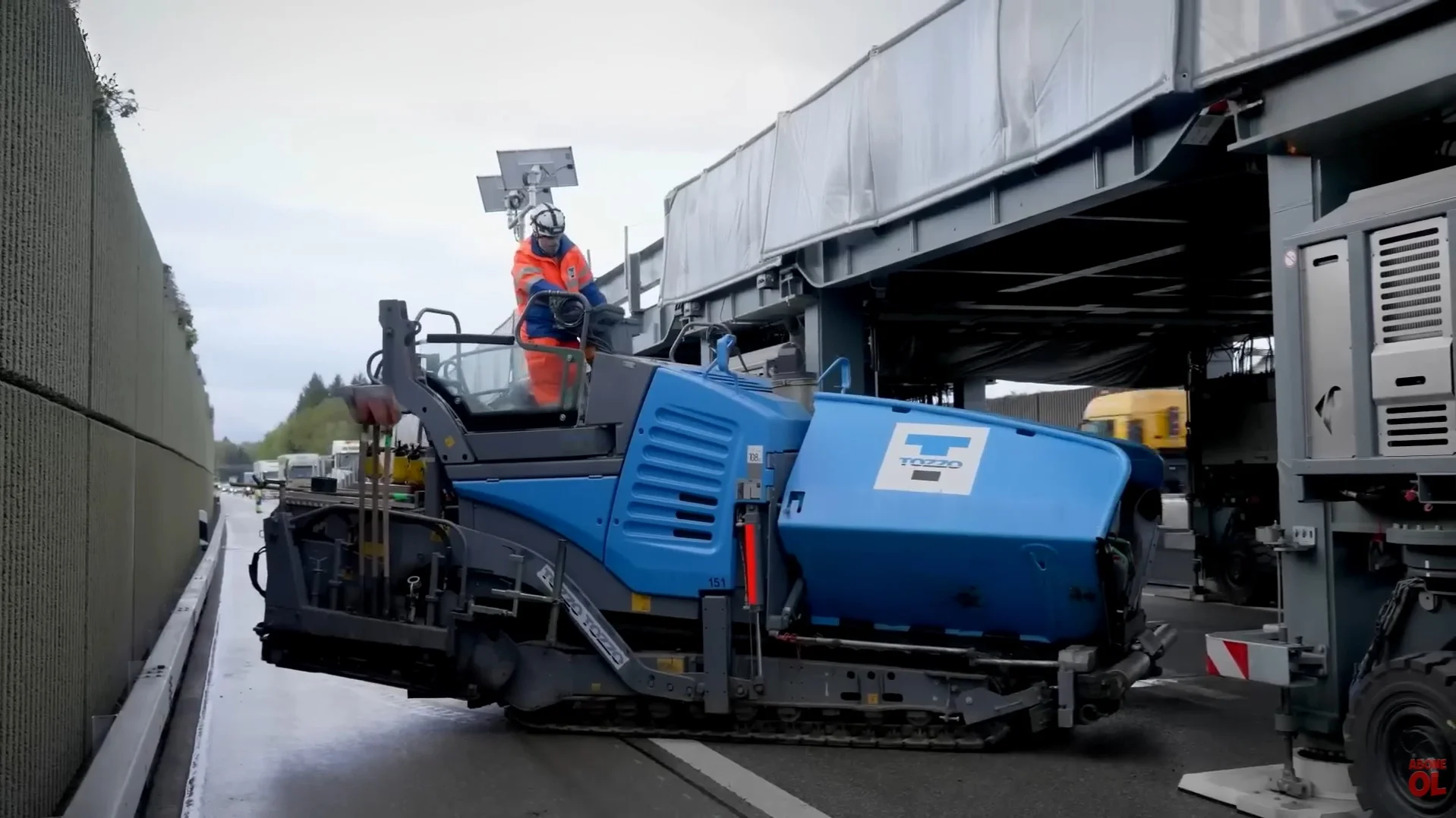
While workers repair the road underneath, traffic continues over the top at around 60 km/h.
The latest version has also received some upgrades, including a new GPS system designed to control its 180 wheels more precisely.
There is a practical reason for all of this, too.
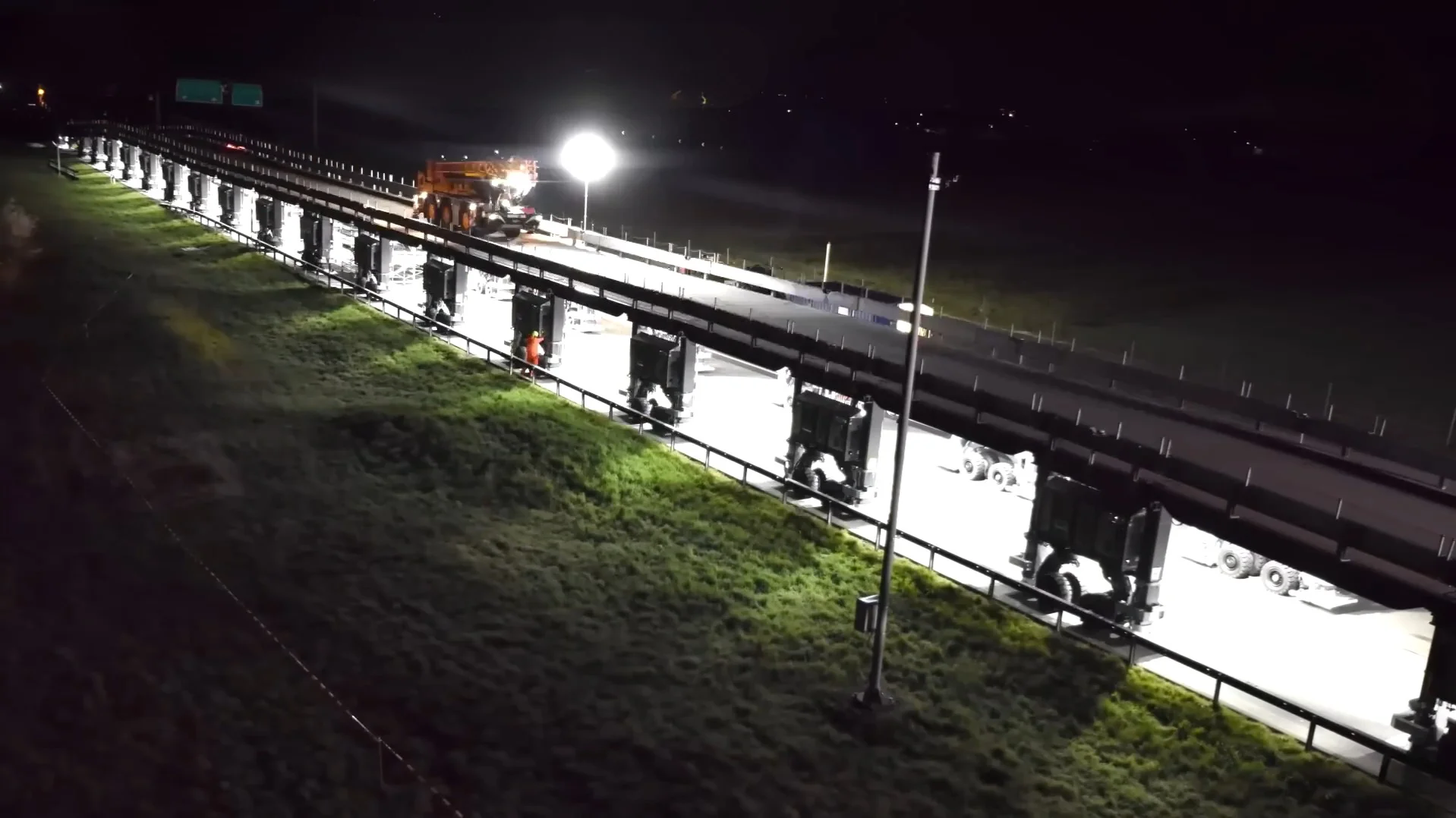
Separating workers from moving traffic makes the construction site safer, while allowing noisy jobs such as milling and resurfacing to take place during the day.
That means fewer disruptive construction crews working through the night for people living nearby.
The technology has already attracted plenty of attention online, with commenters joking that Switzerland must be living in 2050 after seeing the bridge in action.
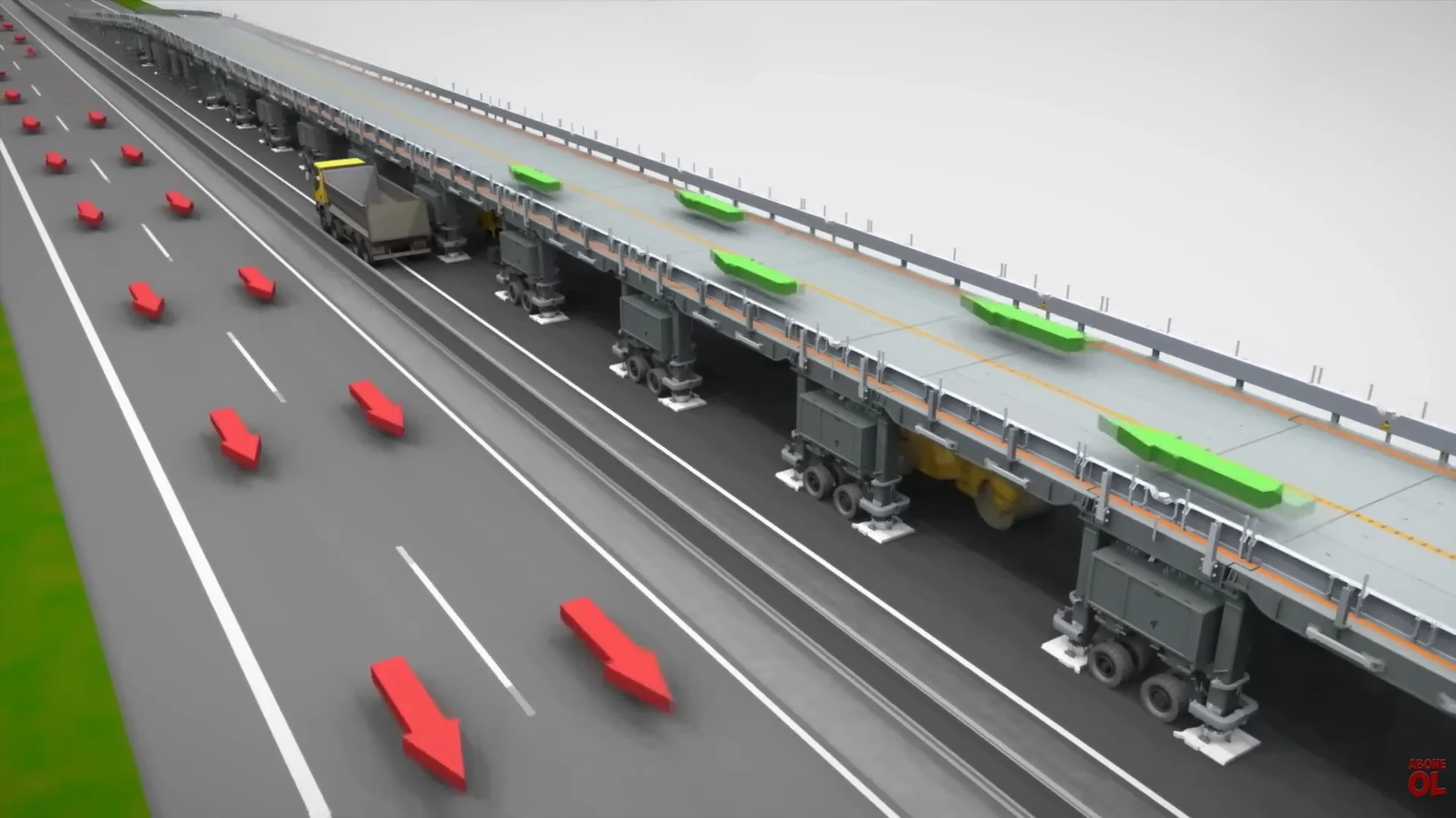
It is easy to see why.
The ASTRA Bridge doesn’t make road construction disappear, but it does allow the road to be repaired while the road is still being used.
That could be the future of highway maintenance, one giant moving bridge at a time.
Daisy is a technology and automotive journalist covering artificial intelligence, consumer tech, Apple news, cryptocurrency, emerging technologies, and transportation innovation. Since joining the team in 2025, she has reported on everything from AI-powered startups and major iOS updates to viral car stories and the latest developments shaping transportation and the digital economy. Drawing on her background in automotive journalism and a degree in History and Journalism from Goldsmiths, University of London, Daisy specializes in breaking down complex topics into clear, engaging reporting for a global audience. Her work spans cutting-edge technology, innovative vehicles, and the people driving change across both industries. Daisy has gained first-hand access to some of the world's most talked-about technologies and innovators, including meeting Tesla's Optimus humanoid robot during its first European appearance in London. She has also discussed the future of space exploration with an astronaut, bringing unique insights and real-world perspectives to her coverage of emerging technology.