If you're a US driver and meet these conditions you'll be able to get a tax break on car payments
Published on Mar 24, 2026 at 1:44 PM (UTC+4)
by Callum Tokody
Last updated on Mar 24, 2026 at 6:48 PM (UTC+4)
Edited by
Emma Matthews

Your next new car could finally lower your annual IRS bill through a federal tax break targeting your monthly car payments for a US-assembled vehicle.
Under the One Big Beautiful Bill Act, the government allows drivers to deduct the interest paid on auto loans originated after December 31, 2024.
This change applies to vehicles used for personal travel and is open to taxpayers regardless of whether they itemize their deductions.
While the potential for savings is high, several specific manufacturing and income rules determine who actually gets to keep that extra cash.
Enter our competition to win a stunning 2006 Ford GT or $400,000 cash!
Snagging your new interest tax break
The IRS limits this tax break based strictly on where a vehicle is built.
To qualify for the deduction, a new car must be US-assembled, which means the final manufacturing stage happened at a plant within the United States.
Drivers can confirm this by looking at the Vehicle Identification Number (VIN) located on the dashboard.
A VIN beginning with 1, 4, or 5 typically indicates the car is US-assembled and eligible.
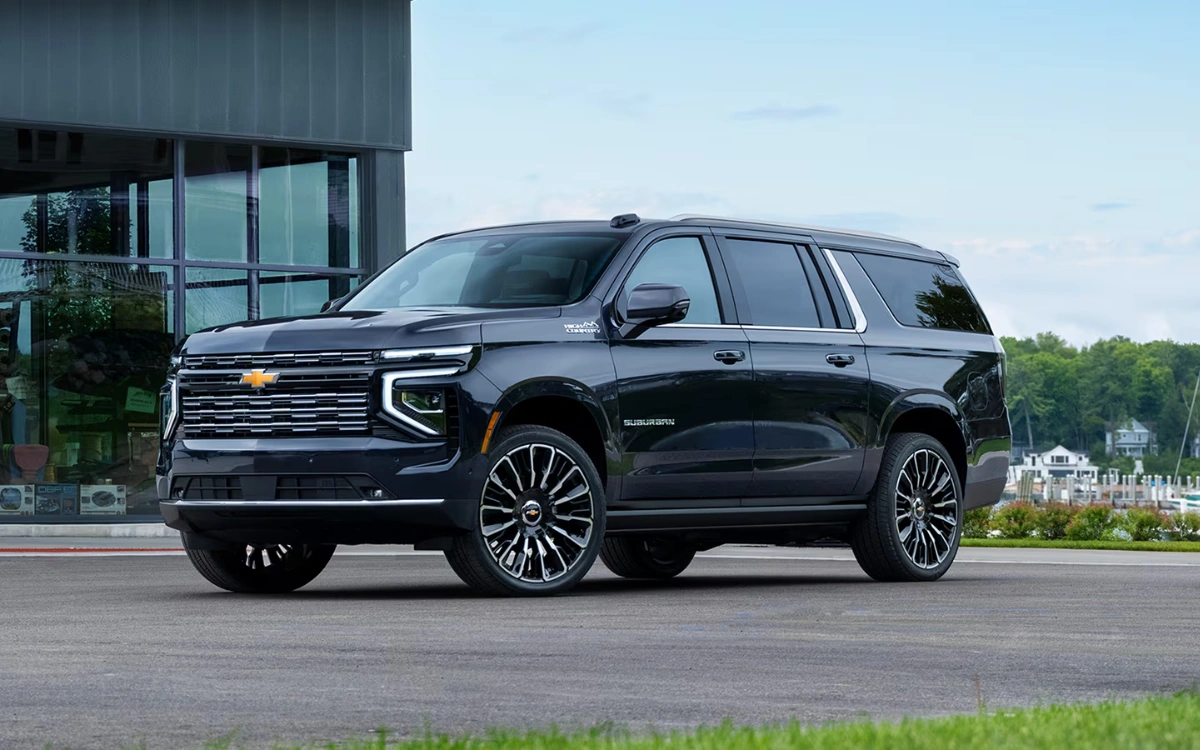
This specific deduction on car payments does not apply to used vehicles or leased cars.
Additionally, the vehicle must have a gross weight rating under 14,000lbs to remain in the qualifying category for this year.
Income levels also play a decisive role in who can claim the full benefit for their car payments.
Single filers with a modified adjusted gross income below $100,000 receive the full tax break, but the credit vanishes for those earning up to $150,000.
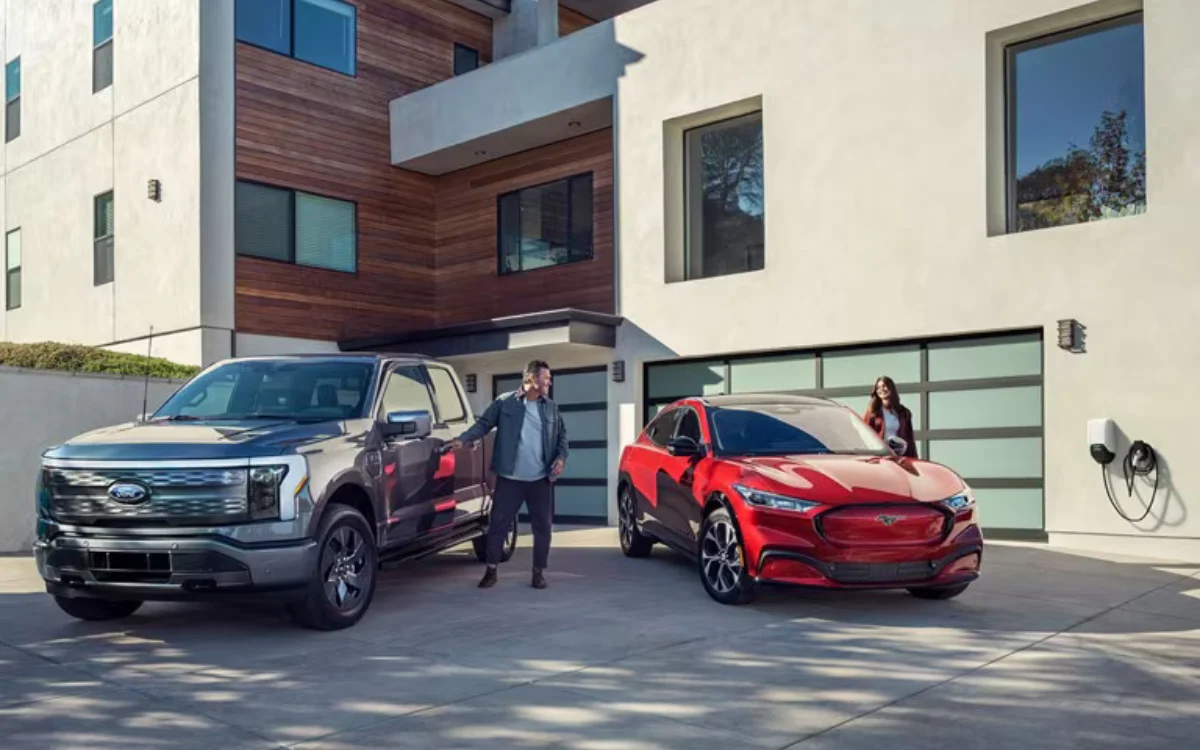
For married couples filing jointly, the phase-out starts at $200,000 and ends at $250,000.
Because this is an above-the-line deduction, it lowers your taxable income even if you choose the standard deduction.
This structure makes the incentive accessible to a wide range of people purchasing a new car for daily use.
The future of US-assembled sales
This policy is already pushing more buyers toward any US-assembled model currently on the market.
Data suggests the ability to write off interest on car payments gives a financial advantage to brands with large American factories.
High interest rates remain a major hurdle for many shoppers, so this tax break functions as a way to lower the total cost of a loan over time.
The program stays in place through the 2028 tax year, giving buyers a significant window to plan their next purchase.

This legislative shift rewards domestic production through direct financial benefits for the public.
Current market trends show that shoppers check assembly locations as carefully as they check fuel economy or safety ratings.
By choosing a new car that fits these IRS guidelines, you could save thousands of dollars in interest over the life of your financing plan.
As the 2026 tax season continues, the influence of this tax break on the sales of US-assembled vehicles will be a major talking point for the industry.
The long-term success of the program may dictate whether similar consumer incentives appear for other domestic products in the future.
DISCOVER SBX CARS: The global premium car auction platform powered by Supercar Blondie