You should do this 10-second test with your phone before buying a brand new TV
Published on Apr 12, 2026 at 2:04 PM (UTC-4)
by Daisy Edwards
Last updated on Apr 13, 2026 at 12:10 PM (UTC-4)
Edited by
Emma Matthews
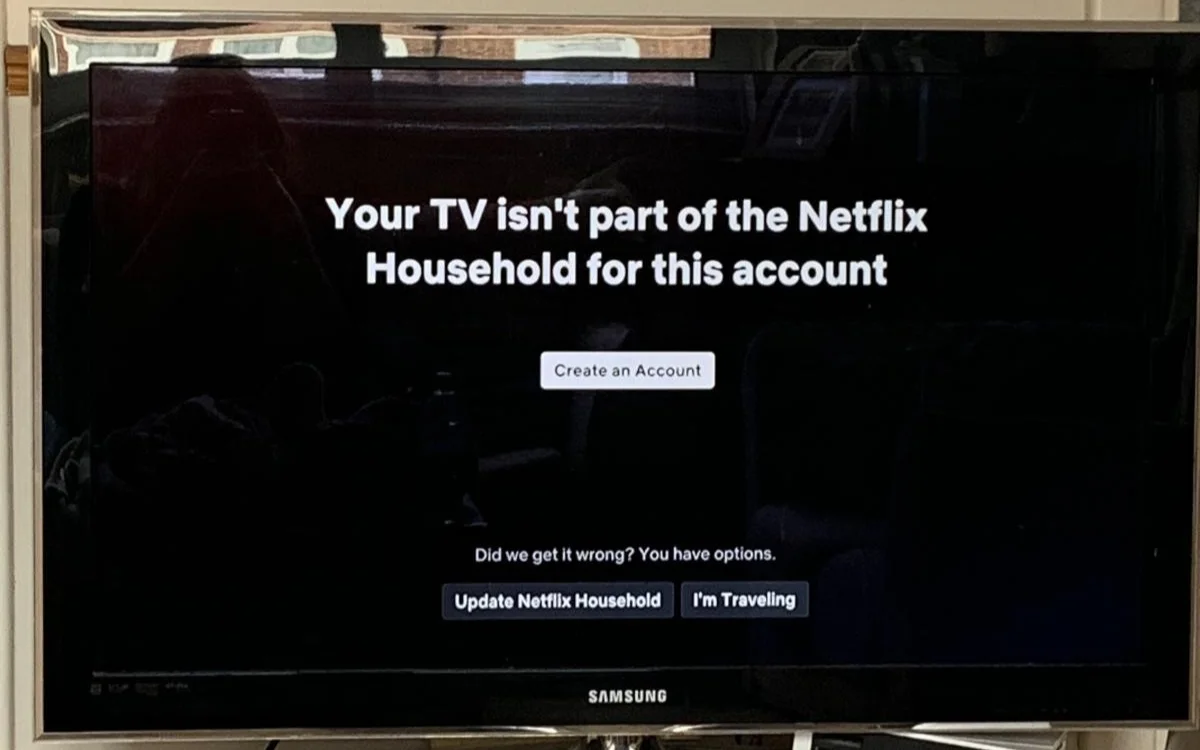

Sometimes, the excitement of buying a brand new TV is so overwhelming that you forget to check it out in situ, but this quick 10-second test with your phone might iron out some issues before you get it home.
The trick is brilliantly simple: point your phone’s flashlight at the TV screen while it is switched off or showing something very dark, then watch how the light bounces back at you.
If the reflection looks harsh, bright, and distracting, that TV could be a pain to watch in a bright living room with windows, lamps, or overhead lights.
It’s one of those tiny tests that takes seconds in the store but could make a huge difference once the TV is actually in your house.
Why this 10-second test with your phone before buying a brand new TV matters
A lot of shoppers get distracted by dazzling tech demo footage, ultra-vivid colors, and those huge price tags that make everything look premium.
But glare is the sneaky issue that often gets ignored until the TV is already in your house on the wall and suddenly every lamp, patio door, and sunny window is staring right back at you.
This quick phone flashlight check gives you a rough idea of how reflective the panel is, how well it handles direct light, and whether dark scenes are going to look cinematic or completely washed out.
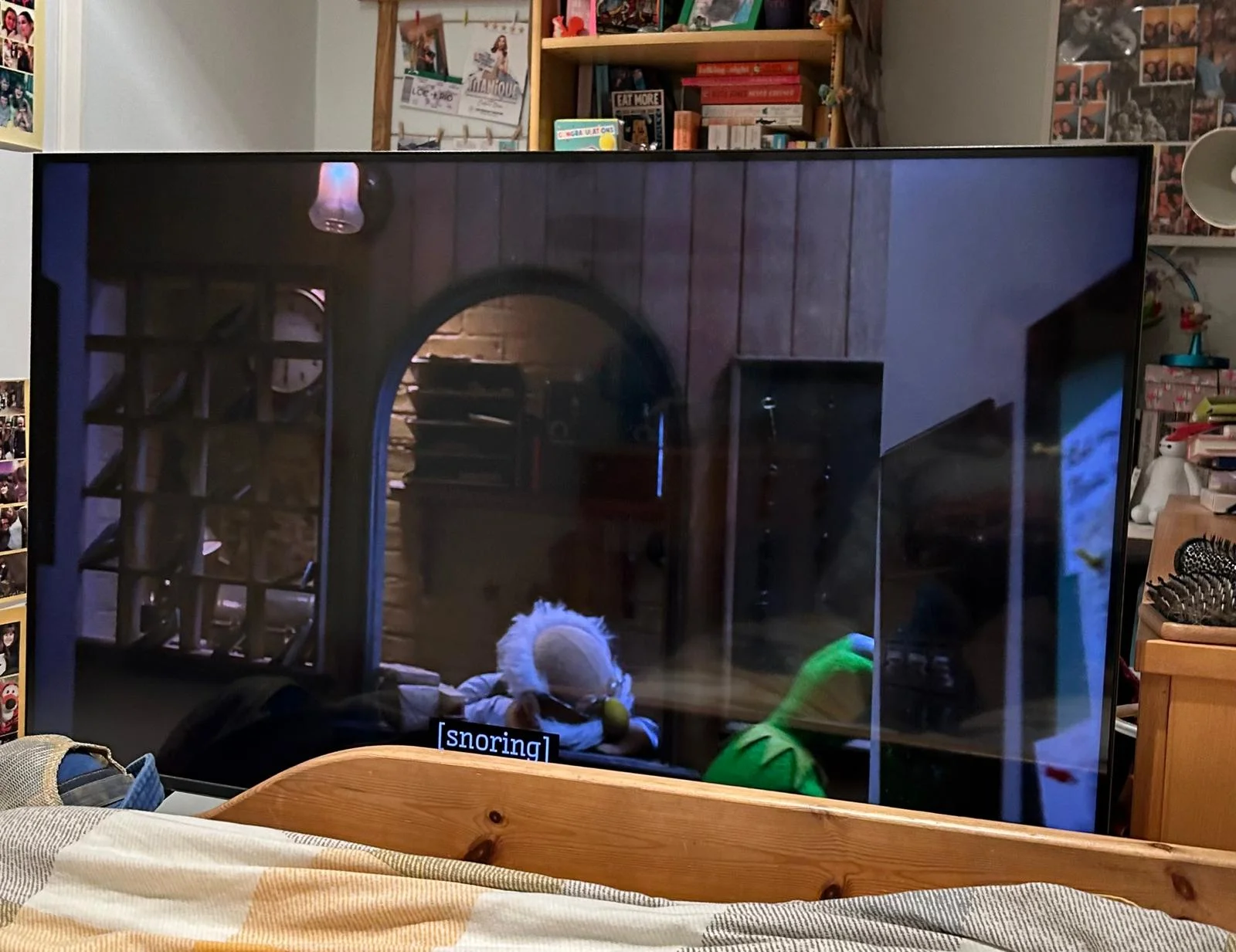
It also mimics real-life viewing conditions far better than anything you see on a showroom demo loop.
Stores are carefully lit to make TVs look their best, but your living room might have sunlight pouring in at awkward angles or lamps positioned right opposite the screen.
If the flashlight reflection looks sharp and mirror-like, chances are those same distractions will follow you home and ruin movie nights or gaming sessions.
It reveals the dark side of new tech purchases
The problem is that two TVs can sound almost identical on paper but behave very differently in a bright room.
Some screens are designed to diffuse glare, scattering light so reflections look softer and less distracting, while others focus on anti-reflective coatings that reduce the intensity of light bouncing straight back at you.
Both approaches can work well, but the only way to really see the difference is to test it yourself.
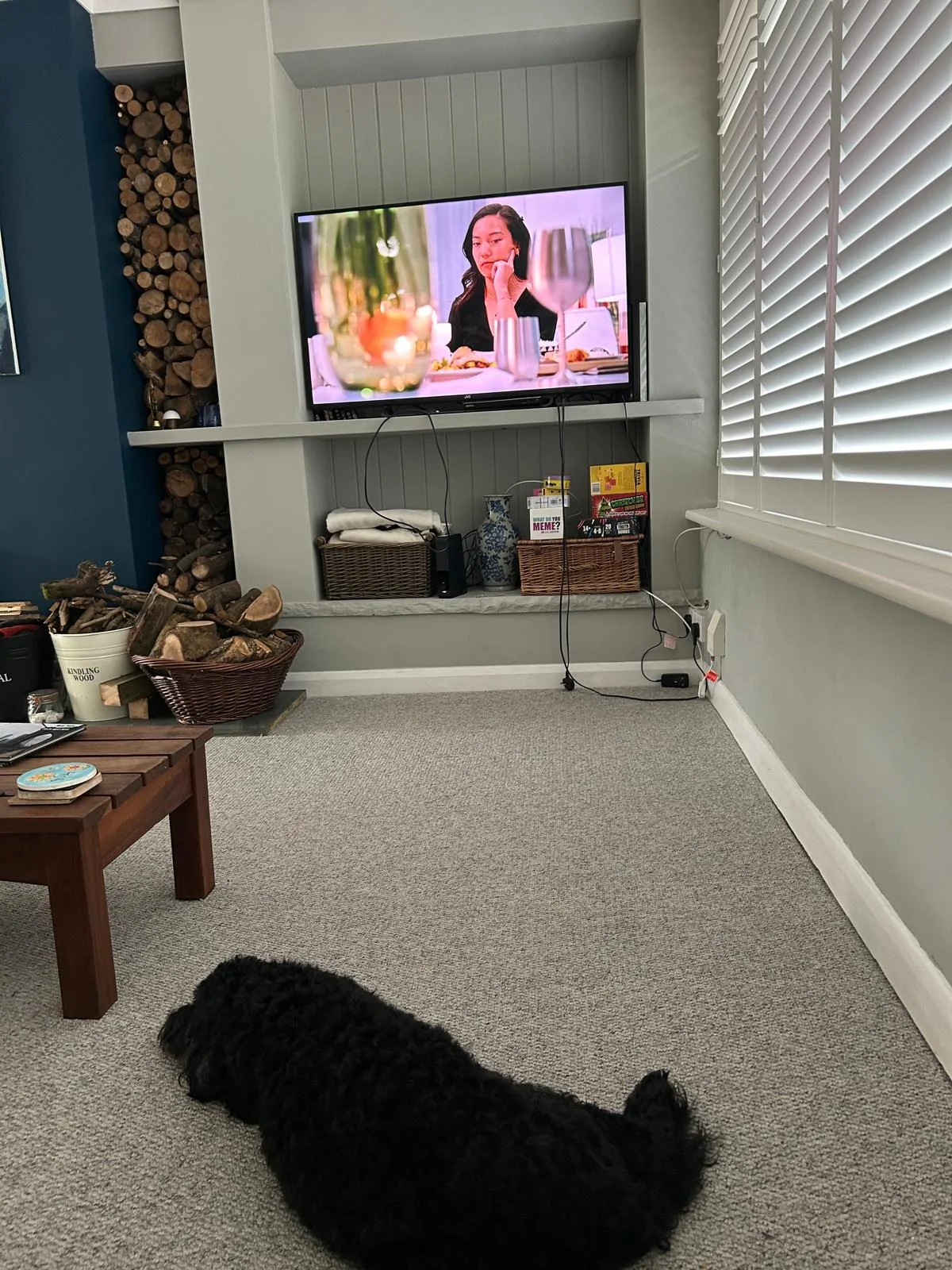
It’s also worth moving your phone around slightly and checking the screen from different angles, as glare can change depending on where you’re sitting.
A TV that looks fine head-on might suddenly become reflective when viewed from the side of a sofa or across a room.
So before you fall in love with the brightest screen in the showroom, shine your flashlight, shift your position, and pay attention to how the reflections behave.
The 10-second test is fast, free, and might be the smartest thing you do before handing over your hard-earned for a brand-new TV.
Daisy is a technology and automotive journalist covering artificial intelligence, consumer tech, Apple news, cryptocurrency, emerging technologies, and transportation innovation. Since joining the team in 2025, she has reported on everything from AI-powered startups and major iOS updates to viral car stories and the latest developments shaping transportation and the digital economy. Drawing on her background in automotive journalism and a degree in History and Journalism from Goldsmiths, University of London, Daisy specializes in breaking down complex topics into clear, engaging reporting for a global audience. Her work spans cutting-edge technology, innovative vehicles, and the people driving change across both industries. Daisy has gained first-hand access to some of the world's most talked-about technologies and innovators, including meeting Tesla's Optimus humanoid robot during its first European appearance in London. She has also discussed the future of space exploration with an astronaut, bringing unique insights and real-world perspectives to her coverage of emerging technology.




