Man who's driven a 700+HP Tesla Model S for a year breaks down every single cent he's spent in that time
Published on Nov 27, 2026 at 4:52 PM (UTC-5)
by Alessandro Renesis
Last updated on Nov 27, 2026 at 4:52 PM (UTC-5)
Edited by
Mason Jones
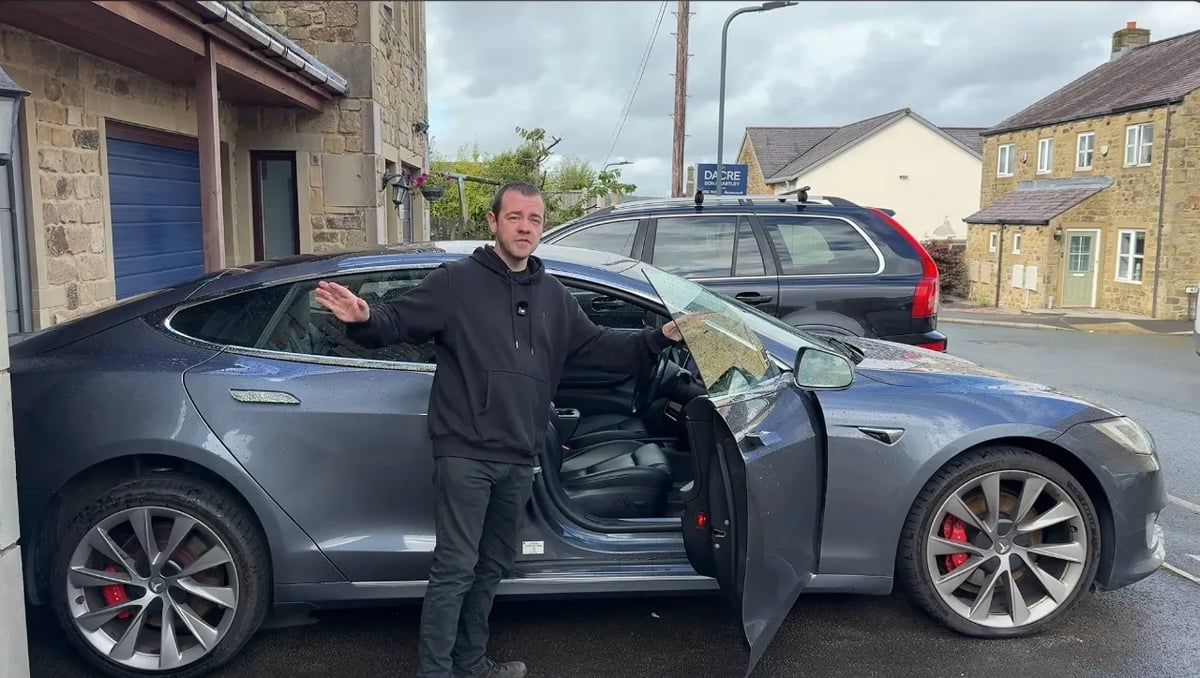

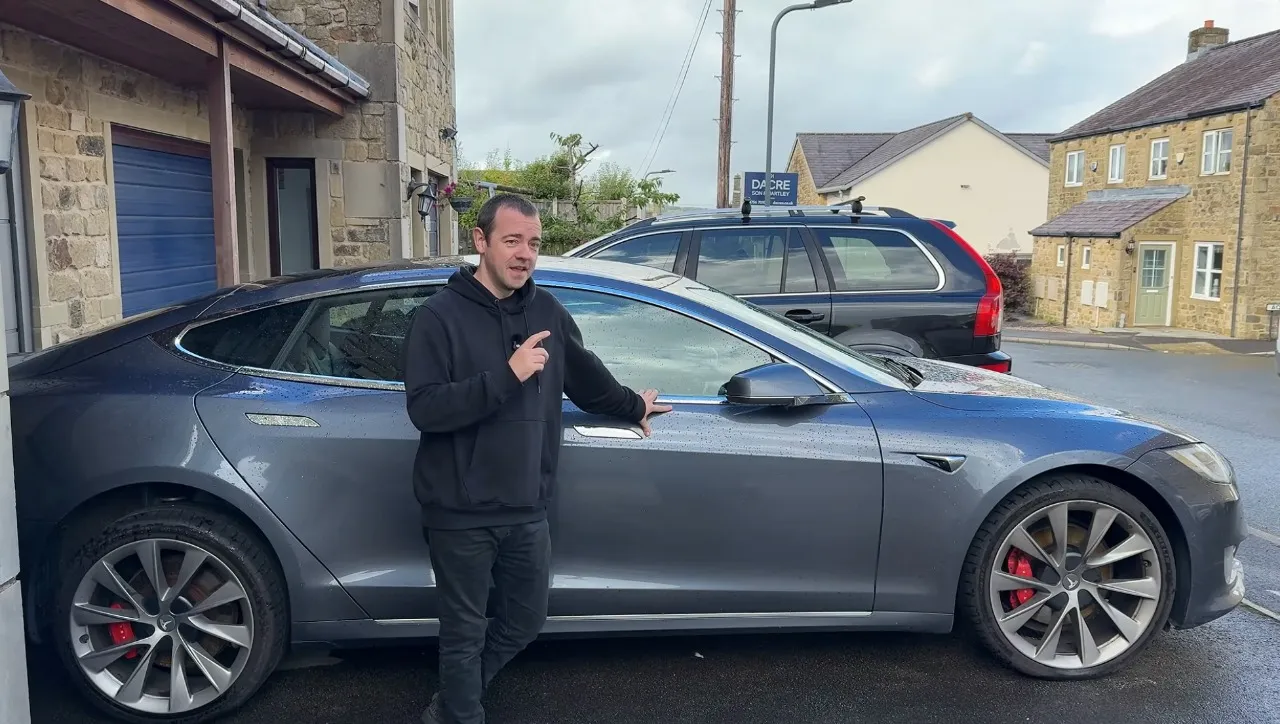
This 2020 Tesla Model S owner in the UK bought this 700-horsepower EV for a relatively low price.
Then he did the math and worked out how much it actually cost him after a year.
The grand total was not what he was expecting, but a couple of things stand out.
Including a recurring ‘issue’ that all EV owners have to deal with.
Does high performance automatically translate into high maintenance costs?
Buying a used performance car is usually a gamble, especially when the sticker price is suspiciously low.
Specifically, this 2020 Tesla Model S Ludicrous Plus cost the owner – the guy behind the Electric Vehicle Man YouTube video – less than £25,000 – which is equivalent to $32,000.
So it wasn’t super cheap in absolute terms, but $32,000 is not a bad deal if you spent it on a (then) five-year-old car that used to cost well over six figures when it was new.
Generally speaking, high-performance cars also come with high-performance costs.
But that’s not the case here.
This is how much his Tesla Model S cost its owner
Let’s start with the bad news, because there is some.
His Tesla Model S cost him quite a bit in terms of insurance – over $1,300 per year.
He also had to spend a surprisingly high amount of cash on tires.
He apparently spent $1,600+ on tires in a year.
That is honestly mad, even if we consider the fact that the Model S has a lot of torque and is very heavy, which is a horrible condition if you want to look after your tires.
But, in the YouTuber’s view, that money is never wasted.
“750-odd brake horsepower and [you’re] putting cheap tires on it? Are you trying to kill yourself? Stop buying cheap tires, guys. Please,” he said in the video.
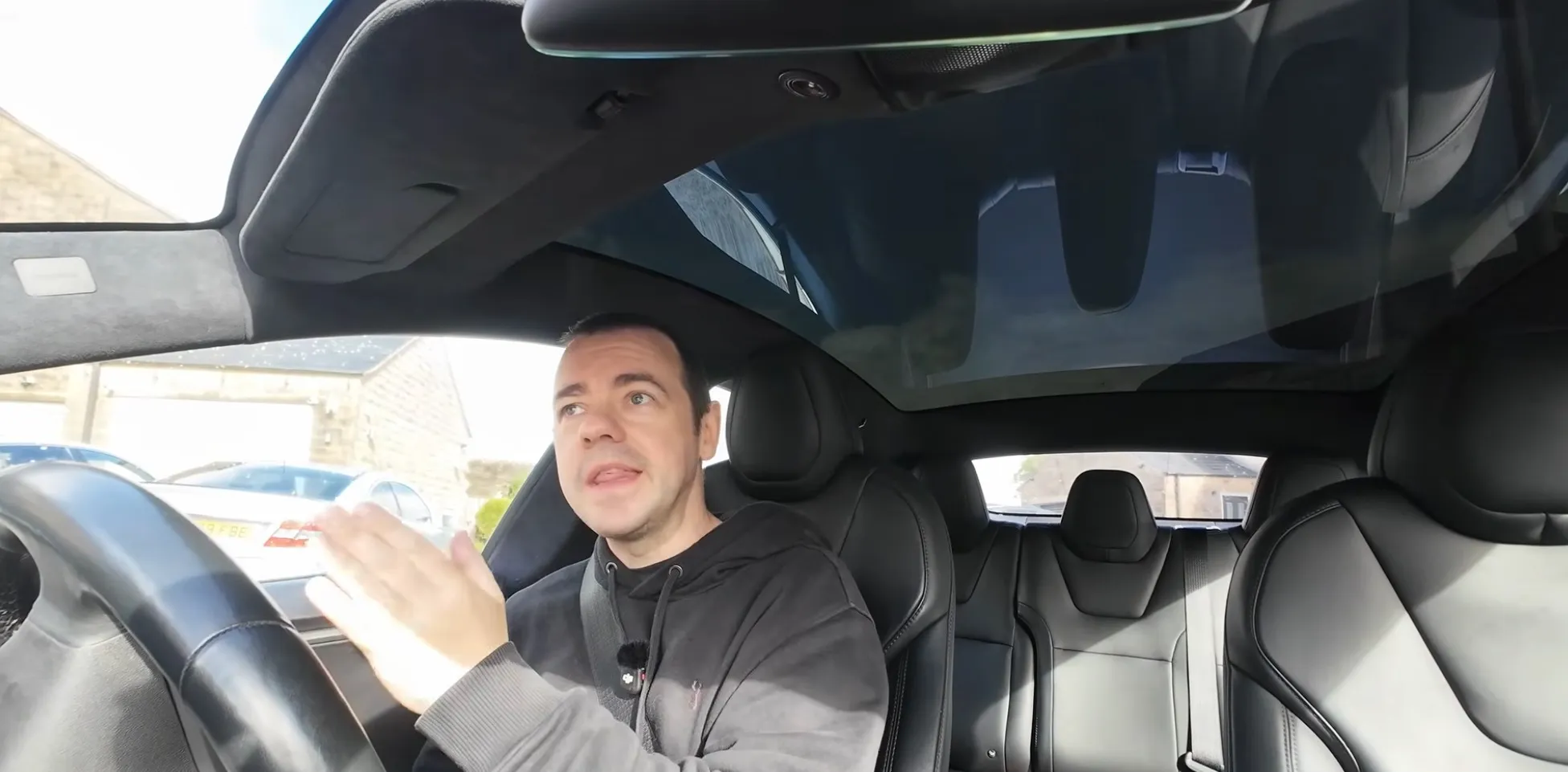
But once we got the bad stuff out of the way, the rest was sort of cheap.
The YouTuber said he also spent $254 for the annual road tax and $1,054 on routine maintenance.
In total, he said he spent exactly £3,395 – $4,435 – in a year.
That works out to 44 cents per mile, which is pretty good.
Daily driving a 700-horsepower comes with two caveats
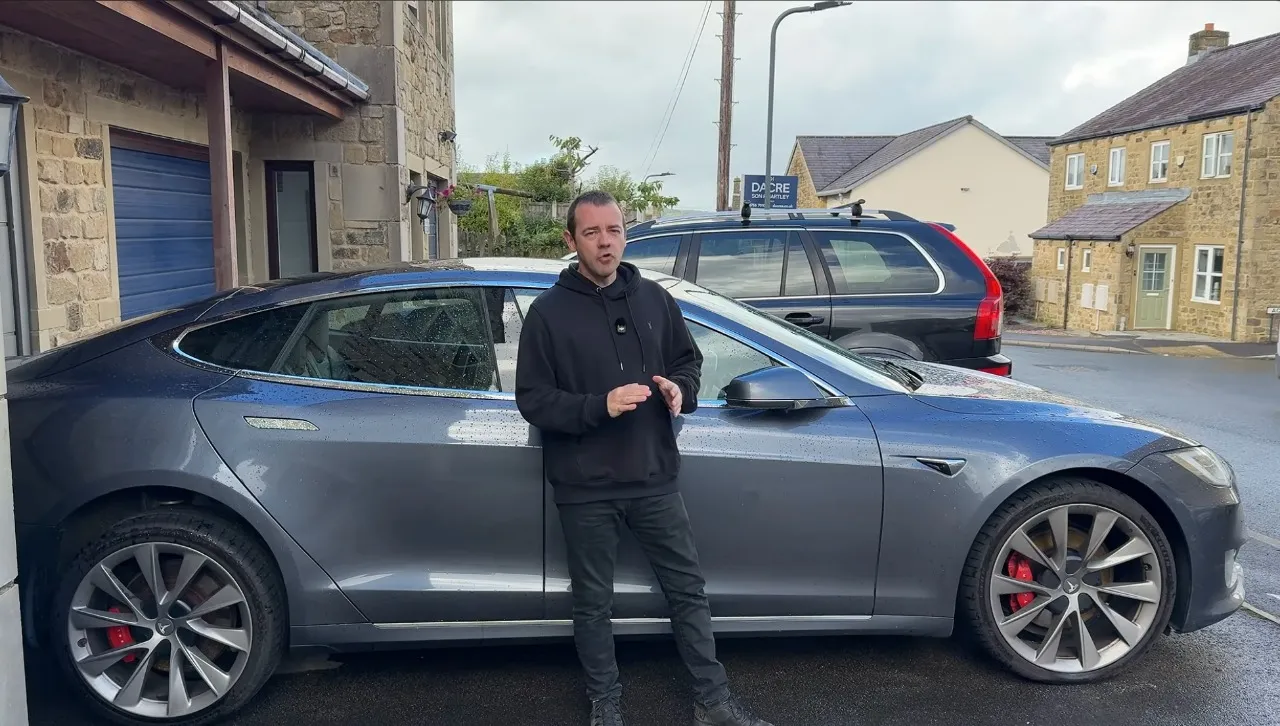
Once you got yourself a set of tires and insurance for your EV, there are no oil changes, spark plugs, timing belts, or exhaust systems to worry about.
But there are two caveats to bear in mind.
First, instant torque is addictive, but driving your Tesla like your last name is Senna, Prost, or Lauda is guaranteed to drain your battery much faster.
It can also be dangerous, especially if you live in an area where it rains often quite often.
Without wishing to resort to stereotypes and cliches, the UK is not exactly known for being the Nevada of Europe when it comes to yearly precipitation.

Although, to be fair, this particular Tesla owner doesn’t seem to use this feature very often.
“I have not used Ludicrous Plus the full power because it’s too much. It’s silly,” he admitted.
“I’ve basically bought a car and I’m not using the capabilities of what it has because I’m an idiot.”
Second – and this is a recurring theme here – how much you spend on electricity depends entirely on where and how you charge it.
For this YouTuber, charging primarily at home on off-peak electricity tariffs kept ‘fuel’ expenses for 10,000 miles just shy of $390, which is pretty good by UK terms.
But that number would easily and quickly go up if he only used Superchargers.
The biggest difference between EVs and gas cars no one tells you about
A problem is always bigger if no one talks about it.
In this case, maybe I wouldn’t call it a problem but it’s definitely something to know: when it comes EVs, the way you drive makes a huge difference.
Gas cars are inherently either thirsty or economical, there’s not a lot in between.
If you own an AMG G 63, it doesn’t really matter how careful you are, you’ll never get great MPG out of it.
It’s just not possible, because that particular engine requires way too much gas just keep running or at low speeds, so driving the vehicle like you’re in the GTA universe will make it worse, but you’re starting from a bad place anyway.
In the same way, it’s almost impossible to get bad MPG from ultra-efficient hybrids or gas cars like the Toyota Prius or Honda Civic.
That’s not the case with EVs.
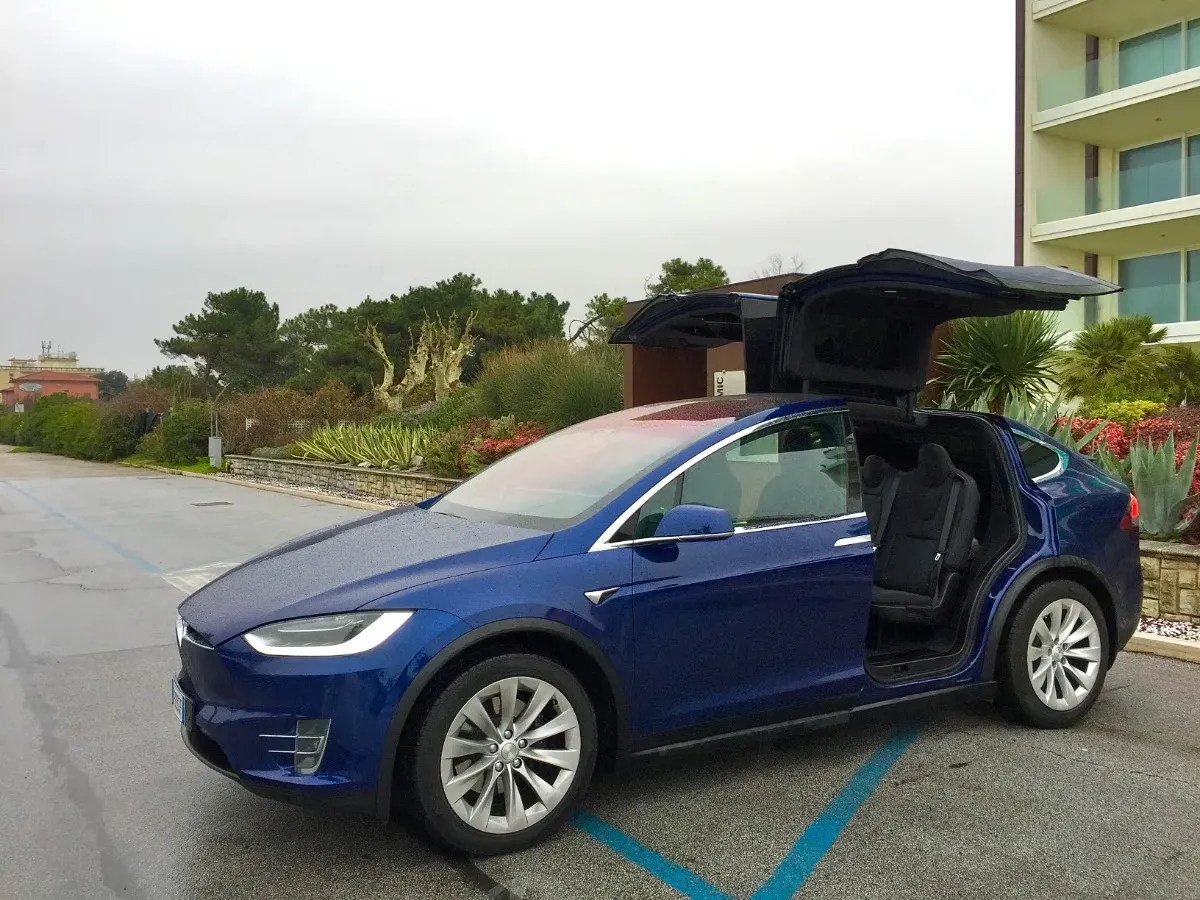
Driving these cars too quickly will reduce your range dramatically
Some EVs are more efficient than others, but the way you drive still matters a lot more than it does with a gas car.
Specifically, older Tesla vehicles like the Model S and Model X, especially earlier versions like the one here, can be your best friend or your worst enemy depending on how you drive.
Some time ago, I drove a Tesla Model X 100D and Tesla Model S P100D – back to back – and the difference was shocking.
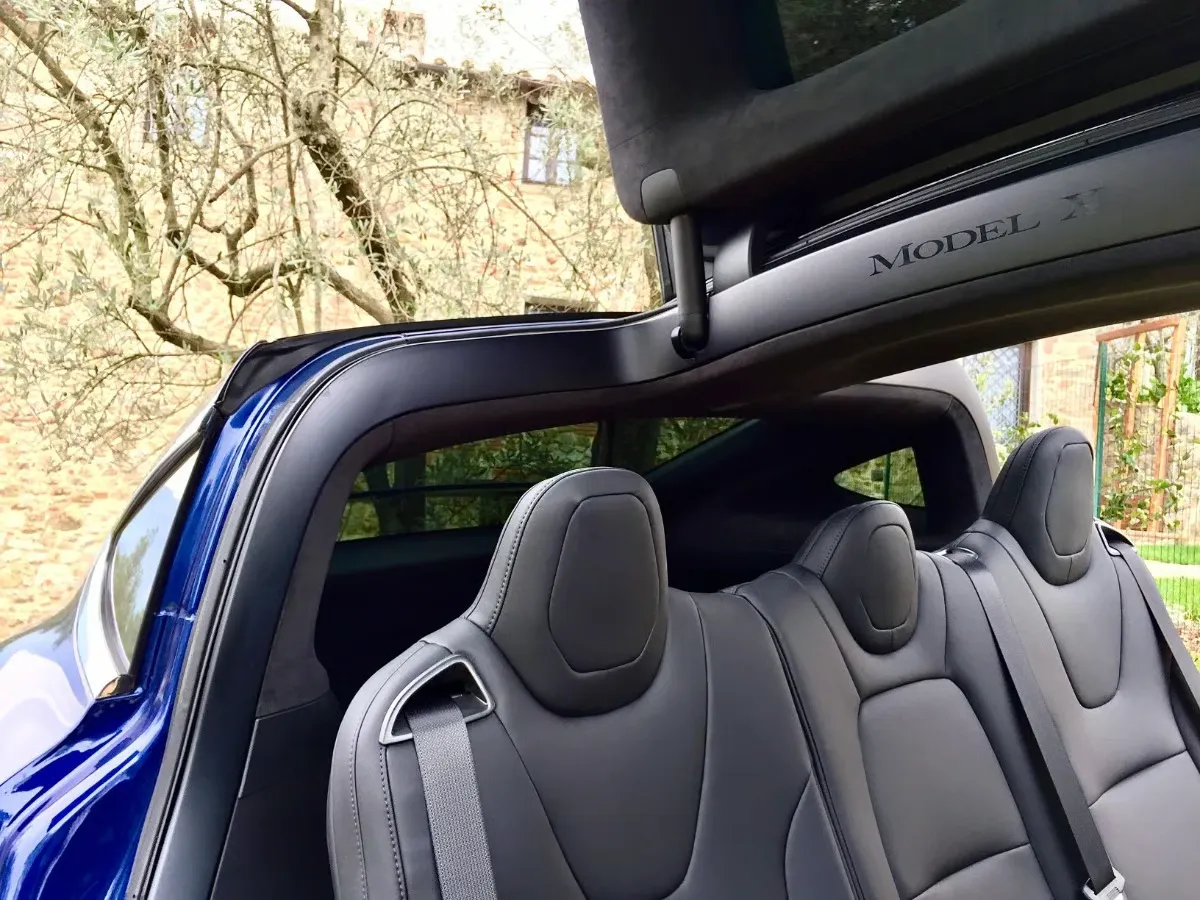
Both cars are extremely fast, and it’s tempting to use all that torque and power, but get ready to see the range go down very quickly, because what’s happened in both cases.
The Model X I used, for example, was rated at 289 or 305 miles depending on your reference point (EPA or WLTP) and, assuming I drove normally, had a real-world range of 240-280 miles.
It would go up a bit or go down a bit depending on how I drove it, but that was the average.
But then, I decided to run an experiment.
And things went very wrong, very quickly.
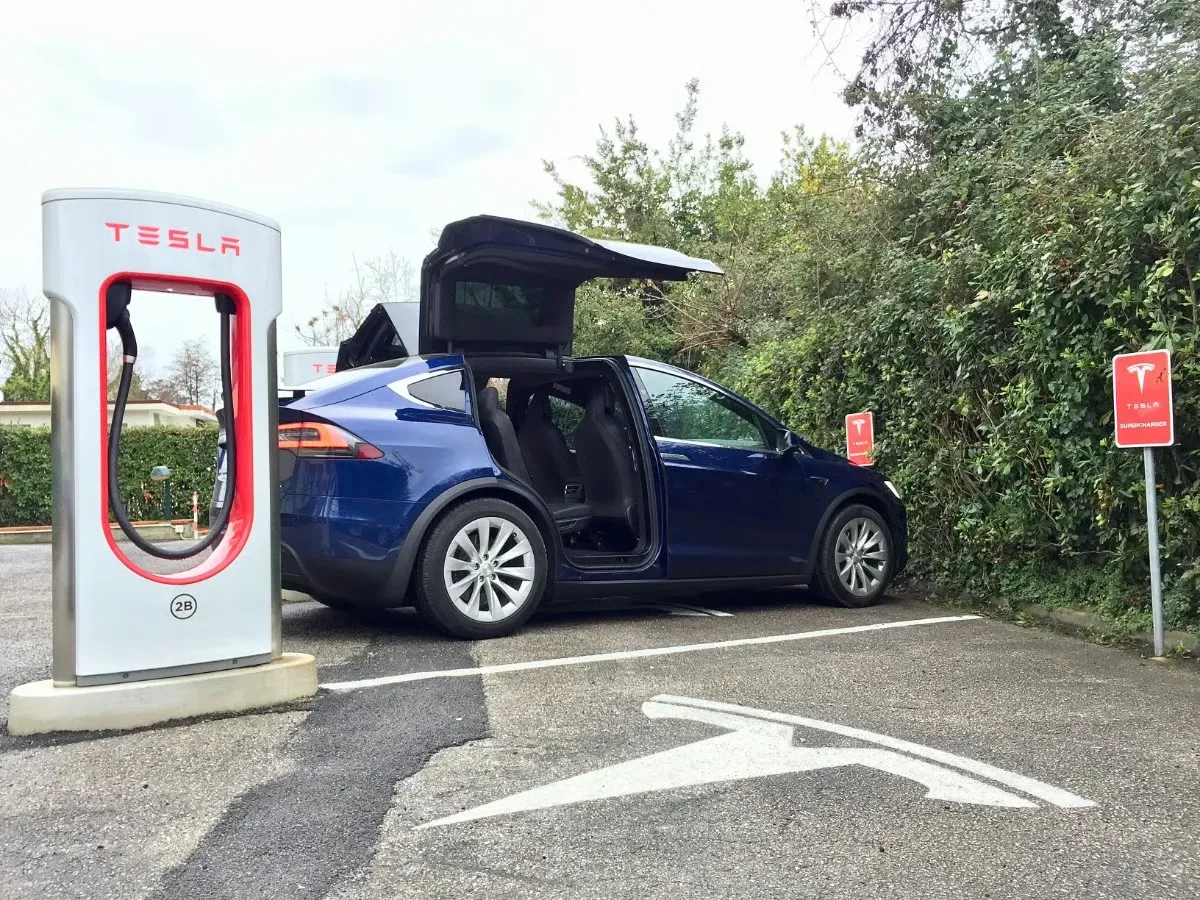
I decided to drive it extremely carefully and then, after the next charge, I figured I would drive it like my name was Max Verstappen.
Driving it like a monk got me 290+ miles of range, as advertised.
But then, driving it in a way that was fun and making the most of that instant torque took its toll: I got barely 180 miles – shaving more than 100 miles off my range just by having a heavy right foot.
Clearly, this YouTuber’s strategy paid off because he was driving quite slowly.
The best of Supercar Blondie, every Sunday
The week's best car stories, straight to your inbox. Free.
Alessandro is an automotive journalist with 10 years of experience covering supercars, automotive history, emerging vehicle technology, and luxury transportation. He wrote the first article published on SupercarBlondie.com when the website launched in 2022 and has since built a reputation for insightful reporting across the automotive and transportation industries. His expertise is grounded in hands-on experience. Alessandro has driven every Tesla model ever produced, from the original Roadster to the Cybertruck, and regularly covers the latest developments in electric vehicles and automotive innovation. His passion for transportation extends beyond cars, he has even flown a Boeing 787 Dreamliner simulator in Addis Ababa, Ethiopia. His reporting spans everything from classic American muscle cars and rare automotive discoveries to luxury yachts, private aircraft, high-end watches, and cutting-edge vehicle technology. Known for his deep knowledge of automotive history and ability to uncover the stories behind iconic vehicles, Alessandro brings readers a blend of historical context, technical expertise, and first-hand experience.