Canada man with Tesla Model Y calculates home charging costs for a year and then compares it directly to how much gas costs for same period
Published on Oct 20, 2026 at 4:04 PM (UTC-4)
by Ben Thompson
Last updated on Oct 20, 2026 at 4:04 PM (UTC-4)
Edited by
Mason Jones
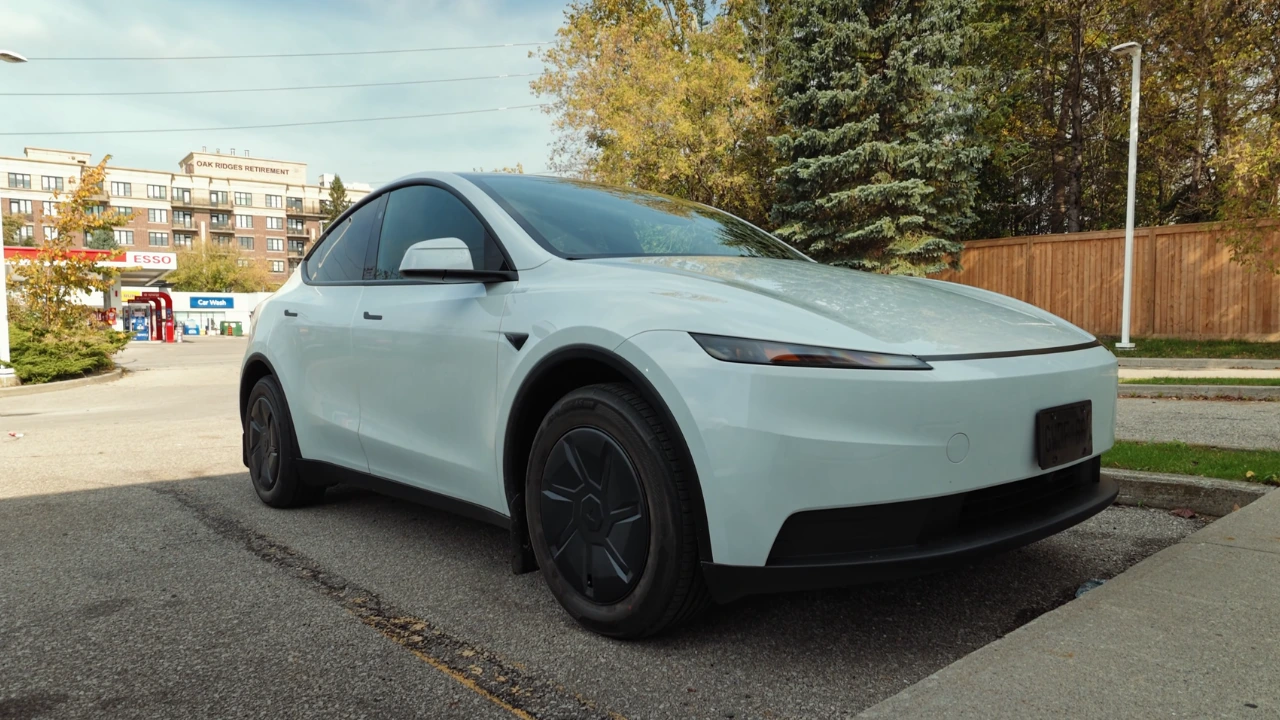

This Canadian man ran the numbers on how much it cost him to charge his Tesla Model Y at home, and then compared it to gas costs.
The Toronto-based YouTuber did the math and came to one conclusion – it wasn’t even close.
Charging costs have been one of the biggest issues that pops up in the EV-gas car debate.
But if this guy’s experience is anything to go by, then the debate is something of a no-brainer.
The EV charging question constantly comes up
Whenever the conversation about EVs comes around, there’s always one inevitable topic – how much does charging cost?
After all, nobody would elect to switch over to electric if they knew charging would hit them harder in the pocket.
Plenty of people have gone public with their charging expenses over the years.
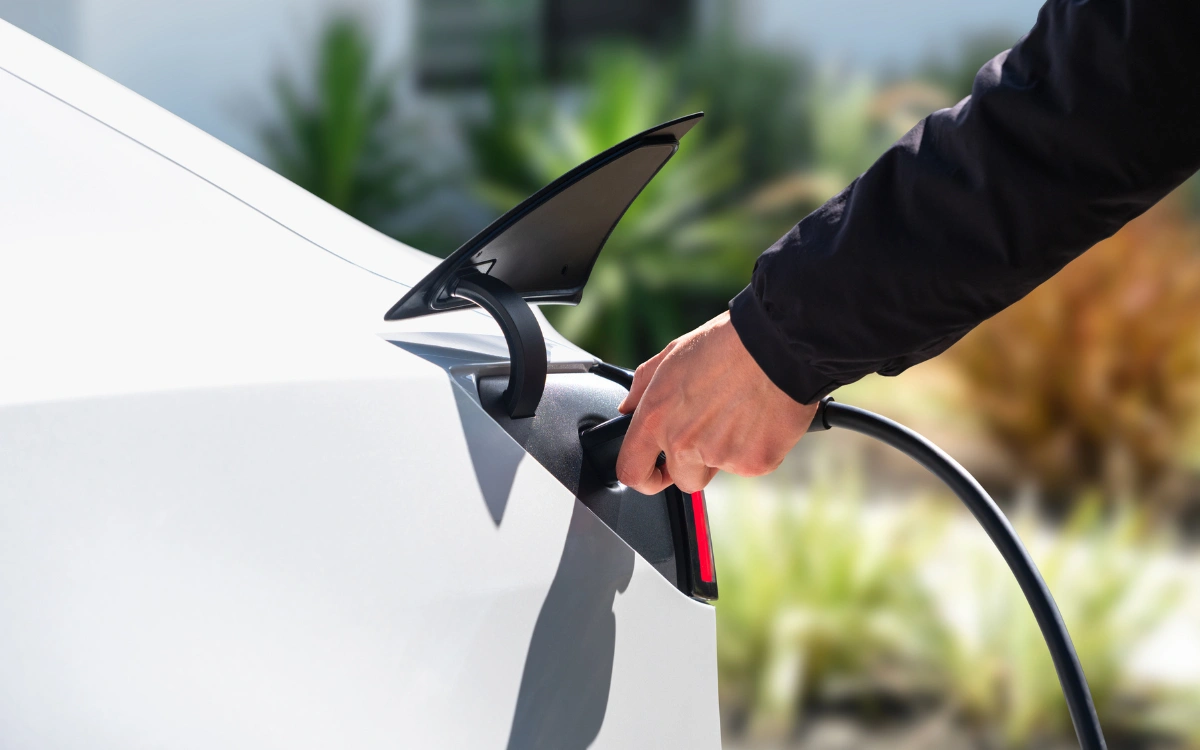
One UK man ran the figures on his Model 3 after 238,000 miles, while another drew comparisons with his BMW 320 gas car to dramatic effect.
The figures are usually stark – and in the favor of the EVs, more often than not.
But it’s by no means a universal rule.
Related

How much he spends on charging his Tesla Model Y at home?
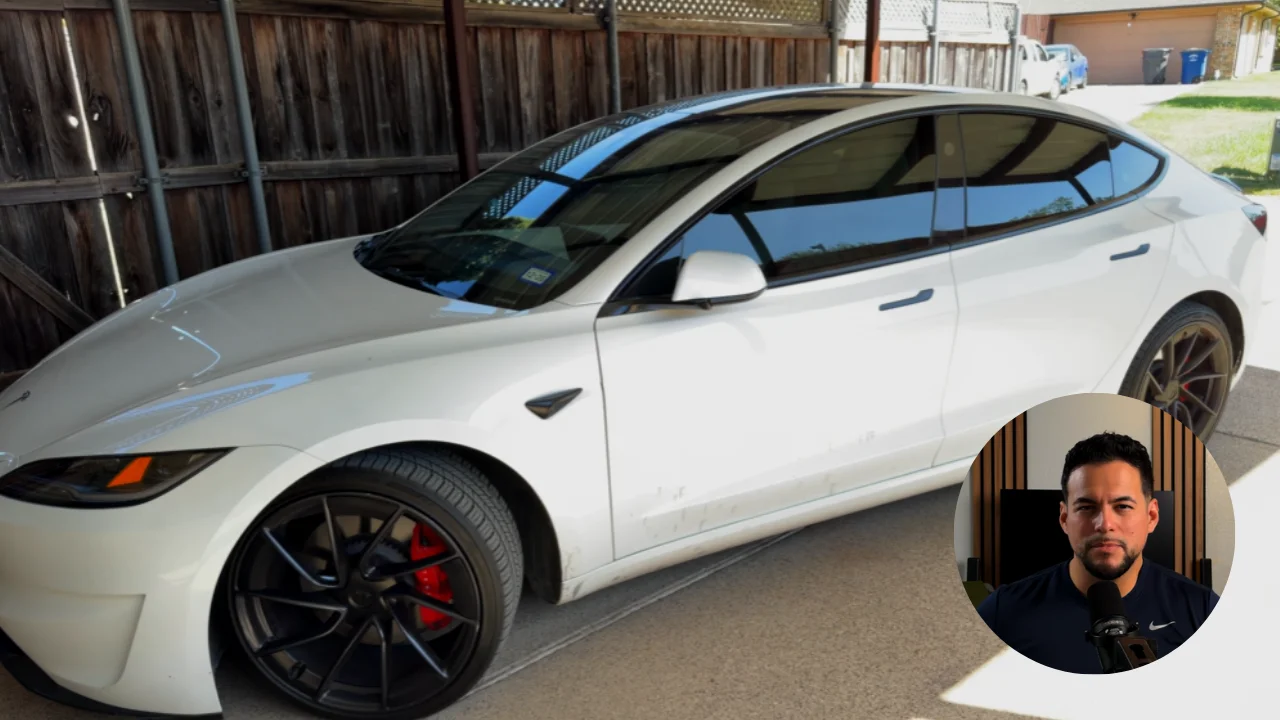
YouTube channel The Electric Standard ran the numbers on his Tesla Model Y, which he’d been charging at home.
Now, if you’ve spent any length of time following the EV debate, you’ll know that charging at home tends to be cheaper than using a public charger.
But would that still ring true in this case?
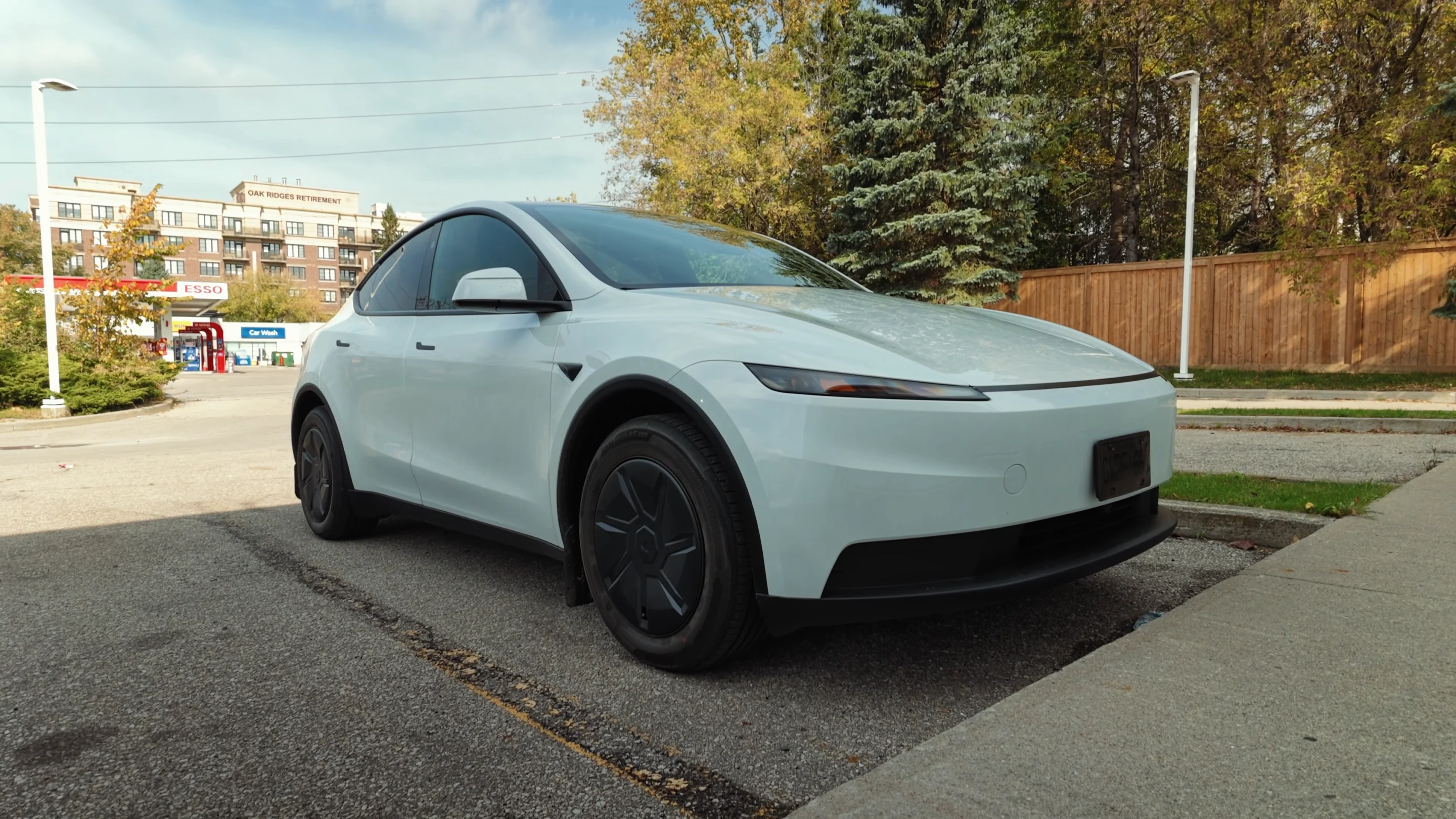
This YouTuber was based in the Greater Toronto Area, where he said that EVs were far cheaper to run than their gas equivalents.
“Once you go electric you really can’t go back. The smoothness, the quietness of the car, the lack of maintenance for particularly the engine and gears, etc., it just goes out the door,” he said.
“Given how far battery technology has come and how amazing EVs are, especially in some cases like they go 300, 400, 500,000 km on the same battery, you’re saving way more in the long term than running a gas car.”
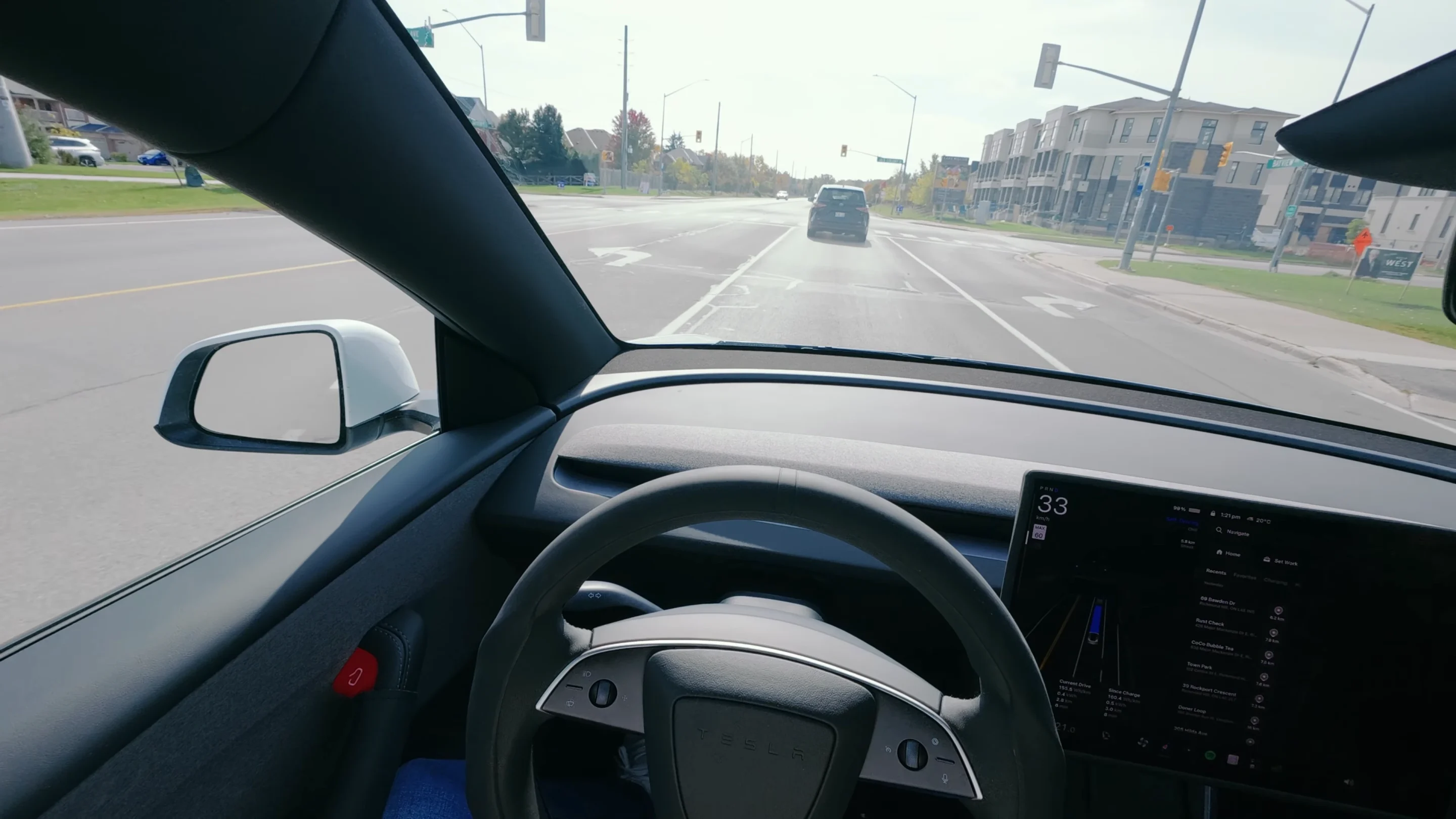
He runs his Model Y on a 240V charger, which he estimated to cost around $160 to $180 upfront.
As for an overnight charge, he estimated that cost him about $7.50.
How that figure compares to the average cost of gas over the same period?
All in all, he said that the amount spent on charging came to about a tenth of what gas would have cost him.
He estimated that gas would have cost him $63 a week, $273 a month, and $3,200 a year.
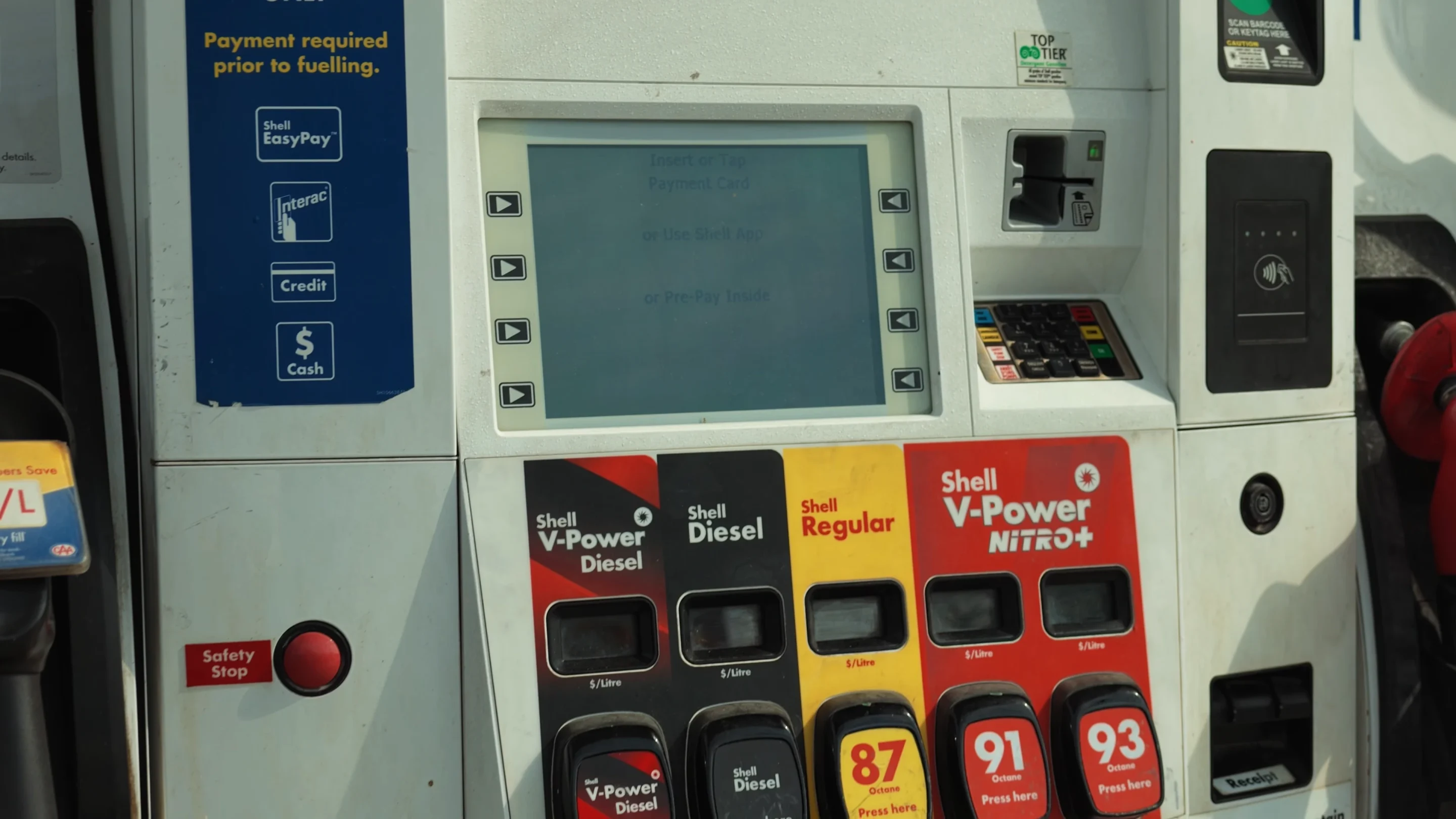
Off those figures, his home charging is costing him around $351 a year.
That’s a huge gap in figures.
It certainly makes for a huge selling point when it comes to arguing the pro-EV case.
“My biggest tip for anyone thinking about an EV: before you buy, work out where you’ll charge. If you can charge at home, an EV makes a lot of sense,” Shervin from The Electric Standard told Supercar Blondie.
“In my video, gas worked out to about $16.37 per 100 km, and charging at home was about $1.76. That comes to roughly $2,900 a year in savings for me, and my home charger cost about $180.
“So yes, I’d always push for home charging if you can get it. It’s the cheapest option and the most convenient, because you plug in at night and wake up with a full battery.

“Public fast chargers are great for road trips, but if you rely on them every day, a lot of the savings disappear. If you can’t charge at home or at work, think hard about whether an EV fits your routine right now.
“A few other tips: Look at the real range you’ll get in winter, not just the advertised number.
“Check your local electricity rates and whether there are cheaper off-peak hours.
“Start with a simple charger. You don’t need to spend a fortune to get the savings.”
Ben joined Supercar Blondie in February 2025 after being published by international organizations including LADbible, The Sun, the New York Post, and the Daily Mail. He covers supercars, rare and collectible vehicles, aviation, luxury assets, and the fascinating people behind them. His reporting has explored everything from seven-figure supercars and historic Ferrari collections to unusual aircraft adventures and extraordinary automotive discoveries from around the world. Ben has also gained first-hand insight into vehicle craftsmanship and customization, including visiting specialist workshops to see bespoke vehicles up close.




