Tech expert puts a 2026 Windows laptop and a Mac through 12 tests and declares it's not even close at the end
Published on Apr 23, 2026 at 6:04 PM (UTC-4)
by Daisy Edwards
Last updated on May 22, 2026 at 4:22 AM (UTC-4)
Edited by
Emma Matthews
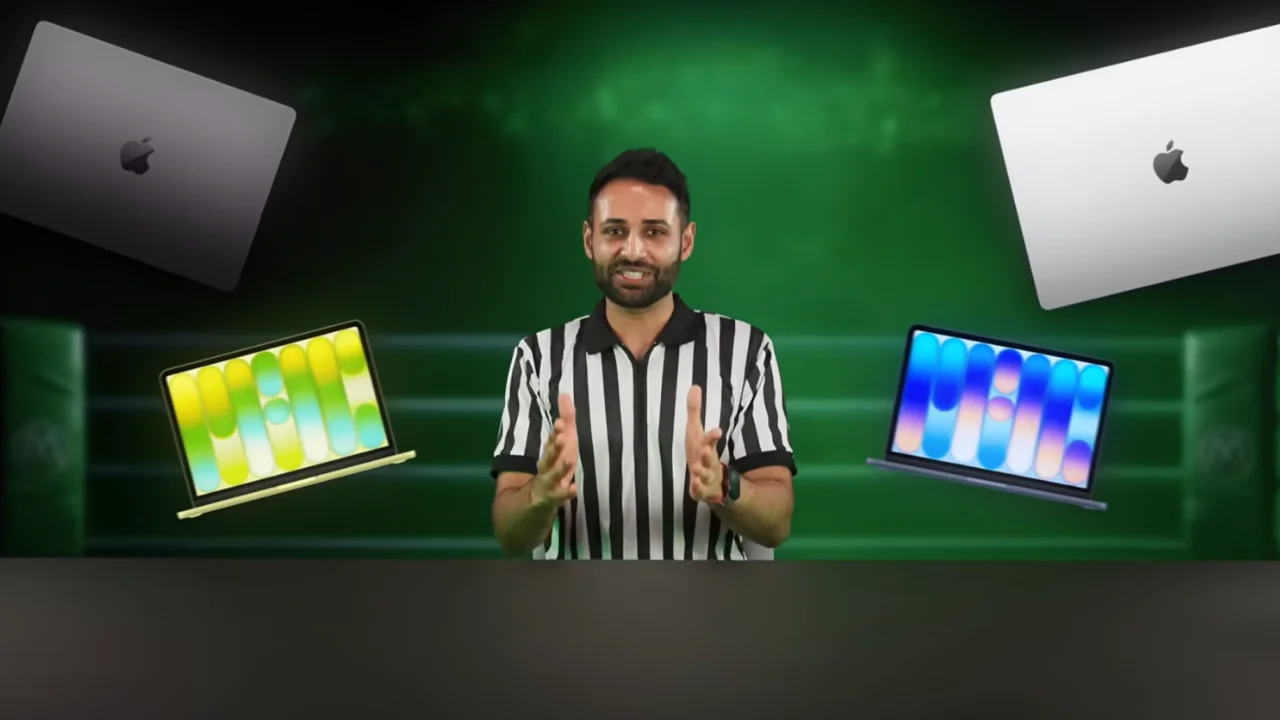

The Apple Mac vs Windows laptop debate has been going on for decades, but in 2026, things have hit a whole new level.
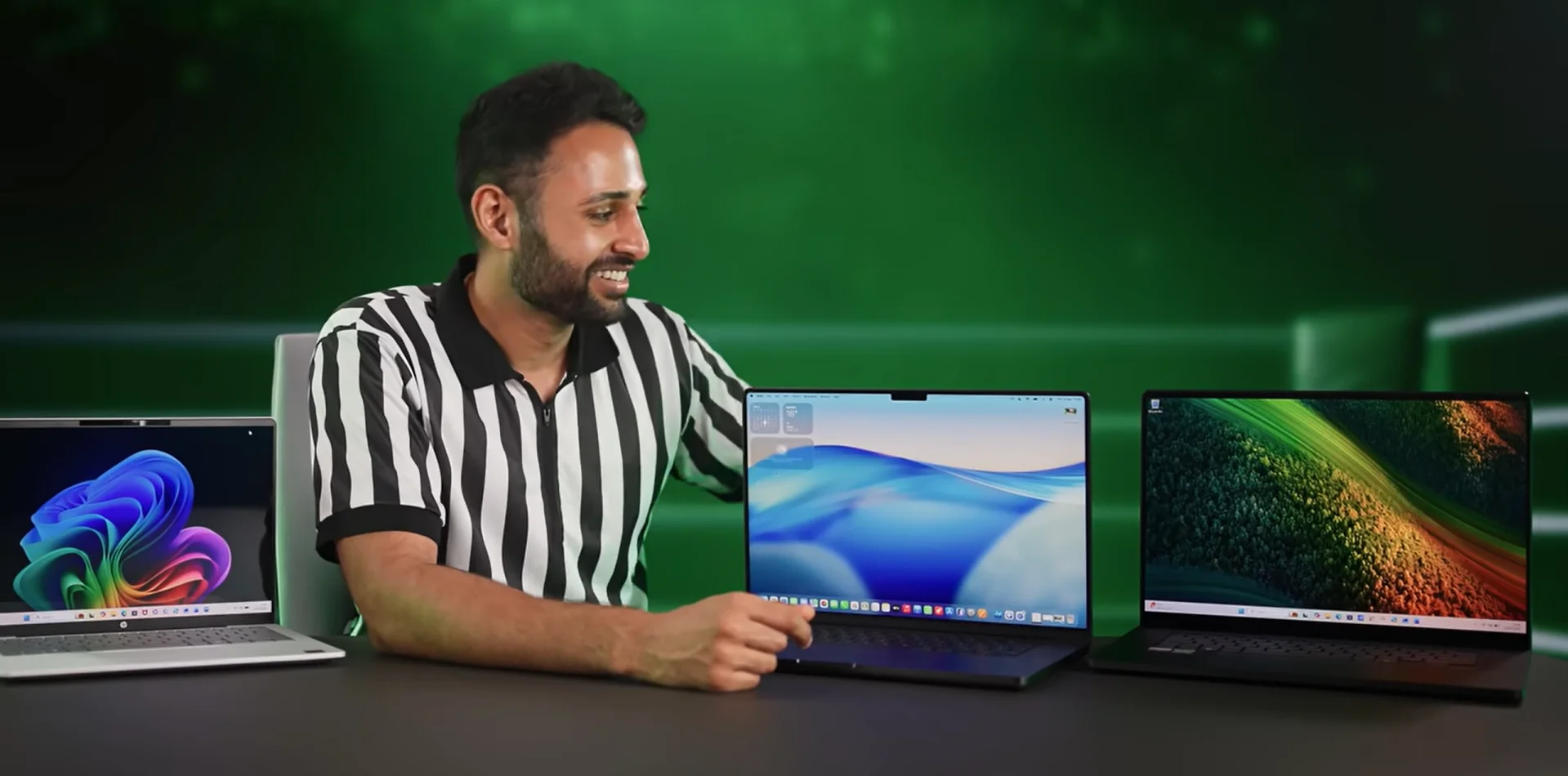
A tech expert, Mrwhosetheboss decided to settle things once and for all by putting the latest MacBooks and Windows laptops head-to-head.
Testing both budget and high-end machines across 12 different categories, the results were surprisingly decisive.
By the end of it all, one side didn’t just win, it completely trounced the other.
He put a 2026 Windows laptop and a Mac through lots of tests
The comparison wasn’t just between two laptops; it was a full-on gadget showdown across two price brackets done by tech YouTuber Mrwhosetheboss.
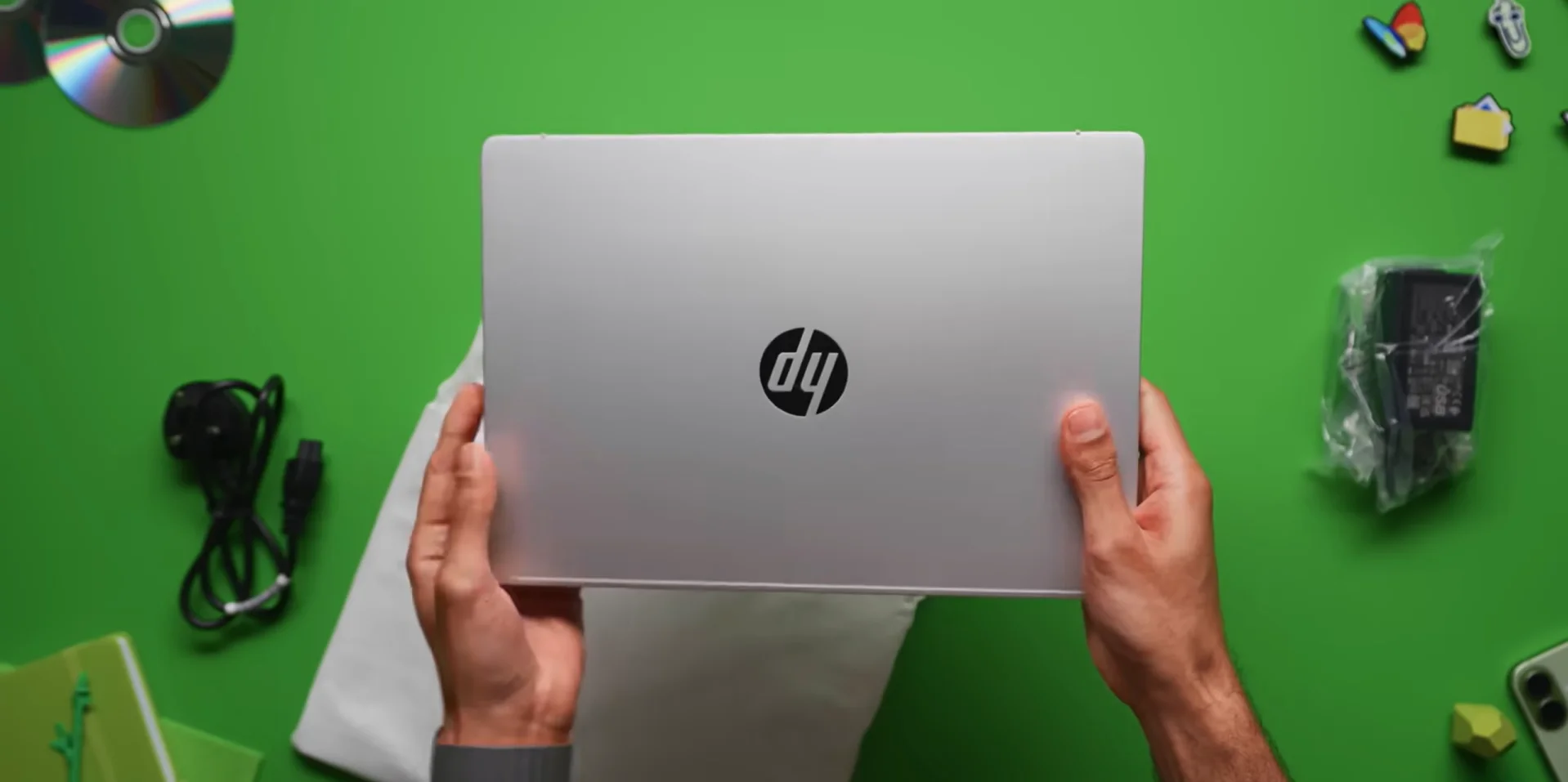
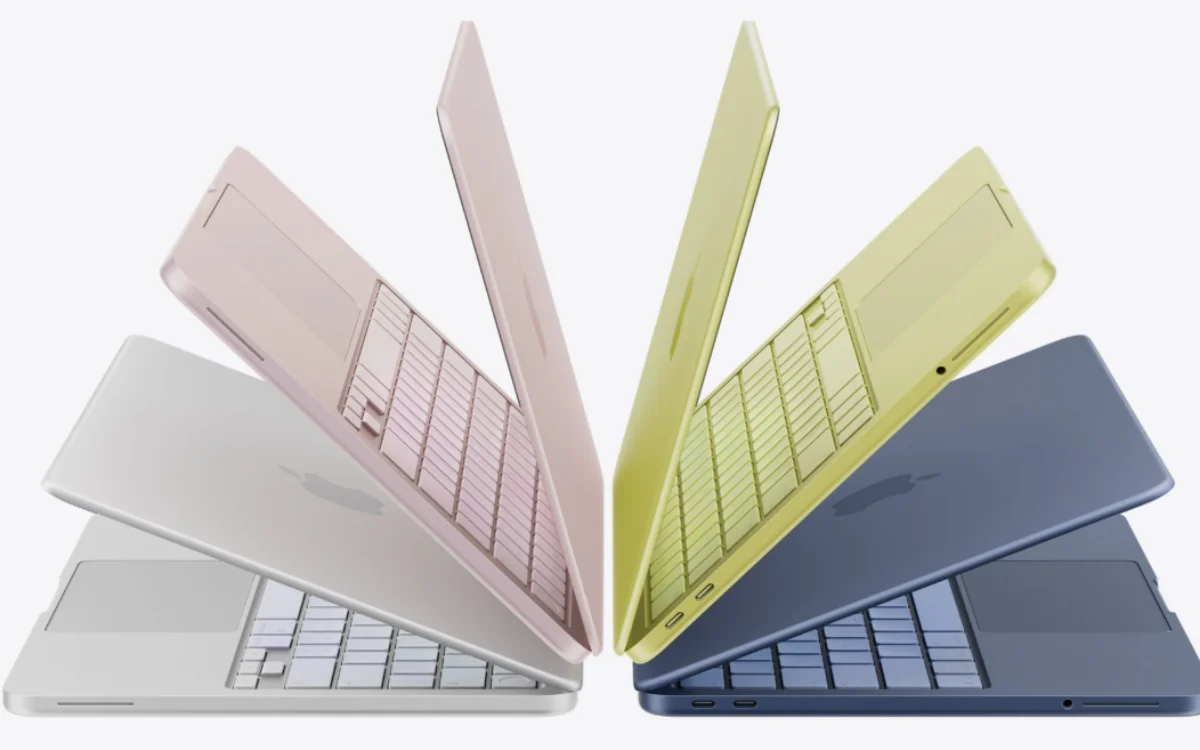
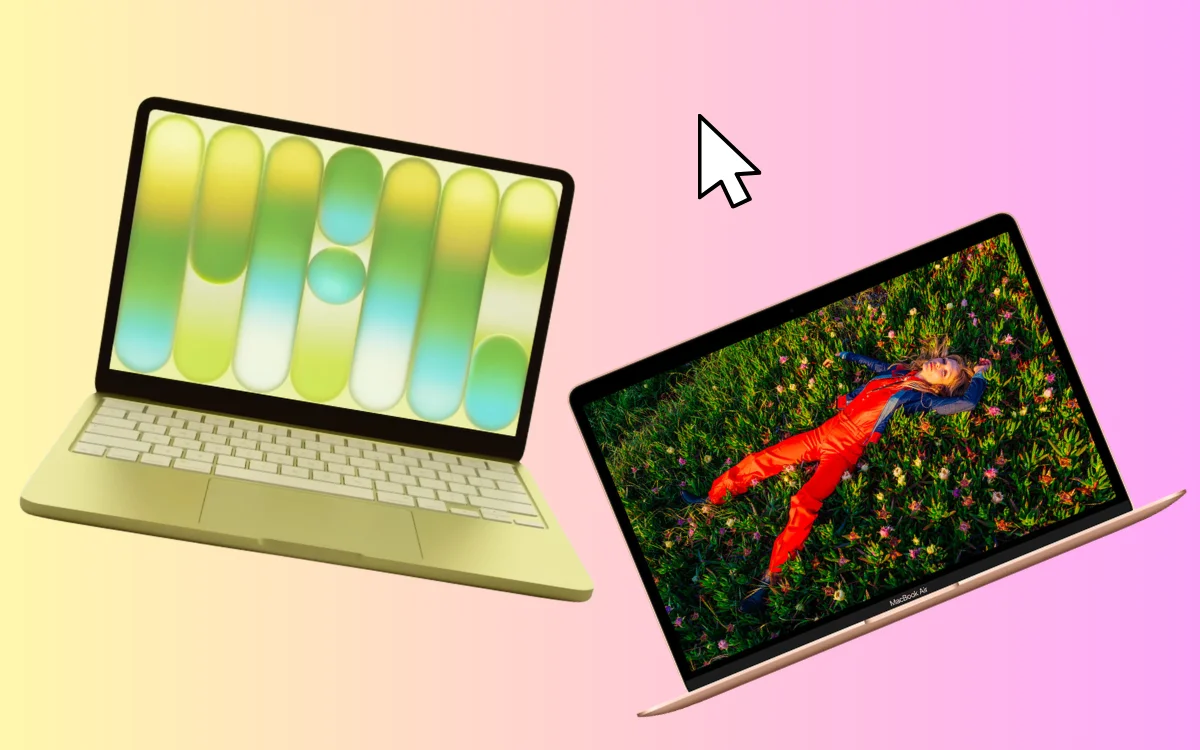
At the budget end, a $600 MacBook Neo went up against a similarly priced HP Windows laptop, while the premium tier saw a $4,500 MacBook Pro face off against a top-tier Windows machine.
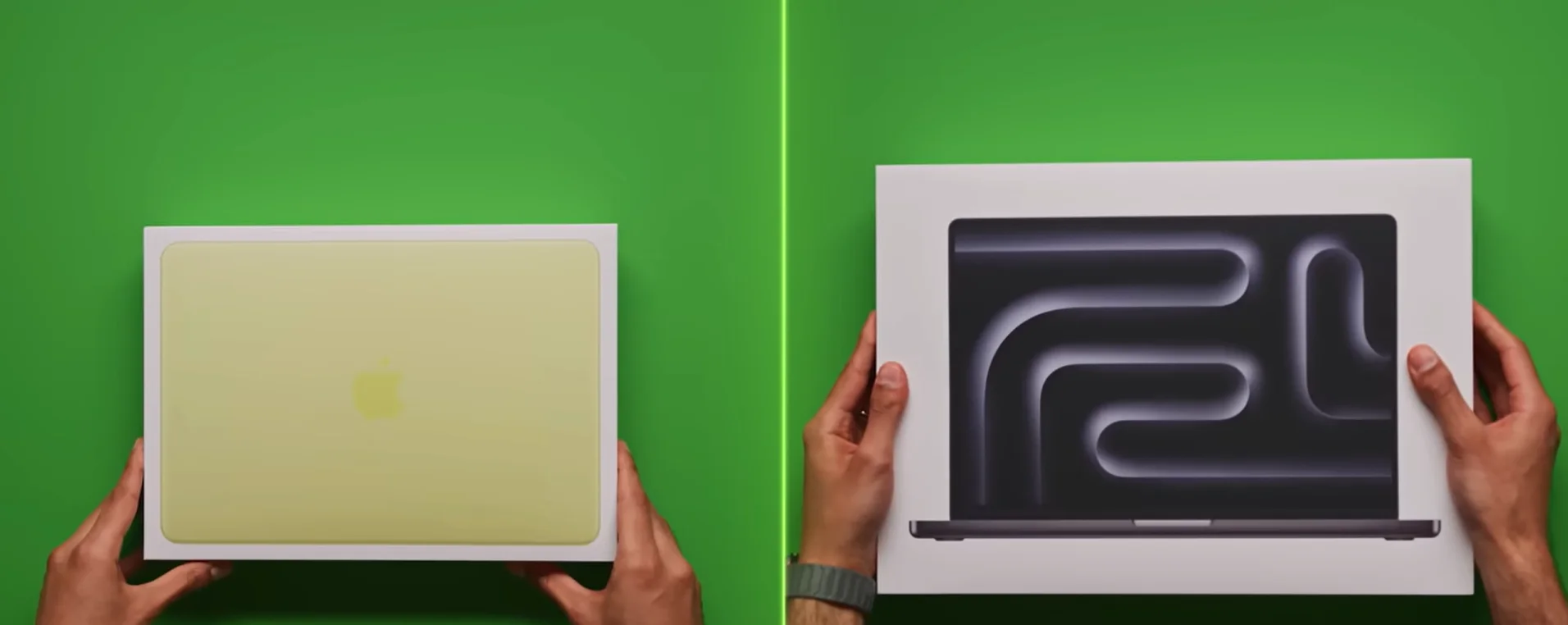
Right from the start, things were split, and despite the way a luxury Apple unboxing felt, Windows surprisingly took the early win, thanks to including a charger, something Apple no longer provides in certain regions.
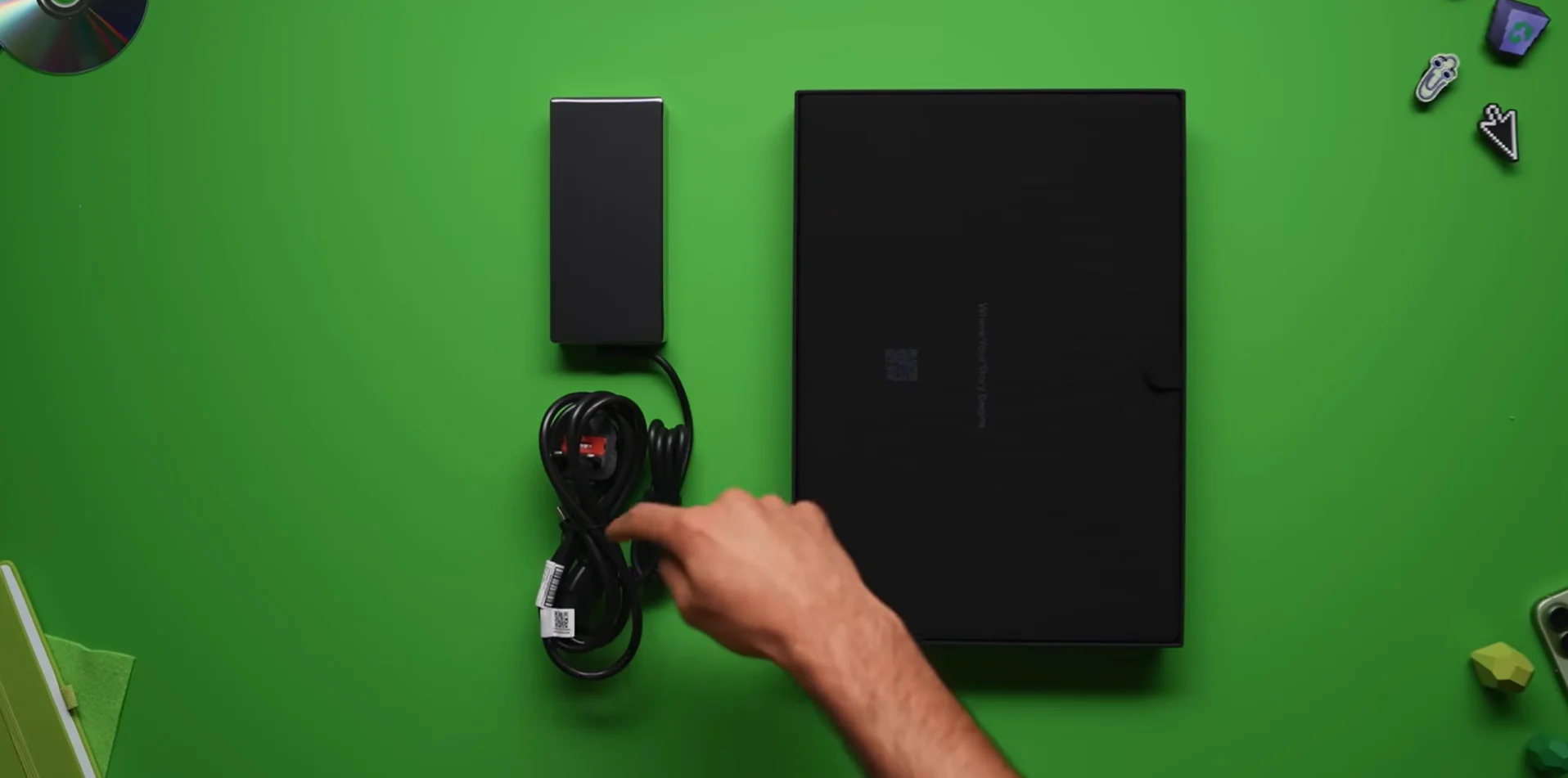
But once the laptops were actually in hand, the MacBooks quickly clawed things back.
The MacBook Neo’s all-aluminum build felt far more premium than its plastic-heavy budget enemy, and even at the top end, the MacBook Pro still edged out its Windows competitor for overall design and sturdiness.
When it came to performance, things got even more interesting because despite offering less RAM and storage on paper, the MacBooks dominated real-world tests like boot speed, multitasking, and CPU benchmarks.
In some cases, the MacBook Pro delivered over 50 percent better performance, showing that specs don’t always tell the full story, but battery life was more mixed, though.
The high-end Windows laptop struggled due to its power-hungry graphics cards, while the MacBook Pro lasted longer.
But at the budget level, a Windows laptop powered by a Snapdragon chip lasted over eight hours, beating everything else in the test.
Why the Apple offering ended up dominating by the final result
As the testing went deeper, the MacBooks kept stacking up wins in areas that actually affect daily use.
Call quality was a standout, with significantly better webcams and microphones across both Mac models, and the keyboard and trackpad also proved to be a major advantage.
The Macs seemed to be offering a smoother and more precise experience than any of the Windows machines tested.
Even the speakers gave Apple the edge, especially on the MacBook Pro, which delivered a fuller, more immersive sound.
Surprisingly, though, displays were one of the few areas where things stayed competitive.
The budget Mac won thanks to better brightness and color accuracy, while the high-end Windows laptop impressed with a stunning 4K OLED touchscreen.
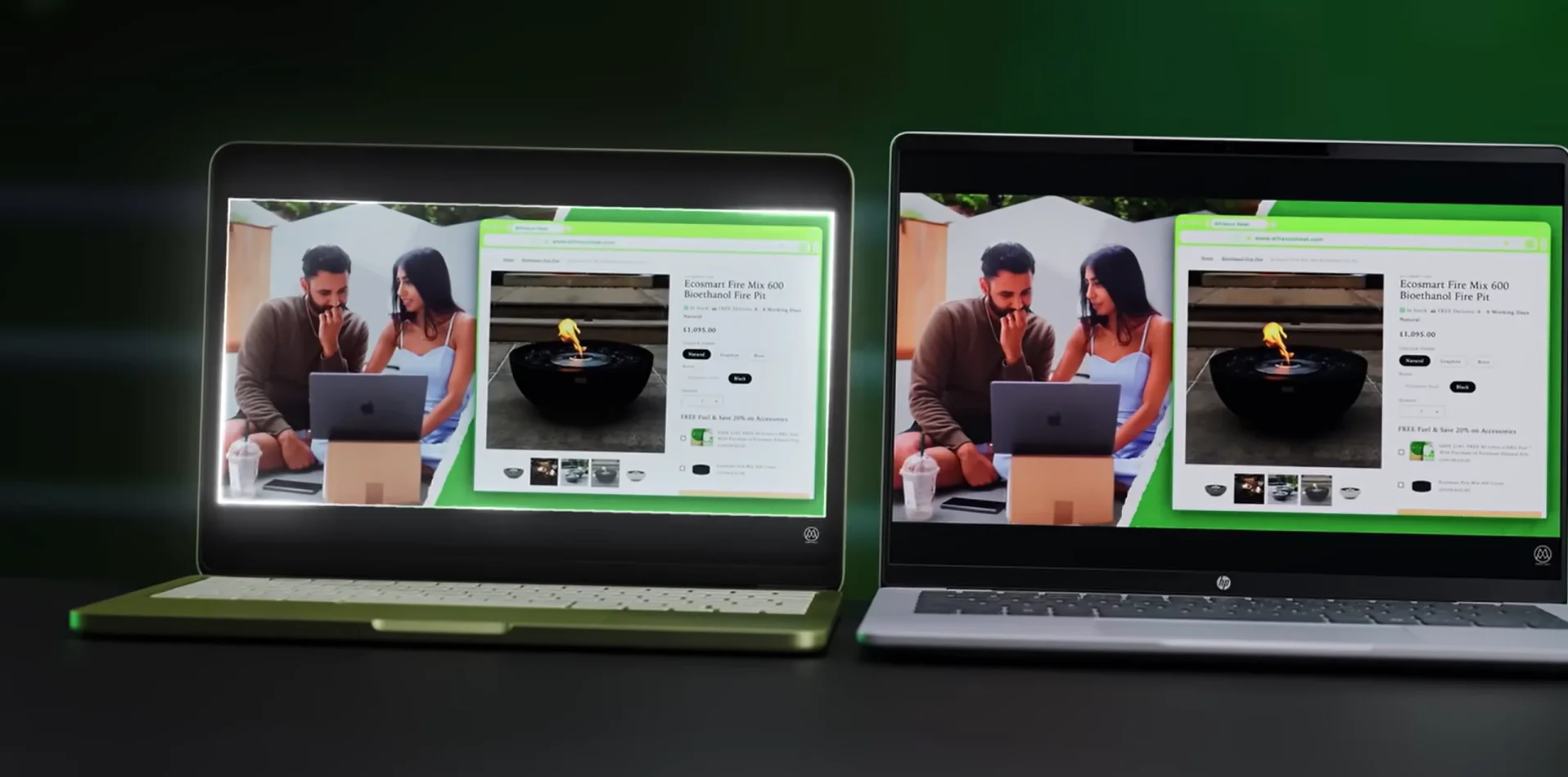
On the software side, Windows still held its ground with better gaming support, wider compatibility, and more customization options, which is great for gamers who are looking for a laptop to run software on.
But the Mac experience was smoother overall, with fewer bugs and seamless integration with other Apple devices.

Then came the final and most brutal test, durability, and after a series of drop tests, only the budget MacBook remained fully functional, while the others suffered serious damage.
By the end, the scores said it all.
Apple’s offerings took the win in both categories, beating Windows 10-7 in the budget tier and 10-6 at the high end.
It might not be the same for every user, but according to this test, in 2026, it really isn’t that close.
Daisy is a technology and automotive journalist covering artificial intelligence, consumer tech, Apple news, cryptocurrency, emerging technologies, and transportation innovation. Since joining the team in 2025, she has reported on everything from AI-powered startups and major iOS updates to viral car stories and the latest developments shaping transportation and the digital economy. Drawing on her background in automotive journalism and a degree in History and Journalism from Goldsmiths, University of London, Daisy specializes in breaking down complex topics into clear, engaging reporting for a global audience. Her work spans cutting-edge technology, innovative vehicles, and the people driving change across both industries. Daisy has gained first-hand access to some of the world's most talked-about technologies and innovators, including meeting Tesla's Optimus humanoid robot during its first European appearance in London. She has also discussed the future of space exploration with an astronaut, bringing unique insights and real-world perspectives to her coverage of emerging technology.




