Astronaut reveals transformative 'recalibration' benefit of living in Mars simulator
- Former NASA astronaut Leroy Chiao has spent a significant amount of time in space across different missions
- According to Chiao, those who want to join the Mars simulator study should consider a few things first
- However, he says the mental ‘recalibration’ benefit will make it worth it
Published on Feb 23, 2024 at 12:24 PM (UTC-5)
by Alessandro Renesis
Last updated on Feb 26, 2024 at 9:37 AM (UTC-5)
Edited by
Adam Gray


NASA is looking for applicants for its Mars simulator.
It’s a fascinating proposition, but it also begs a few questions.
Fortunately, a NASA astronaut has come forward with a few answers to the questions, including what happens to you when you get back on Earth after spending time in space.
READ MORE: NASA reveals video of Mars’ surface from Perseverance Rover
The first thing that former NASA cosmonaut Leroy Chiao pointed out is that spending a year in the simulator creates a couple of practical issues.
Chiao said participants will have to leave most of their belongings behind, including their phone, and they won’t be able to take care of their affairs.
This may sound banal but it isn’t.
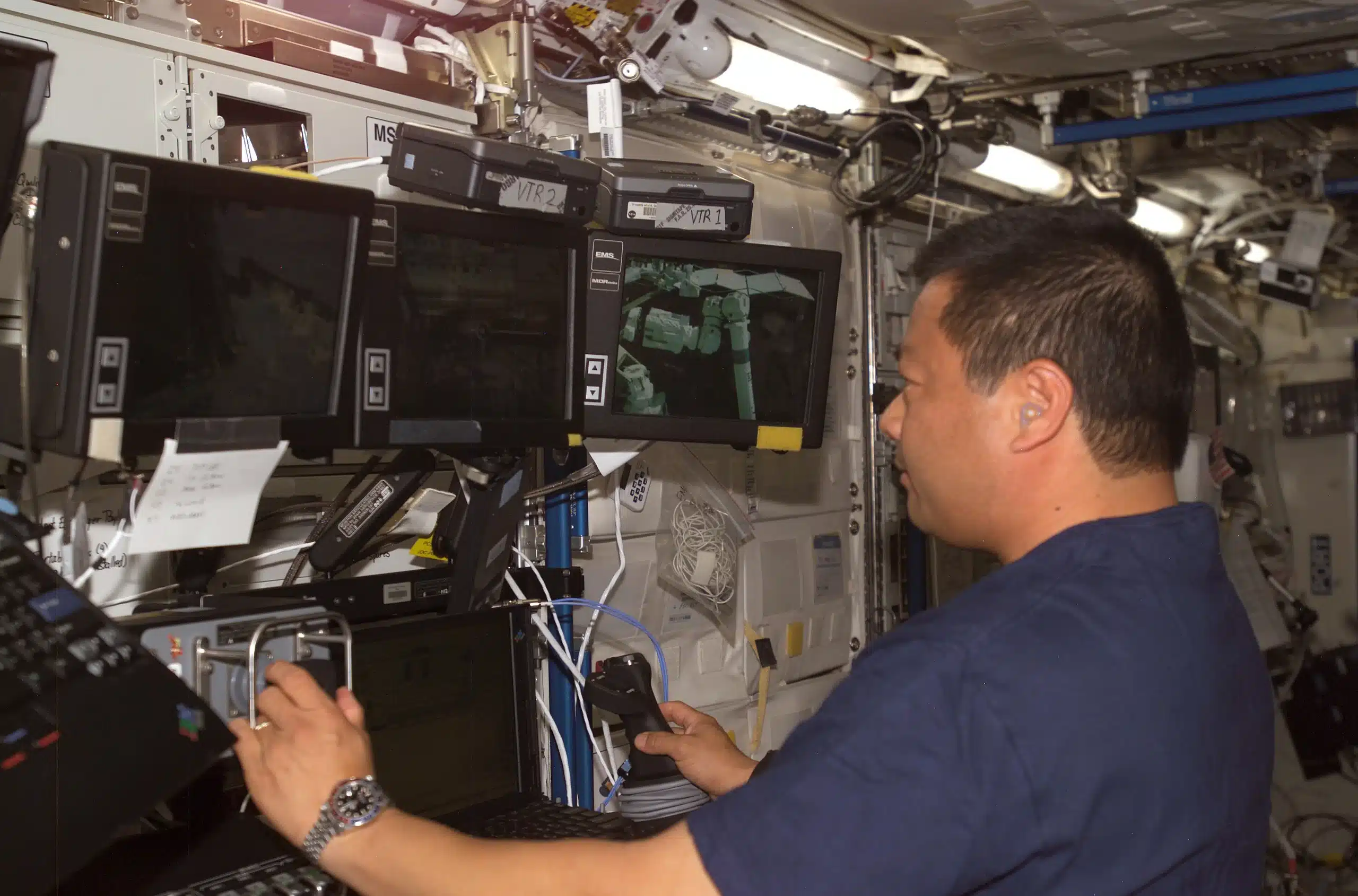
Writing for CNN, Leroy Chiao explained how he managed things back home during the time he was in space.
“One thing to consider before taking part is, who’s going to take care of your stuff? Who’s going to help pay your bills? NASA doesn’t really help sort out those sorts of life issues,” he wrote.
That’s a fair point, and probably often overlooked.
He also has something to say about the upcoming project, known as the Crew Health and Performance Exploration Analog (CHAPEA) study.
The four test subjects who are going to be selected are going to live and work inside a 1,700 square-foot 3D printed habitat at NASA’s Johnson Space Center, which incidentally is also home to the world’s most ‘precious’ asteroid.


Another thing to consider, according to Chiao, is that once you’re in, you can’t go back.
And since it’s a Mars simulator, real-time communications won’t be permitted, because they wouldn’t be possible on the actual Red Planet.
Finally, Chiao shared what he thinks is the best bit about getting back on Earth – he calls it a “recalibration”.

Chiao still remembers how it felt to smell grass after landing from his ISS mission.
He further explains then getting back to Earth, whether literally after a space mission or theoretically after the simulator mission, will give the four test subjects a different perspective – a different outlook.
And this, according to him, more than counteracts the way your body is physically affected by living in a low-gravity space.
Some of the images used for this article were created using AI.
Alessandro is an automotive journalist with 10 years of experience covering supercars, automotive history, emerging vehicle technology, and luxury transportation. He wrote the first article published on SupercarBlondie.com when the website launched in 2022 and has since built a reputation for insightful reporting across the automotive and transportation industries. His expertise is grounded in hands-on experience. Alessandro has driven every Tesla model ever produced, from the original Roadster to the Cybertruck, and regularly covers the latest developments in electric vehicles and automotive innovation. His passion for transportation extends beyond cars, he has even flown a Boeing 787 Dreamliner simulator in Addis Ababa, Ethiopia. His reporting spans everything from classic American muscle cars and rare automotive discoveries to luxury yachts, private aircraft, high-end watches, and cutting-edge vehicle technology. Known for his deep knowledge of automotive history and ability to uncover the stories behind iconic vehicles, Alessandro brings readers a blend of historical context, technical expertise, and first-hand experience.




