Australian man survives 100 days with a mechanical heart in world first
- An Australian man has survived 100 days with a mechanical heart
- The man used the heart while waiting for a donor to become available
- This is the first time anyone has had a mechanical heart for so long
Published on Mar 14, 2025 at 12:23 PM (UTC-4)
by Henry Kelsall
Last updated on Mar 17, 2025 at 3:10 AM (UTC-4)
Edited by
Tom Wood
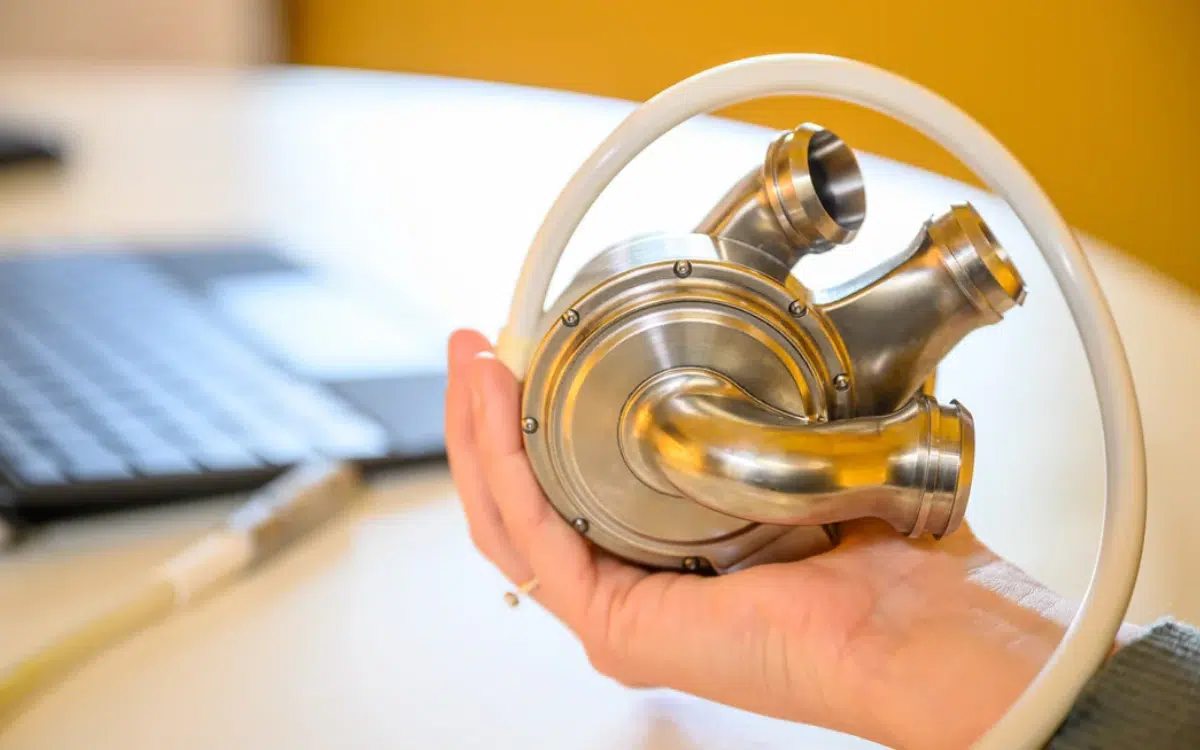

An Australian man has survived a remarkable 100 days with a new mechanical heart transplant in what has been a world first.
The man in question received a heart transplant at the St Vincent’s Hospital in Sydney. The man had a mechanical heart until a donor became available.
A donor’s heart finally became available earlier in March, which would allow him to have his full transplant.
The ability of the mechanical heart is a sign that they could offer a long-term solution for those suffering from heart failure.
DISCOVER OUR SUPERCAR AUCTION SITE – View live auctions on SBX Cars
100 days is a record for a mechanical heart
According to various news publications, 100 days is the longest anyone has ever had a mechanical heart inside them.
The mechanical heart was transplanted into the man, in his 40s, at the Sydney hospital in November 2024.
In February 2025 he became the first person in the world to leave a hospital with the device, with his donor heart available in March.

A statement from the hospital in Sydney Monash University and BiVACOR, the US-Australian company that created the device said that the man was ‘recovering well.’
BiVACOR’s founder, Australian bioengineer Daniel Timms, invented the mechanical heart after his father passed away from heart disease.

The heart is a very clever piece of engineering
The heart itself is incredibly clever. It has a single moving part, which is a levitated rotor held in place with magnets.
Titanium forms the construction, and it has no valves or bearings that might wear out over time.
It replaces the primary function of the heart, which is to pump blood to the body and lungs.
Clearly, it did an outstanding job in this instance.
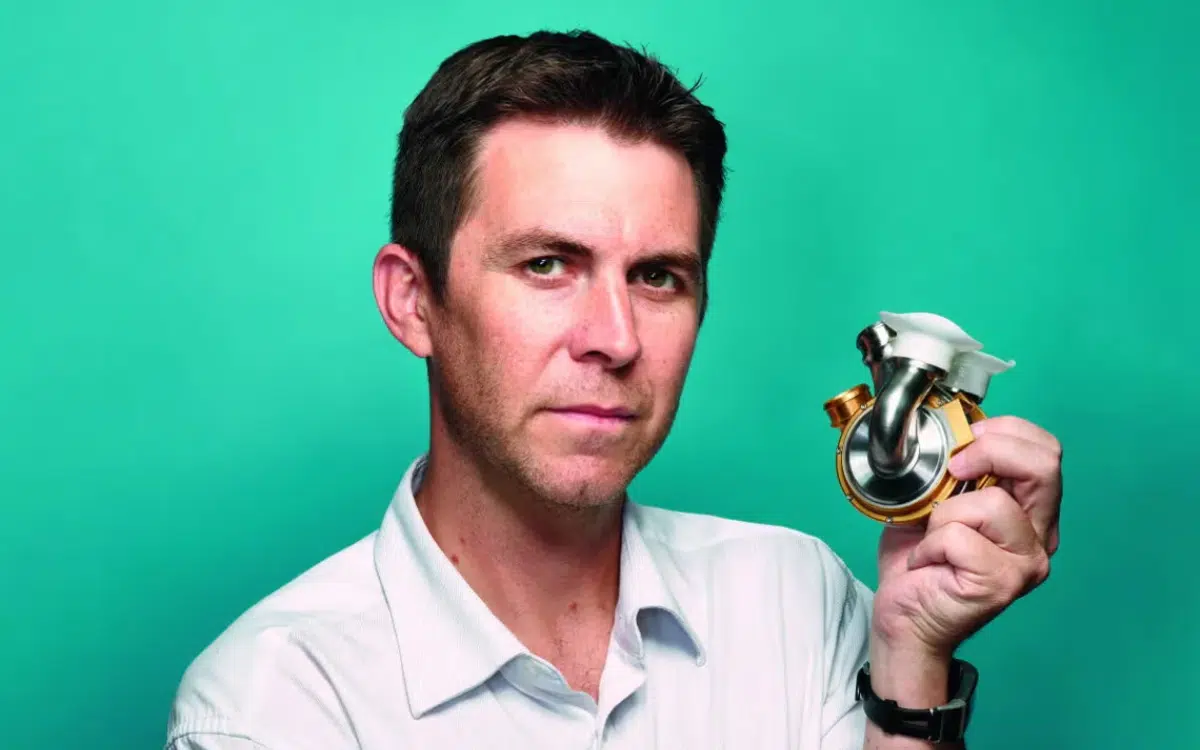
The company behind it is hoping that they can find a more widespread use for the mechanical heart.
Hopefully, it can be used to save more people who have been stuck on a waiting list for a suitable donor.
Up to 3,500 people had a heart transplant in 2024.
Over 4,000 went onto the waiting list in the United States that same year.
This new heart could be one of the most important developments medically in recent times.
Henry joined the Supercar Blondie team in February 2025, and since then has covered a wide array of topics ranging from EVs, American barn finds, and the odd Cold War jet. He’s combined his passion for cars with his keen interest in motorsport and his side hustle as a volunteer steam locomotive fireman at a heritage steam railway.




