Prototype system for getting satellites into space is essentially a big catapult
Published on Oct 15, 2025 at 9:00 PM (UTC-4)
by Daisy Edwards
Last updated on Oct 15, 2025 at 9:00 PM (UTC-4)
Edited by
Amelia Jean Hershman-Jones
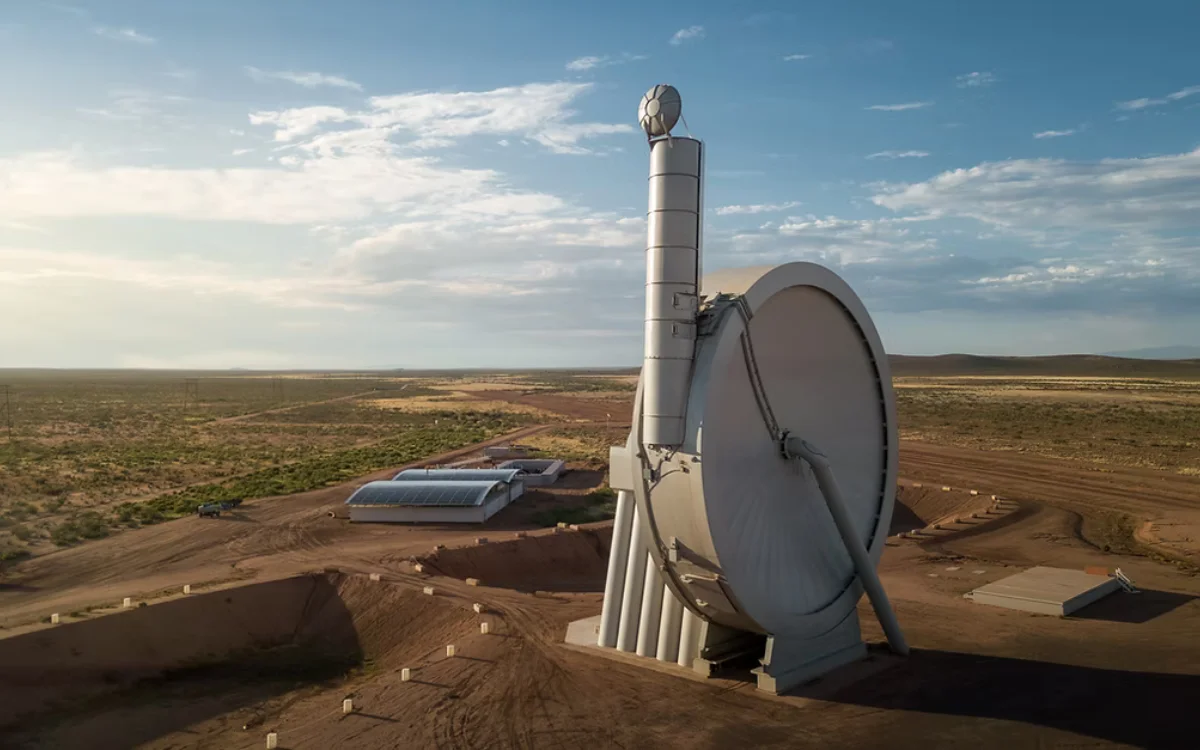

Forget roaring rockets blasting off in a fireball of flames because this California startup wants to fling satellites into space using what is essentially a big catapult.
It’s not a sci-fi movie; it’s SpinLaunch, a company building a massive centrifuge that spins payloads at hypersonic speeds before releasing them skyward.
Instead of packing a rocket full of explosive fuel, SpinLaunch uses a vacuum-sealed chamber about the size of a football field.
When it reaches the right speed, the arm lets go—flinging the projectile through a launch tube into the atmosphere and beyond.
EXPLORE SBX CARS – Supercar auctions starting soon powered by Supercar Blondie
This big catapult is for getting satellites into space
You’ve seen space rocket launches with blazing fire and columns of smoke.
But, SpinLaunch is taking a different route: a giant, vacuum-sealed centrifuge that spins a payload at hypersonic speeds before releasing it skyward.
It’s essentially a mechanical catapult, like how they stormed castles in medieval times … but supercharged.
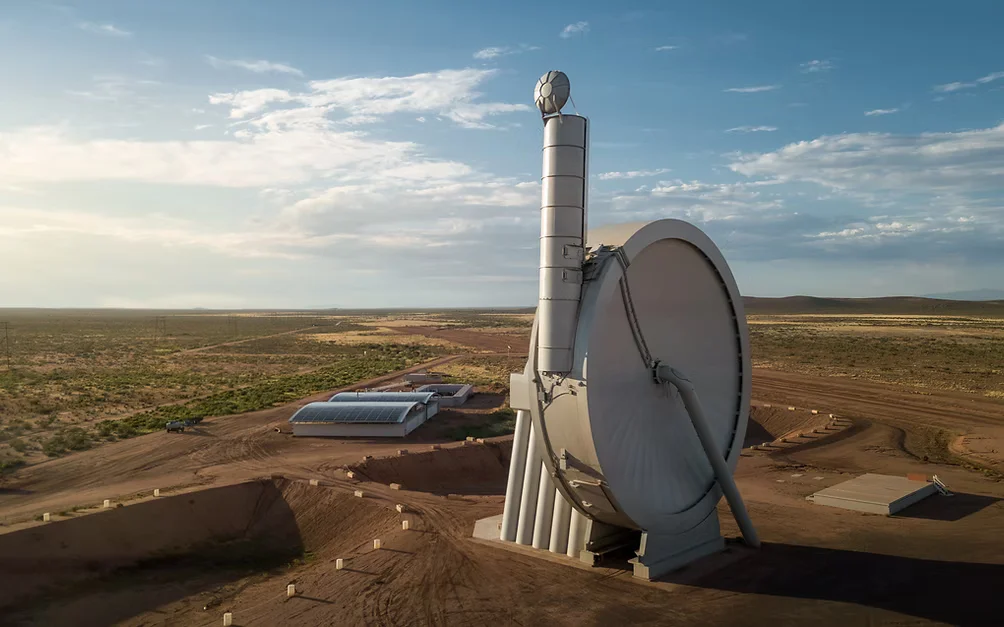
On its website, SpinLaunch describes an Orbital Accelerator that can spin a launch vehicle up to 8,000 km per hour using a carbon fiber arm inside a 100-meter steel vacuum chamber.
The best part is that, according to SpinLaunch, you can ditch most of the fuel, lighten the structure, and still get the satellite into orbit using a small rocket burn at the top of the trajectory.
That means lower costs and less reliance on chemical propulsion.
Related

Can it handle the G-force?
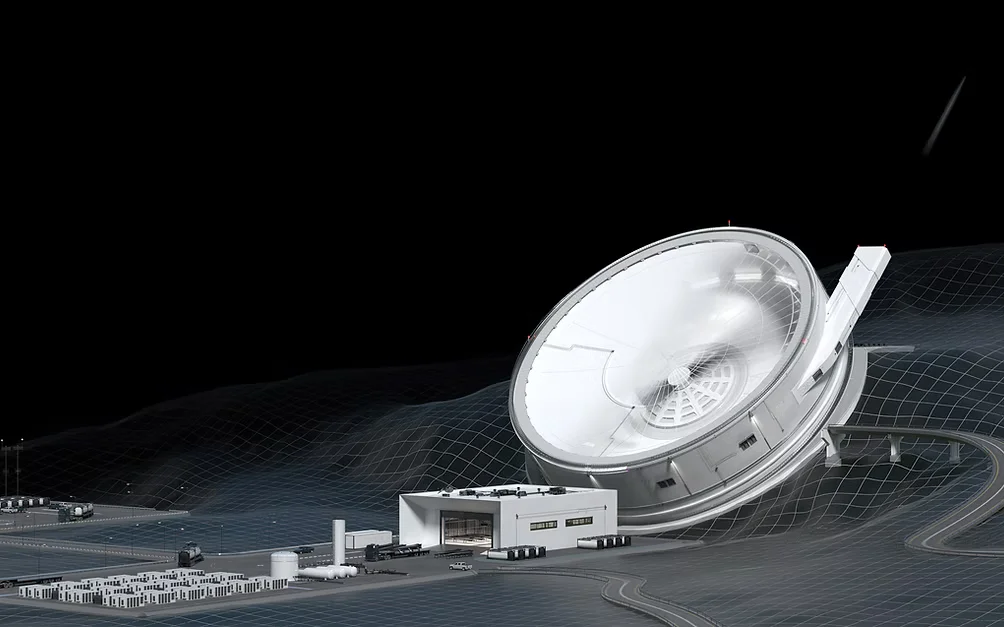
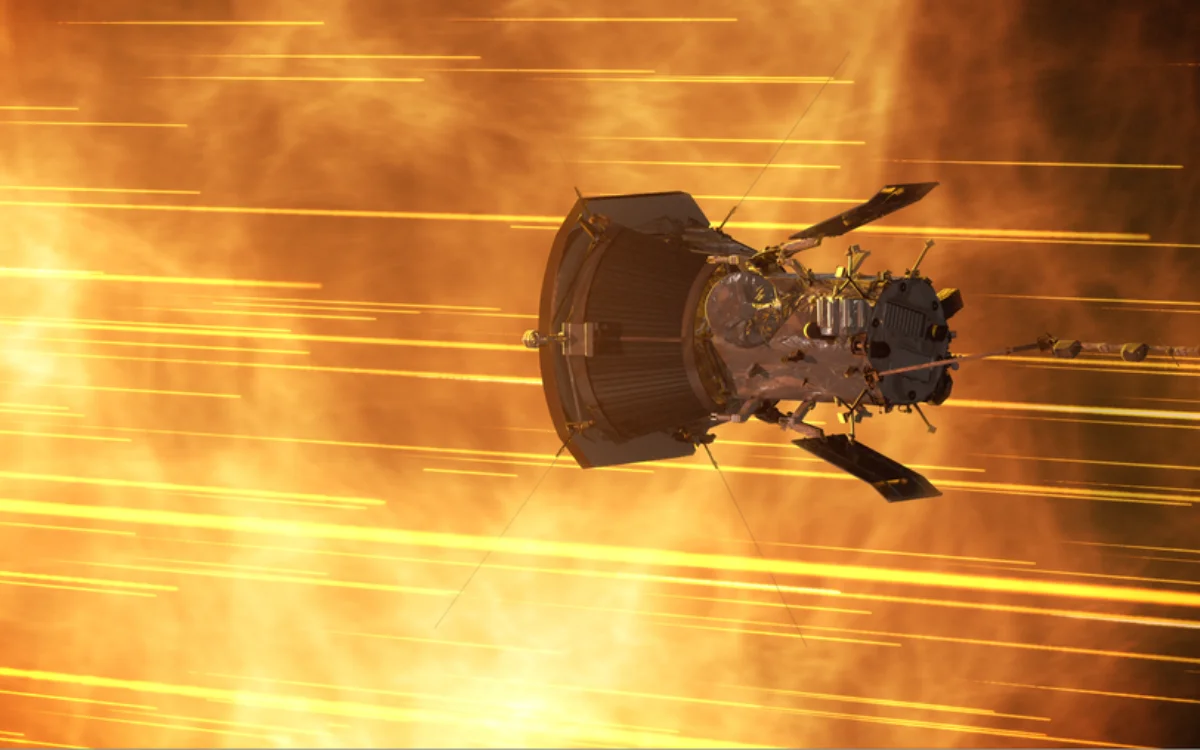
The main question is: Is it possible to design electronics, wiring, batteries (basically an entire satellite) that survive 10,000 grams of stress?
So far, SpinLaunch has built and tested a 33-meter prototype, flung projectiles to tens of thousands of feet using it, and recovered them.
The prototype has secured backing and partnerships, even from NASA.
If the company pulls this off, though, we might think of satellite launches in a whole new way-not as shows of rocket-powered drama, but as precision flings from a supercharged space slingshot.
Daisy is a technology and automotive journalist covering artificial intelligence, consumer tech, Apple news, cryptocurrency, emerging technologies, and transportation innovation. Since joining the team in 2025, she has reported on everything from AI-powered startups and major iOS updates to viral car stories and the latest developments shaping transportation and the digital economy. Drawing on her background in automotive journalism and a degree in History and Journalism from Goldsmiths, University of London, Daisy specializes in breaking down complex topics into clear, engaging reporting for a global audience. Her work spans cutting-edge technology, innovative vehicles, and the people driving change across both industries. Daisy has gained first-hand access to some of the world's most talked-about technologies and innovators, including meeting Tesla's Optimus humanoid robot during its first European appearance in London. She has also discussed the future of space exploration with an astronaut, bringing unique insights and real-world perspectives to her coverage of emerging technology.




