CGI from 2009 Transformers movie is so advanced and holds up so well today but it 'melted' the computers that rendered them at the time
Published on Sep 11, 2026 at 5:06 PM (UTC-4)
by Daisy Edwards
Last updated on Sep 11, 2026 at 5:06 PM (UTC-4)
Edited by
Alessandro Renesis
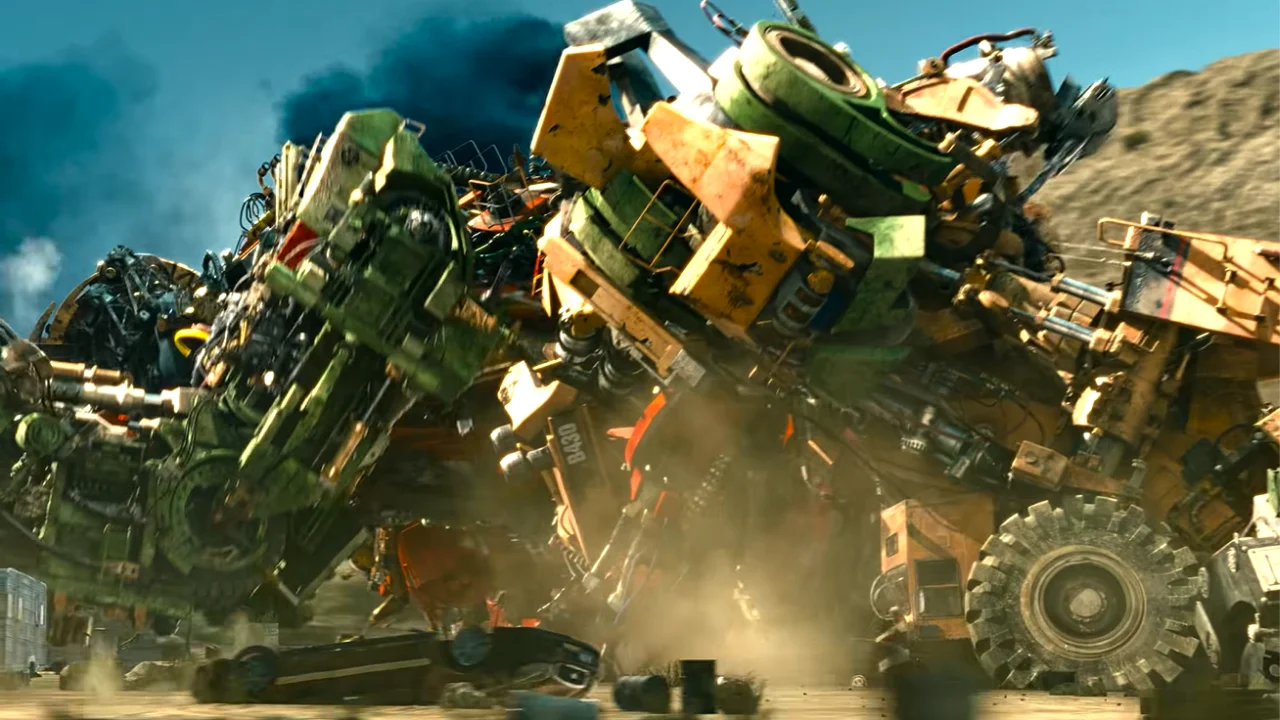

The CGI from the 2009 Transformers movie is so advanced that it still looks seriously impressive today, but making those robots nearly pushed computers to their limits.
Transformers: Revenge of the Fallen gave Industrial Light & Magic an enormous visual effects challenge, with dozens of robots made from thousands of individually animated parts.
Some shots were so demanding that individual frames took up to 72 hours to render.
And one particularly complicated sequence was so brutal that it reportedly caused a computer to “explode.”
The 2009 Transformers CGI was incredibly complicated
When Transformers: Revenge of the Fallen arrived in 2009, audiences were treated to some of the most ambitious computer-generated tech Hollywood had seen.
ILM, which led the visual effects work, had already created more than 450 effect shots for the first Transformers movie in 2007; for the sequel, however, the studio had to go even bigger.
There were 46 robots in the movie, compared with 14 in the first film, and some of the digital characters contained more than 50,000 individually animatable parts.
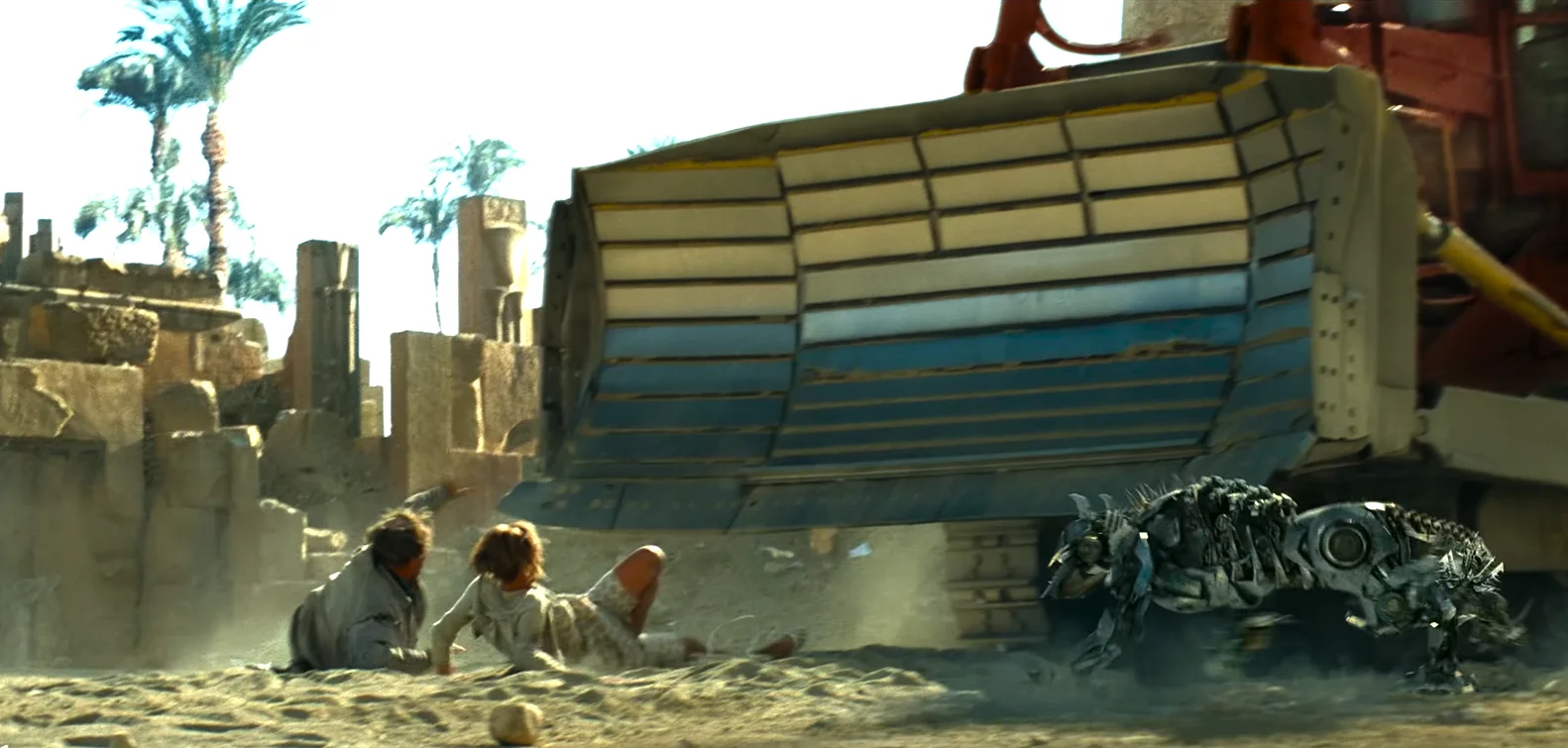
That level of detail was important because these weren’t simply static CGI models; the robots had to transform, move, interact with their surroundings, and look convincing alongside real actors and environments.
Optimus Prime alone had more than 10,000 individual pieces in the first movie, according to visual effects supervisor Scott Farrar.
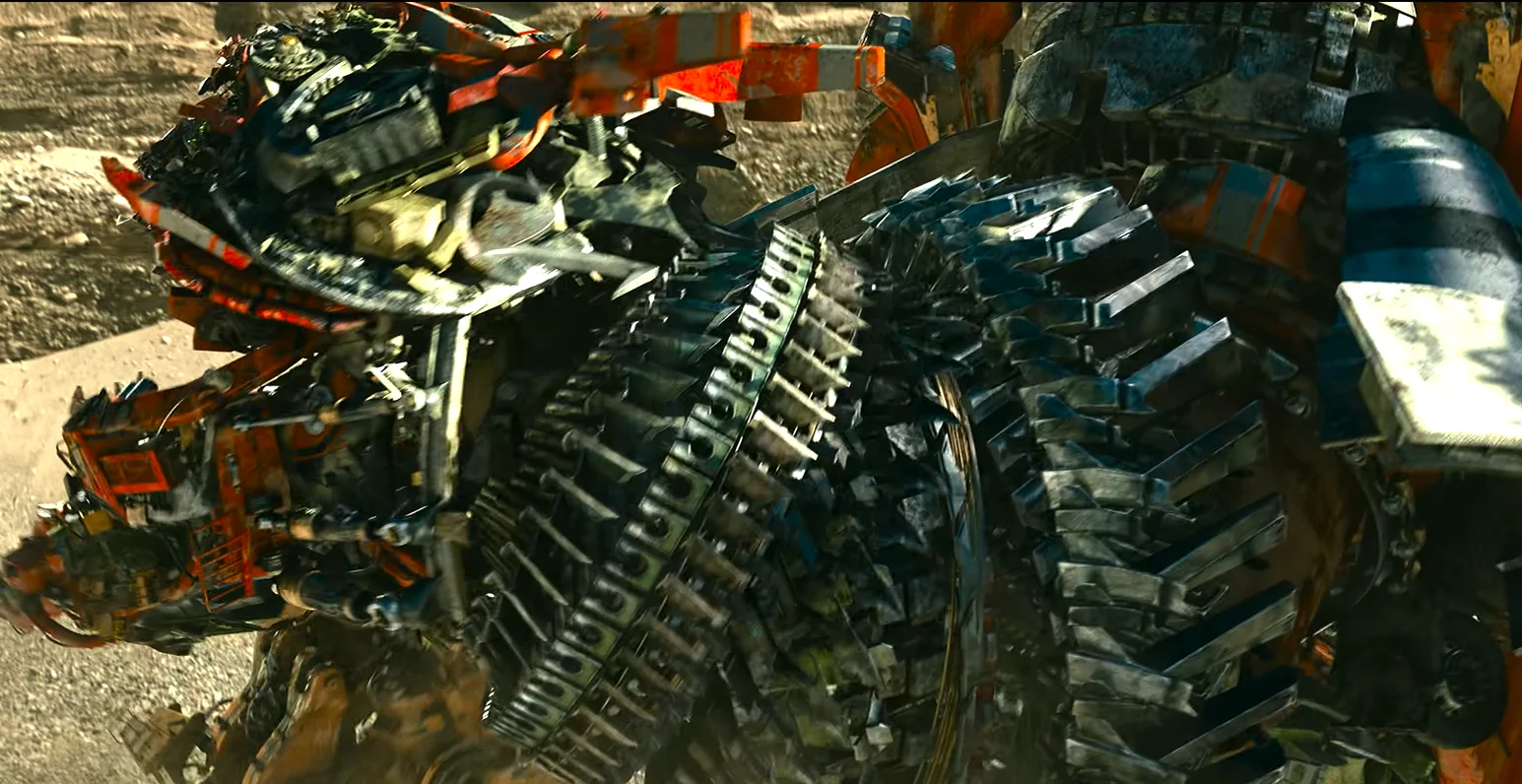
The sequel pushed the technology even further, with ILM also having to create huge destruction simulations and increasingly detailed robot models.
The result is one of those rare examples of 2000s CGI that still holds up remarkably well.
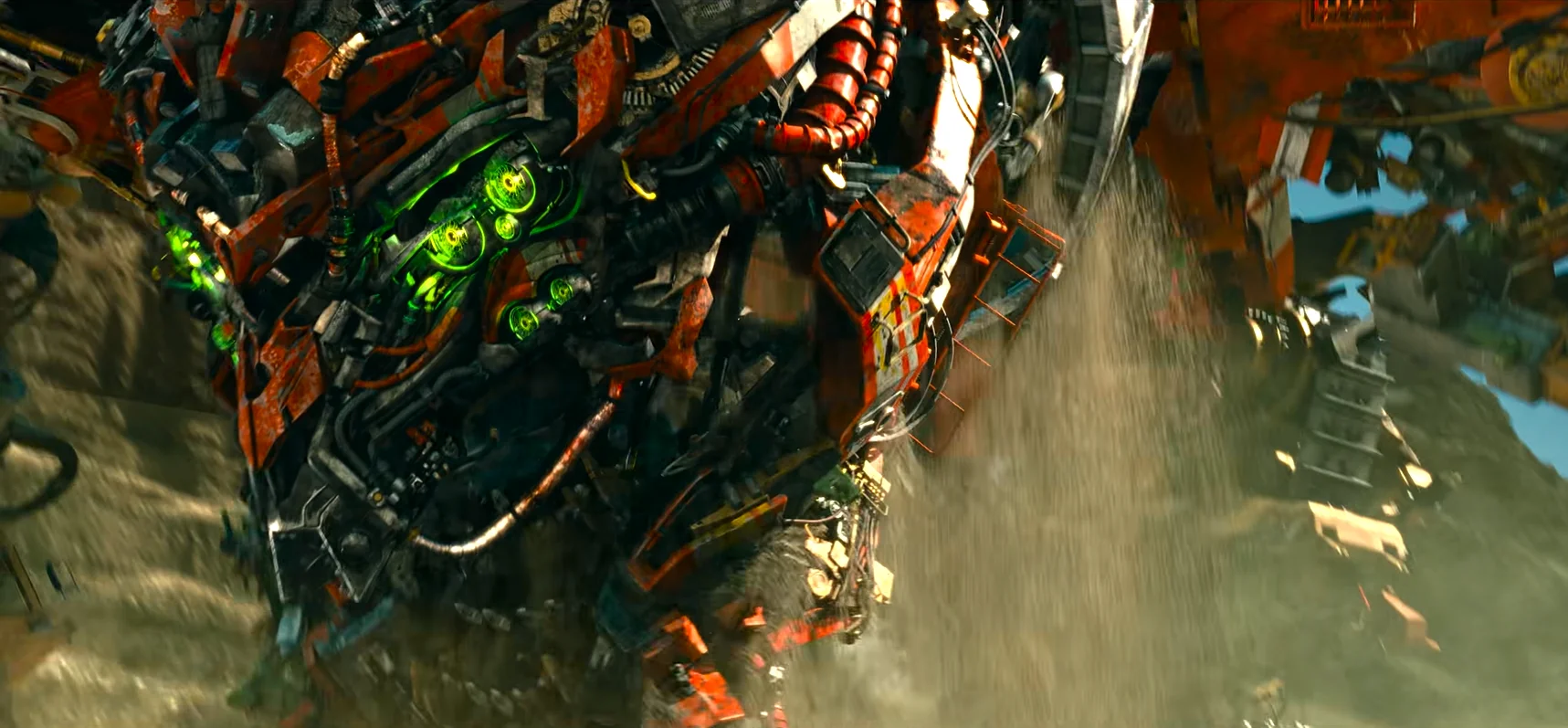
The metallic surfaces, reflections, intricate moving parts and sheer amount of mechanical detail make the robots feel surprisingly tangible, particularly in close-up shots, and there was a very good reason for that.
Related


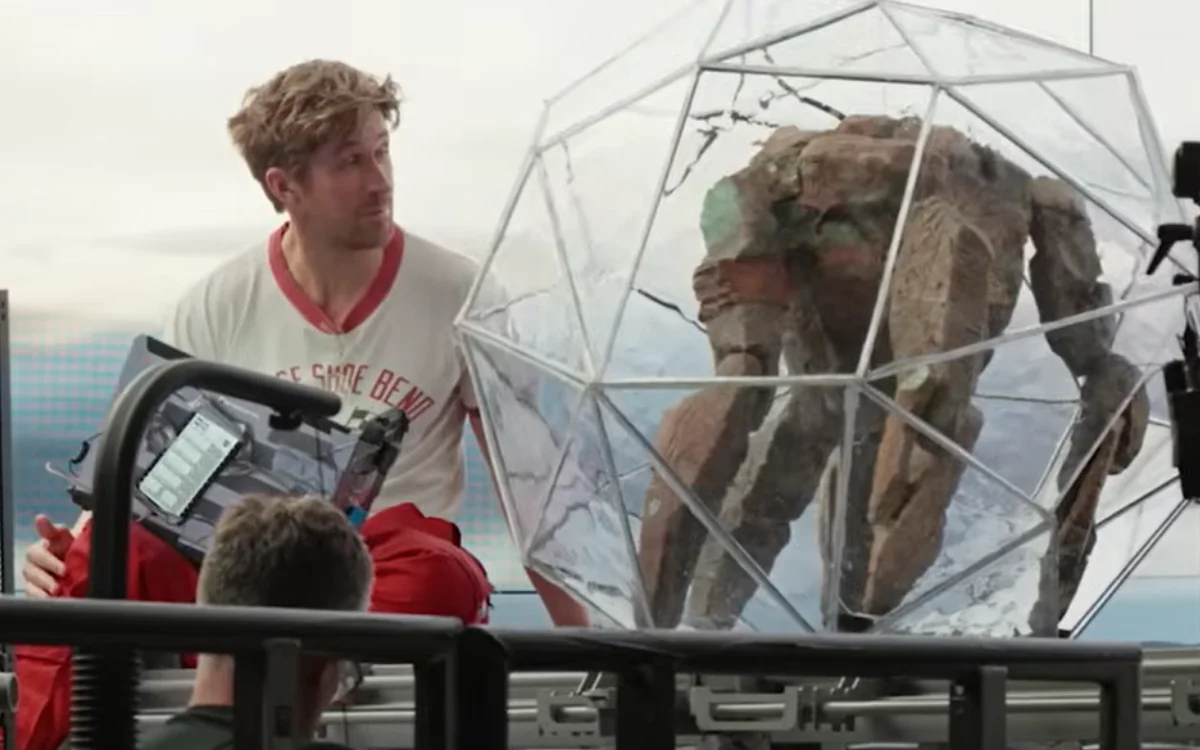
The tech nearly melted the computers rendering it
The sequel’s visual effects were so demanding that ILM’s computers were working around the clock.
Contemporary reports said the studio was using around 7,700 processor cores for rendering and that the Transformers themselves and other CG elements could consume roughly 80 percent of its rendering capacity.
The production also used around 154 terabytes of disk space, compared with about 20 terabytes for the first movie – then came Devastator.
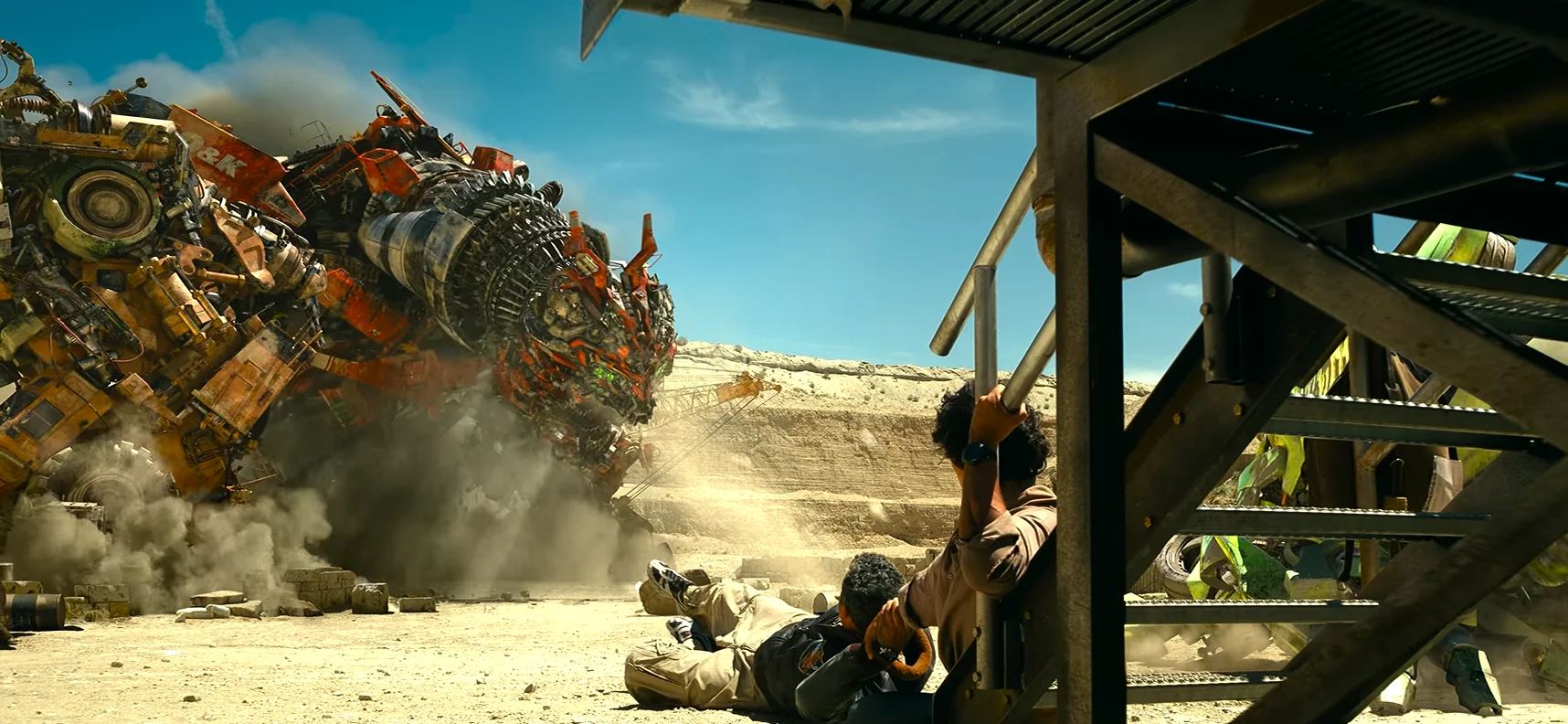
The enormous Decepticon was made from around 52,000 pieces, making it one of the largest and most complicated digital models ILM had created at the time.
Some of its IMAX frames took as long as 72 hours to render, while the pyramid destruction sequence involved more than 100,000 blocks and became the biggest rigid-body simulation ILM had attempted up to that point.
The numbers become even more ridiculous when you consider that ILM estimated a normal home computer would have needed around 16,000 years to render the entire movie.
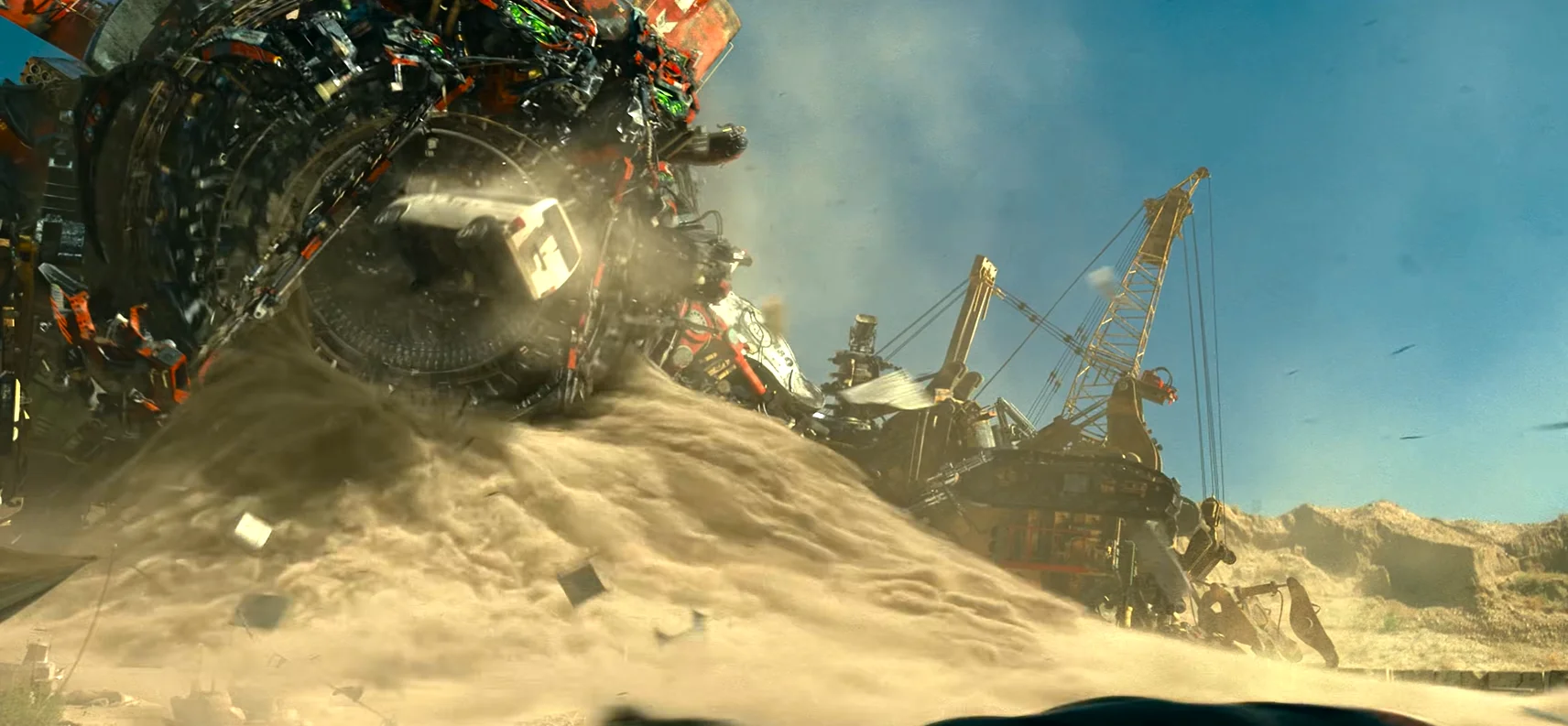
One particularly demanding Devastator sequence used more than 85 percent of ILM’s render farm capacity.
The combination of its complexity and the higher resolution required for IMAX was reportedly enough to cause one computer to “explode.”
That sounds almost ridiculous by modern standards, but it shows just how far ahead of the hardware the visual effects team was pushing the technology.

And perhaps the most impressive part is that all of this was happening more than 15 years ago.
Today, computer-generated imagery has become so advanced that incredibly detailed digital characters can be rendered far more efficiently.
But Revenge of the Fallen remains a fascinating snapshot of what happens when filmmakers decide they want something that computers technically aren’t ready to handle yet.
Daisy is a technology and automotive journalist covering artificial intelligence, consumer tech, Apple news, cryptocurrency, emerging technologies, and transportation innovation. Since joining the team in 2025, she has reported on everything from AI-powered startups and major iOS updates to viral car stories and the latest developments shaping transportation and the digital economy. Drawing on her background in automotive journalism and a degree in History and Journalism from Goldsmiths, University of London, Daisy specializes in breaking down complex topics into clear, engaging reporting for a global audience. Her work spans cutting-edge technology, innovative vehicles, and the people driving change across both industries. Daisy has gained first-hand access to some of the world's most talked-about technologies and innovators, including meeting Tesla's Optimus humanoid robot during its first European appearance in London. She has also discussed the future of space exploration with an astronaut, bringing unique insights and real-world perspectives to her coverage of emerging technology.




