Sir David Attenborough has seen a lot of tech in his 100 years but one choice he made changed the world of TV forever
Published on May 08, 2026 at 10:52 AM (UTC-4)
by Daisy Edwards
Last updated on May 22, 2026 at 4:28 AM (UTC-4)
Edited by
Mason Jones


Sir David Attenborough has seen more changes in the world of tech, particularly TV, than almost anyone alive.
The legendary broadcaster turns 100 years old today, and during his lifetime he’s watched humanity go from grainy black and white TV sets to 4K wildlife documentaries filmed from space.
He’s seen the rise of computers, satellites, the internet, the PlayStation, smartphones, and even modern space exploration become part of everyday life.
But one tiny decision he made at the BBC completely changed the way millions of people watched sport forever.
Sir David Attenborough changed the world of TV forever
Long before he became the soothing centenarian voice behind nature documentaries, David Attenborough was actually one of the BBC executives helping shape the future of tech itself, particularly when it came to television.
Long before the high-tech OLED TVs of the 2020s, back in the 1960s, color TV was still brand new and broadcasters were desperate to make programs pop on screen.
Attenborough was heavily involved in pushing the technology forward while working at BBC Two, where he helped champion color broadcasting and new filming techniques.
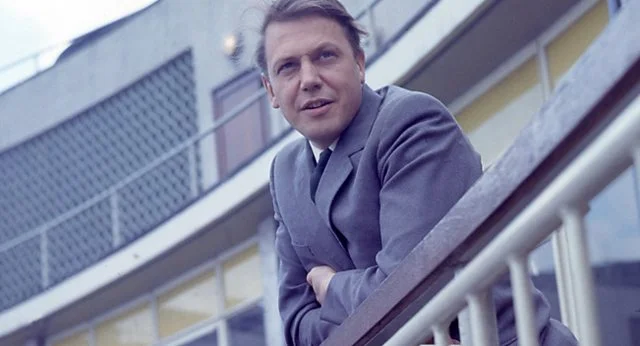
One problem quickly became obvious during televised tennis matches, white tennis balls looked terrible on early color TVs, and in a country with a very famous tennis event called Wimbledon, this was a big problem.
So Attenborough pushed for a brighter alternative that viewers could actually follow during broadcasts, which eventually led to the now-famous optic yellow tennis balls used around the world today, including at Wimbledon.
And that wasn’t his only sporting TV innovation.
He also helped launch the snooker show Pot Black, which became a huge hit because the colorful balls were perfect for showing off the new color television technology.
It helped transform snooker from a niche British pub game into one of the biggest TV sports in Britain.

Related



He’s has gone from black and white TV to space-age tech
What makes Attenborough’s career so incredible is just how much technology he has witnessed across an entire century.
He was born before television even became mainstream, yet he later became the first person to win BAFTA awards for black and white, color, HD, 3D, and 4K television.

Over the decades, he embraced every new filming breakthrough possible, from underwater camera systems to infrared night vision and ultra-high-definition nature documentaries.
He’s even watched humanity enter the space age, seeing rockets evolve from early experiments into missions exploring the Moon and beyond.

The beloved 100-year-old has lived through the arrival of space flight, home computers, gaming consoles like the PlayStation, and AI-powered technology.
For many viewers, though, the most remarkable part is that after 100 years of innovation, Attenborough is still finding ways to make television feel magical.
So, happy birthday, Sir David, thanks for everything!
Daisy is a technology and automotive journalist covering artificial intelligence, consumer tech, Apple news, cryptocurrency, emerging technologies, and transportation innovation. Since joining the team in 2025, she has reported on everything from AI-powered startups and major iOS updates to viral car stories and the latest developments shaping transportation and the digital economy. Drawing on her background in automotive journalism and a degree in History and Journalism from Goldsmiths, University of London, Daisy specializes in breaking down complex topics into clear, engaging reporting for a global audience. Her work spans cutting-edge technology, innovative vehicles, and the people driving change across both industries. Daisy has gained first-hand access to some of the world's most talked-about technologies and innovators, including meeting Tesla's Optimus humanoid robot during its first European appearance in London. She has also discussed the future of space exploration with an astronaut, bringing unique insights and real-world perspectives to her coverage of emerging technology.




